7 Jobs in Australia Where CPR and First Aid Skills Matter
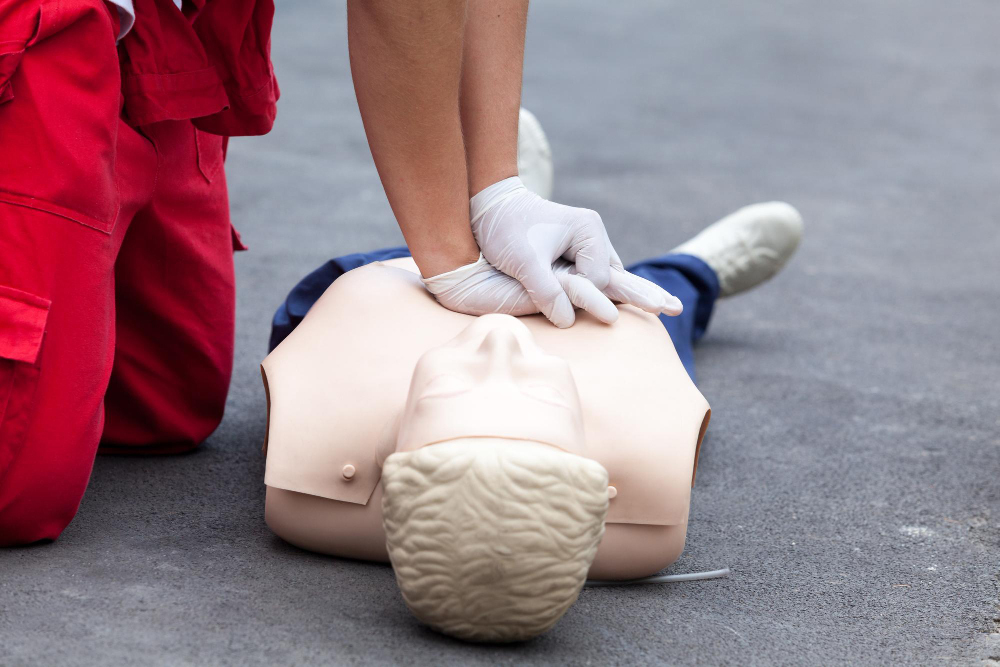
Knowing how to respond to a medical emergency can make a significant difference in any workplace. Jobs that require first aid and CPR skills are found across healthcare, education, childcare, community services, fitness, and other industries where people may need immediate assistance.
Workers who know how to handle emergencies can spot danger signs, give first aid, and find the right medical care. Some jobs need you to have an official first aid certificate, but others just want you to have those skills as part of your job abilities. Knowing which jobs require these duties can help you pick the right training and get ready for good job chances in the future.
This guide explores seven Australian job categories where first aid and CPR knowledge can be particularly valuable, along with the training that may support each career path.
1. Healthcare Assistants and Support Workers
- Healthcare assistants and support workers help patients with everyday activities, personal care and basic health needs.
- They may work in hospitals, rehabilitation centres, disability services and residential care facilities.
- Patients can experience sudden changes in their health, including breathing difficulties, falls, allergic reactions and loss of consciousness.
- Workers with emergency response knowledge can recognise warning signs, provide immediate assistance within their training and alert registered healthcare professionals.
- HLTAID011 – First Aid Practical Training is particularly relevant to workers who may need to respond to injuries, illnesses and medical emergencies.
- It covers essential skills such as assessing an emergency, providing first aid and supporting a casualty until further medical assistance arrives.
2. Early Childhood Educators and Childcare Workers
Childcare professionals are responsible for children’s safety throughout the day. Young children are naturally active and may experience accidents while playing, eating or participating in group activities.
Common emergencies include choking, falls, burns, asthma attacks and severe allergic reactions. Educators need to recognise these situations quickly and follow appropriate emergency procedures.
HLTAID012 – Childcare Setting First Aid Practical Training prepares workers to respond to medical emergencies involving infants and children. The nationally recognised unit covers first aid in education and care environments, including situations involving asthma and anaphylaxis.
Childcare employers should check the applicable regulatory requirements for approved first aid, asthma and anaphylaxis training. These requirements can vary according to the service and applicable regulations.
3. School Teachers and Education Support Staff
Teachers, teaching assistants and school support employees supervise children across classrooms, playgrounds, sports areas and educational activities. Their responsibilities often involve managing situations where students may become injured or unwell.
A student could suffer a head injury during sports, experience an asthma episode, or develop an allergic reaction after eating certain foods. Staff members who understand basic emergency procedures can provide immediate support while arranging appropriate medical assistance.
Schools may require selected employees to hold recognised first aid qualifications as part of their safety arrangements. Staff may also benefit from understanding CPR, AED use, emergency communication and incident reporting.
The training required depends on the school’s policies, student needs and applicable education and workplace safety regulations.
4. Aged Care Workers and Disability Support Professionals
Aged care workers and disability support professionals assist individuals who may need ongoing supervision and daily living support. Their work can involve helping clients with mobility, medication routines, meals and personal care.
Individuals receiving care may experience unexpected falls, respiratory difficulties, choking incidents or other medical emergencies. Workers with first aid training can identify these situations, provide appropriate initial support and promptly inform the relevant healthcare professionals.
These roles may appeal to candidates searching for jobs that require a first aid certificate in Australia. However, the qualifications needed will depend on the employer, position and specific workplace responsibilities.
Training can help workers understand emergency assessment, basic life support, infection prevention and appropriate responses to common injuries.
5. Fitness Instructors and Personal Trainers
Fitness instructors and personal trainers work with people who participate in exercise, strength training, sports conditioning and group fitness sessions. Physical activity can sometimes lead to injuries or unexpected medical emergencies.
A participant may experience dizziness, heat-related illness, muscle injuries, or cardiac arrest during a session. Trainers with CPR and first aid knowledge can respond promptly while arranging emergency assistance.
HLTAID009 – CPR Practical Training focuses on recognising cardiac arrest, performing cardiopulmonary resuscitation and using an automated external defibrillator (AED). These skills are valuable in gyms, fitness studios, swimming facilities and sports centres.
Some employers and professional organisations also require current CPR qualifications as part of their employment or accreditation conditions.
6. Construction Workers and Workplace Safety Officers
Construction sites involve equipment, machinery, electrical systems, working at heights, and physically demanding activities. These conditions can expose workers to injuries that require immediate attention.
Frequent occurrences encompass lacerations, scalds, fractures, falls, and electric shocks. Workplace safety officers and people who are trained in first aid might need to work together during emergencies and make sure that injured workers get the help they need.
Employees looking for jobs that require CPR certification may find relevant opportunities in high-risk workplaces where emergency response responsibilities form part of the role.
Under Australian workplace safety guidance, employers must provide access to suitable first aid equipment, facilities and trained first aid personnel. The number of first aiders and the level of training depend on workplace hazards, size and location.
7. Outdoor Recreation and Sports Professionals
Outdoor recreation instructors, swimming coaches, sports coordinators and adventure activity guides work in environments where injuries and medical emergencies can occur.
Activities such as hiking, swimming, cycling, kayaking and organised sports may involve risks associated with falls, dehydration, heat exposure and physical injuries. Remote locations can also make access to emergency services more difficult.
First aid knowledge helps professionals assess injuries, provide immediate care and organise emergency assistance. Some outdoor positions may require additional training for remote or isolated environments.
These are examples of careers that need first aid training, particularly where employees supervise physical activities or work away from immediate medical facilities.
Why Are First Aid and CPR Qualifications Valuable in Australia?
Emergency response skills can strengthen workplace safety and help employees manage unexpected situations. They also demonstrate a willingness to take responsibility for the wellbeing of colleagues, clients and members of the public.
Understanding CPR and first aid skills for jobs can help candidates identify suitable training before applying for positions.
Australian workplace safety arrangements require employers to assess their first aid needs. This includes considering workplace hazards, employee numbers, location and the availability of trained personnel. However, not every employee is automatically required to hold an individual first aid certificate.
First Aid Courses That Can Support Your Career
Choosing appropriate training depends on your industry, responsibilities and employer requirements. Three nationally recognised units can provide a useful starting point:
- HLTAID011 – First Aid Practical Training: Develops the knowledge and practical ability to respond to workplace and community emergencies.
- HLTAID009 – CPR Practical Training: Focuses on recognising cardiac arrest, performing CPR and using an AED.
- HLTAID012 – Childcare Setting First Aid Practical Training: Provides emergency response skills for infants and children in education and care environments.
All three units are listed on Australia’s National Training Register as current training units. Before enrolling, check the course details, assessment requirements and training provider’s registration.
Conclusion
First aid and CPR qualifications can improve your employment prospects across several sectors, including healthcare, childcare, education, fitness, construction and community services. However, the certification required will depend on the duties involved and the employer's specific expectations.
Taking relevant healthcare courses can strengthen your practical knowledge, develop valuable skills and open doors to new career opportunities. You can also connect with healthcare providers through a staffing platform to discover suitable roles as you progress professionally. Apply or register today.
Care Learning offers free continuing professional development (CPD) courses alongside useful resources covering a wide range of healthcare and professional development topics. Explore learning opportunities that strengthen your knowledge, improve your practical abilities and support your long-term career growth.
Frequently Asked Questions
1. What types of jobs in Australia usually need a first aid certificate?
Some jobs like childcare, older adult care, healthcare, teaching, fitness, and certain workplace safety roles might need proper first aid certification. The requirements will vary depending on the job position and the relevant rules that apply.
2. Is CPR certification required for every job in Australia?
No. CPR qualifications are not required for every job. Some employers ask for certain workers, like first aiders or people in specific jobs, to keep their CPR skills up to date.
3. What is the difference between HLTAID011 and HLTAID009?
HLTAID011 includes more types of first aid help, but HLTAID009 is about doing CPR and using an AED.
4. What first aid course is best for childcare workers?
HLTAID012 is designed for giving first aid to babies and kids in places where they are being looked after and taught. Employers need to check what training is required for their service.
5. How often should CPR and first aid qualifications be renewed?
CPR and first aid certifications usually need to be renewed every two years, but this time frame can differ a little based on the organisation that issued it or the rules in certain industries.It's important to check the exact date your certificate expires because having up-to-date certification is often required for jobs in healthcare, education, and public safety. If you don't finish the required refresher course before your credential expires, it could lead to your credential being canceled.