7 Life-Saving Fire Safety Skills Everyone Should Know
Fire Safety Training helps people understand how to prevent fires, recognise hazards, respond appropriately during an emergency, and protect themselves and others when a fire occurs. Whether at home, in the workplace, or in a care environment, knowing what to do before and during a fire can make a significant difference. Fire emergencies can develop quickly, so having practical knowledge and a clear response plan is essential.
1. Recognising Common Fire Hazards
- One of the most important fire safety skills is being able to identify hazards before they cause a problem. Fires can start when heat, fuel, and oxygen combine under unsafe conditions.
- Common hazards include overloaded electrical sockets, damaged cables, unattended cooking, combustible materials stored near heat sources, smoking materials, candles, and poorly maintained equipment.
- People should remain alert to changes in their surroundings and report potential hazards promptly. Keeping escape routes clear is equally important because blocked corridors, doors, and stairways can make evacuation more difficult.
- Workplaces and care settings may have additional risks because of equipment, chemicals, oxygen supplies, mobility limitations, or the number of people present.
- A Fire Risk Assessment can help identify hazards, evaluate who may be at risk, and determine appropriate measures to reduce the likelihood and impact of a fire.
2. Knowing How to Raise the Alarm
When a fire is found, it's very important to warn others right away. People need to understand how the fire alarm system works in the building where they stay or work.
Depending on the premises, this may involve activating a manual call point, alerting nearby people, contacting emergency services, or following established workplace procedures.
Everyone should understand that a fire alarm should never be ignored simply because smoke or flames are not immediately visible. Smoke can travel rapidly through buildings, and an apparently small incident can become dangerous.
Regular drills can help people become familiar with alarm sounds, evacuation routes, assembly points, and their responsibilities during an emergency.
Understanding fire emergency procedures can help reduce confusion when people need to respond quickly.
3. Using a Fire Extinguisher Safely
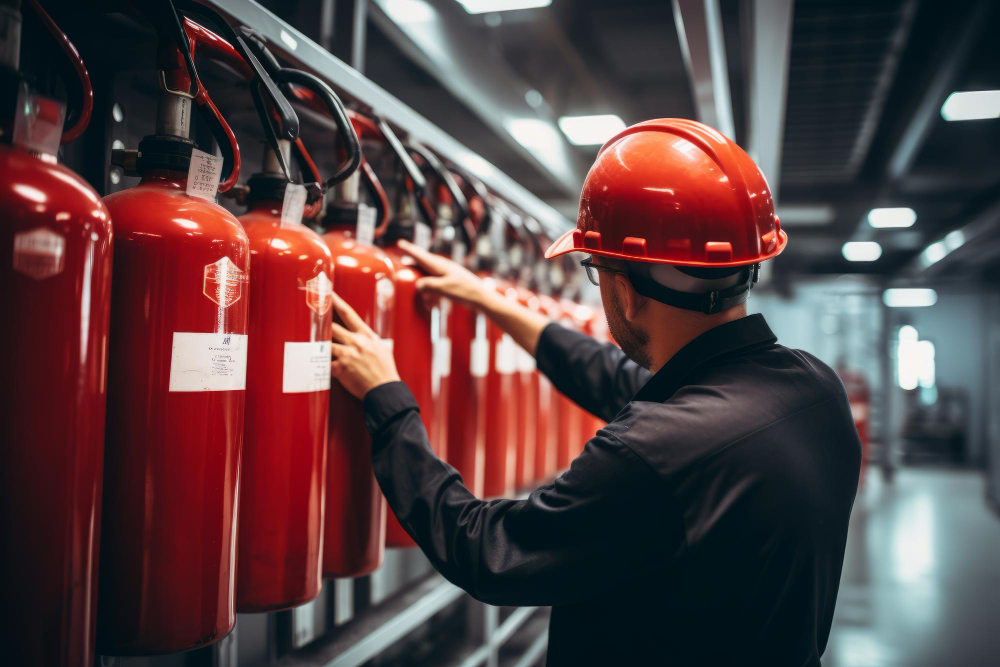
Fire extinguishers can be useful when dealing with a small fire, but they are not suitable for every situation. Using the wrong extinguisher can increase the danger rather than control it.
Different kinds of fire extinguishers are made to work on different types of fires. For example, the tools used to fight electrical fires might be different from those used for fires caused by cooking oil or other common flammable materials.
People should never attempt to tackle a fire if they are unsure of what is burning, if the fire is spreading, or if there is a risk that their escape route could become blocked.
Fire extinguisher training can teach people how different extinguishers work, when they may be appropriate, and the safety precautions that should be followed.
Personal safety is the most important thing, and getting everyone out safely should be done before trying to save or get back any personal items.
4. Knowing When to Evacuate
Knowing when to leave a building is an important part of staying safe during a fire. If a fire happens, follow the evacuation plan right away and don’t stop to get your belongings.
Fire doors should be closed where appropriate to help limit the movement of smoke and flames. Lifts should generally not be used during a fire unless they are specifically designed and designated for emergency evacuation.
People should use the closest safe exit and go to the assigned meeting spot. Once they are outside, they must not go back into the building unless emergency workers give them permission to do so.
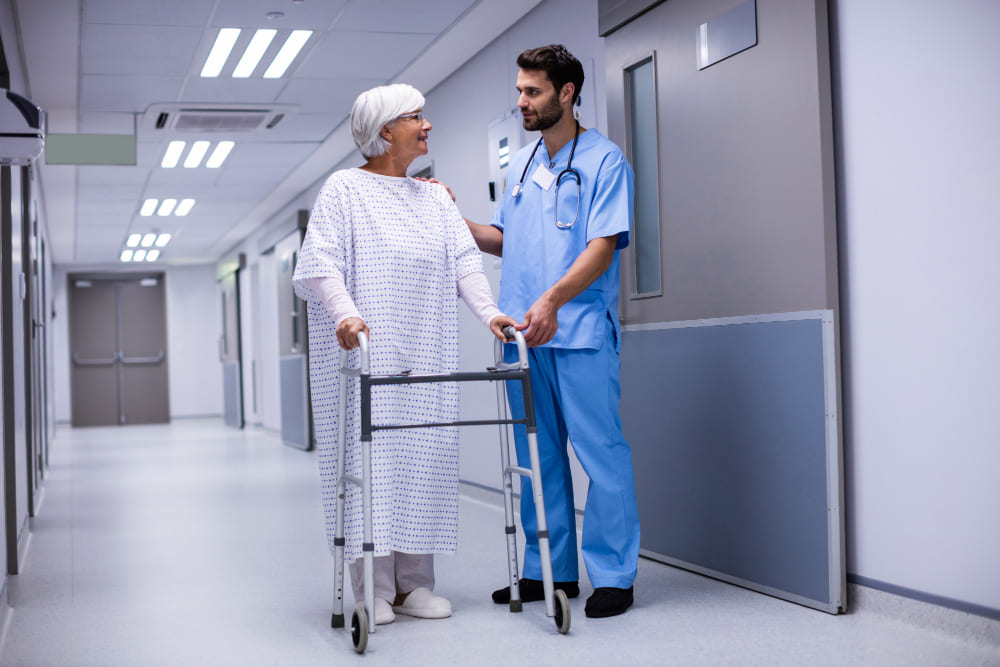
Some individuals may require additional assistance during evacuation, particularly in hospitals, care homes, schools, and other settings where people may have mobility, sensory, or cognitive needs.
5. Staying Safe Around Smoke
Many people think the flames of a fire are the biggest danger, but smoke can also be very dangerous. Smoke can make it hard to see clearly, trouble breathing, and make escaping more difficult.
If there is smoke, people should stay away from it as much as possible and follow the building's plan for leaving safely. Staying close to the ground might help you avoid some smoke in some situations, but the best thing to do is to get out of the area through the right escape path.
Doors should be checked carefully where appropriate, and people should never open a door if doing so could expose them to immediate danger.
If an escape route is blocked, people should follow emergency procedures and seek a safe alternative rather than attempting to pass through flames or dense smoke.
6. Understanding Basic Firefighting Principles
Learning how fires behave can help people make safer decisions during an emergency. A fire generally requires three elements: heat, fuel, and oxygen.
Removing one of these elements can help stop combustion. Firefighting methods may therefore involve cooling a fire, removing its fuel source, or limiting its oxygen supply.
Firefighting training provides more detailed knowledge about fire behaviour, firefighting equipment, emergency response, and safe decision-making.
However, basic awareness should never create false confidence. Members of the public and untrained staff should not attempt to fight a fire simply because they have seen how an extinguisher works.
Only attempt to tackle a small fire when appropriate training has been provided, the correct equipment is available, there is a clear escape route, and doing so does not put anyone at risk.
7. Preventing Fires Through Everyday Awareness
Fire safety is not only about knowing what to do when an alarm sounds. Prevention is equally important.
Simple habits can reduce unnecessary risks. Electrical equipment should be maintained properly, combustible materials should be stored safely, cooking should not be left unattended, and smoking materials should be disposed of appropriately.
Employees need to follow the rules of the workplace and let their manager know if there is broken equipment or any dangerous situations. At home, families can lower risks by making sure smoke alarms are working, keeping escape routes clear, and having a plan for emergencies.
A fire safety course offers organised training that includes how to prevent fires, what to do during an emergency, how to safely leave a building, the proper use of safety equipment, and the roles and duties of people in the workplace regarding fire safety.
Why Regular Fire Safety Learning Matters
Fire safety knowledge can become weak if people only learn it once and don't get reminded or trained again over time. Continuous learning and regular practice can improve important skills and help people handle emergencies more confidently.
Employers should provide appropriate instruction for workers based on the risks associated with their workplace. Refresher learning can also help people remember evacuation routes, alarm procedures, assembly points, and their individual responsibilities.
Fire drills can show real issues that might not be seen on normal days, like blocked exits, confusing signs, problems communicating, or trouble helping people who need extra support.
The goal is not simply to complete a training requirement. Effective fire safety should become part of everyday workplace awareness.
Fire Safety in Healthcare and Care Environments
Healthcare and social care environments require particular attention because some people may not be able to evacuate independently.
Staff may need to understand individual evacuation arrangements, communication procedures, fire compartmentation, and the location of appropriate equipment.
Care workers and healthcare professionals need to know exactly what they are supposed to do during an emergency as outlined by their organisation's emergency plan. Their duties might be different based on their job, where they work, and the rules their workplace follows.
For anyone working in a setting where vulnerable people may need assistance, practical knowledge and regular emergency preparation are particularly important.
Conclusion
Fire safety is everyone’s responsibility. Recognising hazards, raising alarms, evacuating safely, understanding smoke risks, and knowing the limitations of firefighting equipment are skills that can help people respond more effectively during an emergency.
The most important principle is simple: protect life first. Firefighting should never take priority over getting yourself and others to safety.
Structured learning can provide a stronger understanding of fire prevention and emergency response, while regular practice helps turn that knowledge into appropriate action.
Apply or register today to continue developing your fire safety knowledge and practical awareness. Care Learning is a platform where you can get free CPD courses and access information on multiple topics to support your ongoing learning and professional development.
Frequently Asked Questions
1. Why is fire safety training important?
Fire safety training teaches people about typical fire dangers, what to do in an emergency, how to leave a building safely, and the right way to act when a fire happens.
2. Should everyone know how to use a fire extinguisher?
People need to get proper training before they use firefighting tools. An extinguisher should be used only when it is safe and right to use it.
3. What should I do if I discover a fire?
Tell people around you to stay safe, turn on the fire alarm, and call emergency help when it's needed. Exit the building through the closest safe exit and do not do anything that might put you in unnecessary danger.
4. Why are fire risk assessments important?
Fire risk assessments help find possible dangers, figure out who might be in danger, check current safety steps, and decide if more actions are needed to make fire safety better.
5. How often should people update their knowledge about fire safety?
How often it happens depends on the job, the dangers involved, the company's rules, and what is required by law. Regular practice, training sessions, and repeated learning can keep people alert and ready to act correctly when an emergency happens.