7 Ways to Take Your Nursing Career to the Next Level in Australia
Content Writer

Building a successful nursing career involves more than gaining qualifications and completing daily clinical duties. Nursing career advancement allows professionals to strengthen their skills, explore new specialities and prepare for leadership roles across Australia’s healthcare system. With ongoing learning, practical experience and clear career goals, nurses can find new ways to grow professionally.
1. Pursue Further Education and Specialised Qualifications
- Further education helps nurses learn more and qualify for jobs that have greater responsibilities. Australian nurses can choose to study for a postgraduate certificate, a graduate diploma, or a master’s degree, based on what they like and where they want their career to go.
- Specialist areas include emergency nursing, critical care, mental health, aged care, paediatrics and oncology. Each field involves different clinical skills and patient needs.
- For example, nurses interested in advanced clinical practice may consider postgraduate study in their chosen speciality.
- People who want to work as nurse practitioners need to satisfy the Nursing and Midwifery Board of Australia's rules for registration and endorsement. This includes having the right education and experience in advanced practice.
- Before you sign up, check that the qualification is accepted and matches the job you want to do.
- Talk to your employer about your study choices to find out what help you can receive and what chances might be available later on.
2. Set Clear Goals for Nursing Career Progression
Planning your next career move helps you focus your time, training, and work experience. Nursing career progression can involve moving into a specialist role, becoming a clinical educator, supervising a team, or pursuing advanced practice.
Start by identifying where you want to be in the next two to five years. Consider the skills you already have and the experience you still need to gain.
A practical career plan should include:
- Your preferred clinical speciality or career direction.
- The qualifications and training needed for your goal.
- Opportunities to gain relevant workplace experience.
- Regular discussions with your manager or mentor.
- Clear milestones to review your progress.
Review your plan regularly as your interests and circumstances change. A realistic approach helps you make informed decisions instead of completing courses without a clear purpose.
3. Invest in Professional Development for Nurses
Healthcare practices, technologies, and clinical guidelines continue to change. Professional development for nurses helps practitioners keep their knowledge current and maintain safe, evidence based care.
Professional learning can include workshops, online courses, clinical seminars, conferences, supervised practice and workplace training. Nurses can also learn from case discussions, reflective practice and feedback from experienced colleagues.
Registered nurses and enrolled nurses in Australia must meet the continuing professional development requirements set by the relevant regulatory standards. Check the current requirements published by the Nursing and Midwifery Board of Australia.
Make a note of every learning task you finish and think about how each one helps your clinical work get better. Picking education that connects with what you're doing now or where you want to go can make your learning more helpful for your career.
4. Complete Relevant Nursing Upskilling Courses
Short courses allow nurses to improve particular skills without having to undertake a long qualification. Nursing upskilling courses might include topics like talking with patients, stopping infections, taking care of wounds, making sure medicines are safe, helping people with dementia, and responding to emergencies.
Pick classes that fit the specific needs of the patients you care for and the setting where you work. For instance, a nurse who takes care of elderly patients could benefit from learning how to prevent falls and take care of pressure sores.
Before you sign up, make sure to look into what the course covers, how you will be tested, the qualifications of the provider, and whether your employer will accept it. Some jobs need special training, but for others, taking extra classes can be really helpful.
Make sure your certificates are in order so you can show proof of your learning when you need it for performance reviews or when applying for jobs. A short course alone cannot take the place of the official qualifications or registration needed for jobs in nursing that are regulated.
5. Keep Your Emergency Response Skills Current
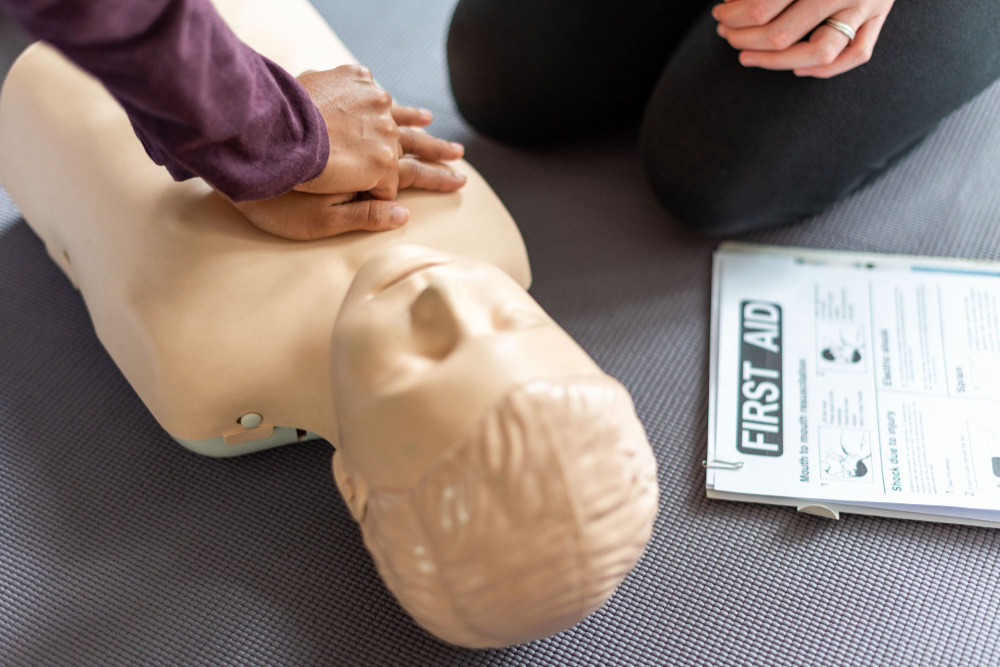
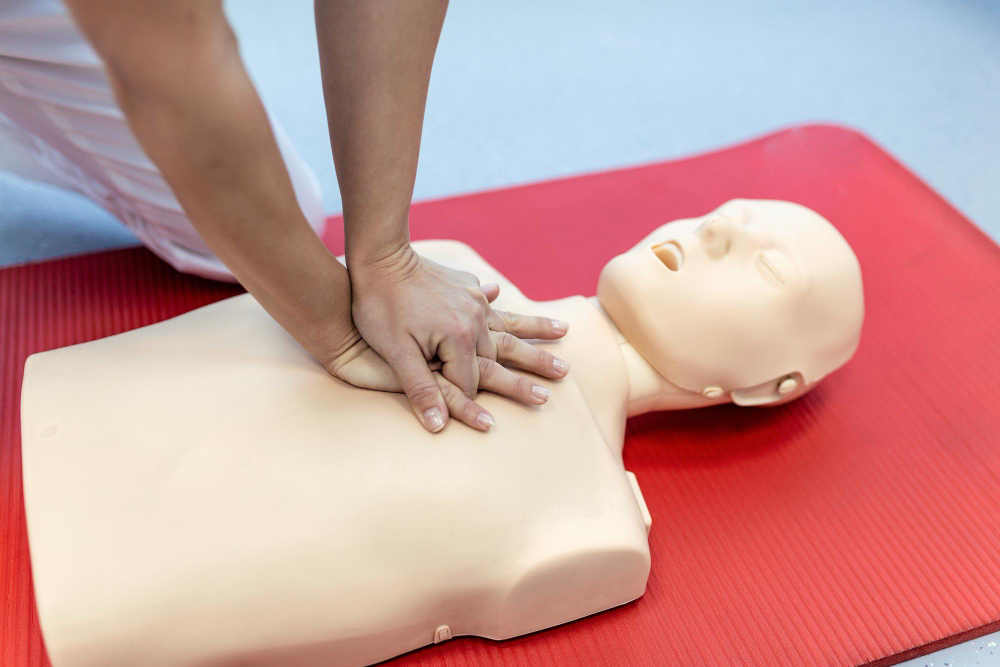
Nurses may need to respond quickly when a patient experiences a medical emergency. Regular practical training can help professionals recognise warning signs, follow emergency procedures and work effectively with colleagues.
CPR training helps participants practise cardiopulmonary resuscitation and respond to cardiac emergencies. Nurses should select training that matches their workplace responsibilities and any requirements set by their employer.
The Australian training unit HLTAID009 covers providing cardiopulmonary resuscitation. For broader first aid skills, HLTAID011 covers providing first aid. Both are listed on the Australian Government’s National Training Register.
The HLTAID011 First Aid course may be useful for nurses who need a recognised first aid competency for their role. However, it does not replace clinical resuscitation training or employer-specific emergency training where these are required.
Nurses who work with children or plan to enter education and care settings may also consider the HLTAID012 Childcare Setting First Aid course. This training focuses on first aid responses for infants and children, including asthma and anaphylaxis emergencies. Check the official HLTAID012 unit information to understand its scope.
6. Develop Leadership and Communication Skills
Career growth often involves taking on responsibilities beyond direct patient care. Nurses who want to become team leaders, clinical coordinators or nurse managers need strong communication, decision-making and organisational skills.
Leadership development can begin with small responsibilities at work. Supporting new colleagues, contributing to team meetings and helping improve clinical processes can build valuable experience.
Effective communication also helps nurses explain care plans, discuss concerns with families and collaborate with other healthcare professionals. Clear documentation and respectful communication support safer care and stronger working relationships.
Talk to your manager about chances to learn and grow by working on projects that will help you build these skills. Think about the feedback you received and find out which areas you can still learn more about.
7. Explore New Work Opportunities and Healthcare Settings
Changing your workplace or clinical setting can expose you to different patient groups, procedures and professional challenges. Nurses may explore opportunities in hospitals, aged care facilities, community health, rehabilitation, mental health services and other healthcare environments.
Think about whether you'd like to work full-time, do casual jobs, or have a schedule that can change. Before making a decision, it is important to consider pay, working hours, employment benefits, and professional assistance, as every arrangement has its own set of conditions.
A healthcare staffing platform like Xpress Health can assist nurses in finding work opportunities that match their skills, background, and schedule. Looking at different job openings can help you figure out which skills employers look for and where you might need more training to make your job applications stronger.
Always check your CV and add any new qualifications, clinical work, or professional training you have completed. Keeping track of your skills helps you see new chances and figure out where to take your career next.
Conclusion
To move forward in your nursing career, you need a good plan, the right education, and a willingness to learn new skills. Further learning, quick skill development, taking on leadership positions, and working in different healthcare settings can all help someone advance in their career.
Choose development opportunities that match your interests and workplace needs, and review your progress regularly. If you are looking to build your healthcare knowledge, many courses and informative learning opportunities can support convenient upskilling, while connecting with a healthcare staffing agency such as Xpress Health can help you explore suitable work opportunities alongside your development. Apply or register today.
Care Learning is a platform where you can get free CPD courses and enough information on multiple topics.
Frequently Asked Questions
1. What are the possibilities for growing my nursing career in Australia?
Consider pursuing more education, receiving specific training, finding opportunities to advance your career, gaining experience in leading teams, and getting the chance to work in different areas within the healthcare industry. Choose options that match your career goals and the requirements needed for your registration.
2. Are short courses useful for registered nurses?
Yes. Short courses can help improve clinical knowledge and meet the needs of the workplace. Make sure the course is approved and suitable for the job you want to do.
3. Do Australian nurses need continuing professional development?
Registered nurses and enrolled nurses need to follow the necessary rules and standards for ongoing professional learning and development. Check the current NMBA standards for details.
4. What is the difference between HLTAID011 and HLTAID012?
General first aid falls under HLTAID011, whereas first aid in education and care settings, specifically infants and children, falls under HLTAID012.
5. Can changing healthcare settings help my career?
Yes. Working in a different environment can help you get experience with new types of patients, build up more clinical abilities, and discover possible paths for specialising in the future.