Childcare Assistant Jobs: Essential Skills and Training Employers Look For

Childcare assistant jobs involve supporting children’s learning, development, health and daily care in early learning centres and other childcare settings. Employers look for people with childcare assistant jobs who can communicate well, supervise children safely, respond to individual needs and work positively with families and colleagues. Relevant qualifications, practical experience and current first aid training can also strengthen an application in Australia.
Working with young children can be a rewarding career choice for people who enjoy helping others learn and grow. However, the role requires patience, responsibility and a clear understanding of children’s needs. This guide explores the essential skills, qualifications and training that employers commonly look for when recruiting childcare assistants.
Establish trust in your ability to assist children's health, learning, and well-being while gaining practical training in child supervision, emergency response, first aid, and child safety. To view the training course, click now.
What Does a Childcare Assistant Do?
A childcare assistant helps create a safe, welcoming and engaging environment for children. Their daily responsibilities depend on the children’s ages, the centre’s routines and the position’s requirements.
Common duties include:
- Supporting daily routines: Helping children with meals, rest periods, toileting, handwashing and other everyday activities.
- Assisting with learning activities: Preparing games, storytelling sessions, creative activities and simple educational exercises.
- Supervising children: Monitoring play areas, indoor activities and outdoor spaces to reduce the risk of accidents.
- Encouraging social development: Helping children share, communicate, build friendships and understand appropriate behaviour.
- Maintaining hygiene: Cleaning toys, organising play equipment and following hygiene procedures.
- Communicating with families: Sharing relevant updates about children’s activities, progress and daily routines with parents and guardians.
- Supporting individual needs: Helping children who require additional assistance with communication, mobility or everyday activities.
Childcare assistants also work closely with qualified educators to follow learning plans and centre policies. They must understand their responsibilities and know when to seek guidance from a supervisor.
Essential Competencies Employers Seek
It takes more than just a love of children to work in early childhood education. Practical skills and character traits that promote children's safety, education, and wellness are valued by employers.
Among the most crucial skills that companies look for in a childcare assistant are the following.
1. Communication and Interpersonal Skills
Childcare assistants communicate with children, parents, educators and other team members throughout the day. They need to explain instructions clearly and listen carefully to children’s questions or concerns.
Good communication also involves understanding non-verbal signals. Younger children may express their needs through gestures, facial expressions or changes in behaviour rather than words.
2. Patience and Emotional Understanding
Children develop at different speeds and may need repeated guidance when learning new skills. A childcare assistant should remain calm when children become upset, frustrated or unsettled.
Understanding children’s emotions helps workers respond with care instead of reacting negatively. It also encourages children to develop confidence and feel comfortable in their surroundings.
3. Observation and Focus on Specifics
A child's behavior, emotions, or physical state can all alter with careful observation. Potential risks, discomfort indicators, and circumstances when a child might require extra assistance should all be observed by assistants.
Additionally, they have to follow rules for personal care requirements, dietary restrictions, and medical concerns.
4. Cooperation and Adaptability
To sustain regular routines, childcare facilities rely on educators collaborating. Assistants should be open to delegating tasks, adhering to directives, and sharing issues with coworkers.
Flexibility is equally important because daily plans can change when children need extra attention or unexpected situations arise.
5. Creativity and Problem-Solving
Creative activities encourage children to explore, communicate and develop new abilities. Childcare assistants may help organise drawing, music, storytelling, puzzles and outdoor games.
Problem-solving skills help workers manage minor challenges and find suitable ways to keep children engaged.
Childcare Employment Requirements in Australia
The qualifications and checks required for employment depend on the position, service type and state or territory. Some entry-level support roles may have different requirements from educator positions.
Understanding the childcare employment requirements before applying can help candidates prepare the right documents and training.
Certificate III in Early Childhood Education and Care
The Certificate III in Early Childhood Education and Care is a common entry-level qualification for people seeking work as early childhood educators. It develops knowledge of children’s development, health, safety, learning and daily care.
For centre-based services caring for children of preschool age or younger, educators counted towards staffing ratios generally need an approved Certificate III-level qualification or must meet the applicable requirements for actively working towards one.
Candidates should check whether their qualification appears on the approved list published by the Australian Children’s Education and Care Quality Authority (ACECQA).
Diploma of Early Childhood Education and Care
A Diploma provides further knowledge of early childhood education and care. It can support career progression into more responsible educator positions and may help workers develop stronger planning and leadership skills.
Some employers prefer candidates with additional qualifications, particularly for senior responsibilities.
Working with Children Check
A valid Working with Children Check (WWCC), or the relevant state or territory equivalent, is generally required for people undertaking child-related work.
In different parts of Australia, the process for applying and the names used can vary. Before letting an employee work with children, employers usually check if they have the required clearances.
Real-World Experience
An application can be made stronger if someone has worked before in places like childcare centers, preschools, family day care homes, or other similar environments. Candidates can find out about everyday work tasks and what is expected of them by volunteering or doing a proper work placement.
Australia's Childcare Training Programs: Strengthening Your Application
Childcare workers who receive pertinent training are better able to comprehend their duties and react to typical working scenarios. When evaluating a candidate's suitability for a position, employers may take completed courses into account.
Exploring childcare training inAustralia options can help candidates identify suitable learning pathways.
Useful training areas include:
- Age-appropriate learning and child development.
- Safeguarding and protecting children.
- Keeping oneself clean and avoiding infections.
- Handling food properly and keeping allergies in mind.
- Constructive dialogue and behavioral direction.
- Health and safety at work.
- Emergency procedures and first aid.
If the position calls for a certain qualification, candidates should choose training that is nationally recognised or otherwise approved. Prior to enrolling, be sure the course is recognised by the company.
First Aid Training for Childcare Workers
Children may experience injuries, choking incidents, allergic reactions or sudden illness during childcare activities. Workers should understand how to recognise an emergency and follow the centre’s response procedures.
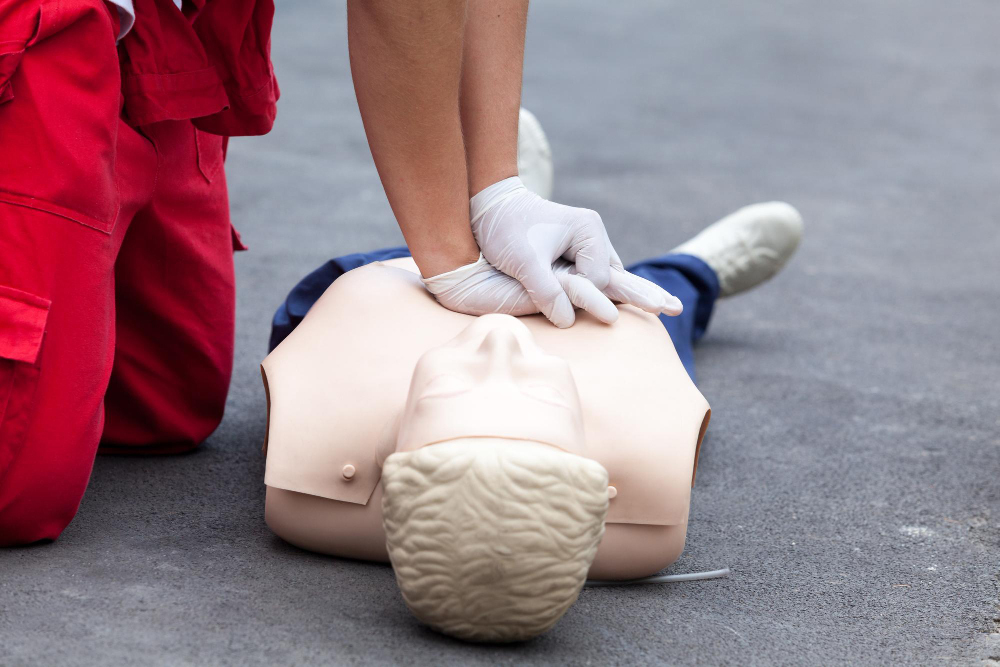
First aid training for childcare Workers helps develop the knowledge needed to respond to injuries and medical emergencies involving infants and children.
Training may cover:
- Basic life support and CPR.
- Responding to choking incidents.
- Managing bleeding, burns and minor injuries.
- Recognising asthma emergencies.
- Responding to severe allergic reactions.
- Contacting emergency services.
- Recording and reporting incidents.
Under Australia’s National Regulations, centre-based services must ensure that appropriately qualified staff are present and immediately available to respond to emergencies. This includes approved first aid, anaphylaxis management and emergency asthma management training.
It's not required for every childcare assistant to have all of these qualifications by themselves. To make sure coverage is safe all day, businesses might need to ask more workers to take the necessary training.
Why HLTAID012 Practical Training Is Important
HLTAID012, Provide First Aid in an Education and Care Setting, is a nationally recognised unit designed for workers who may need to respond to emergencies involving infants and children.
HLTAID012 practical training covers child-focused emergency response skills, including first aid, asthma and anaphylaxis emergencies. It also involves practical assessment so participants can demonstrate their ability to respond to simulated incidents.
The training may include:
- Assessing an injured or unwell child.
- Providing appropriate first aid.
- Responding to infant and child choking.
- Managing asthma and anaphylaxis emergencies.
- Communicating with emergency services.
- Completing incident reports.
Candidates should choose a training provider offering the current approved unit and check ACECQA’s requirements before enrolling. They should also understand that CPR and other refresher requirements may have different renewal periods.
Learning About Workplace Safety in Childcare
Children, staff, and guests are all protected in a safe childcare setting. It is the duty of every assistant to report hazards and adhere to workplace protocols.
Childcare workplace safety involves identifying risks and taking suitable steps to prevent injuries, illness and other incidents.
Important safety practices include:
- Checking indoor and outdoor play areas for hazards.
- Keeping walkways and emergency exits clear.
- Following safe cleaning and infection control procedures.
- Supervising children during meals, sleep and outdoor play.
- Following food allergy and medication instructions.
- Using equipment according to workplace guidelines.
- Reporting accidents, hazards and safety concerns promptly.
Childcare assistants should also understand emergency evacuation procedures and know where to find first aid equipment. Regular communication with supervisors helps maintain consistent safety practices.
How to Get Ready for a Job as a Childcare Assistant
By being well-prepared before applying, candidates can increase their chances of landing a job.
Think about these actions:
Verify the prerequisites: Examine the job description to see if you need an authorised Certificate III or another certification.
Complete relevant training: Consider first aid, child protection and workplace safety courses.
Arrange your WWCC: Apply for the appropriate clearance in the state or territory where you intend to work.
Build practical experience: Look for placements, volunteering opportunities or entry-level support positions.
Prepare your resume: Highlight communication, teamwork, responsibility and any experience working with children.
Practise interview questions: Prepare examples that demonstrate how you would handle challenging situations and support children’s wellbeing.
During an interview, employers may ask how you would respond to an upset child, manage a safety concern or communicate with a parent. Give clear examples that demonstrate patience, good judgement and a child-focused approach.
In conclusion
Patience, communication, practical knowledge, and a strong dedication to children's safety are necessary for a successful job in childcare. Candidates can show that they are prepared for these duties by providing pertinent credentials, first aid training, and work experience.
You can find free CPD courses and useful information about different healthcare and care topics on the Care Learning portal. These tools can help you learn more, find information on important subjects, and improve your work skills.
To find out more and grow in your childcare career, apply or sign up with Care Learning today.
Frequently Asked Questions
1. What are the requirements for becoming a childcare assistant in Australia?
Requirements depend on the role and service. A Certificate III in Early Childhood Education and Care that has been approved is often required for jobs as an educator. Some beginner-level support jobs might have different needs.
2. Is a Working with Children Check required for childcare positions?
People who work with children usually need a valid Working with Children Check or the proper clearance from their state or territory. Requirements and application processes vary across Australia.
3. Is HLTAID012 compulsory for every childcare assistant?
Not necessarily. Centres need to have staff who are properly trained to help in case of emergencies. However, some employers might ask childcare assistants to have HLTAID012.
4. What abilities are crucial for childcare workers?
The ability to communicate, be patient, observe, work in a team, be creative, and solve problems are all crucial. Employees must be aware of how to keep kids safe, uphold hygienic practices, and give them the care and attention they require.
5. Can I work in childcare while I'm studying for a qualification?
Some people might be able to work even if they are still working on an approved qualification, as long as they meet the necessary conditions. Before you apply, make sure to check the relevant ACECQA guidelines and the employer's conditions.