Childcare First Aid Training: Get Practical Skills with HLTAID012
Children can experience accidents, injuries, and sudden health concerns without warning, making it important for childcare professionals to know how to respond calmly and appropriately. Childcare first aid training helps educators and carers develop practical skills for managing emergencies involving infants and children while waiting for further medical assistance. The right training can build confidence, improve emergency preparedness and support safer childcare environments.
What Is HLTAID012?
- HLTAID012 is a nationally recognised Australian first aid unit focused on providing an emergency first aid response in an education and care setting.
- It is designed for people who may have responsibility for children and infants as part of their work.
- HLTAID012 childcare first aid focuses on responding to situations that can occur in education and care environments.
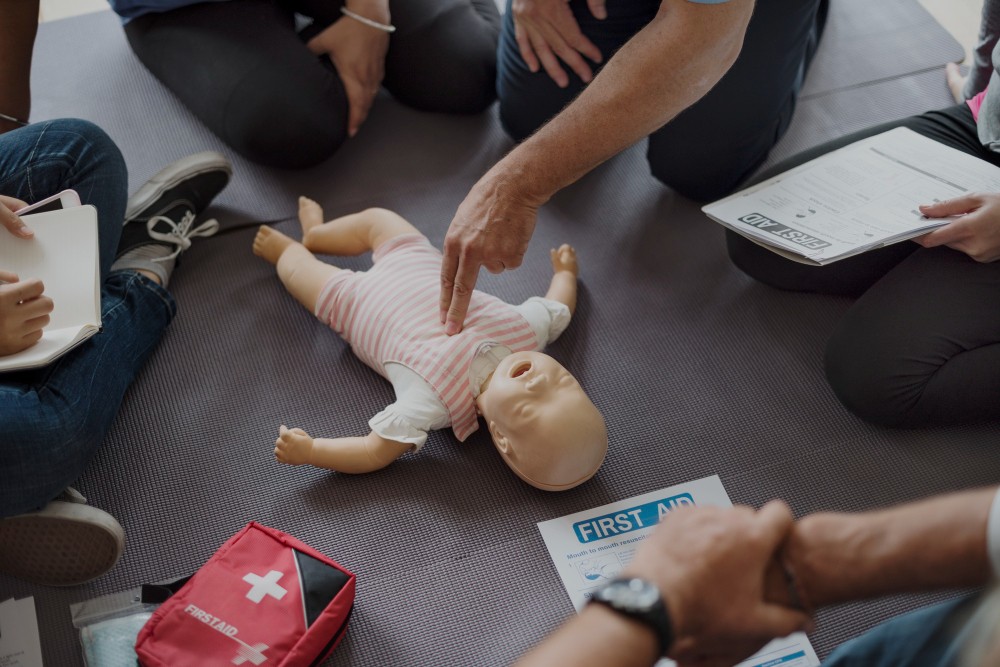
- The training considers the specific needs of babies and young children, who may require different approaches from adults during an emergency.
- The course combines knowledge with practical activities, allowing participants to develop the skills needed to assess an emergency, provide an appropriate response, and seek additional medical support when necessary.
Why Is First Aid Training Important in Childcare?
Childcare settings involve active environments where children are learning, playing, eating and interacting with others. Minor accidents can happen during everyday activities, while more serious emergencies may occasionally occur.
Childcare first aid training gives professionals the opportunity to prepare for these situations before they happen. Rather than trying to learn what to do during an emergency, participants can develop their understanding and practise appropriate responses in a structured environment.
First aid knowledge can also support quicker decision-making. Recognising an emergency, identifying immediate risks and knowing when to contact emergency services are important parts of responding safely.
What Does HLTAID012 Cover?
The exact delivery of training can vary between providers, but participants generally learn how to respond to a range of first aid situations involving children and infants.
CPR and AED
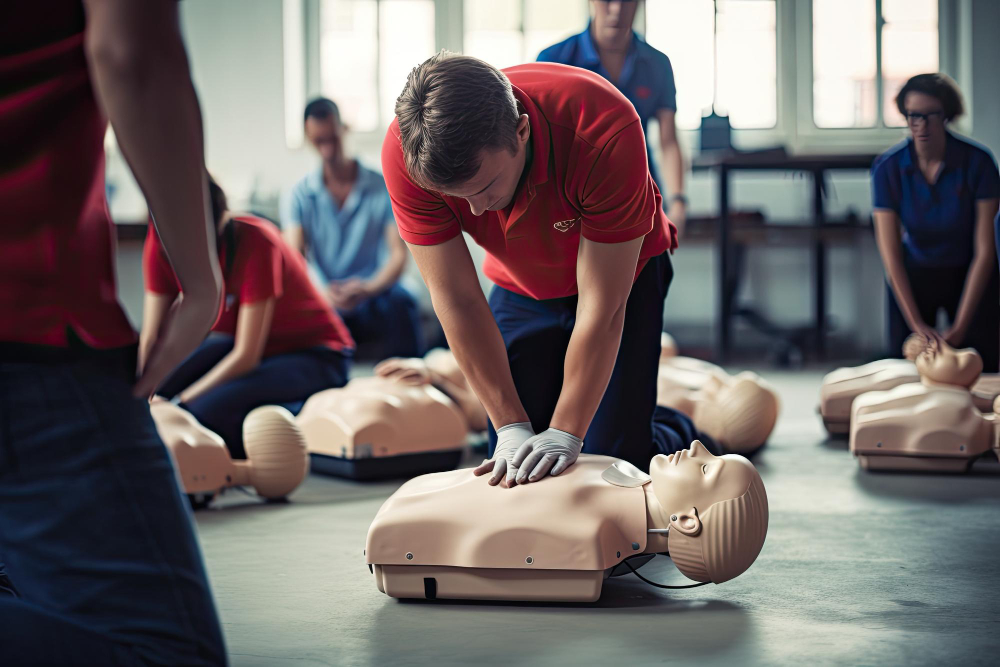
Cardiopulmonary resuscitation is an important part of emergency response training. Participants learn how to respond when an infant or child is unresponsive and not breathing normally.
Training may also cover the use of an automated external defibrillator and explain how it can be used as part of an emergency response when appropriate.
Choking
Choking can become a serious emergency, particularly in young children. Training helps participants understand how to recognise choking and respond appropriately according to the age and circumstances of the child.
Allergic Reactions and Anaphylaxis
Childcare professionals may care for children with known allergies. Training can help participants recognise signs of a severe allergic reaction and understand the appropriate emergency response.
Asthma
Participants can learn about recognising asthma-related symptoms and providing appropriate first aid within their level of training and workplace procedures.
Injuries and Bleeding
Falls, cuts, bruises and other injuries can occur during play and everyday activities. First aid education can help childcare workers assess injuries and provide suitable initial care while determining whether further medical attention is required.
Burns and Scalds
Guidance on how to handle these injuries and identify circumstances that call for medical treatment can be obtained through training.
The Significance of Practical Training
Theoretically, knowing how to administer first aid is helpful, but in an emergency, people must take action rather than just memorise facts. Participants have the chance to practice methods and learn the proper order of actions through practical exercises.
A childcare first aid course can include demonstrations, practical exercises and assessment activities that allow learners to apply what they have studied.
Hands-on learning can also help participants understand how to remain composed when dealing with an injured or unwell child. Confidence should not replace professional judgement, but appropriate preparation can make it easier to respond in an organised manner.
Who Should Consider This Training?
First aid training for childcare can be relevant to a range of professionals working with babies and young children.
This may include:
- Early childhood educators
- Childcare workers
- Daycare staff
- Preschool educators
- Family day care professionals
- Education support staff
- Other workers responsible for children
Employers and regulatory requirements may determine which first aid qualifications are required for particular roles. Anyone considering training should therefore check the requirements that apply to their workplace and position.
What Should You Look for Before Enrolling?
Choosing the right provider is an important part of completing appropriate first aid training. Before enrolling, check whether the course meets the requirements relevant to your role and whether practical assessment is included.
It is also worth checking the training format. Some providers may offer online learning components, while practical skills and assessment may require face-to-face attendance.
Consider the following before booking:
- Course content
- Practical training requirements
- Assessment arrangements
- Training location
- Course duration
- Certification requirements
- Provider registration and recognition
- Refresher expectations
Knowing these details ahead of time can help you pick training that fits your job duties.
Building Confidence for Real Emergencies
First aid training isn't about being able to guess every possible emergency that could happen. It's about creating a clear way to handle situations when something unexpected occurs.
A childcare professional may need to remain calm, assess the situation, protect the child from further harm, provide appropriate first aid and seek emergency assistance when required. Clear communication with colleagues and parents or guardians may also form part of managing an incident.
Checking workplace emergency plans often helps support official training sessions. Staff need to know where the first aid supplies are stored, who is in charge of handling emergency calls, and what steps they should follow when reporting incidents at their job.
How Can First Aid Training Support Your Career?
First aid competency can complement other professional skills required in education and care. It demonstrates that a worker has taken steps to prepare for situations where a child may need immediate assistance.
For people who are starting a career in childcare, getting the right training is an important part of learning how to work safely with children. For skilled workers, keeping up with important knowledge can help them continue learning and growing in their careers.
First aid certification is an extra professional skill that should be seen as a helpful addition, not something that replaces the necessary qualifications or other requirements needed to work in childcare. It helps build the knowledge and skills needed to keep children in a safe, caring, and well-prepared setting.
Frequently Asked Questions
1. What is HLTAID012?
HLTAID012 is an Australian nationally recognised unit focused on providing an emergency first aid response in an education and care setting, including situations involving children and infants.
2. Who should complete HLTAID012?
This unit is useful for people in education and care jobs who are responsible for looking after children. Before joining, make sure to check the specific requirements of the workplace.
3. Does the training include practical assessment?
First aid training usually includes hands-on activities because people need to show they can perform the necessary skills. The specific structure of the assessment can vary based on the organisation that provides the training.
4. Can childcare workers complete the training online?
The way you learn depends on the company that gives the training. Some programs might teach the theory part online, but the hands-on training and skill checks might require you to be present at a real training center. Make sure to check the delivery and evaluation plan before you sign up.
5. Why is first aid important for childcare professionals?
Childcare workers might have to deal with accidents, sickness, or sudden problems that happen out of the blue. Good training helps them gain the knowledge and real skills they need to act in a clear and responsible manner.
Conclusion
Working with children comes with an important responsibility to provide a safe environment and respond appropriately when unexpected situations arise. Practical first aid education can help childcare professionals prepare for common emergencies involving infants and children while developing greater confidence in their response.
Choosing suitable training, understanding the practical requirements, and keeping knowledge current can all contribute to better emergency preparedness. Whether you are entering the childcare sector or developing your existing professional skills, the right training can be a valuable part of your career development.
Explore relevant learning opportunities, strengthen your professional knowledge, and apply or register today.
Care Learning is a platform where you can get free CPD courses and enough information on multiple topics.