Hand Hygiene in General Practice: A Complete Guide
Hand hygiene is one of the simplest and most effective ways to reduce the spread of infection in general practice. From reception areas and consultation rooms to treatment spaces and clinical procedures, clean hands play an important role in protecting patients, healthcare professionals, and the wider community. Understanding hand hygiene and infection control, recognising hand hygiene importance, and consistently applying appropriate practices are essential components of hand hygiene in healthcare and effective infection prevention and control.
Why Is Hand Hygiene Important in General Practice?
General practices bring together people with different health conditions in shared environments. Patients may attend for routine appointments, vaccinations, wound care, diagnostic procedures, or treatment of acute illnesses. Some may also have a higher risk of infection because of age, chronic conditions, or reduced immunity.
Hands can easily pick up microorganisms from people, surfaces, equipment, and other objects. Without appropriate cleaning, these microorganisms can be transferred to another person or surface.
This is why hand hygiene importance extends beyond preventing obvious contamination. Consistent hand hygiene can reduce opportunities for microorganisms to move between patients, healthcare workers, equipment, and the clinical environment.
It is also important to remember that wearing gloves does not replace hand hygiene. Gloves can become contaminated and may transfer microorganisms if they are used incorrectly. Hands should therefore be cleaned at appropriate times before and after glove use.
When Should Healthcare Professionals Clean Their Hands?
Hand hygiene should be performed whenever there is a risk of transferring microorganisms. In general practice, this includes before and after contact with patients and whenever hands may have become contaminated.
Important situations include:
- Before touching a patient
- Before clean or aseptic procedures
- After potential exposure to body fluids
- After touching a patient
- After touching the patient’s surroundings
- After removing gloves
- Following a bathroom visit
- Prior to handling or cooking food
- When hands are obviously filthy
Depending on the activity and regional infection control regulations, the specific requirements may change. Healthcare workers should adhere to the protocols set forth by their organisation as well as any pertinent clinical recommendations.
Hand Hygiene and Infection Control
Effective hand hygiene and infection control should be part of a wider infection prevention strategy rather than treated as an isolated task.
General practices should have appropriate policies covering hand hygiene, personal protective equipment, environmental cleaning, waste management, equipment decontamination, respiratory hygiene, and management of infectious conditions.
Healthcare professionals should be aware of how these actions complement one another. Cleaning hands before to a clinical procedure, for instance, can assist in minimising contamination, and proper environmental cleaning helps keep bacteria from building up on regularly touched surfaces.
Staff members must feel free to remind one another of proper procedures and voice concerns without fear of retaliation in order to have a robust infection-control culture.
Hand Washing vs Alcohol-Based Hand Rub
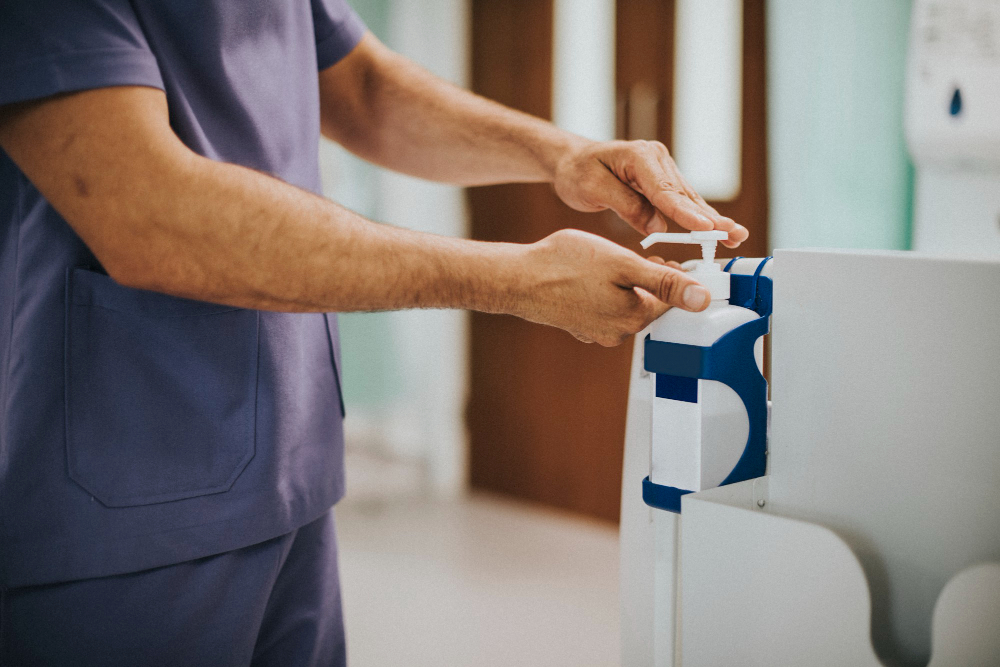
There are two common approaches to hand hygiene: washing with soap and water and using an alcohol-based hand rub.
Alcohol-based hand rub can be convenient when hands are not visibly dirty and is particularly useful in clinical environments because it can be used quickly between many patient-care activities.
Soap and water are appropriate when hands are visibly soiled and in situations where handwashing is specifically required by local infection-control guidance.
Healthcare professionals should know which method is appropriate for the circumstances rather than automatically using one approach for every situation.
Proper Hand Washing Techniques
Using the right technique is just as important as remembering to clean your hands.
For proper hand washing techniques, healthcare professionals should generally:
- Wet hands with clean running water.
- Apply an appropriate amount of liquid soap.
- Rub hands together thoroughly.
- Clean the palms, backs of the hands, fingers, and spaces between the fingers.
- Pay particular attention to fingertips, thumbs, and areas around the nails.
- Continue rubbing for an appropriate duration according to local guidance.
- Rinse hands thoroughly under running water.
- Dry hands completely using a suitable disposable towel or approved drying method.
- Use the towel where appropriate to avoid recontaminating clean hands when turning off taps.
Rushing through the process can leave areas of the hands inadequately cleaned. Particular attention should be given to thumbs, fingertips, between the fingers, and around the nails, as these areas can be overlooked.
Common Hand Hygiene Mistakes
Even when healthcare professionals understand the importance of hand hygiene, common mistakes can reduce its effectiveness.
These may include:
- Cleaning only the palms
- Forgetting thumbs or fingertips
- Not cleaning between fingers
- Rushing the process
- Failing to clean hands after removing gloves
- Wearing rings, watches, or other items that interfere with effective cleaning
- Touching contaminated surfaces immediately after cleaning hands
- Using insufficient hand-rub product
- Ignoring hand hygiene because gloves are being worn
Regular education and observation can help identify these issues and reinforce good practice.
Hand Hygiene in Healthcare Settings
Hand hygiene in healthcare is particularly important because professionals frequently move between patients, clinical equipment, documentation, and environmental surfaces.
A nurse may examine one patient, adjust equipment, document information, and then attend to another patient. Each interaction creates potential opportunities for microorganisms to move between people and surfaces.
Healthcare workers should therefore consider hand hygiene as part of every patient interaction rather than something performed only when hands look dirty.
General practices can also support compliance by ensuring appropriate handwashing facilities and hand-rub products are readily accessible in relevant clinical areas.
Encouraging Improved General Practice Compliance
It takes more than just reminding employees to wash their hands to improve compliance. Correct behavior should be simple and consistent in the practice setting.
Effective actions may consist of:
Accessible facilities
Handwashing facilities should be available where they are needed, with appropriate soap, water, and drying facilities.
Staff education
Regular training can reinforce when and how hand hygiene should be performed and explain why it matters.
Unambiguous policies
Written procedures offer a uniform approach across various jobs and assist personnel in understanding the practice's expectations.
Observation and comments
It is possible to determine areas that require improvement by observing compliance. Patient safety should be the main focus of constructive criticism.
Leadership
Practice managers and senior clinicians can influence workplace culture by demonstrating good practice themselves and supporting staff education.
Protecting Skin While Maintaining Hygiene
Frequent hand cleaning can contribute to skin dryness or irritation, particularly for professionals who perform hand hygiene many times throughout a working day.
Healthcare workers should follow their organisation’s recommendations for appropriate skin care. Maintaining healthy skin is important because damaged skin can make hand hygiene uncomfortable and may affect compliance.
In order to address probable causes, employees should report persistent irritation or skin issues using the proper workplace procedures.
The Function of Visitors and Patients
Healthcare workers are not the only ones who need to practice hand hygiene. Visitors and patients can also help prevent infections.
Practices can encourage patients to clean their hands when appropriate, particularly after using shared facilities, coughing or sneezing, or before eating.
Clear signage and accessible hand hygiene facilities can help make appropriate behaviour easier for everyone entering the practice.
Creating a Culture of Infection Prevention
The strongest approach to infection prevention and control is one where hand hygiene becomes an expected part of everyday practice.
Healthcare professionals should understand that the goal is not simply to comply with a rule. It is to reduce avoidable risks and protect people who may already be vulnerable to infection.
As a result, training should incorporate both real-world clinical cases and practical demonstrations. Employees should be aware of when hand hygiene is required, the proper technique, and how to carry it out successfully.
Concluding Remarks
A very important part of keeping general practice safe is making sure people wash their hands properly. Healthcare workers can help greatly in reducing the risk of infections by understanding how important hand hygiene is, using the right way to wash their hands, and making these good habits a regular part of taking care of patients.
Individual behavior, easily accessible facilities, suitable regulations, frequent education, and a strong organisational commitment to infection prevention and control are all necessary for good hand hygiene in the healthcare industry.
Care Learning is a platform where you can get free CPD courses and enough information on multiple topics, helping healthcare professionals expand their knowledge and support their continuing professional development. Apply or register today.
FAQs
1. Why is it important to keep hands clean in general practice?
Keeping hands clean can help stop germs from spreading between doctors, patients, tools, and surfaces. It is important for keeping patients safe and preventing infections.
2. When should medical personnel wash their hands?
Before and after patient interaction, before clean procedures, after possible contact with bodily fluids, after handling patients or their surroundings, and after taking off gloves, hands should be cleansed at the proper times.
3. Does wearing gloves replace hand hygiene?
No. Gloves can become contaminated and do not replace appropriate hand hygiene. Hands should be cleaned at the appropriate times before and after glove use.
4. How should one wash their hands properly?
Wetting hands, using soap, rubbing all hand surfaces—including the spaces between fingers and the areas around thumbs and fingertips—rinsing, and completely drying hands are all part of proper technique.
5. When should hand rubs be replaced with soap and water?
When hands are obviously unclean, soap and water should be used, as well as whenever local infection control guidelines dictate. When hands are not obviously dirty, an alcohol-based hand rub could be appropriate.