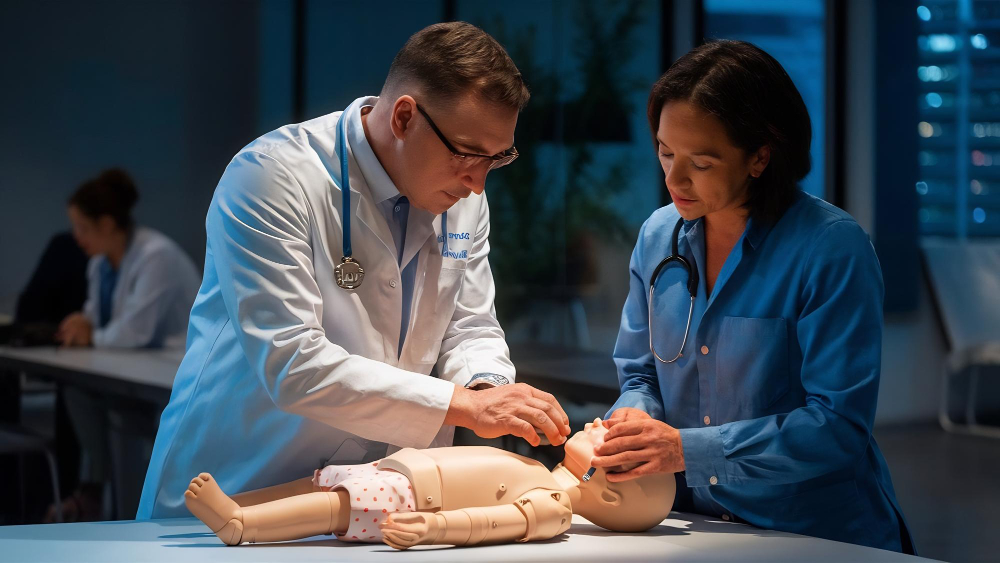
How Mandatory Training Helps Aged Care Workers in Australia Deliver Safe Care

The need for caring, competent, and well-trained aged care workers has expanded due to Australia's aging population. Anyone working in residential aged care, home care, disability support, or community healthcare must complete the mandatory training for aged care workers in Australia. This training gives employees the information, practical skills, and self-assurance they need to achieve professional and legal requirements while providing safe, person-centered care. Continued education is essential to upholding good standards of care, regardless of experience level.
The Relevancy of Mandatory Training in Elder Care
Complex physical, emotional, and cognitive care demands are common among older persons. Aged care providers help people with everyday tasks, medical support, mobility, nutrition, dementia care, and mental health. Workers must adhere to defined care standards and comprehend current best practices in order to deliver this service safely.
Professionals benefit from mandatory training:
- Provide efficient and safe care.
- Reduce the risk of mishaps and injuries.
- Make infection control procedures better.
- Preserve the rights and dignity of senior citizens.
- React to emergencies in a suitable manner.
- Meet employer and industry requirements.
Regular refresher training also ensures staff remain informed about changing regulations and evidence-based care practices.
What Does Mandatory Training Usually Include?
The topics covered vary across employers, but most training programs include essential areas that support safe, high-quality care.
Common subjects include:
- Prevention and management of infections.
- Safe moving methods and manual handling.
- Knowledge of dementia.
- Knowledge of medications.
- Emergency reaction and first aid.
- Protecting adults who are at risk.
- Safety from fire.
- Person-centered treatment.
- Communication skills.
- Duty of care and professional responsibilities.
Together, these topics help aged care workers deliver consistent and compassionate support.
Online Learning Makes Training More Accessible
The healthcare worker of today frequently juggles continual professional development, family obligations, and shift work. Students can study at their own pace without interfering with their work schedules by completing online aged care courses in Australia.
Online education has a number of benefits.
- Adjustable study times.
- You can access it from anywhere.
- Learning at your own speed.
- Digital tests.
- Quick access to educational resources.
- Tracking progress is simple.
Healthcare providers may continue to deliver high-quality treatment while maintaining compliance due to this flexibility.
Can You Access Free Learning Opportunities?
Professional development does not always require a significant financial investment. Many organizations now provide free online aged care courses in Australia that introduce key healthcare topics and support continuous learning.
These classes benefit employees:
- Review key information.
- Acquire new abilities.
- Remain up to date on best practices.
- Get ready for further study.
- Show a dedication to your professional growth.
Opportunities for free education are especially beneficial for anyone returning from a career gap or entering the aged care industry.
Selecting Appropriate Aged Care Programs
In order to develop practical skills that directly complement workplace obligations, it is crucial to choose appropriate aged care courses.
Common subjects of study include:
- Care for dementia.
- Palliative treatment.
- Knowledge of mental health.
- Prevention of falls.
- Control of infections.
- Hydration and nutrition.
- Interaction.
- Support for behavior.
- Knowledge of elder abuse.
- Cultural proficiency.
Selecting courses that fit your role might help you become more confident and enhance patient outcomes.
How to Study Aged Care in Australia
Many people ask how to study aged care in Australia before entering the profession. There are several pathways depending on your career goals and previous experience.
Typical choices consist of:
- Vocational training and education.
- Organizations that are registered for training.
- Courses for online professional development.
- Learning in the workplace.
- CPD stands for continuing professional development.
To improve their academic knowledge and practical abilities, many students mix formal education with online learning.
Understanding Aged Care Requirements Australia
Meeting aged care requirements in Australia involves more than completing an initial qualification. Employers often expect workers to maintain current knowledge through regular mandatory training and continuing professional development.
Requirements could consist of:
- Workplace training is required.
- Background checks and police.
- Certification in first aid.
- Education on infection prevention.
- Training on safe manual handling.
- Continued professional education.
Both career advancement and high-quality care are supported by maintaining compliance.
Skills Developed Through Mandatory Training
Mandatory education helps aged care workers strengthen a wide range of professional skills.
Interaction
Effective communication with residents, relatives, and interdisciplinary healthcare teams is taught to staff members.
Clinical Knowledge
Training enhances knowledge of medication safety, infection control, and identifying changes in residents' health.
Safe Care Practices
Healthcare professionals develop confidence in delivering safe manual handling, mobility support, and personal care.
Problem-Solving
Workers become better prepared to respond calmly and appropriately during challenging situations.
Professional Obligation
Mandatory education promotes accountability, secrecy, respect, dignity, and ethical behavior.
Benefits of Ongoing Training for Careers
Employers and healthcare professionals both gain from ongoing education.
Regularly trained employees frequently encounter:
- Increased self-assurance
- Enhanced clinical expertise.
- Improved job prospects.
- Greater advancement in the workplace.
- Improved productivity at work.
- Increased credibility in the workplace.
A competent workforce that can provide safe, high-quality care is also advantageous to healthcare organizations.
Supporting Better Outcomes for Older Australians
Mandatory training ultimately benefits the people receiving care. Well-trained staff is better equipped to recognize risks, prevent avoidable incidents, communicate effectively, and provide compassionate, person-centered support.
Ongoing education will continue to be one of the most significant investments healthcare professionals can make in their careers as Australia's aged care industry develops.
Conclusion
Making sure aged care workers in Australia complete required training is a key part of providing safe, respectful, and good-quality care. Whether you're starting your career or looking to keep learning at work, always learning helps you get better at your job, makes you feel more sure of yourself, and leads to better results for older people. By getting formal training and keeping up with learning, aged care workers can have fulfilling careers and help meet the changing needs of Australia's healthcare system.
Healthcare practitioners can find useful learning resources on a variety of healthcare issues and take advantage of free CPD courses on Care Learning. Care Learning promotes lifelong professional development for healthcare professionals and aged care workers with its adaptable online curriculum and useful course materials. Take the next step in your career growth by signing up or submitting your application right now.
Frequently Asked Questions (FAQs)
1. Why is it important that care workers for older people in Australia are required to have training?
Australia has a required training program for workers in aged care that helps professionals meet industry and workplace standards, ensuring they can provide safe and high-quality care.
2. Can I finish Australian online courses for elder care from home?
Indeed. You can study whenever it's convenient for you because a lot of online elder care courses in Australia are self-paced.
3. Are there any free online courses for aged care in Australia?
Yes, to encourage professional growth and continuing education, a number of providers in Australia provide free online courses on aged care.
4. How can I study aged care in Australia?
If you’re wondering how to study aged care in Australia, you can choose vocational qualifications, registered training providers, or online CPD courses depending on your career goals.
5. What are Australia's aged care regulations for medical professionals?
Requirements for aged care in Australia may include ongoing professional development, compliance checks, required workplace training, and pertinent qualifications.