Online First Aid Course Australia: Learn Essential Skills for Emergency Response
Emergencies can come up suddenly, which is why knowing first aid is a crucial skill that everyone, no matter their age, should have. An online first aid course in Australia provides a convenient and easy-to-access method for gaining the confidence and real-world knowledge necessary to handle medical emergencies effectively. Whether you're a healthcare worker, teacher, parent, caregiver, or just someone who wants to be ready, online learning lets you develop important skills for emergencies from home, and you can learn at your own speed.
The Importance of First Aid Knowledge
When a person is sick or hurt, first aid is given until a doctor or nurse comes to help them. In times of emergency, acting fast can help lower risks, stop problems from getting bigger, and in some situations, even help save someone's life.
Learning first aid is not only for healthcare workers. People from every job and life situation might face sudden problems at home, at work, at school, during play or exercise, or while on a trip. Knowing how to stay calm and give the right response can really help in important moments.
Why Enroll in an Online First Aid Course?
While traditional classroom instruction is still beneficial, first aid training is now more accessible than ever thanks to online learning. Many students value being able to fit their studies around their personal, professional, and family obligations.
An online program makes it simpler to reinforce information and enhance long-term comprehension by allowing participants to review classes as needed. Videos, tests, interactive learning resources, and real-world examples all aid in improving students' comprehension of emergency protocols.
In Australia, many people take First Aid classes because they provide organized teaching at a pace that suits each person.
Essential Skills You Can Learn
A full first aid course teaches people the basic ideas of helping someone during an emergency. These useful skills help people act with confidence until help from a professional is ready.
Some of the most important topics typically include:
- Assessing emergency situations safely
- Understanding the DRSABCD action plan
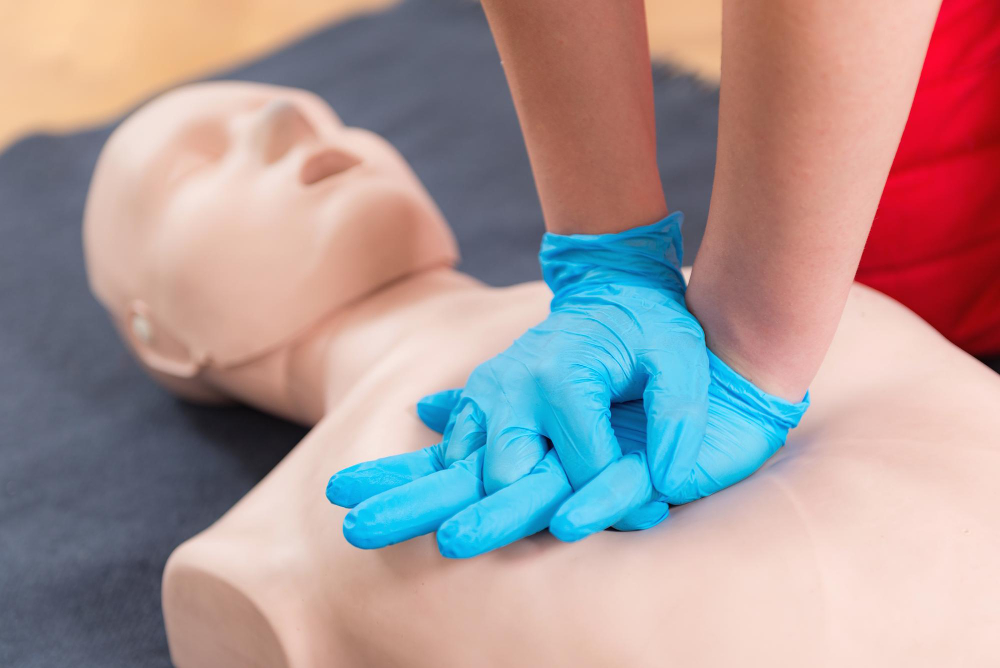
- Performing cardiopulmonary resuscitation (CPR)
- Managing unconscious casualties
- Controlling severe bleeding
- Treating burns and scalds
- Managing fractures and sprains
- Responding to choking incidents
- Recognizing strokes and heart attacks
- Managing seizures
- Assisting people experiencing asthma attacks
- Responding to allergic reactions and anaphylaxis
Developing these skills improves confidence while promoting safer communities and workplaces.
Compatibility with Emergency Response and CPR
One of the most important emergency skills anyone can learn is cardiopulmonary resuscitation. Until emergency services arrive, CPR helps keep important organs receiving oxygen and blood circulation.
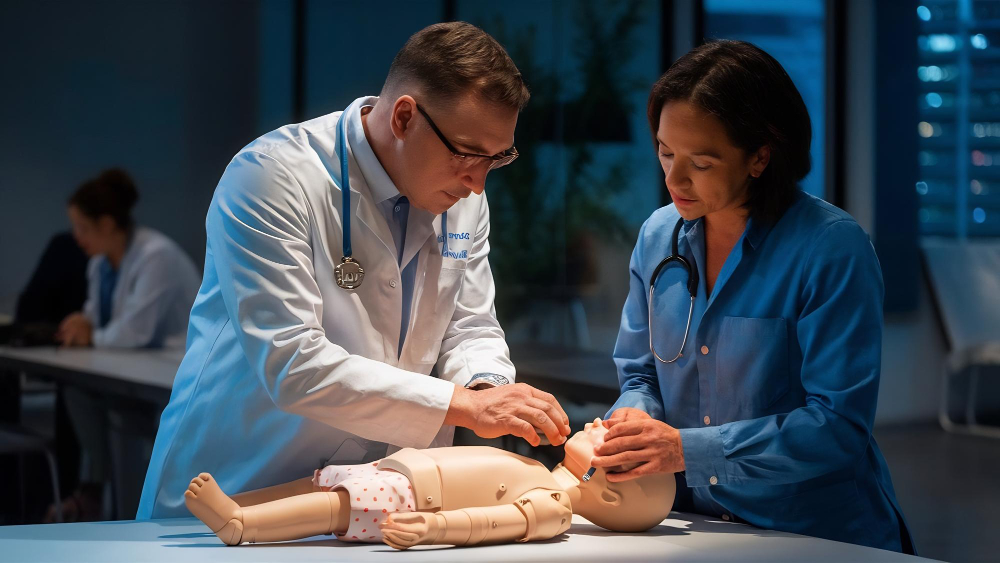
To acquire the proper methods for resuscitation of adults, children, and infants, many students sign up for an online first aid and CPR course in Australia. Understanding when and how to do CPR boosts confidence in stressful settings and promotes readiness for life-threatening events.
The operation of automated external defibrillators (AEDs) and when to use them in conjunction with CPR are also covered in courses.
Practical Learning Through Real-Life Scenarios
Good first aid education goes beyond reading theoretical information. Many online programs include interactive case studies that encourage learners to apply their knowledge to realistic situations.
These first aid training exercises might include spotting dangers, deciding which injuries need help right away, keeping an eye on people who are hurt, and choosing the best way to act during an emergency. Real-world situations allow students to develop their ability to think critically and improve their skills in handling emergencies.
People learn to use first aid skills in real-life situations by looking at actual events that happen around them.
Supporting Workplace Health and Safety
Many Australian workplaces encourage employees to develop first aid knowledge as part of their health and safety responsibilities. Construction sites, schools, childcare facilities, healthcare settings, hospitality businesses, sporting organizations, and community groups all benefit from having trained individuals available during emergencies.
In Australia, first aid training makes the workplace safer for all employees by teaching them how to manage situations. Additionally, employers search for workers who are capable of managing medical crises until emergency assistance comes.
Ongoing training keeps first aid knowledge current and consistent with the most recent suggested practices in various businesses.
Building Confidence During Medical Emergencies
One of the greatest benefits of first aid education is increased confidence. Emergencies are often stressful, and uncertainty can delay important actions.
Learning how to organize the way you look at situations can help people stay calm, think clearly about what is happening, and offer the right support without feeling too overwhelmed. Confidence grows when you keep learning, watch real-life examples, and understand why each first aid step is done that way.
People who have training can handle emergencies better and help keep themselves and others safe.
Opportunities for Learning Throughout Australia
There is first aid education accessible all around Australia, and students can select programs based on their area and unique situation.
Southerners can consider taking a first aid course in South Australia to study adaptable online modules and acquire locally recognized emergency response skills.
In a similar vein, students looking to further their education in Western Australia can sign up for a first aid course that offers easily accessible instruction that fosters both professional and personal growth.
Geographical location is no longer a barrier to enhancing disaster preparedness thanks to online learning.
Benefits for Healthcare Professionals and Caregivers
Healthcare professionals regularly encounter situations where rapid assessment and immediate intervention are essential. Although experienced clinicians already possess medical knowledge, ongoing first aid education reinforces best practice and strengthens emergency response skills.
Caregivers, people who support individuals with disabilities, professionals who care for older adults, teachers in childcare settings, and volunteers in the community all gain from staying up to date with their knowledge through ongoing learning. Knowing how to handle emergencies makes people feel more confident and helps create a safer place for those who need extra care.
Continuous learning shows a dedication to improving one's profession and providing better care.
The Importance of First Aid Certification
Completing recognized training provides evidence that learners have developed essential emergency response knowledge. While individual certification requirements may vary depending on employers or regulatory standards, many organizations value candidates who continue updating their first aid knowledge.
Getting first aid certification in Australia shows you are proactive, ready for emergencies, and dedicated to keeping places safe whether at work or in your personal life. It can also help improve job chances in areas like healthcare, education, community services, sports, and many other fields.
Besides helping with career growth, getting certified shows that a person knows important emergency steps and is more prepared to help others in need.
Preparing for Real-Life Emergencies
The ultimate goal of first aid education is preparation. No one can predict when an emergency will occur, but everyone can choose to develop the knowledge needed to respond appropriately.
Knowing first aid helps people act with confidence in situations like when someone gets sick suddenly in a public place, when a family member has a medical emergency, when a coworker gets hurt at work, or when someone is in a car accident. It gives them the skills to help until professional medical help arrives.
Investing time in first aid education today may one day make a life-changing difference for someone who needs immediate help.
Conclusion
Learning first aid is one of the most useful things you can do to grow both personally and in your career. First aid knowledge helps you feel ready to help whether it's a small injury or a serious emergency, and it gives you the courage to take action when time is really important. Online learning makes it easier than ever for people in Australia to get high-quality education, helping them develop important skills for handling emergencies on their own schedule.
Whether you want to improve your work abilities, get ready for family emergencies, or help with your job in healthcare or community services, first aid training gives you useful skills that can really help in real situations. By learning how to assess emergencies, perform CPR, control bleeding, manage choking, and use other important skills, you can better help keep the people around you safe and healthy.
Care Learning is a website where you can find free continuing professional development courses and useful learning materials on many different subjects related to healthcare and career growth. Whether you're looking to grow your clinical knowledge or try out new learning areas, Care Learning provides flexible options to help you keep learning and developing. Apply or register today.
Frequently Asked Questions
1. Who should take an online first aid course in Australia?
An online first aid course is good for anyone who wants to learn how to respond in emergencies. This is especially helpful for healthcare workers, teachers, child caregivers, parents, people who take care of others, employees at work, sports trainers, and volunteers in the community.
2. What topics are typically covered in an online first aid course?
Checking for emergencies, performing CPR, helping with choking, stopping heavy bleeding, treating burns, handling broken bones, managing allergic reactions, managing asthma attacks, identifying strokes, spotting heart attacks, and providing basic care to patients until help arrives are all covered in most courses.
3. Can online first aid training help improve workplace safety?
Yes. First aid training increases employee confidence during emergencies and supports safer working environments. Many organizations encourage staff to complete first aid education as part of their workplace health and safety programs.
4. Why is CPR an important part of first aid training?
CPR keeps blood flowing and delivers oxygen to important organs when the heart stops, until help arrives. Learning the right way to perform CPR can greatly increase a person's chances of surviving a serious emergency.
5. Why should I keep learning about first aid?
Emergency care advice and the best ways to handle emergencies keep changing and improving over time. Regular training sessions keep your knowledge up to date, boost your confidence, and help you be ready to act properly in case of an emergency.