What Qualifications Do You Need to Work in Aged Care in Australia?
Written by
Daniel BrooksReviewed by
Ken
Published on November 18, 2026
Are you interested in becoming an aged care worker but unsure about the qualifications you need?
Understanding the aged care qualifications in Australia can help you identify the right training and prepare for employment. The good news is that some entry-level aged care positions do not require formal qualifications. However, employers may look for relevant certifications, practical skills and experience in supporting older people.
This guide helps you understand the qualifications and requirements you need to work as an aged care worker in Australia. It covers relevant certifications, background screening checks, vaccination requirements and the different career opportunities available in the aged care sector.
Aged Care Qualifications in Australia
Here are some industry-standard aged care training certificates that improve your employment opportunities in Australia's older adult support services.
1. Certificate III in Individual Support
This is the basic entry-level qualification to become an aged care support worker. Certificate III in Individual Support is for anyone who has an interest in taking care of aged people. It provides both theoretical and practical experience in offering personalized support to people in aged care, home and community care, and disability settings.
2. Certificate IV in Ageing Support
If you’re planning to take an advanced role in aged care, enrolling in the Certificate IV in Ageing Support program is the best choice. This course takes you through core concepts in person-centred care and helps you develop care plans to meet challenges faced due to ageing. You also gain hands-on experience in delivering individualised care, promoting well-being, and creating a supportive environment.
3. Diploma in Nursing
Nursing opens highly rewarding job opportunities in the Australian healthcare sector. In the aged care setting, you will gain deep expertise in medication management, communication, wound care, and ethical decision-making skills. After completing a Diploma in Nursing, you can work as an Enrolled Nurse by registering with the Australian Health Practitioners Regulation Agency (AHPRA).
4. First Aid Certification
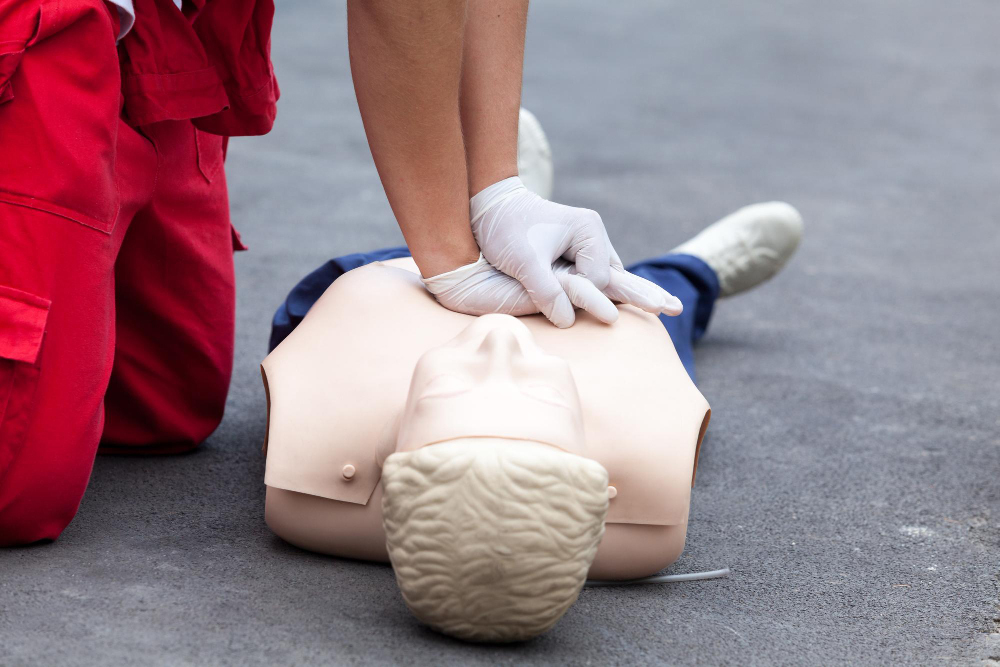
HLTAID011 – Provide First Aid is a nationally recognised first aid qualification in Australia. It equips aged care workers with the skills to respond to medical emergencies, manage injuries, perform CPR and provide immediate assistance until further medical help arrives. This certification helps workers handle unexpected health situations and support older people's safety and well-being.
Other Aged Care Worker Requirements
Beyond formal qualifications, aspiring aged care workers in Australia may need to meet additional employment requirements. These checks help ensure you can provide safe, responsible and quality care.
1. Police Clearance Check
A National Police Check is commonly required when applying for aged care jobs in Australia. It helps employers assess your criminal history and suitability to work with older people. You may need to provide a recent police clearance certificate as part of the recruitment process.
2. Screening Check
Aged care workers may need to complete a relevant worker screening check before starting employment. Depending on the role and state or territory, this may include an NDIS Worker Screening Check or other background checks. These checks help protect older people from abuse, neglect and unsafe care practices.
3. Vaccination
Aged care providers may require workers to meet specific vaccination requirements to protect residents and staff from infectious diseases. Depending on the employer and facility, you may need to provide evidence of influenza, COVID-19 and other relevant vaccinations.
Aged Care Jobs in Australia
There are numerous rewarding career opportunities available for people interested in supporting older adults. You can explore roles in nursing homes, residential aged care facilities and home care services.
Common aged care jobs in Australia include:
- Aged Care Worker: Assists with personal care and daily activities.
- Personal Care Assistant (PCA): Supports residents with bathing, dressing and mobility.
- Assistant in Nursing (AIN): Provides basic care under nursing supervision.
- Home Care Worker: Supports older people in their homes.
- Enrolled Nurse (EN): Provides nursing care and monitors residents' health.
Start Your Aged Care Career with Care Learning
Ready to take the next step towards a rewarding aged care career? Care Learning helps you build job-ready knowledge through free online CPD courses and practical healthcare training. Gain valuable skills, earn certificates and develop hands-on experience with us.
Frequently Asked Questions
1. How much do aged care professionals earn in Australia?
Aged care professionals in Australia typically earn around AUD $30–$35 per hour. Pay varies by experience, qualifications, employer, location and shift penalties.
2. What background checks are needed to work in aged care?
Applicants generally need a National Police Check and may require an NDIS Worker Screening Check or other relevant screening, depending on their role and state or territory.
3. Do aged care qualifications and certificates expire?
Certificate III and Certificate IV qualifications generally do not expire. However, first aid certificates, police checks and other compliance requirements may need periodic renewal.
4. Are aged care jobs in demand in Australia?
Yes. Demand is expected to remain strong due to Australia’s ageing population. Opportunities are available in residential aged care, home care and community support services.
5. What are the eligibility requirements for Certificate III and Certificate IV in Ageing Support?
Generally, applicants must meet the training provider's minimum age, English language, literacy and enrolment requirements. Some providers may also require a valid police check, work placement clearance and access to a suitable workplace for practical training.
6. How long does Certificate III in Individual Support take?
Certificate III in Individual Support usually takes 6–12 months to complete. It also includes at least 120 hours of practical work placement.
7. When is AHPRA registration required in the aged care sector?
AHPRA registration is not required for all aged care roles. However, Enrolled Nurses and Registered Nurses must hold the appropriate registration to practise in Australia.