
ADHD in Children – Practical Advice and Update for HCPs
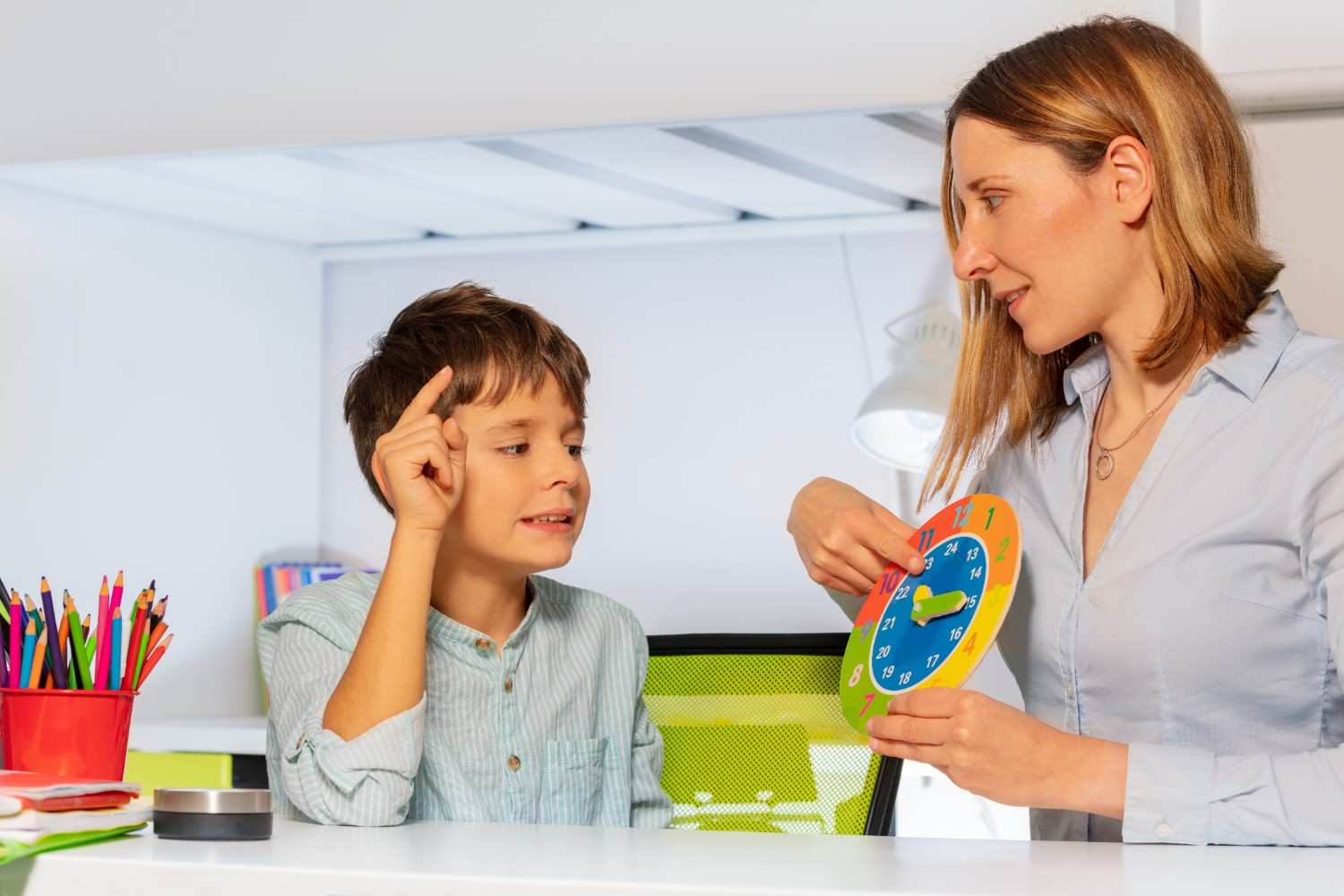
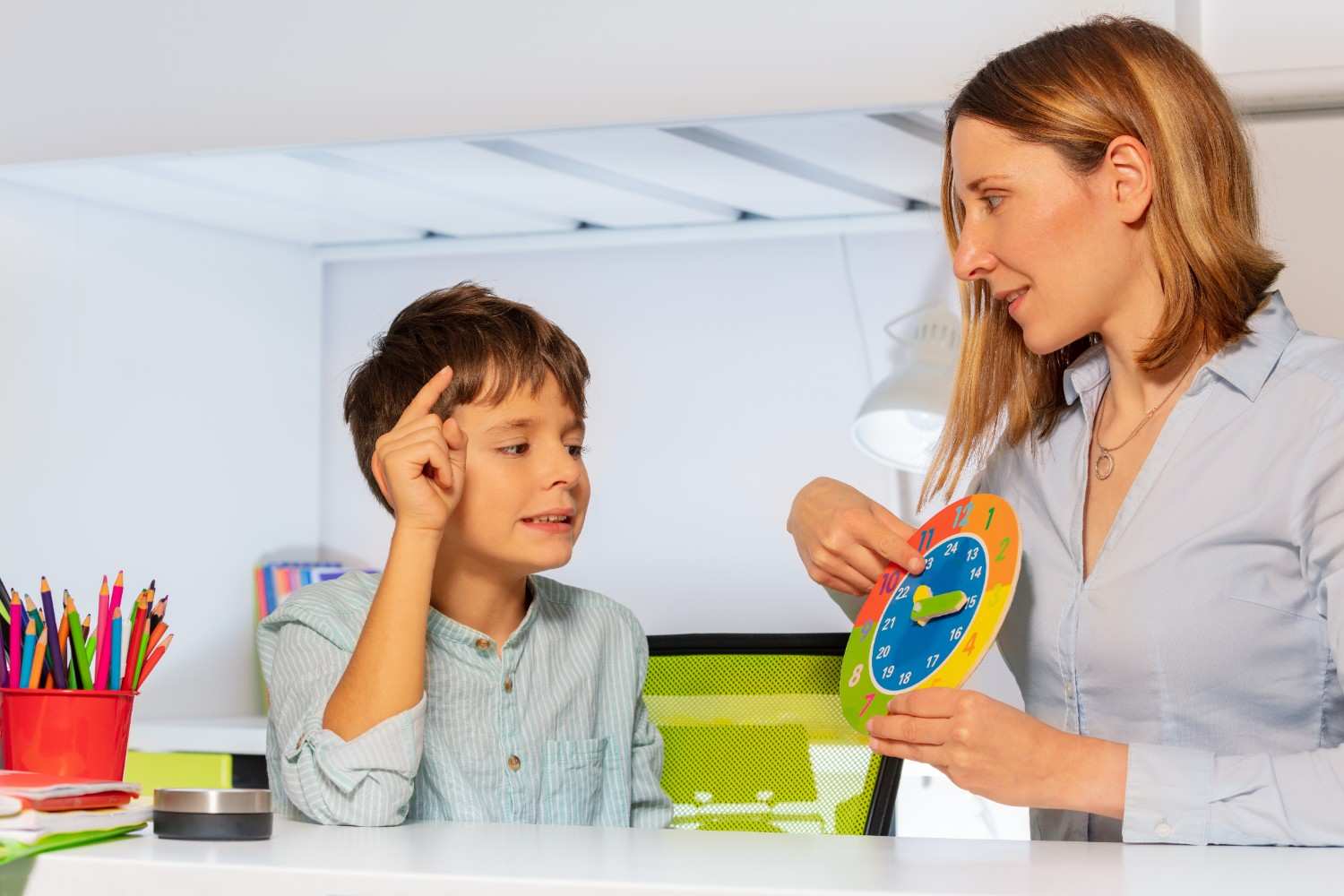
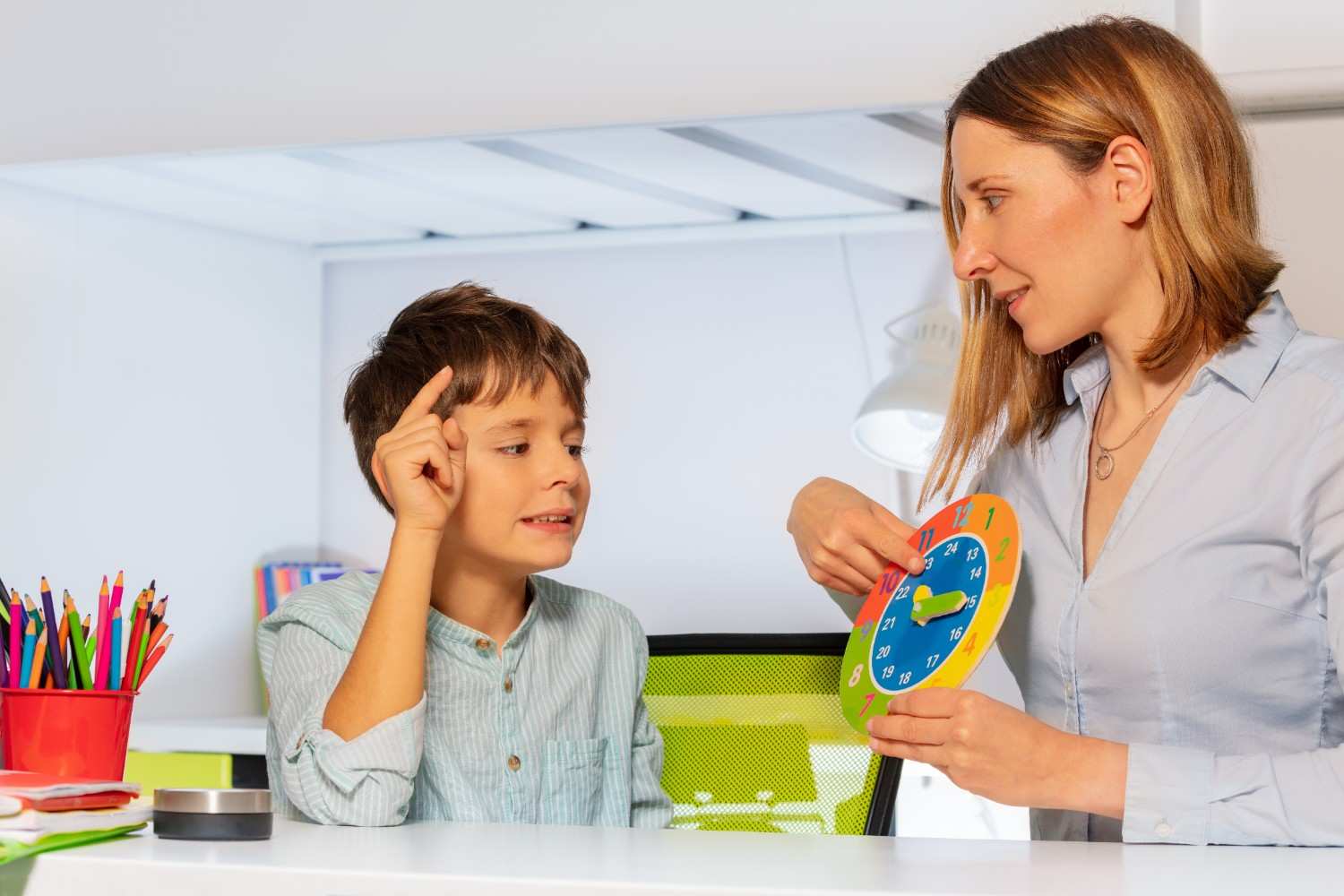
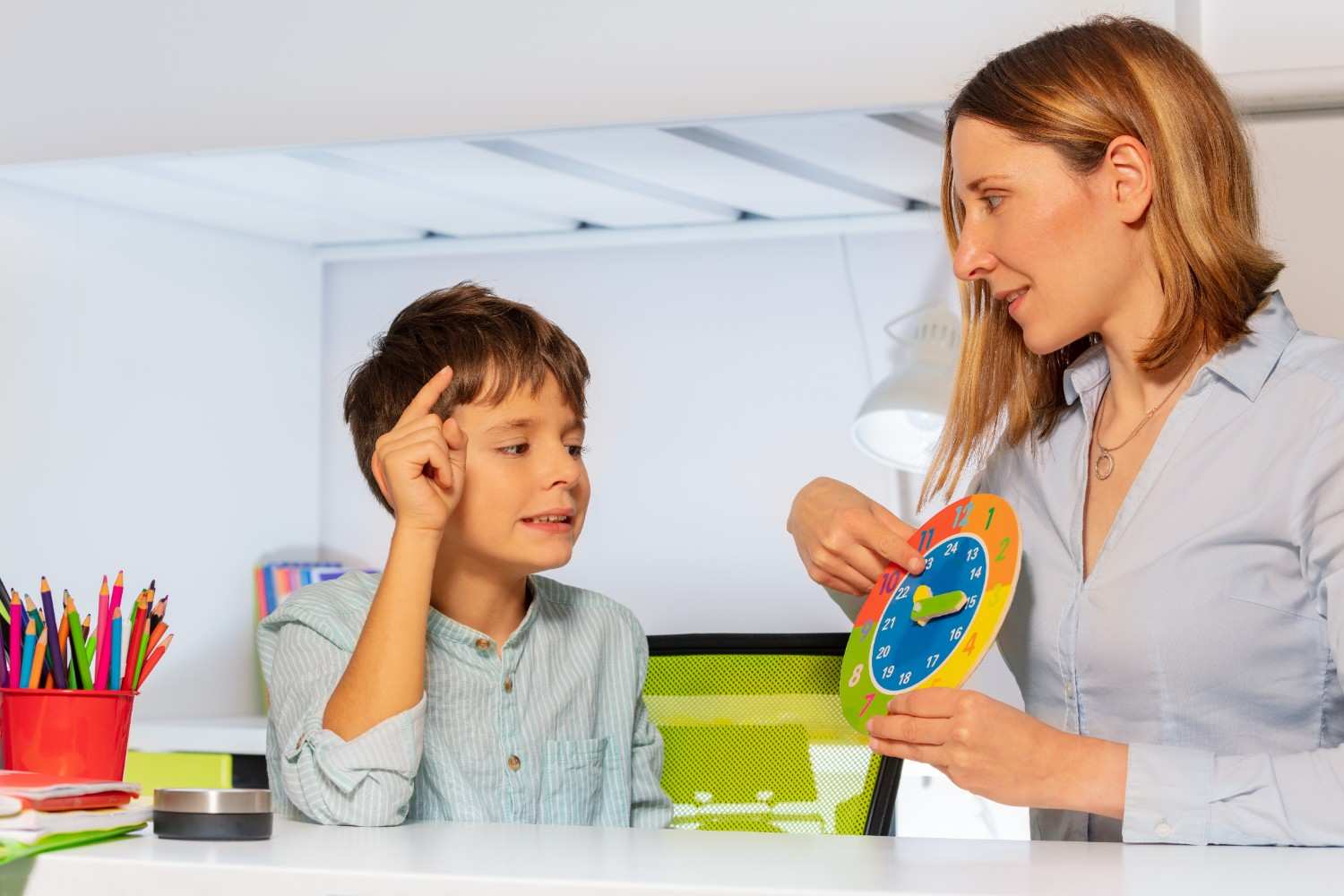
Children's attention, behavior, and impulse control are all impacted by ADHD, a common neurodevelopmental disorder. For healthcare professionals (HCPs), this module offers helpful guidance and the most recent information to promote early detection, precise diagnosis, and efficient management. It highlights a comprehensive, child-centered method that incorporates family assistance, behavioral techniques, and clinical care.
Learning Outcomes
What you'll learn
- Understand the characteristics and causes of ADHD in children
- Identify early signs and symptoms across different settings
- Apply appropriate assessment and diagnostic approaches
- Implement evidence-based management strategies
- Support families and caregivers effectively
- Promote multidisciplinary and child-centred care
Stay updated with our


Learning Outcomes
What you'll learn
- Understand the characteristics and causes of ADHD in children
- Identify early signs and symptoms across different settings
- Apply appropriate assessment and diagnostic approaches
- Implement evidence-based management strategies
- Support families and caregivers effectively
- Promote multidisciplinary and child-centred care
Stay updated with our
Training Overview
- Understanding ADHD in Children
- Recognising Signs and Symptoms
- Assessment and Diagnosis
- Management and Treatment Approaches
- Supporting Families and Caregivers
- Summary
Top reviews
No reviews yet.
You May Also Like
.jpg)
.jpg)
.jpg)




Take Your
Learning Anywhere
Stay on top of your learning with the Care Learning app.


Are you a qualified
Trainer or Instructor?
Join Care Learning as a trainer and deliver high-quality courses to learners across healthcare and workplace training.
Refer a Friend &
Earn Rewards.
Invite healthcare professionals to join Care Learning and get rewarded when your referral successfully joins.
Frequently asked questions
A neurodevelopmental condition affecting attention, behaviour, and impulse control.
Inattention, hyperactivity, impulsivity, and difficulty focusing.
Through clinical assessment, behavioural observations, and input from caregivers and teachers.
Yes, with behavioural therapy, support strategies, and sometimes medication.
Healthcare professionals, parents, teachers, and specialists.
It helps improve outcomes and supports better development.