
Autism – A Primer for HCPs
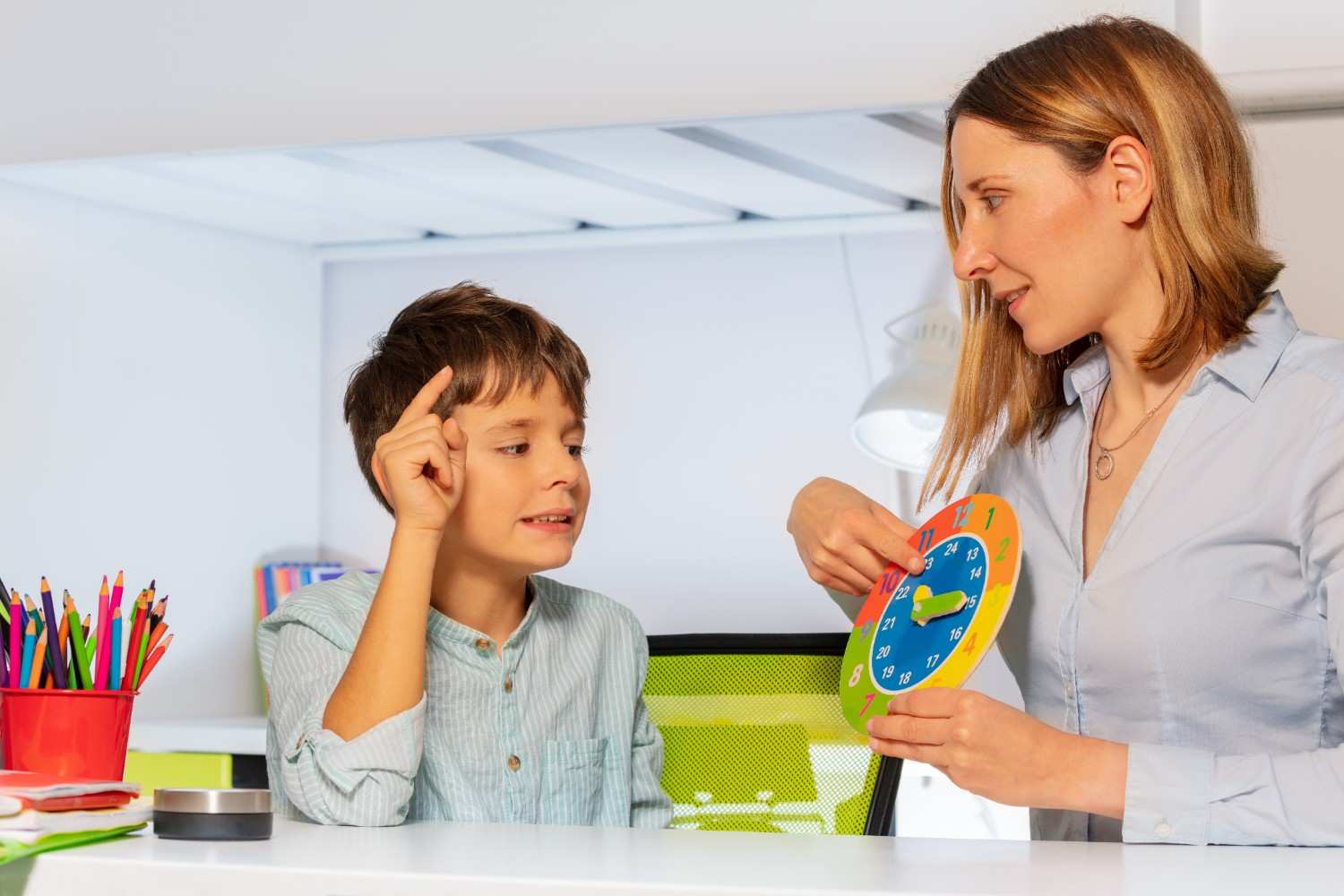
With an emphasis on early detection and supportive care, Autism – A Primer for HCPs offers a fundamental knowledge of autism spectrum disorder. The main traits, communication variations, and behavioral patterns of people with autism are examined in this section. It gives medical professionals the practical information they need to provide compassionate, inclusive, and person-centered care.
Learning Outcomes
What you'll learn
- The core features of autism spectrum condition
- Recognise early signs and developmental differences
- Identify communication and behavioural characteristics
- Apply person-centred approaches in care
- Support families and caregivers effectively
- Promote inclusive and sensitive healthcare practices
Stay updated with our


Learning Outcomes
What you'll learn
- The core features of autism spectrum condition
- Recognise early signs and developmental differences
- Identify communication and behavioural characteristics
- Apply person-centred approaches in care
- Support families and caregivers effectively
- Promote inclusive and sensitive healthcare practices
Stay updated with our
Training Overview
- Understanding Autism
- Early Signs and Identification
- Communication and Behaviour
- Assessment and Diagnosis
- Supporting Individuals and Families
- Inclusive Practice in Healthcare
- Summary
Top reviews
No reviews yet.
You May Also Like
.jpg)
.jpg)
.jpg)




Take Your
Learning Anywhere
Stay on top of your learning with the Care Learning app.


Are you a qualified
Trainer or Instructor?
Join Care Learning as a trainer and deliver high-quality courses to learners across healthcare and workplace training.
Refer a Friend &
Earn Rewards.
Invite healthcare professionals to join Care Learning and get rewarded when your referral successfully joins.
Frequently asked questions
A neurodevelopmental condition affecting communication, behaviour, and social interaction.
No, it varies widely between individuals.
Delayed speech, limited eye contact, and repetitive behaviours.
Through developmental assessments and specialist evaluation.
No, but support can improve quality of life.
By providing understanding, tailored care, and family support.