
Button Batteries Landmines in the Loungeroom
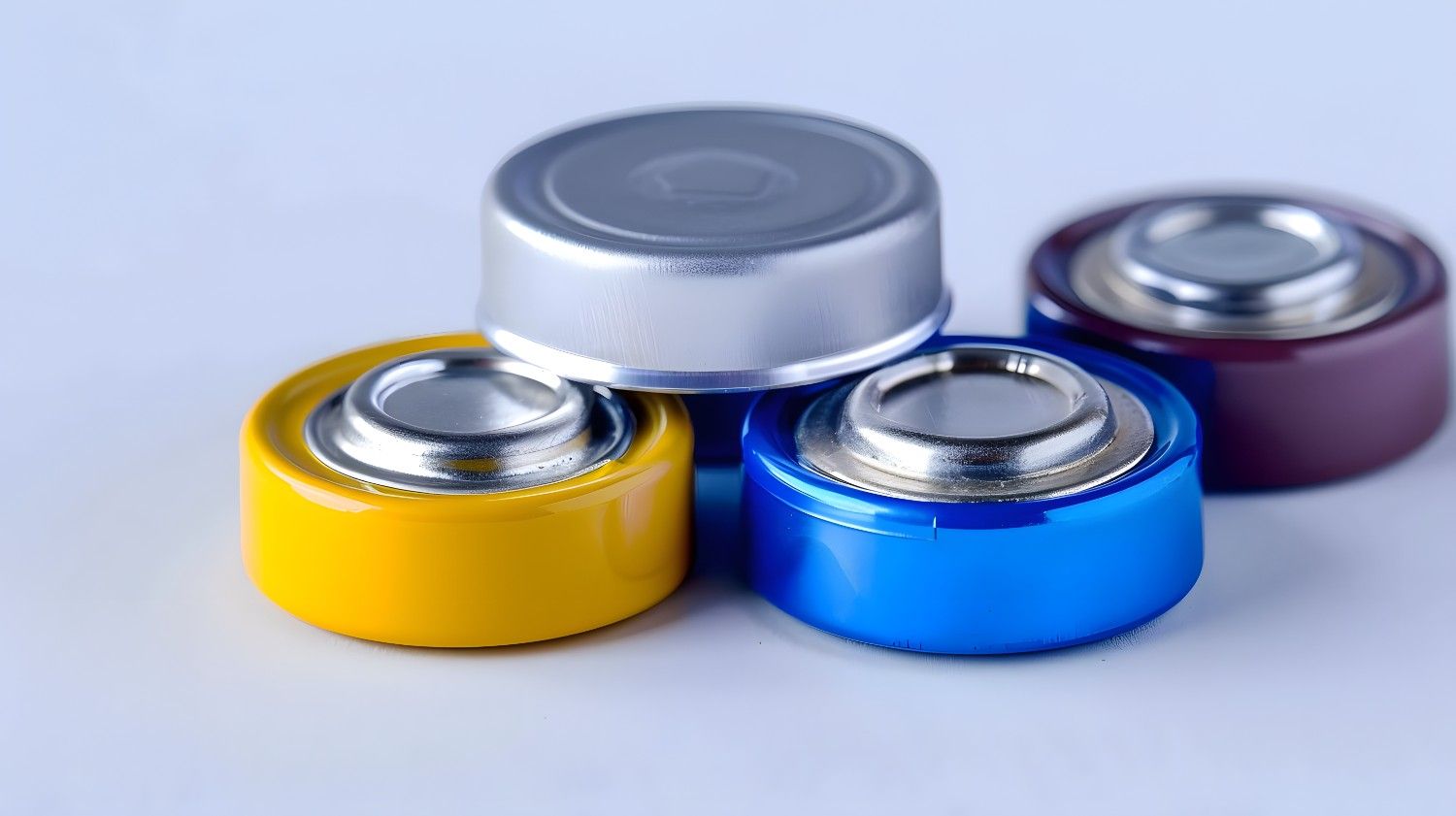
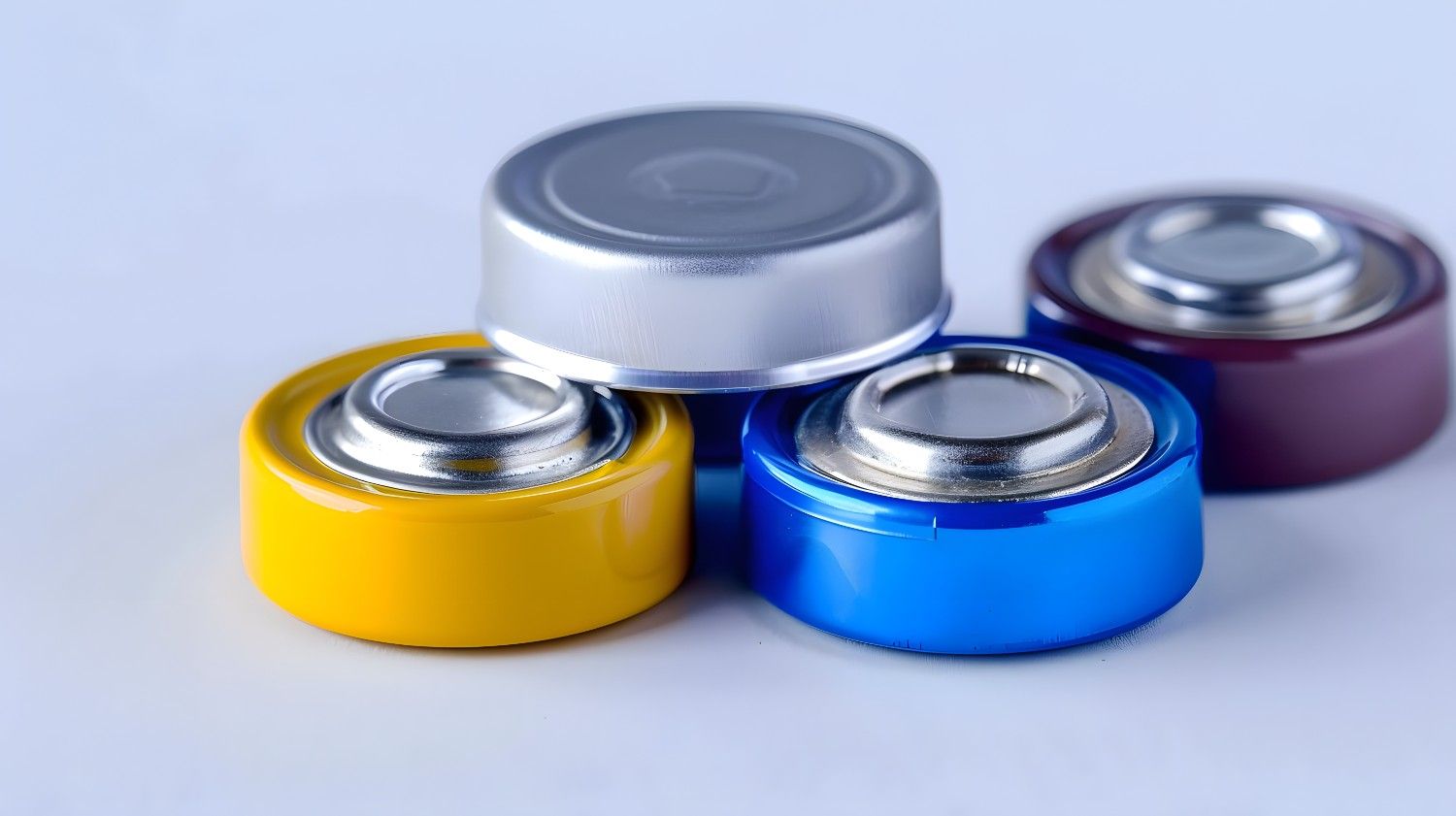
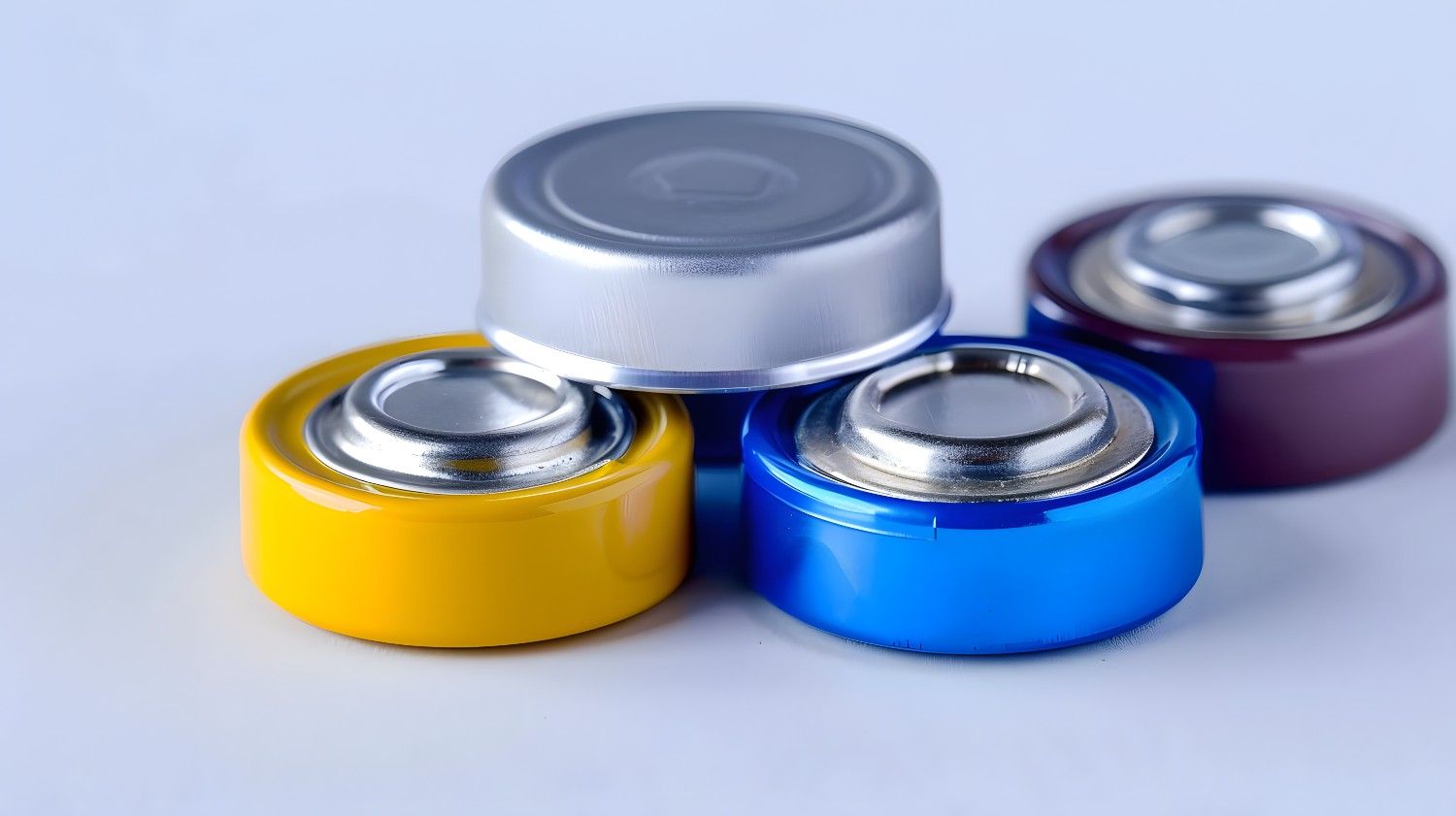
Button Batteries: Landmines in the Loungeroom is a Continuing Professional Development (CPD) course designed for healthcare professionals working in paediatrics, emergency care, community healthcare, pharmacy, general practice, childcare, and public health education. The course provides evidence-based guidance on the dangers of button battery ingestion, mechanisms of injury, prevention strategies, emergency management, and public awareness initiatives. Button batteries are small, round batteries commonly found in household products such as remote controls, toys, hearing aids, watches, greeting cards, thermometers, and electronic devices. Although compact in size, these batteries pose a significant hazard to children when swallowed or inserted into body cavities. Severe injury may occur rapidly, particularly when batteries become lodged in the oesophagus.
Learning Outcomes
What you'll learn
- Understand the chemical reaction that occurs after button battery ingestion.
- Distinguish between different types of hazardous batteries.
- Recognise the products and environments commonly associated with button battery injuries.
- Analyse the demographics and trends associated with battery ingestion incidents.
- Identify the signs, symptoms, and complications of button battery ingestion.
- Apply evidence-based emergency management and referral strategies.
- Discuss prevention methods and public awareness initiatives.
- Promote safe storage, product safety, and caregiver education regarding battery hazards.
Stay updated with our


Learning Outcomes
What you'll learn
- Understand the chemical reaction that occurs after button battery ingestion.
- Distinguish between different types of hazardous batteries.
- Recognise the products and environments commonly associated with button battery injuries.
- Analyse the demographics and trends associated with battery ingestion incidents.
- Identify the signs, symptoms, and complications of button battery ingestion.
- Apply evidence-based emergency management and referral strategies.
- Discuss prevention methods and public awareness initiatives.
- Promote safe storage, product safety, and caregiver education regarding battery hazards.
Stay updated with our
Training Overview
- Introduction to Button Battery Hazards
- Chemical Reactions and Mechanism of Injury
- Epidemiology, Demographics, and Common Products
- Emergency Management and Clinical Response
- Prevention, Awareness, and Public Health Strategies
- Summary





Top reviews
No reviews yet.
You May Also Like
.jpg)
.jpg)
.jpg)




Take Your
Learning Anywhere
Stay on top of your learning with the Care Learning app.


Are you a qualified
Trainer or Instructor?
Join Care Learning as a trainer and deliver high-quality courses to learners across healthcare and workplace training.
Refer a Friend &
Earn Rewards.
Invite healthcare professionals to join Care Learning and get rewarded when your referral successfully joins.
Frequently asked questions
Button batteries can generate electrical currents that cause severe chemical burns and tissue damage within hours.
Children younger than six years, particularly toddlers, are at highest risk due to exploratory behaviour.
Symptoms may include drooling, vomiting, coughing, swallowing difficulty, chest discomfort, and refusal to eat.
Severe internal injury can occur rapidly, especially if the battery becomes lodged in the oesophagus.
Large lithium coin batteries are associated with the highest risk of severe injury.
Safe storage, secure battery compartments, caregiver awareness, and prompt disposal of used batteries help reduce risk.