
Cervical Cancer Screening 2025
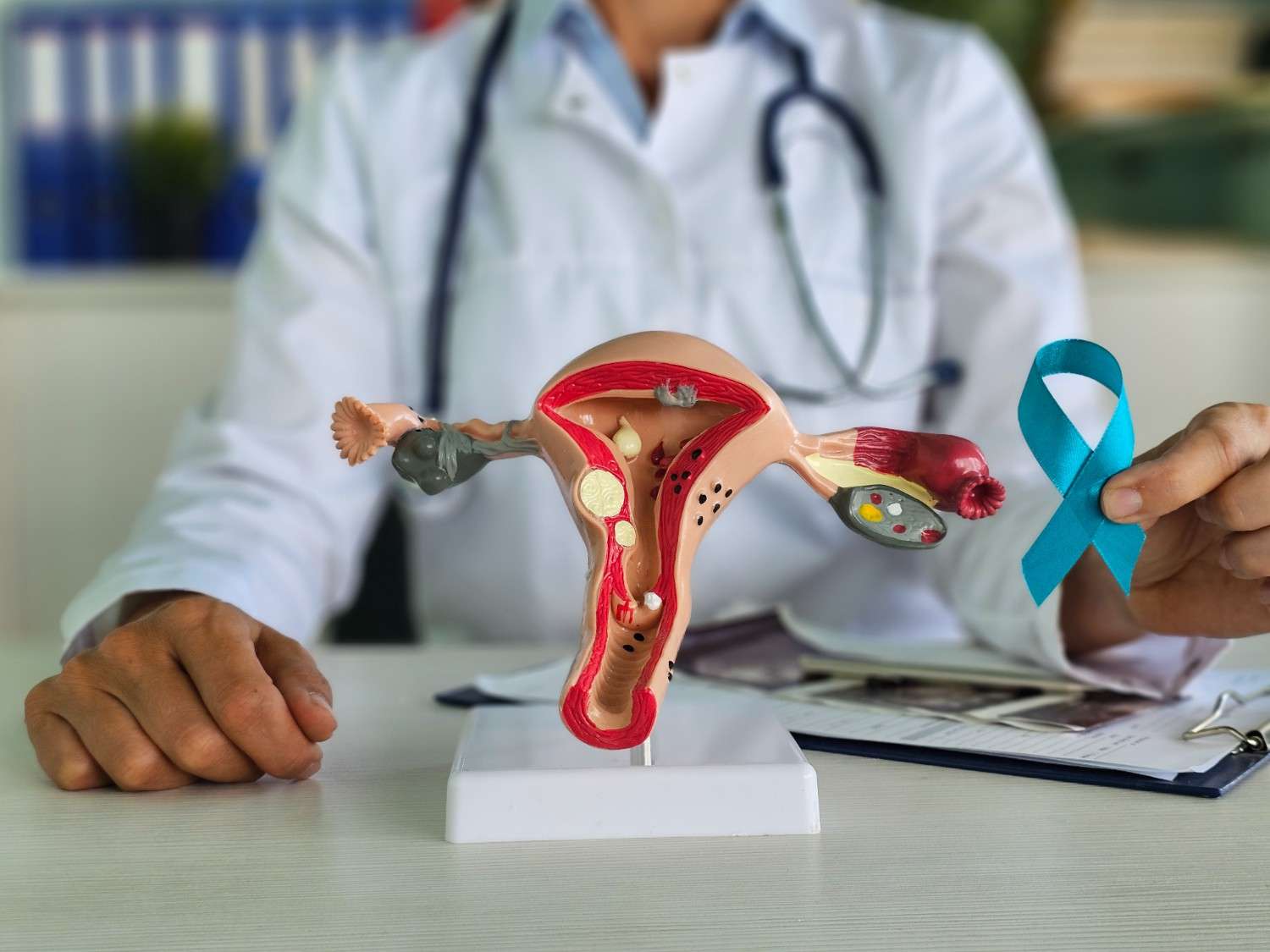
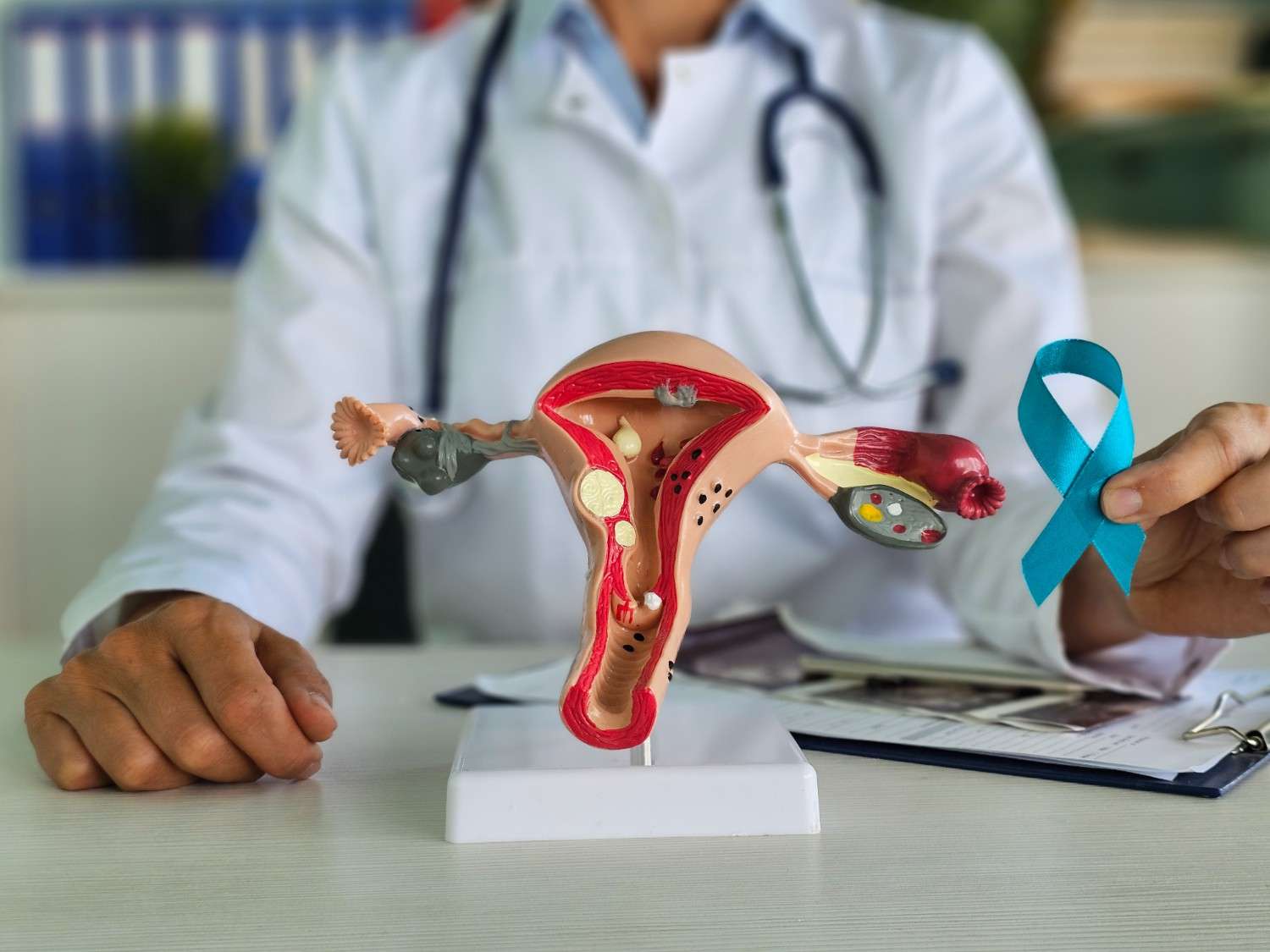
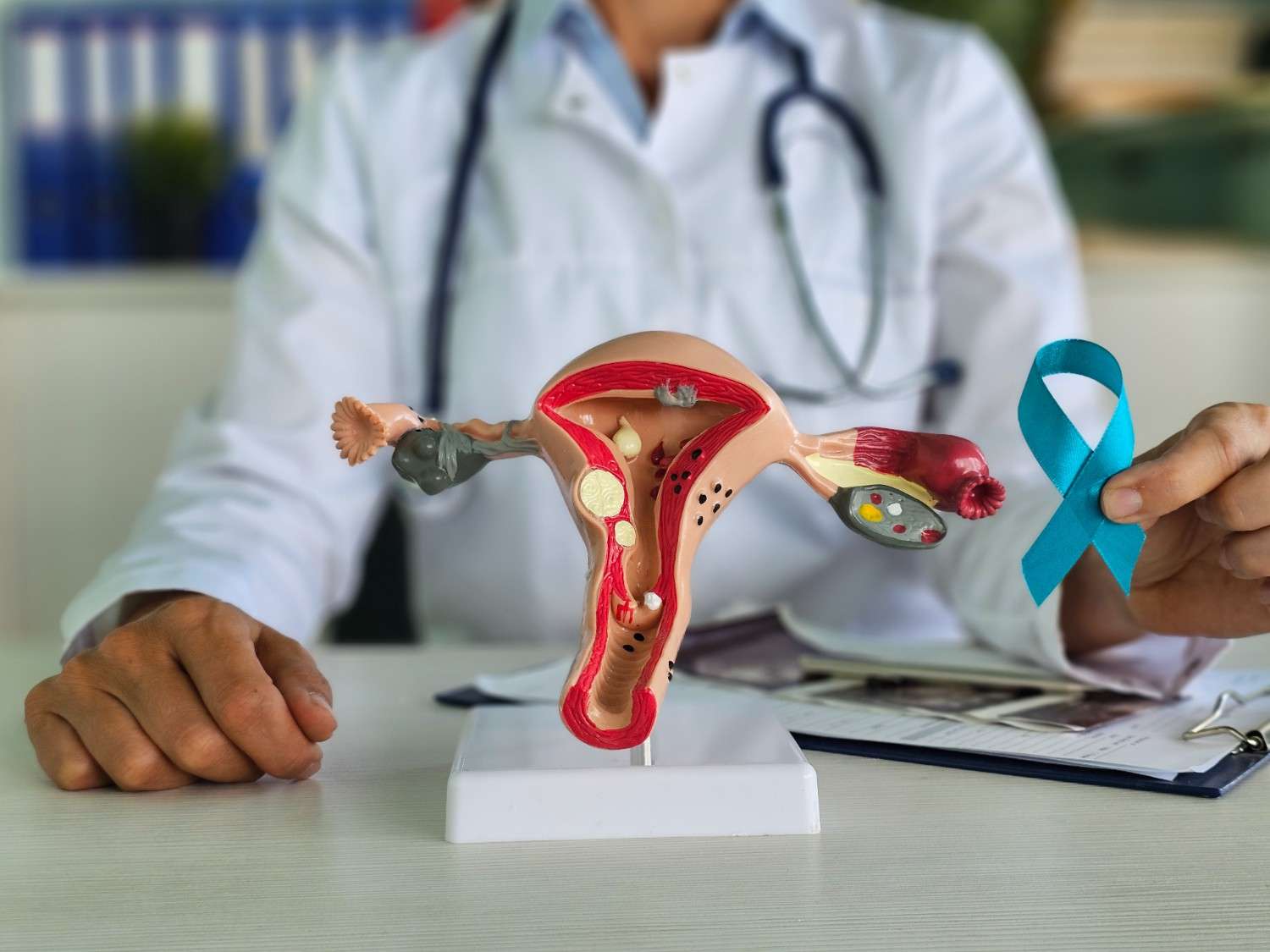
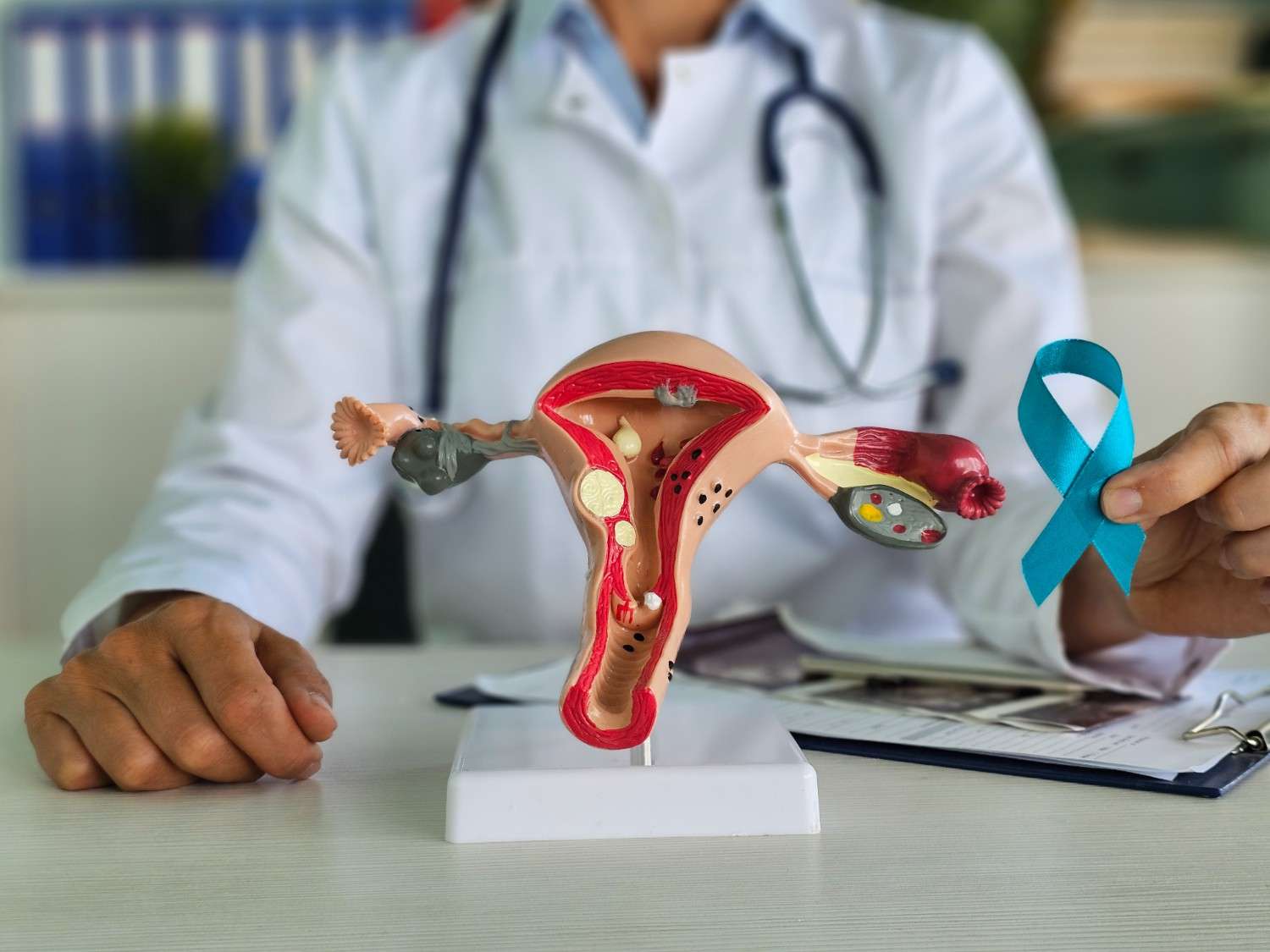
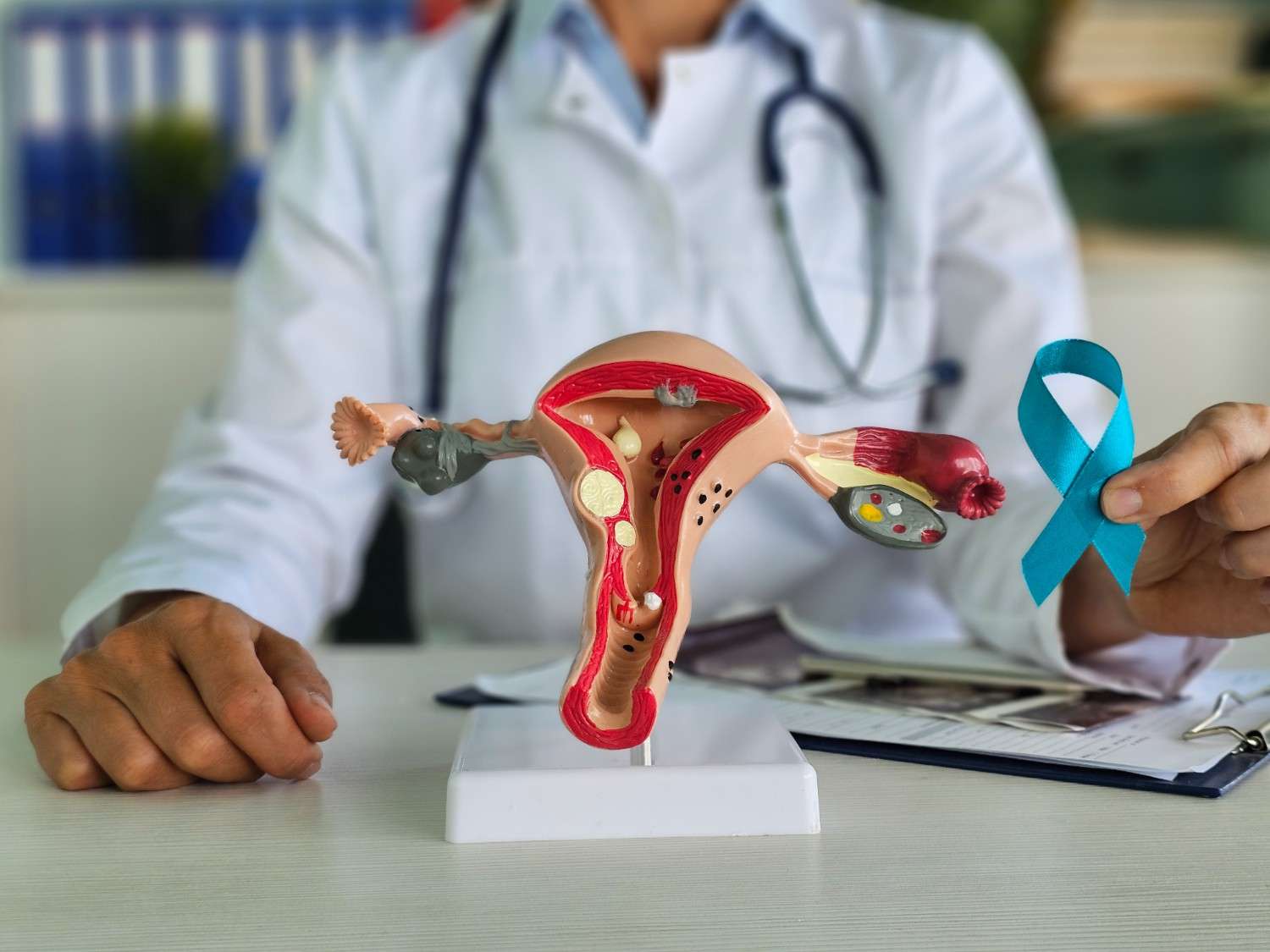
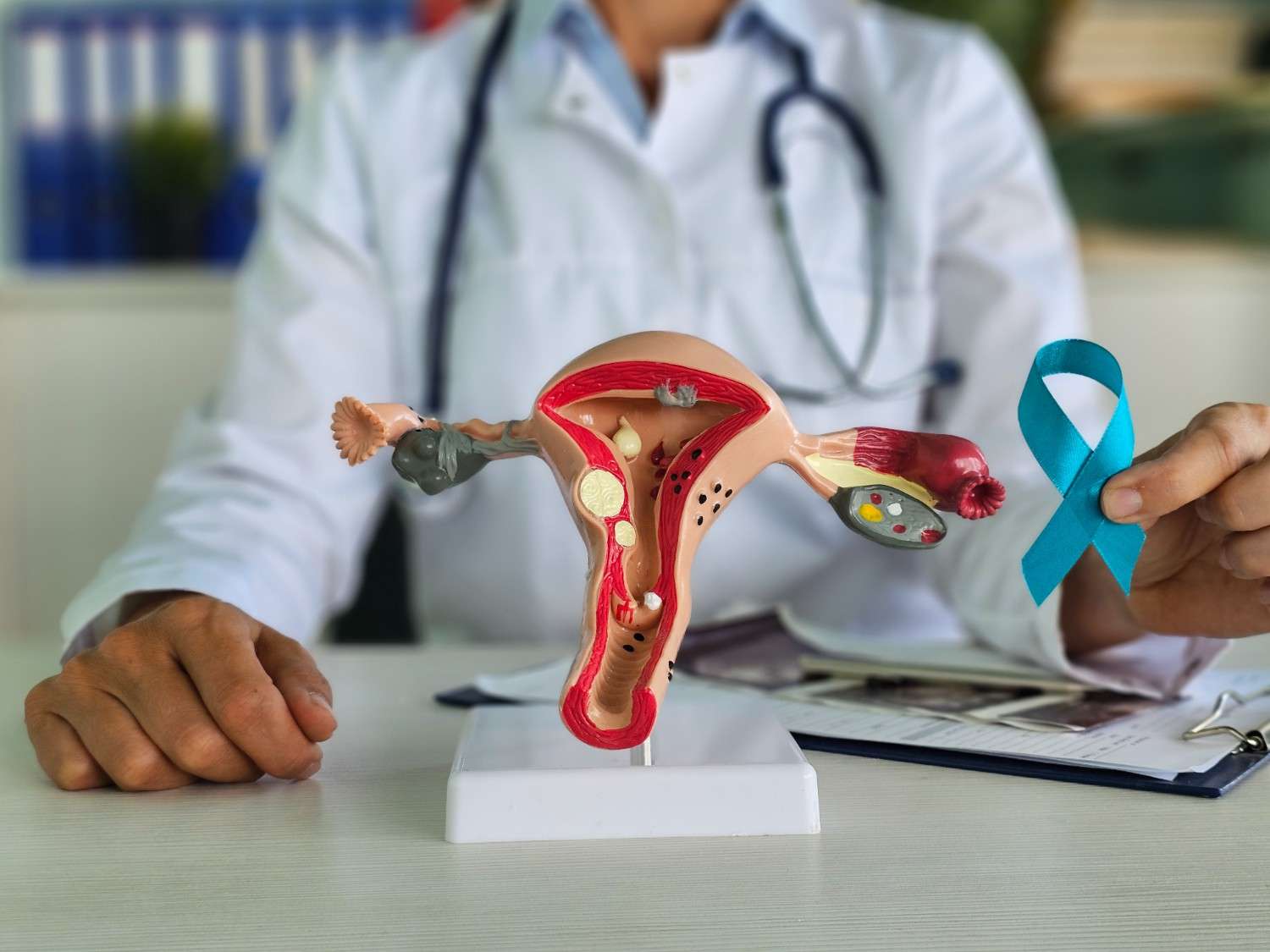
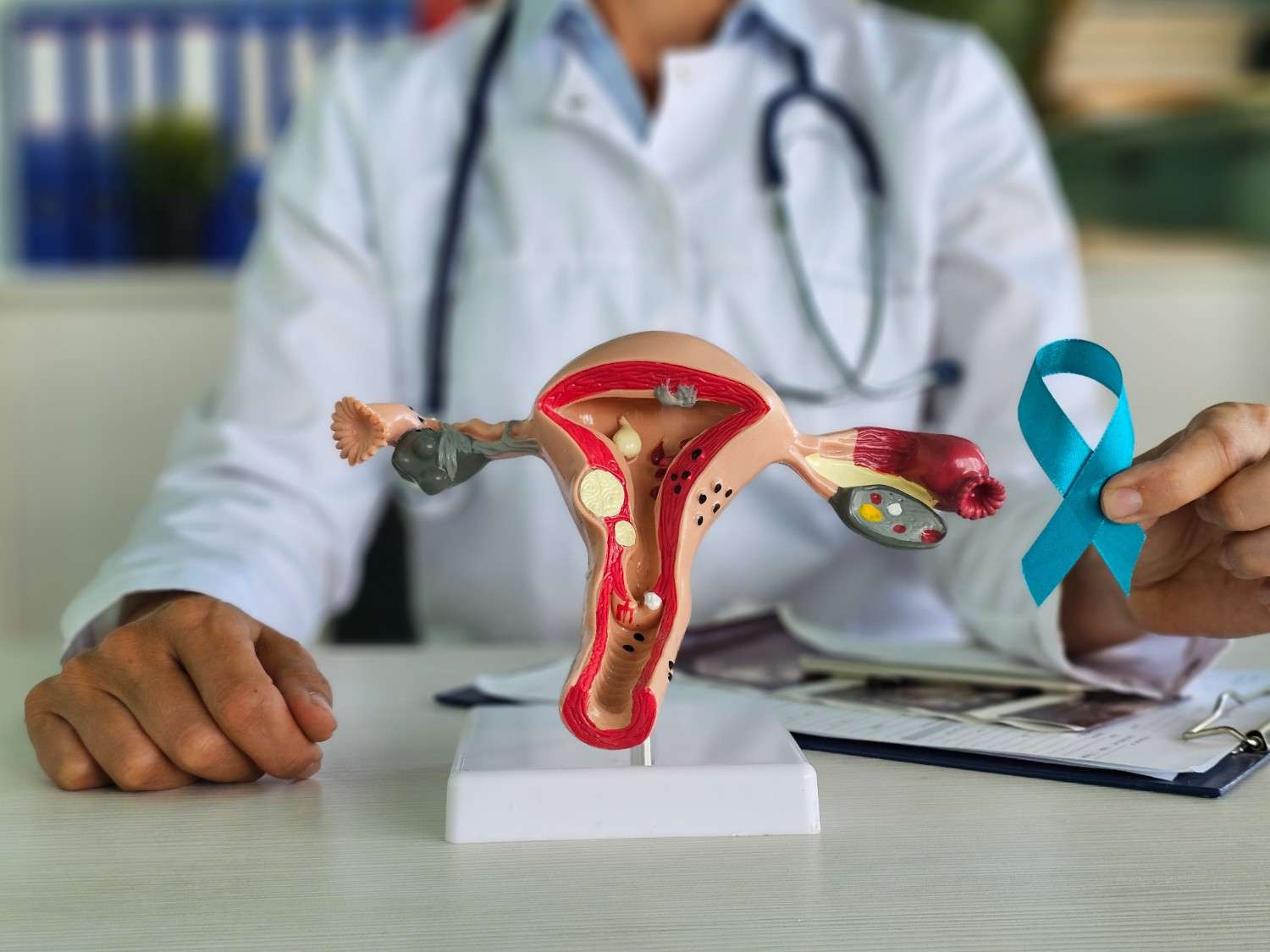
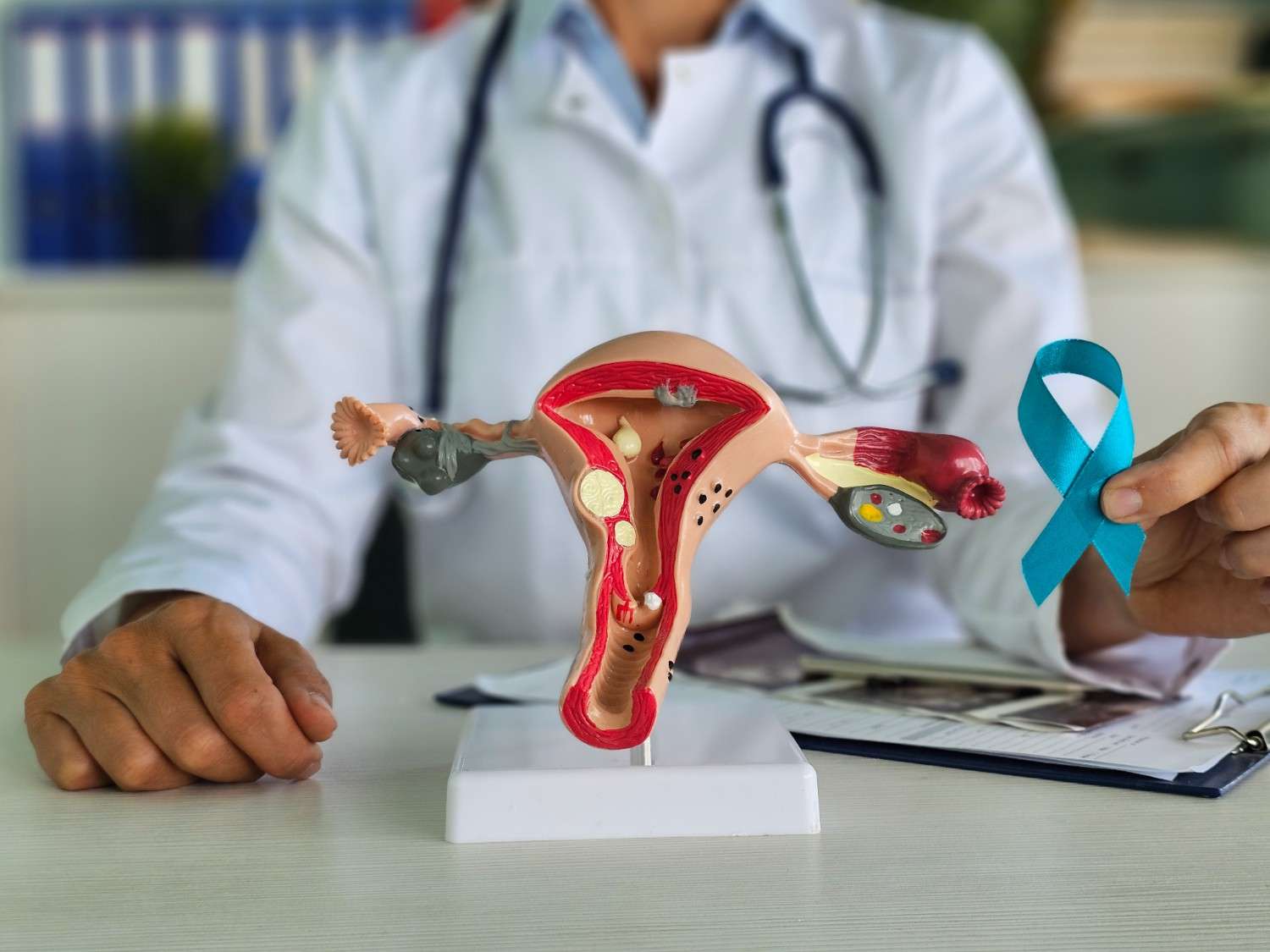
The new recommendations and techniques for early cervical cancer detection, such as HPV testing and routine screenings, are the main focus of Cervical Cancer Screening 2025. In order to improve patient outcomes, it seeks to detect precancerous alterations before they become major conditions. These updates help medical practitioners provide prompt, accurate, and preventive care.
Learning Outcomes
What you'll learn
- Understand the importance of cervical cancer screening
- Identify updated screening guidelines for 2025
- Recognise the role of HPV testing in early detection
- Explain different screening methods and intervals
- Promote patient awareness and participation in screening programs
- Apply best practices in screening and follow-up care
Stay updated with our


Learning Outcomes
What you'll learn
- Understand the importance of cervical cancer screening
- Identify updated screening guidelines for 2025
- Recognise the role of HPV testing in early detection
- Explain different screening methods and intervals
- Promote patient awareness and participation in screening programs
- Apply best practices in screening and follow-up care
Stay updated with our
Training Overview
- Introduction to Cervical Cancer Screening
- Updated Guidelines 2025
- Screening Methods
- Risk Factors and Prevention
- Results and Follow-Up Care
- Patient Communication and Awareness
- Summary
Top reviews
No reviews yet.
You May Also Like
.jpg)
.jpg)
.jpg)




Take Your
Learning Anywhere
Stay on top of your learning with the Care Learning app.


Are you a qualified
Trainer or Instructor?
Join Care Learning as a trainer and deliver high-quality courses to learners across healthcare and workplace training.
Refer a Friend &
Earn Rewards.
Invite healthcare professionals to join Care Learning and get rewarded when your referral successfully joins.
Frequently asked questions
In order to avoid cancer, the test looks for early alterations in cervical cells.
The most popular techniques are HPV testing and Pap smear testing.
Usually every three to five years, depending on requirements and age.
Cervical cancer is associated with the HPV virus; early detection aids in prevention.
Although it is usually short and safe, there may be some minor discomfort.
Yes, through regular screening and HPV vaccination.