
Deep vein thrombosis: update on diagnosis and management
This course provides an evidence-based overview of deep vein thrombosis diagnosis and deep vein thrombosis management, covering the symptoms of deep vein thrombosis, signs of DVT, clinical assessment and diagnostic testing. It also explores anticoagulation options and current considerations for managing DVT, including in patients with cancer.
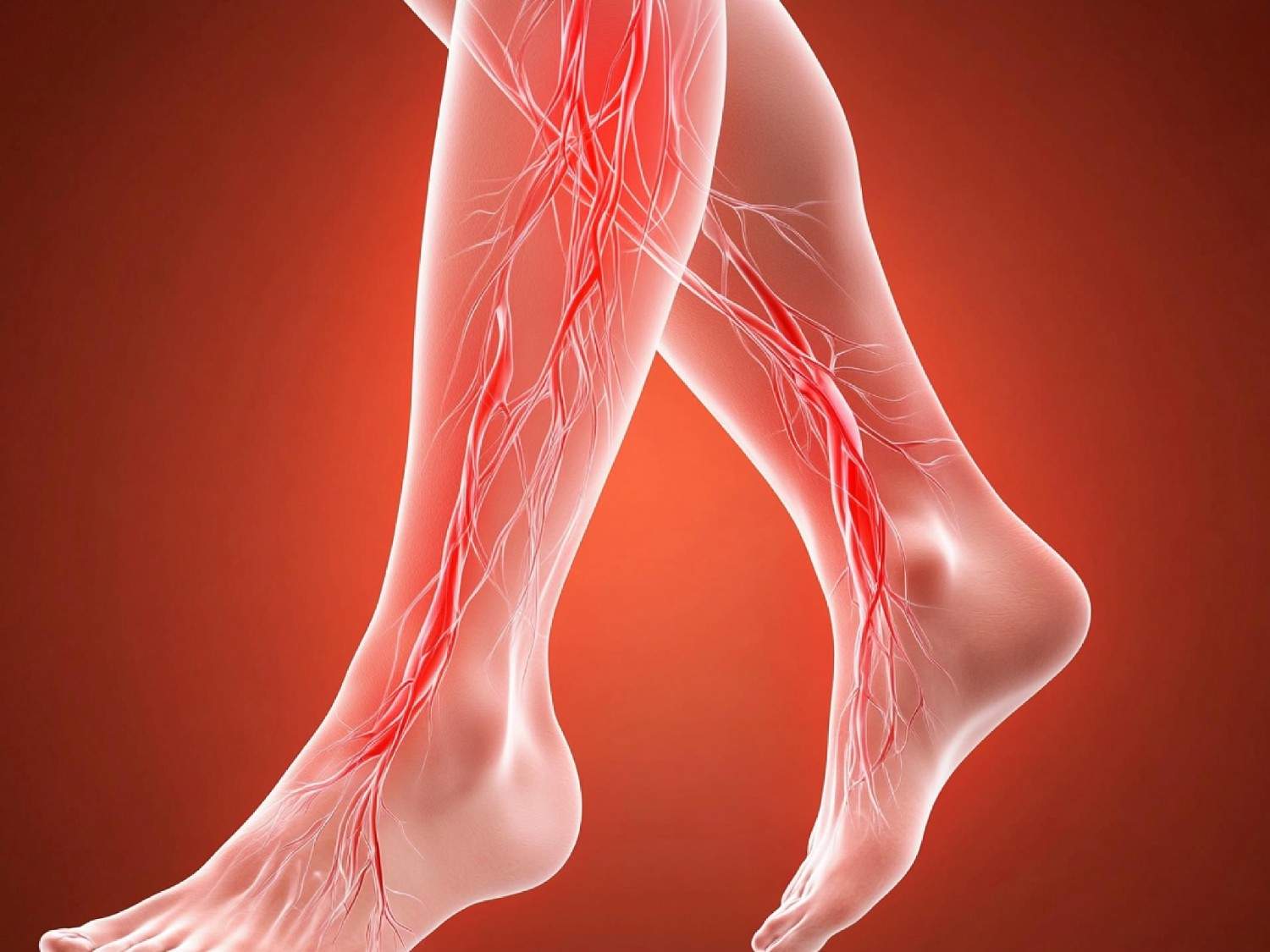
Learning Outcomes
What you'll learn
- Identify the symptoms of deep vein thrombosis, including pain, swelling, erythema and dilated veins.
- Recognise the signs of DVT and assess clinical pre-test probability using an appropriate decision-making approach.
- Explain the diagnostic pathway for deep vein thrombosis diagnosis, including D-dimer testing and compression ultrasound.
- Describe evidence-based deep vein thrombosis management, including anticoagulation, DOACs, warfarin and LMWH.
- Recognise key considerations for DVT treatment in patients with renal dysfunction, pregnancy and cancer.
Stay updated with our


Learning Outcomes
What you'll learn
- Identify the symptoms of deep vein thrombosis, including pain, swelling, erythema and dilated veins.
- Recognise the signs of DVT and assess clinical pre-test probability using an appropriate decision-making approach.
- Explain the diagnostic pathway for deep vein thrombosis diagnosis, including D-dimer testing and compression ultrasound.
- Describe evidence-based deep vein thrombosis management, including anticoagulation, DOACs, warfarin and LMWH.
- Recognise key considerations for DVT treatment in patients with renal dysfunction, pregnancy and cancer.
Stay updated with our
Training Overview
- Introduction
- Diagnosis
- Management
- Special circumstances affecting the diagnosis and management of deep vein thrombosis
- Summary





Top reviews
No reviews yet.
You May Also Like
.jpg)
.jpg)
.jpg)




Take Your
Learning Anywhere
Stay on top of your learning with the Care Learning app.


Are you a qualified
Trainer or Instructor?
Join Care Learning as a trainer and deliver high-quality courses to learners across healthcare and workplace training.
Refer a Friend &
Earn Rewards.
Invite healthcare professionals to join Care Learning and get rewarded when your referral successfully joins.
Frequently asked questions
Common symptoms of deep vein thrombosis include leg pain, swelling, redness and enlarged superficial veins. Some DVT cases may occur without noticeable symptoms.
Signs of DVT can include swelling, tenderness, erythema and dilated superficial veins in the affected limb. Clinical assessment should be supported by appropriate diagnostic testing.
Causes of deep vein thrombosis include factors such as surgery, trauma, cancer, pregnancy and other conditions that increase the risk of venous thromboembolism.
Deep vein thrombosis diagnosis involves clinical assessment, pre-test probability assessment, D-dimer testing where appropriate, and compression ultrasound to confirm or exclude DVT.
A free deep vein thrombosis course Australia option can help learners understand evidence-based approaches to DVT diagnosis, risk assessment, anticoagulation and management.