
Dietary Tips for Reducing Hyperglycaemia
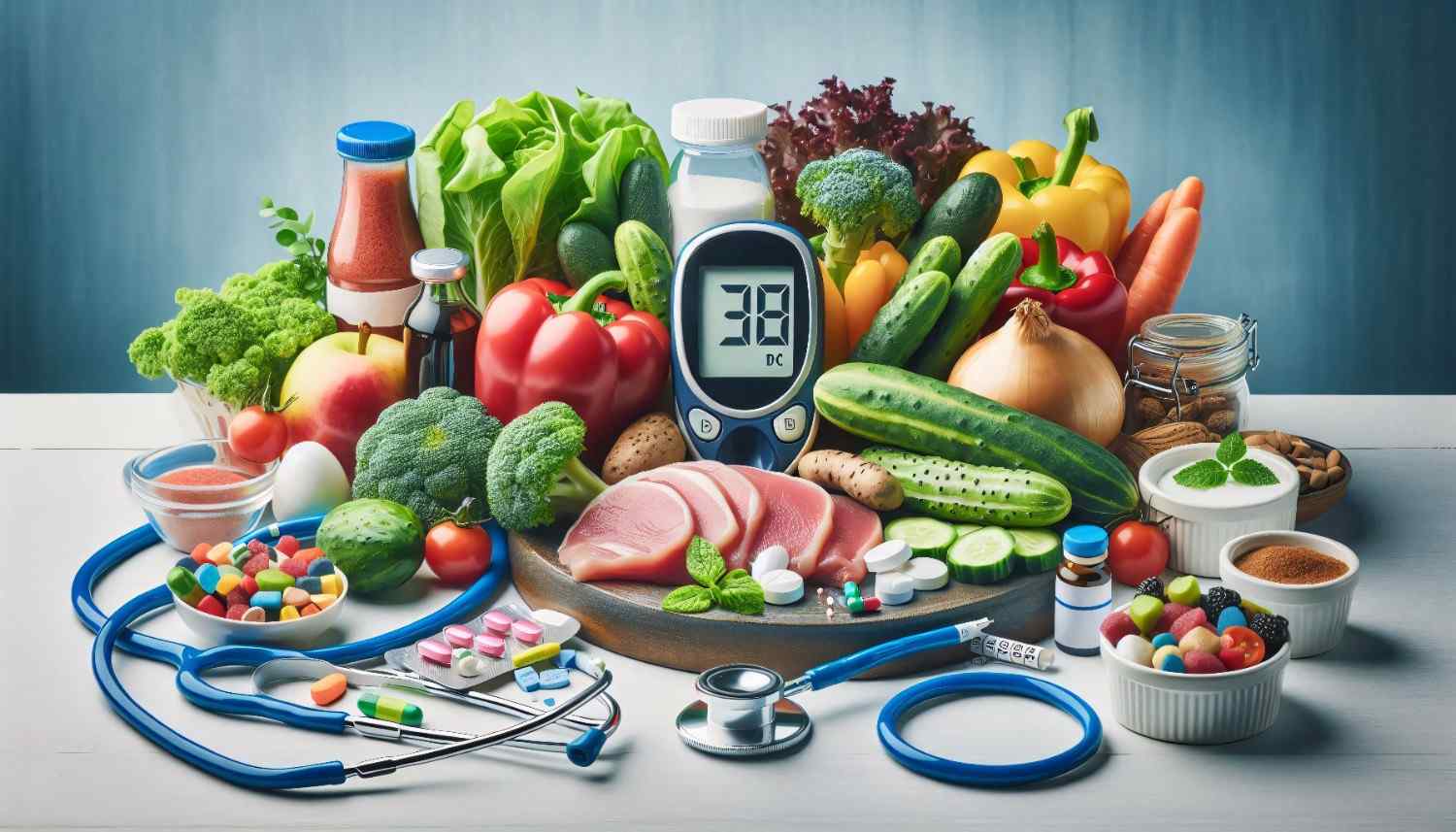
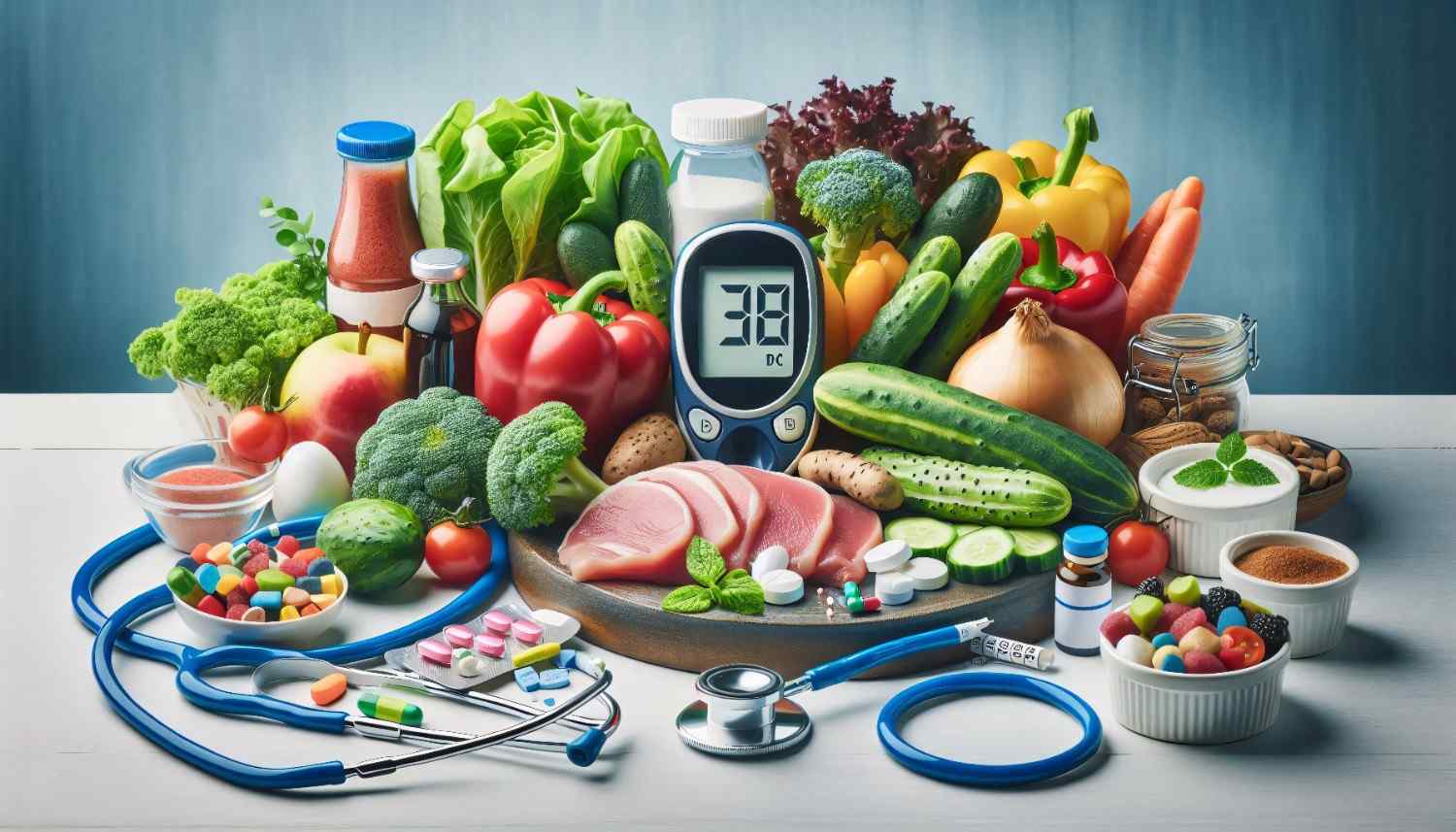
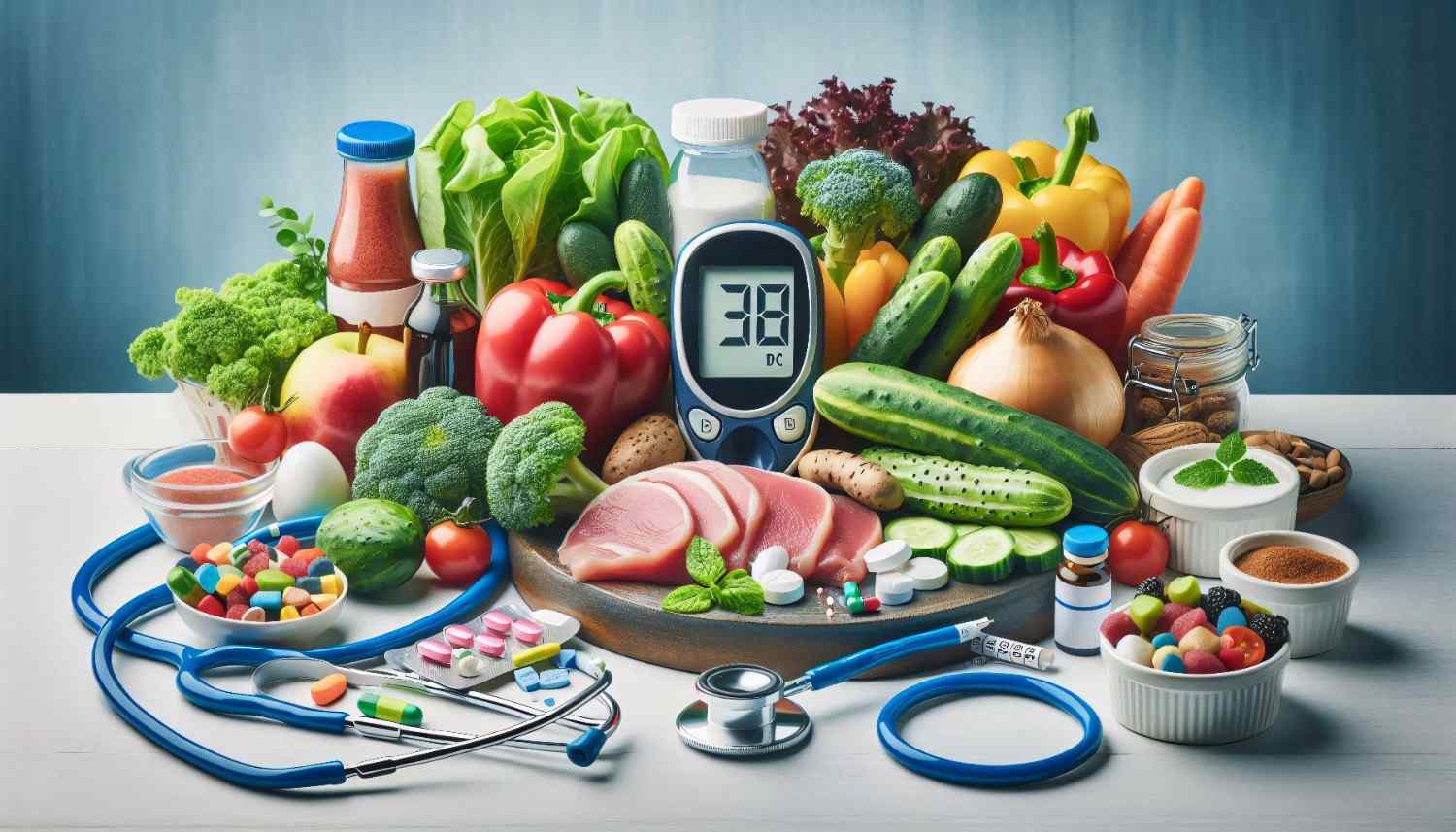
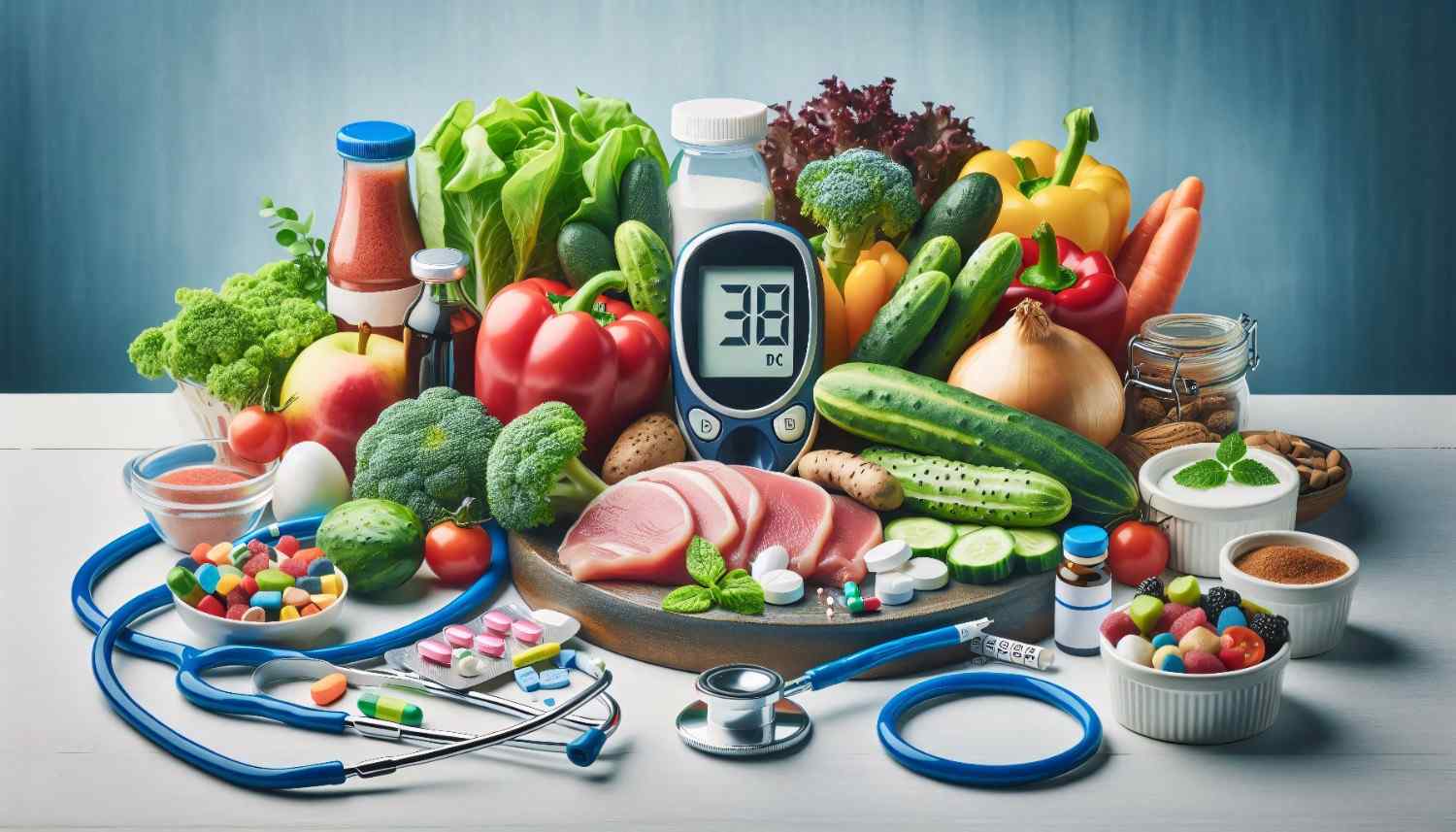
Dietary Tips for Reducing Hyperglycaemia is a Continuing Professional Development (CPD) course designed to help healthcare professionals understand the role of nutrition and lifestyle management in controlling elevated blood glucose levels. The course explores the causes, symptoms, and complications of hyperglycaemia while providing practical dietary strategies that support improved glycaemic control and long-term metabolic health. Hyperglycaemia is commonly associated with Diabetes Mellitus and may occur due to inadequate insulin production, insulin resistance, illness, medications, stress, or poor dietary habits. If left untreated, hyperglycaemia may contribute to serious complications affecting the cardiovascular, renal, neurological, and visual systems.
Learning Outcomes
What you'll learn
- Understand hyperglycaemia and its associated symptoms.
- Identify common causes and contributing factors of hyperglycaemia.
- Recognise potential complications associated with untreated hyperglycaemia.
- Understand the role of diet in blood glucose management.
- Assess a patient’s dietary history and eating patterns effectively.
- Discuss carbohydrate intake, glycaemic index, and portion management.
- Develop practical and individualised dietary strategies for reducing hyperglycaemia.
- Promote collaborative patient-centred care and behaviour change support.
- Recognise the importance of lifestyle modification alongside dietary management.
- Encourage sustainable healthy eating habits for long-term metabolic health.
Stay updated with our


Learning Outcomes
What you'll learn
- Understand hyperglycaemia and its associated symptoms.
- Identify common causes and contributing factors of hyperglycaemia.
- Recognise potential complications associated with untreated hyperglycaemia.
- Understand the role of diet in blood glucose management.
- Assess a patient’s dietary history and eating patterns effectively.
- Discuss carbohydrate intake, glycaemic index, and portion management.
- Develop practical and individualised dietary strategies for reducing hyperglycaemia.
- Promote collaborative patient-centred care and behaviour change support.
- Recognise the importance of lifestyle modification alongside dietary management.
- Encourage sustainable healthy eating habits for long-term metabolic health.
Stay updated with our
Training Overview
- Understanding Hyperglycaemia
- Causes and Risk Factors of Hyperglycaemia
- Complications of Untreated Hyperglycaemia
- Assessing Diet History and Eating Patterns
- Dietary Strategies for Reducing Hyperglycaemia
- Collaborative Care and Long-Term Management
- Summary
.jpg)
.jpg)
.jpg)
.jpg)
Top reviews
No reviews yet.
You May Also Like
.jpg)
.jpg)
.jpg)




Take Your
Learning Anywhere
Stay on top of your learning with the Care Learning app.


Are you a qualified
Trainer or Instructor?
Join Care Learning as a trainer and deliver high-quality courses to learners across healthcare and workplace training.
Refer a Friend &
Earn Rewards.
Invite healthcare professionals to join Care Learning and get rewarded when your referral successfully joins.
Frequently asked questions
Hyperglycaemia refers to elevated blood glucose levels above the normal range.
Symptoms may include thirst, frequent urination, fatigue, blurred vision, and headaches.
Diet significantly affects blood glucose levels and overall metabolic control.
Low GI foods release glucose more slowly and may help reduce rapid blood sugar spikes.
Large portions may contribute to excessive carbohydrate intake and elevated blood glucose levels.
Collaboration supports personalised care, behaviour change, treatment adherence, and improved outcomes.