
Dysmenorrhoea in Teens
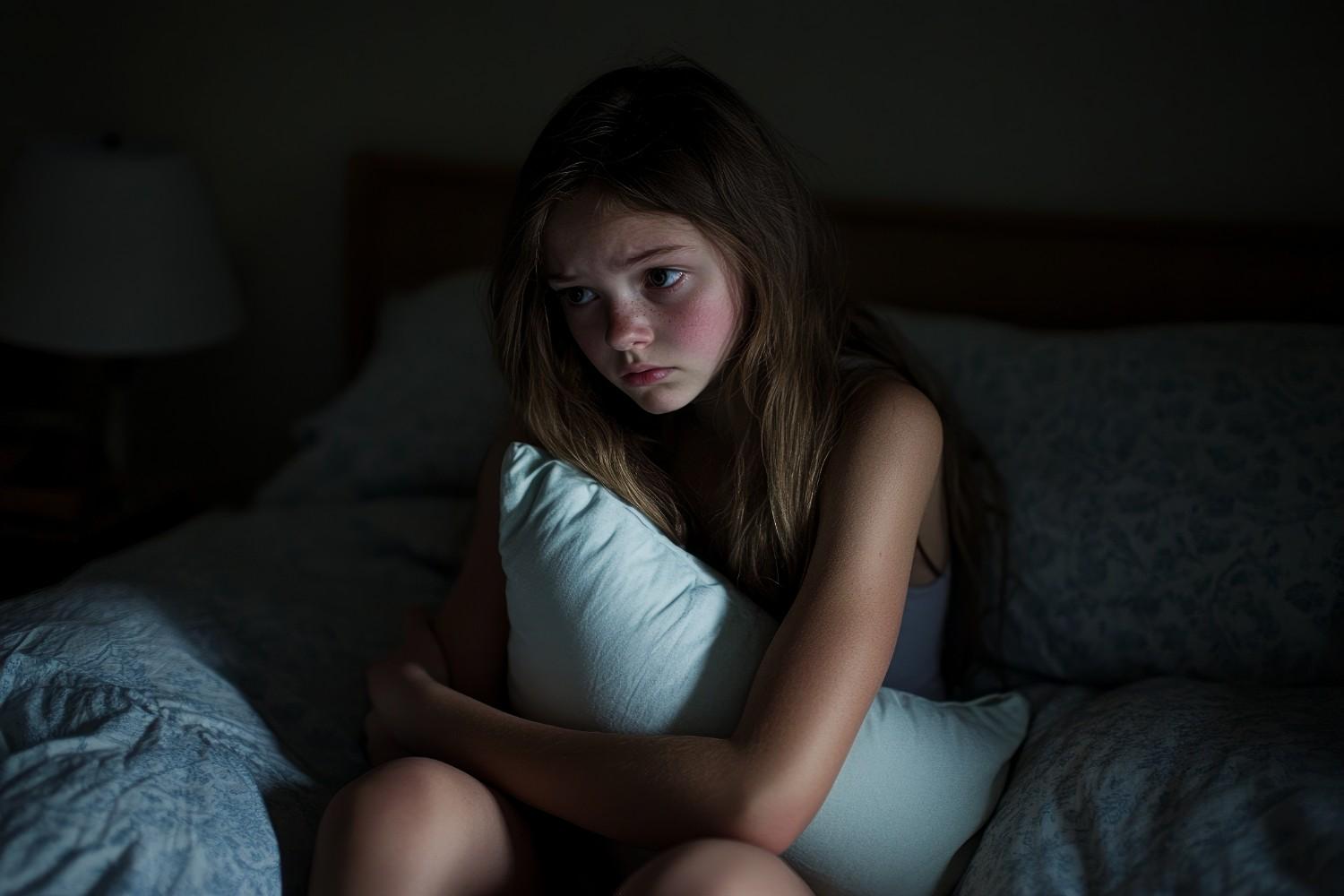
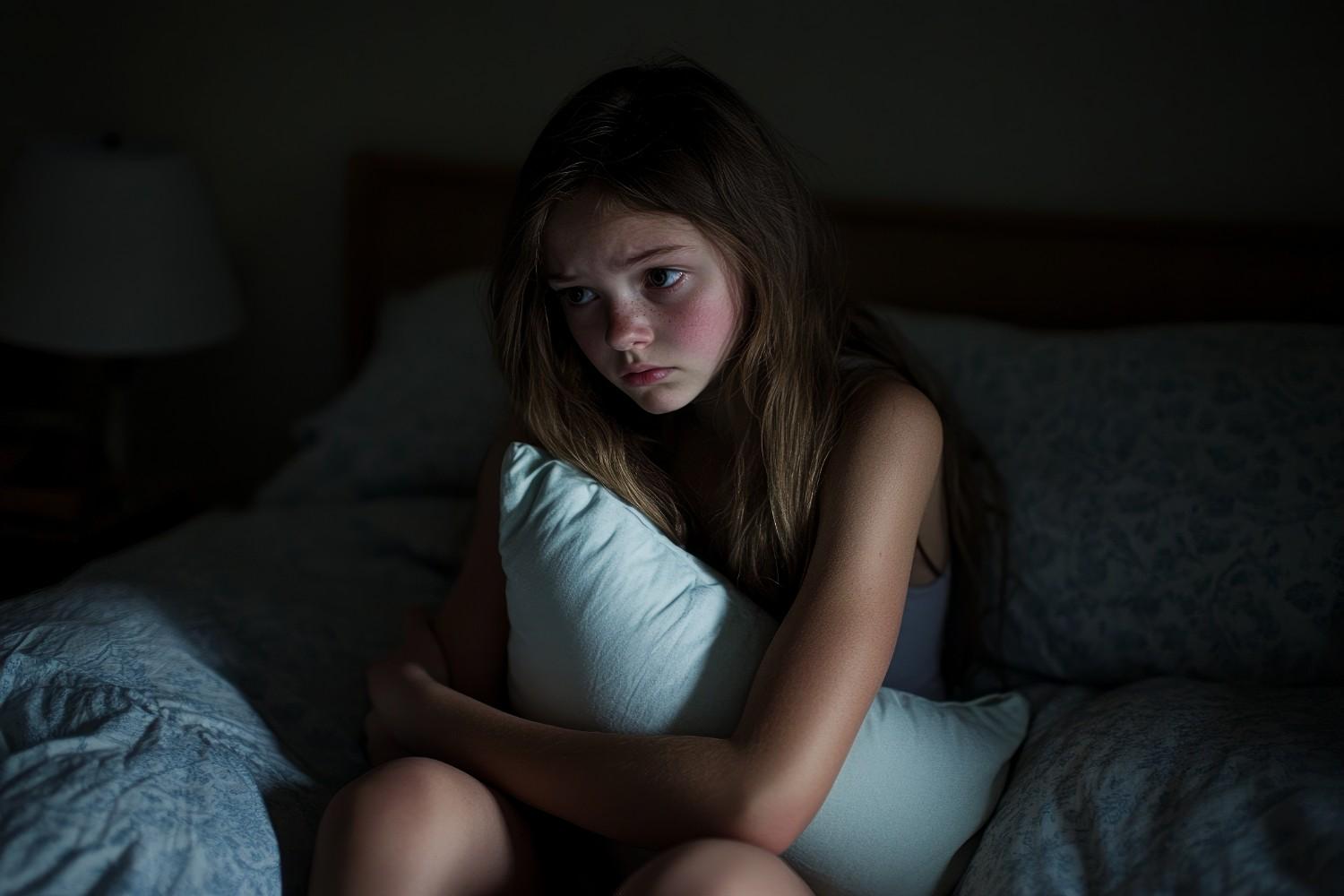
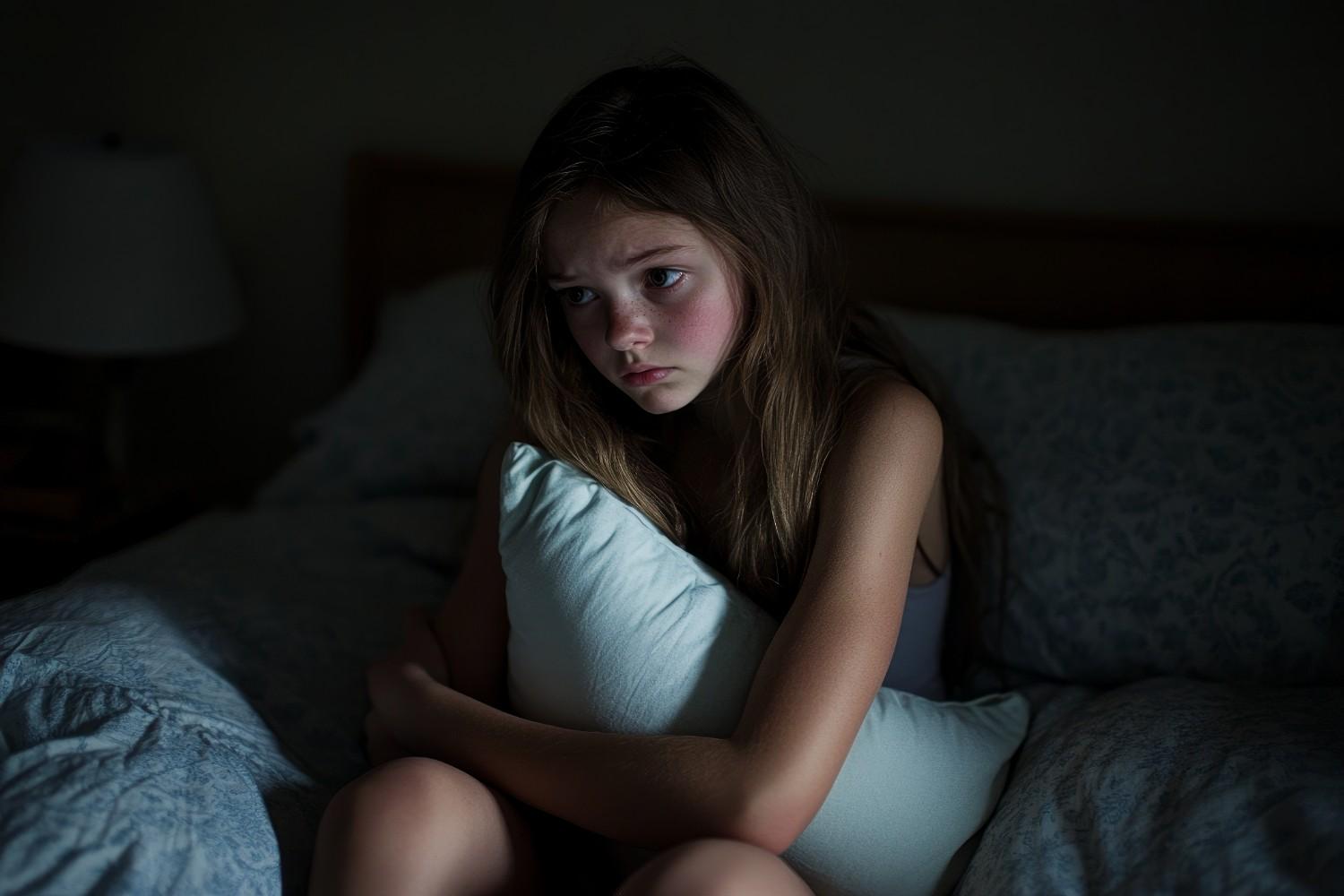
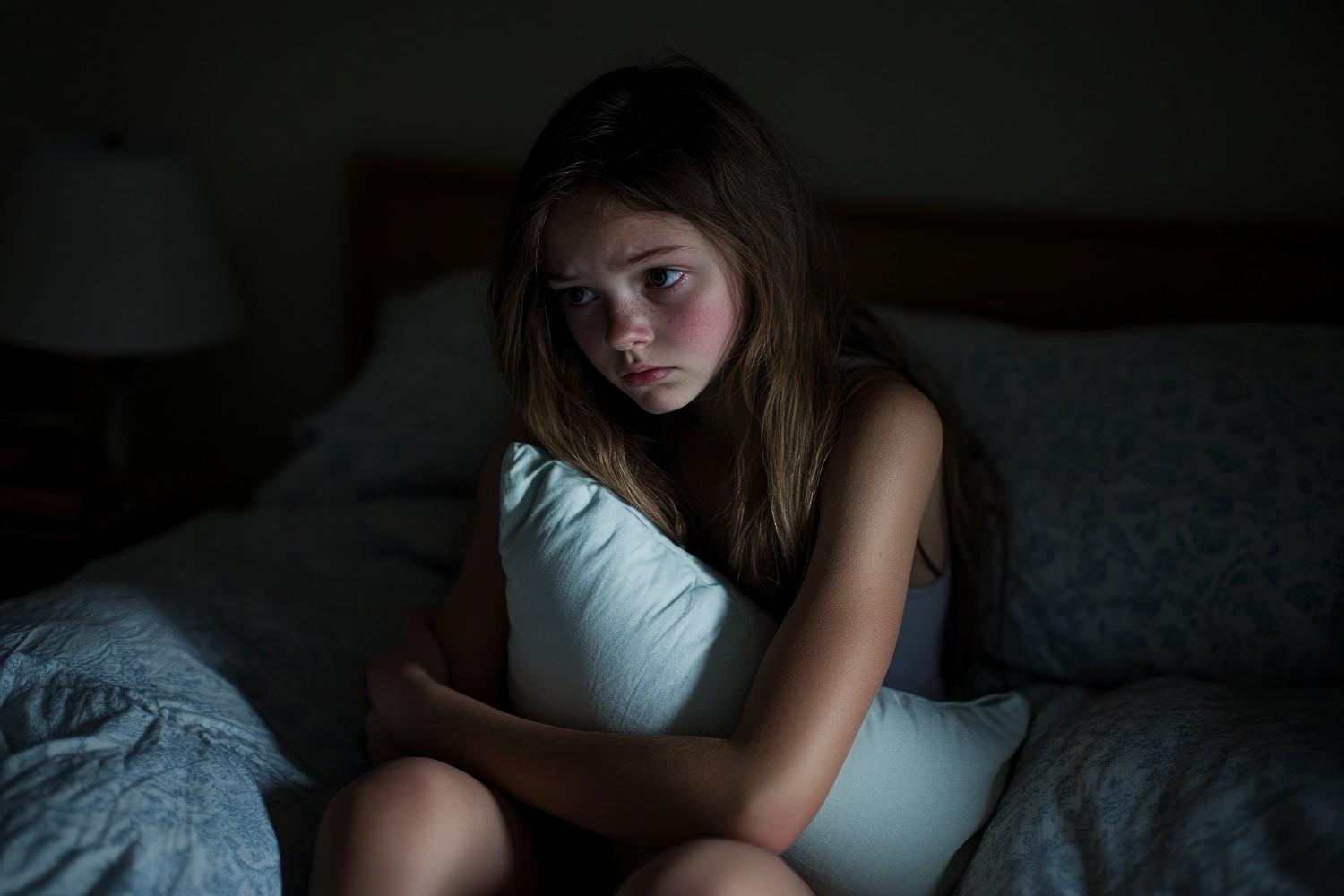
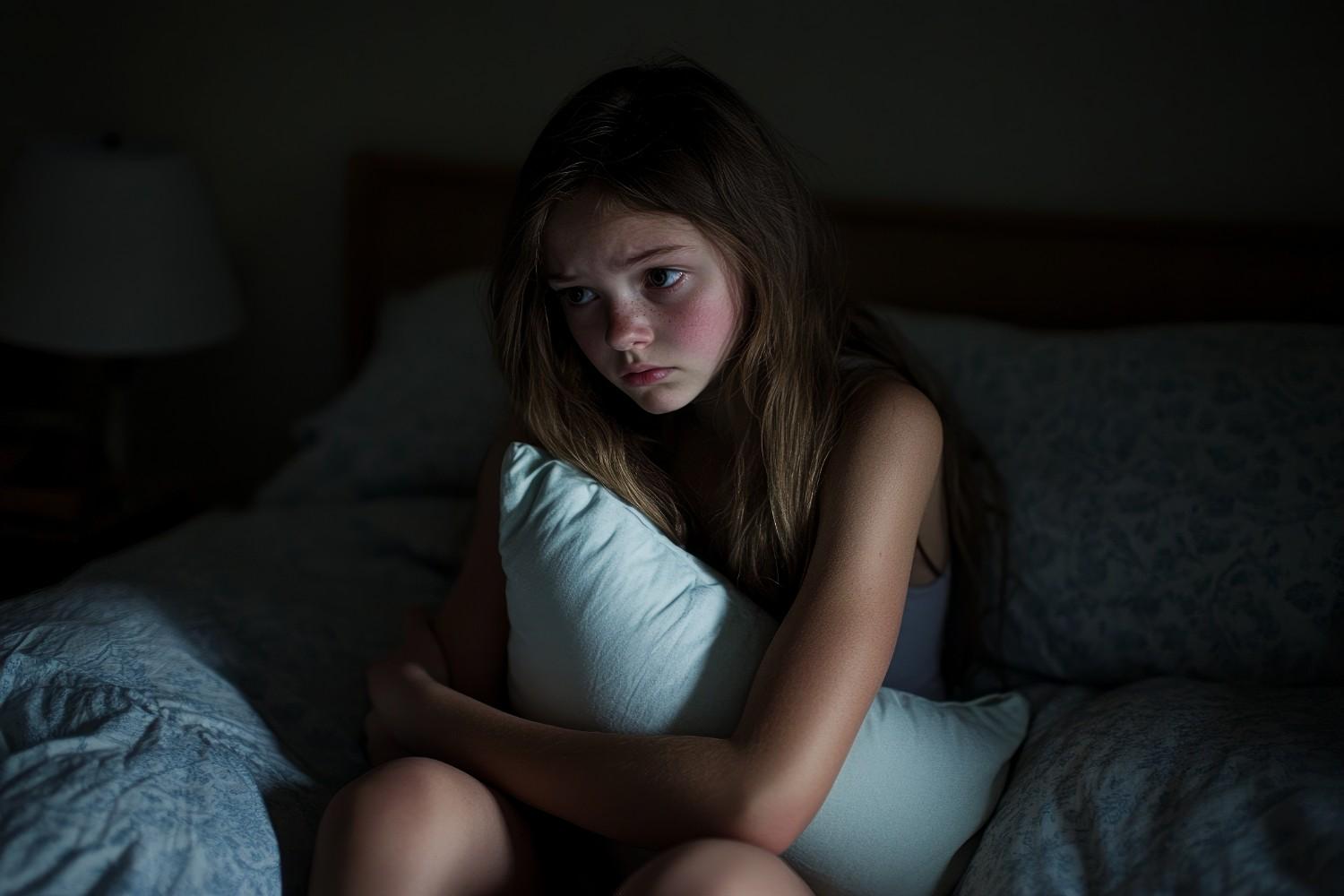
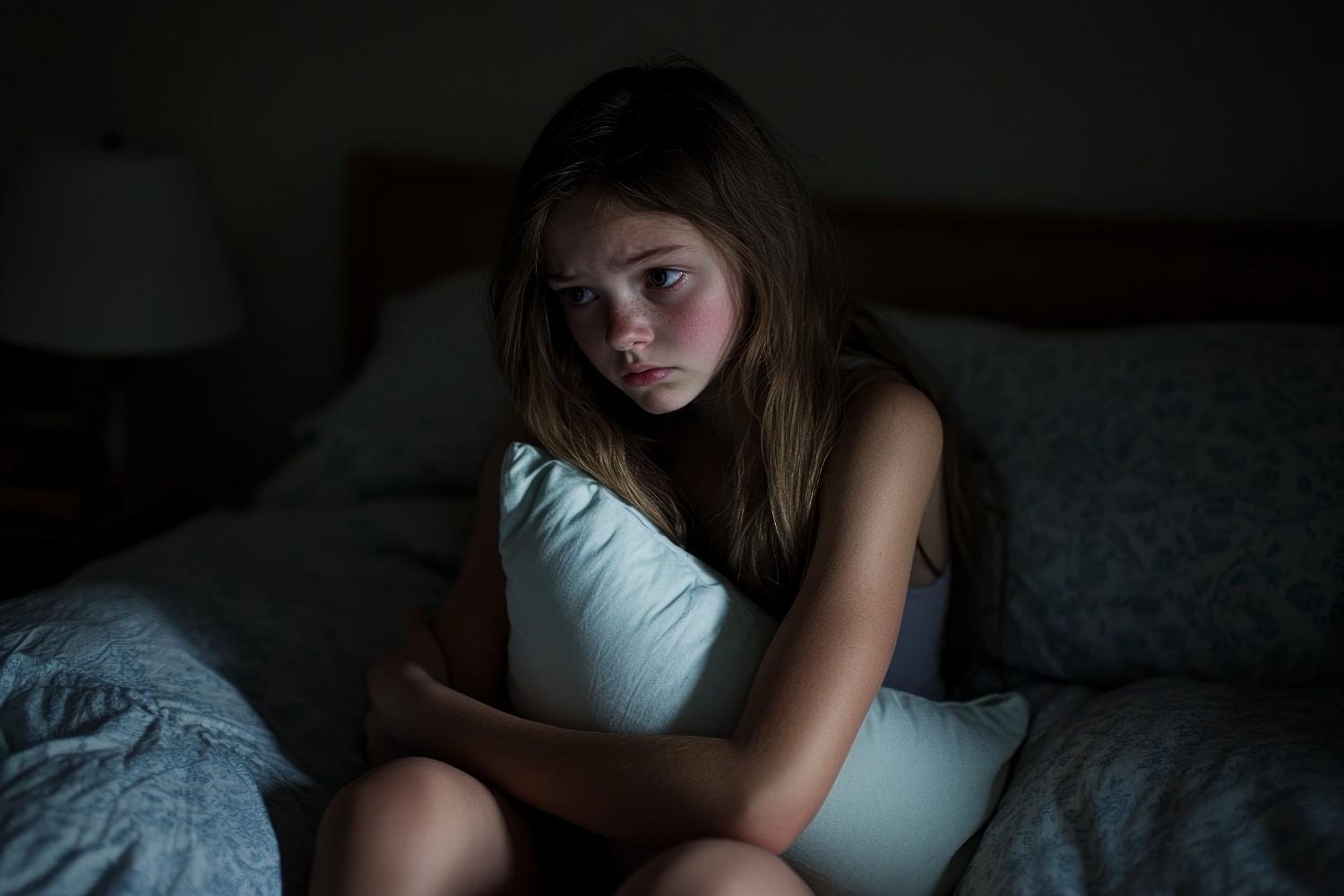
Adolescent girls are frequently affected by dysmenorrhea, which is defined as unpleasant menstrual cramps that happen either before or during periods. Although underlying problems may also play a role, hormonal changes that result in uterine contractions are frequently the cause. Lower abdomen pain, back pain, nausea, and exhaustion are some of the symptoms that might affect day-to-day activities and quality of life.
Learning Outcomes
What you'll learn
- Define dysmenorrhoea and understand its causes in teens
- Identify common symptoms and their impact on daily life
- Differentiate between primary and secondary dysmenorrhoea
- Explain diagnostic approaches and when to seek medical help
- Understand treatment and pain management options
- Apply lifestyle strategies to reduce menstrual discomfort
Stay updated with our


Learning Outcomes
What you'll learn
- Define dysmenorrhoea and understand its causes in teens
- Identify common symptoms and their impact on daily life
- Differentiate between primary and secondary dysmenorrhoea
- Explain diagnostic approaches and when to seek medical help
- Understand treatment and pain management options
- Apply lifestyle strategies to reduce menstrual discomfort
Stay updated with our
Training Overview
- Introduction to Dysmenorrhoea
- Causes and Types
- Signs and Symptoms
- Diagnosis and Evaluation
- Treatment and Pain Management
- Lifestyle and Self-Care
- Summary
Top reviews
No reviews yet.
You May Also Like
.jpg)
.jpg)
.jpg)


Take Your
Learning Anywhere
Stay on top of your learning with the Care Learning app.


Are you a qualified
Trainer or Instructor?
Join Care Learning as a trainer and deliver high-quality courses to learners across healthcare and workplace training.
Refer a Friend &
Earn Rewards.
Invite healthcare professionals to join Care Learning and get rewarded when your referral successfully joins.
Frequently asked questions
Adolescents suffer from excruciating menstrual cramps during their periods.
Hormonal fluctuations are the primary cause, though they are occasionally connected to illnesses.
While mild discomfort is normal, severe pain has to be assessed by a physician.
Heat therapy, painkillers, and lifestyle modifications can all be beneficial.
if the pain is severe, ongoing, or interferes with day-to-day activities.
Yes, symptoms often reduce with age or proper management.