
Early Menopause
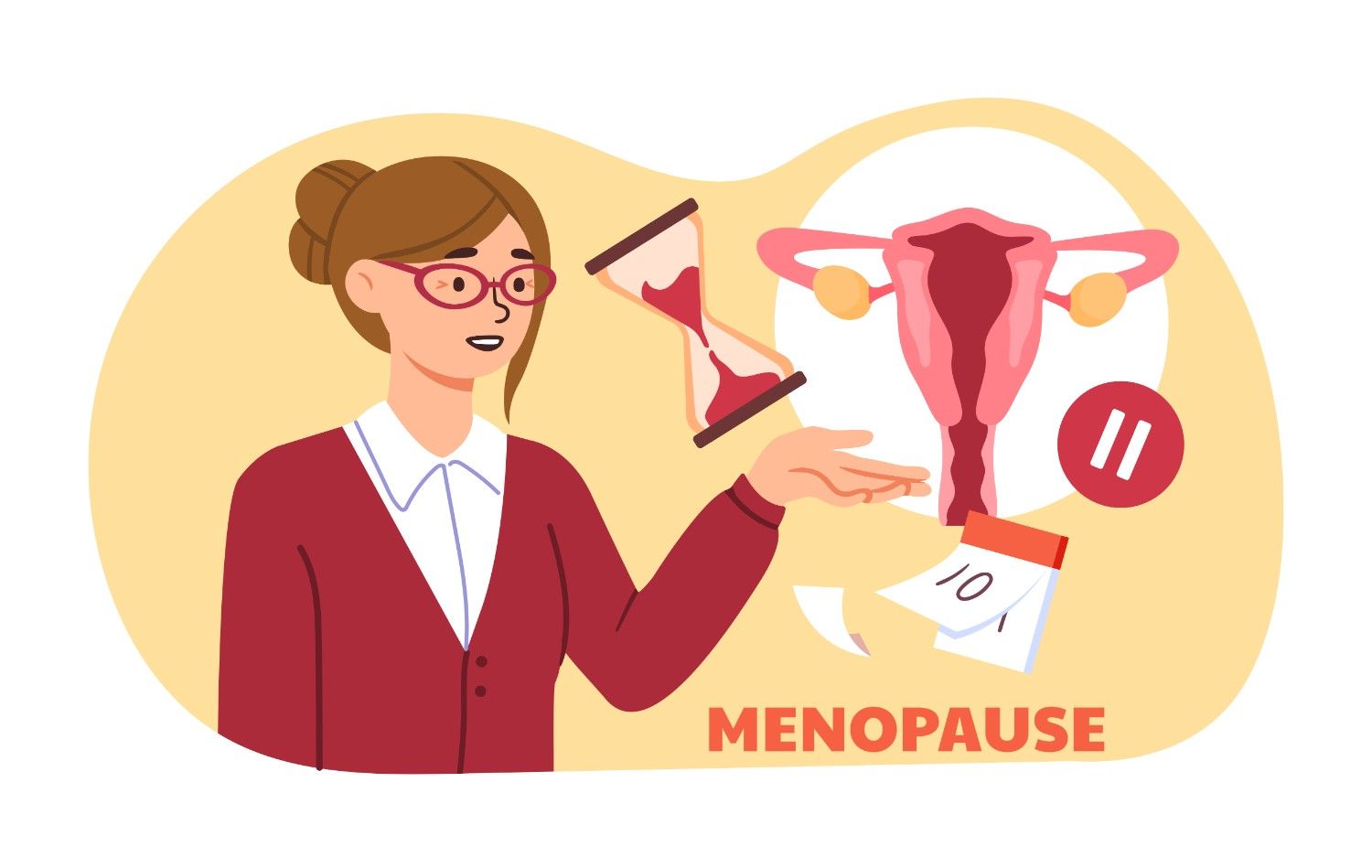
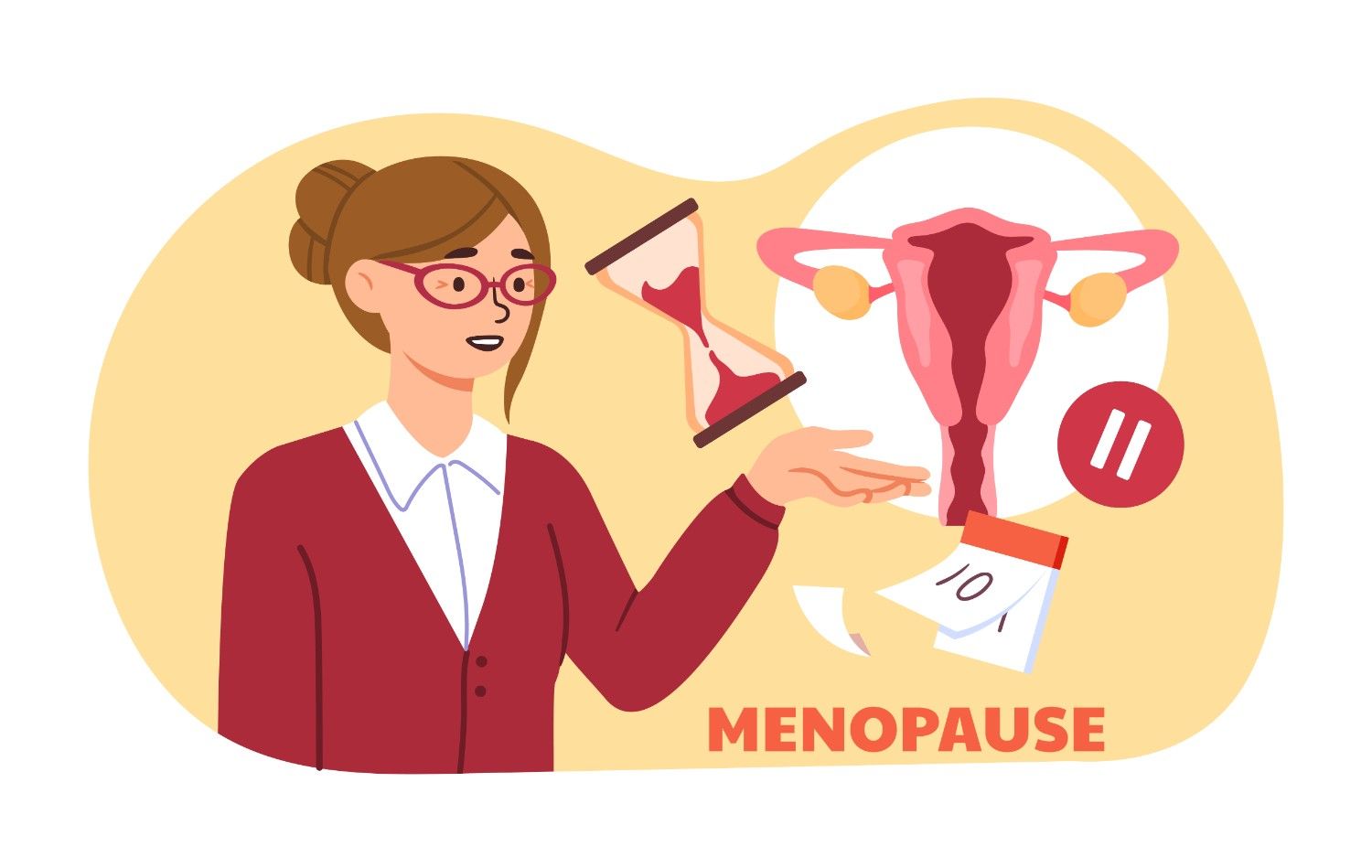
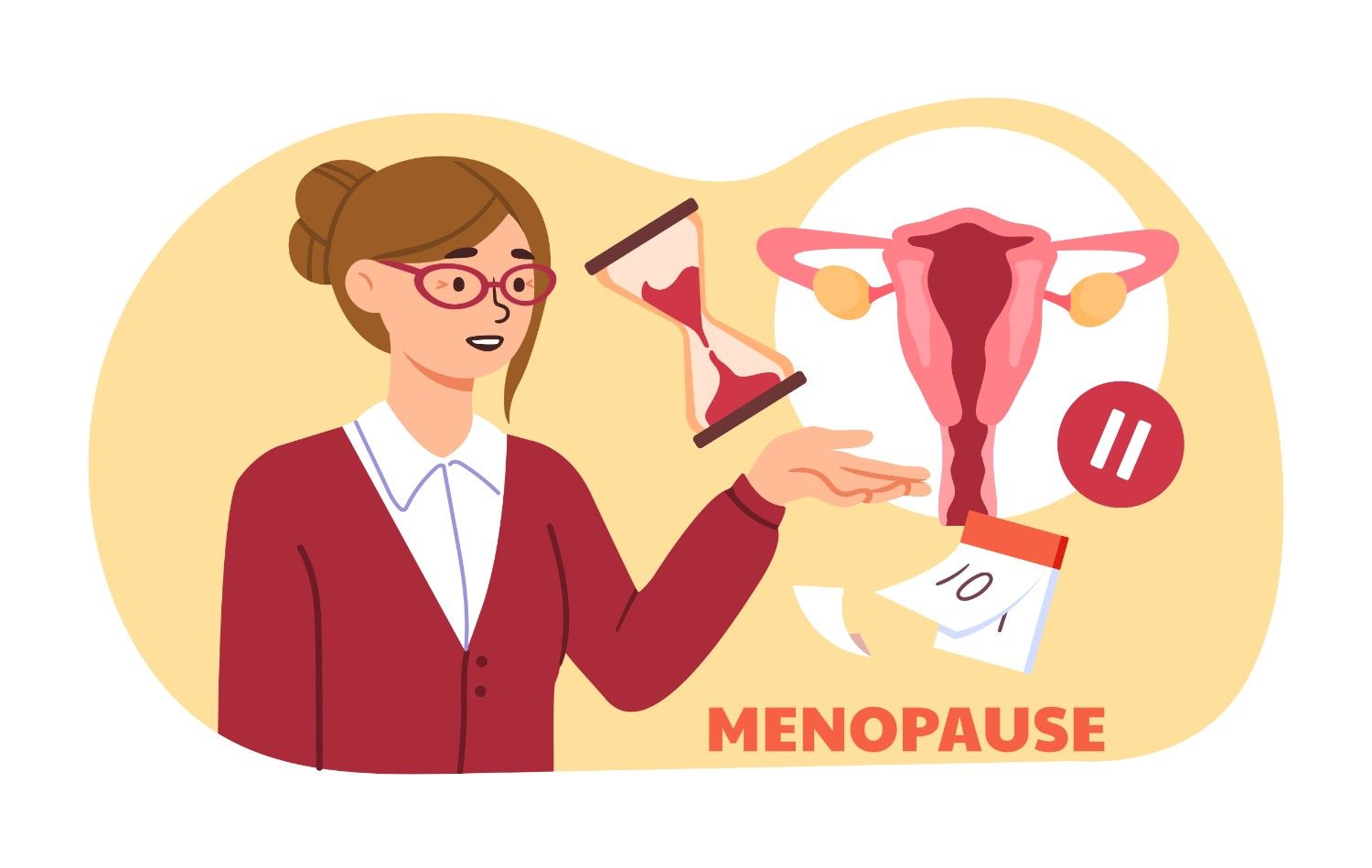
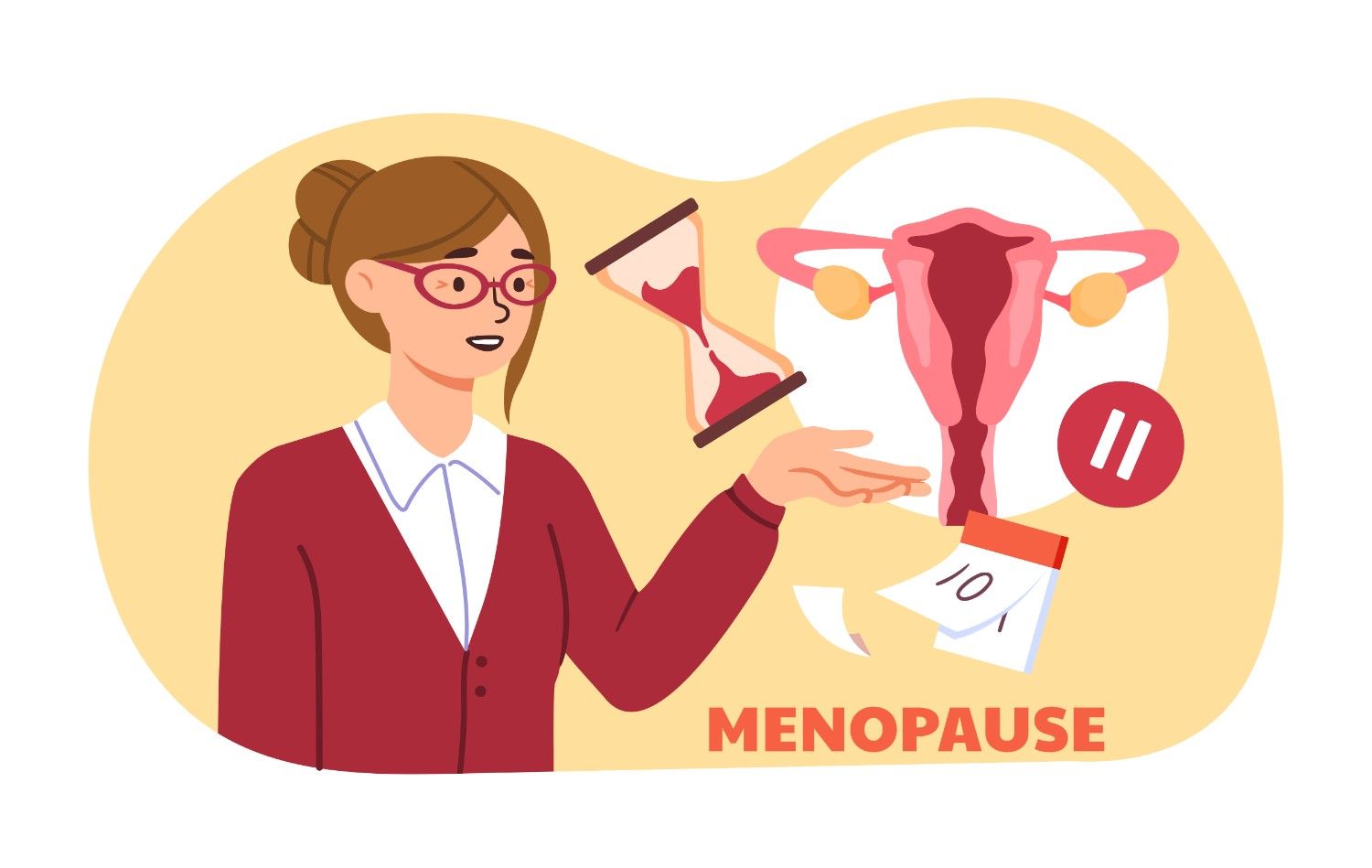
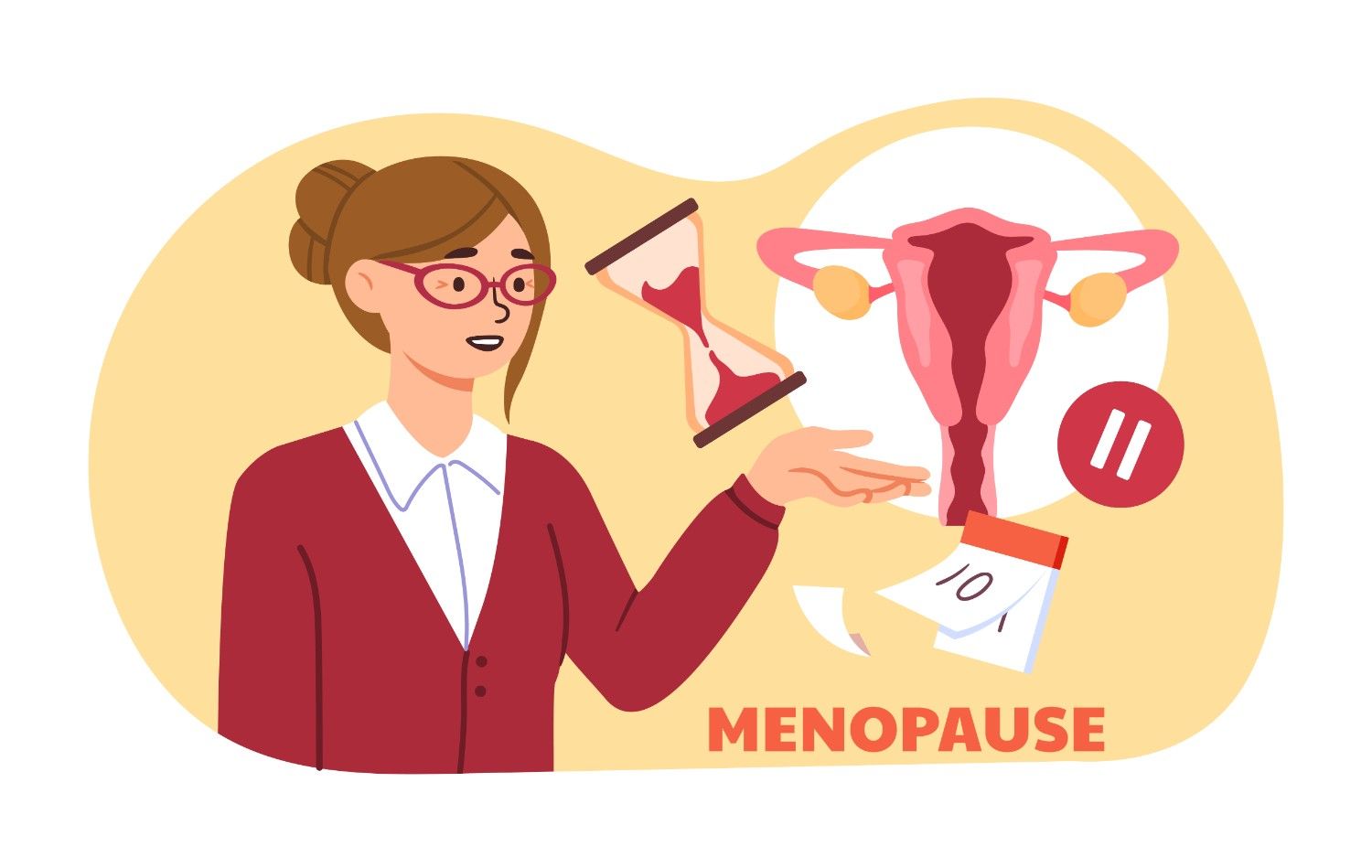
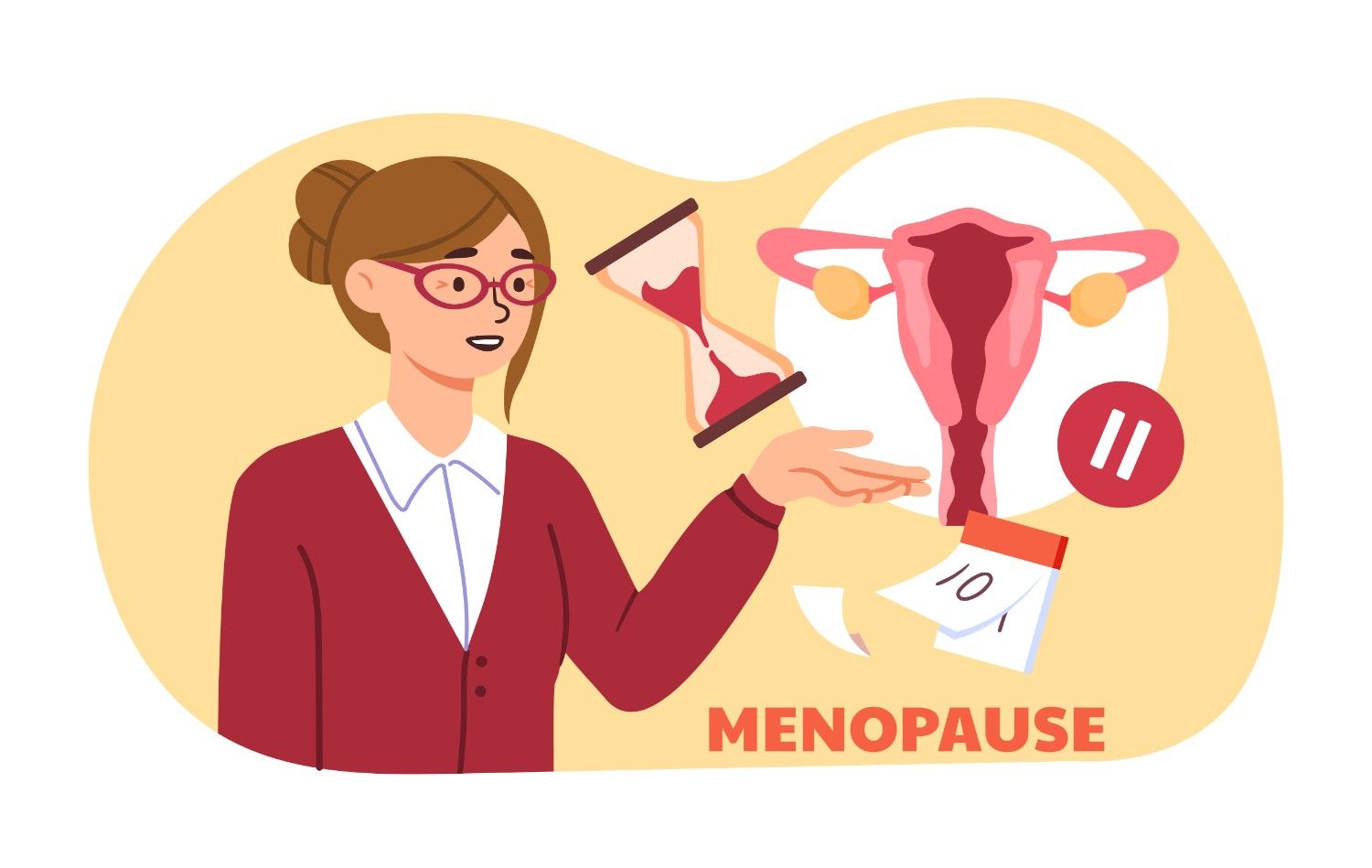
When a woman's menstrual cycles cease before the age of 40 as a result of decreased ovarian function, this is known as early menopause. Genetics, medical interventions, autoimmune diseases, or unidentified causes could be the reason. Frequent symptoms, which frequently call for medical assistance and lifestyle modification, include irregular periods, hot flashes, mood swings, and difficulties conceiving.
Learning Outcomes
What you'll learn
- Describe early menopause and know what causes it.
- Recognize typical symptoms and warning indicators
- Identify risk factors and related medical disorders
- Describe medical examination and diagnostic techniques.
- Recognize your alternatives for management and treatment.
- Use lifestyle techniques to successfully control symptoms
Stay updated with our


Learning Outcomes
What you'll learn
- Describe early menopause and know what causes it.
- Recognize typical symptoms and warning indicators
- Identify risk factors and related medical disorders
- Describe medical examination and diagnostic techniques.
- Recognize your alternatives for management and treatment.
- Use lifestyle techniques to successfully control symptoms
Stay updated with our
Training Overview
- Introduction to Early Menopause
- Causes and Risk Factors
- Signs and Symptoms
- Diagnosis and Evaluation
- Treatment and Management
- Lifestyle and Long-Term Care
- Summary
Top reviews
No reviews yet.
You May Also Like
.jpg)
.jpg)
.jpg)




Take Your
Learning Anywhere
Stay on top of your learning with the Care Learning app.


Are you a qualified
Trainer or Instructor?
Join Care Learning as a trainer and deliver high-quality courses to learners across healthcare and workplace training.
Refer a Friend &
Earn Rewards.
Invite healthcare professionals to join Care Learning and get rewarded when your referral successfully joins.
Frequently asked questions
It is menopause that occurs before the age of 40 due to reduced ovarian function.
Genetics, autoimmune diseases, medical interventions, and unidentified causes are among the causes.
Period irregularities, heat flashes, mood changes, and sleep problems are among the symptoms.
Indeed, it can lower fertility, but there are several treatments that might be beneficial.
Through symptom assessment and hormone tests like FSH and estrogen levels.
While it cannot be reversed, symptoms can be managed with treatments and lifestyle changes.