
Gluten-Free Diet – A Practical Guide
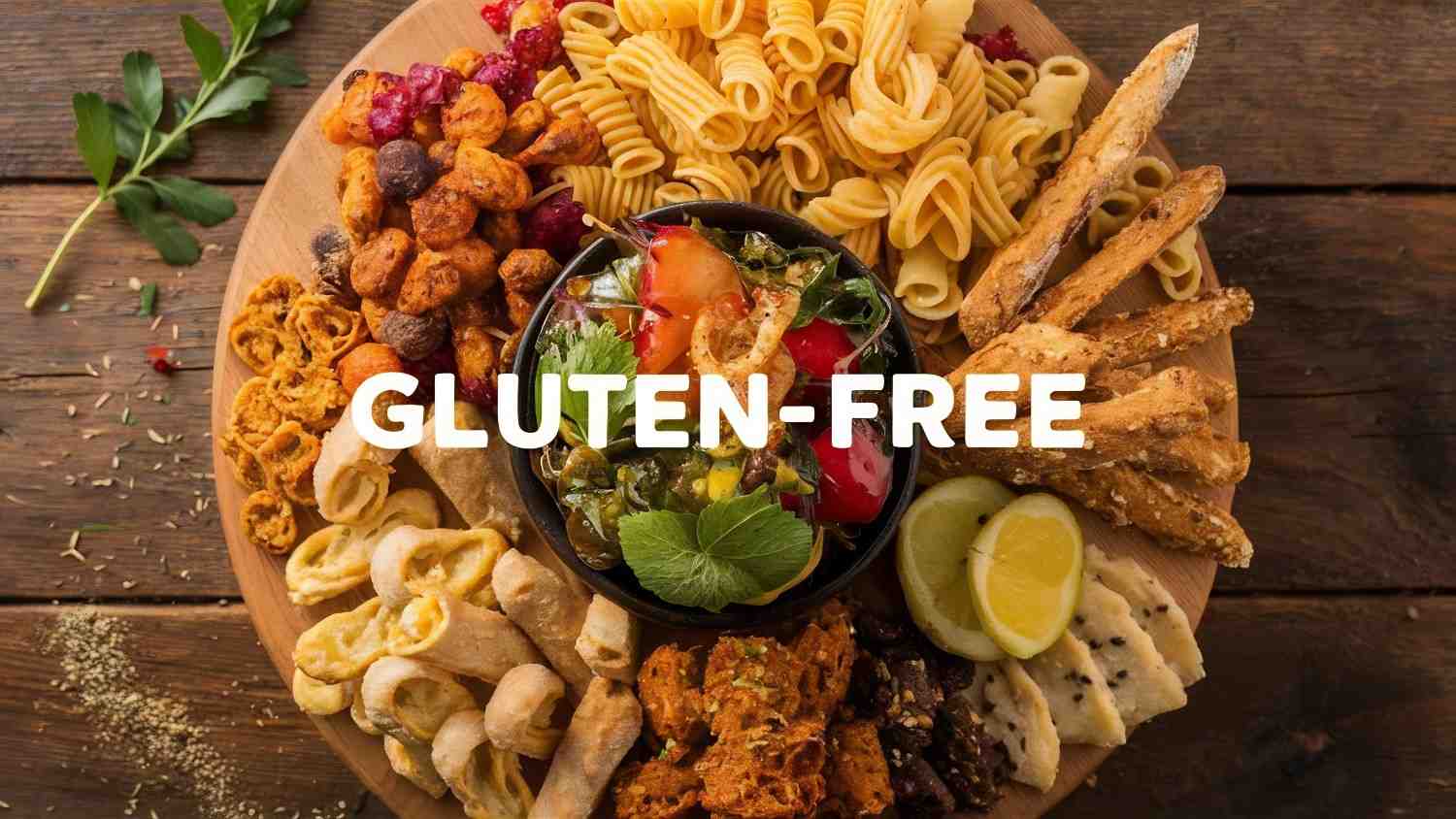
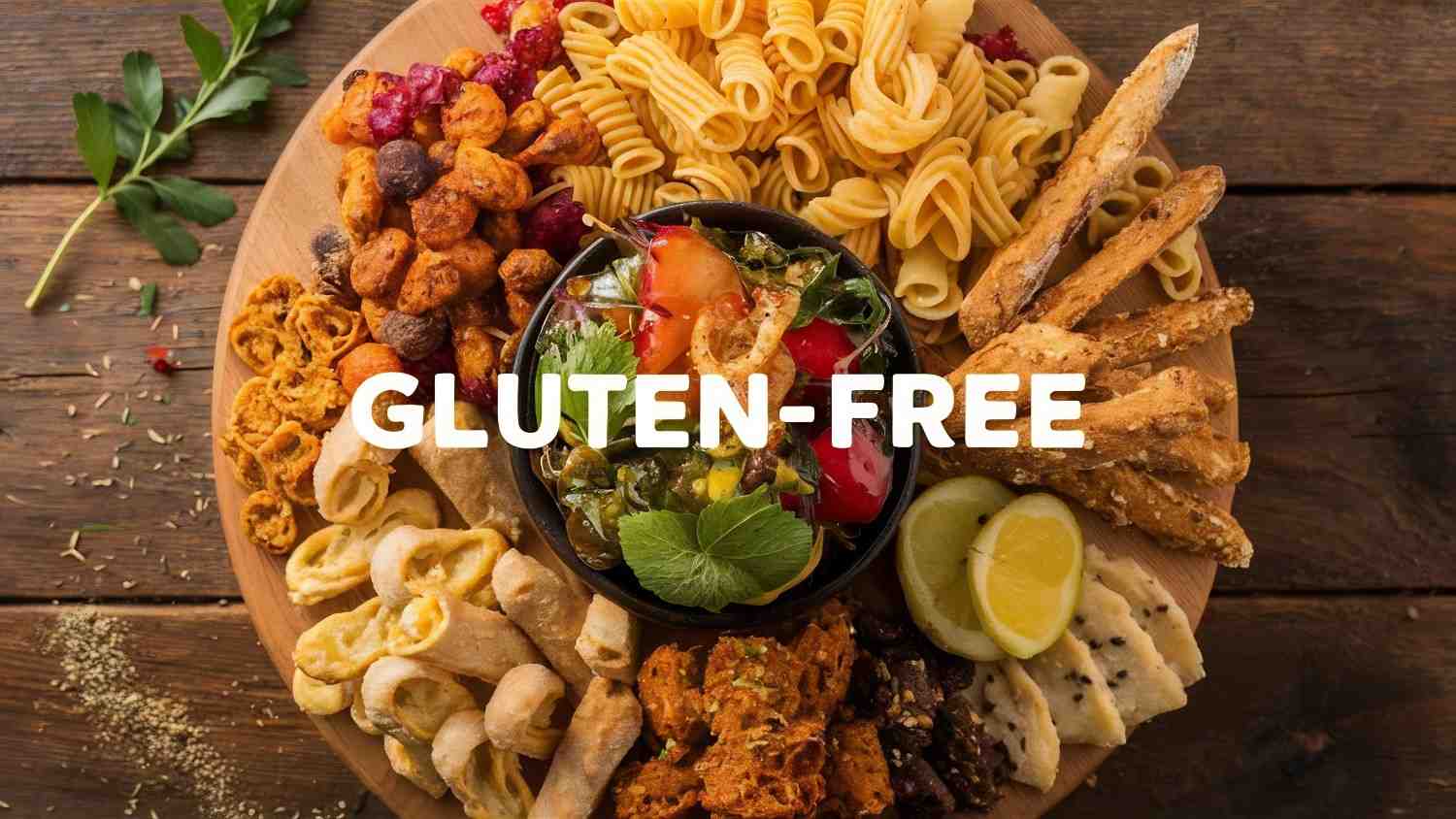
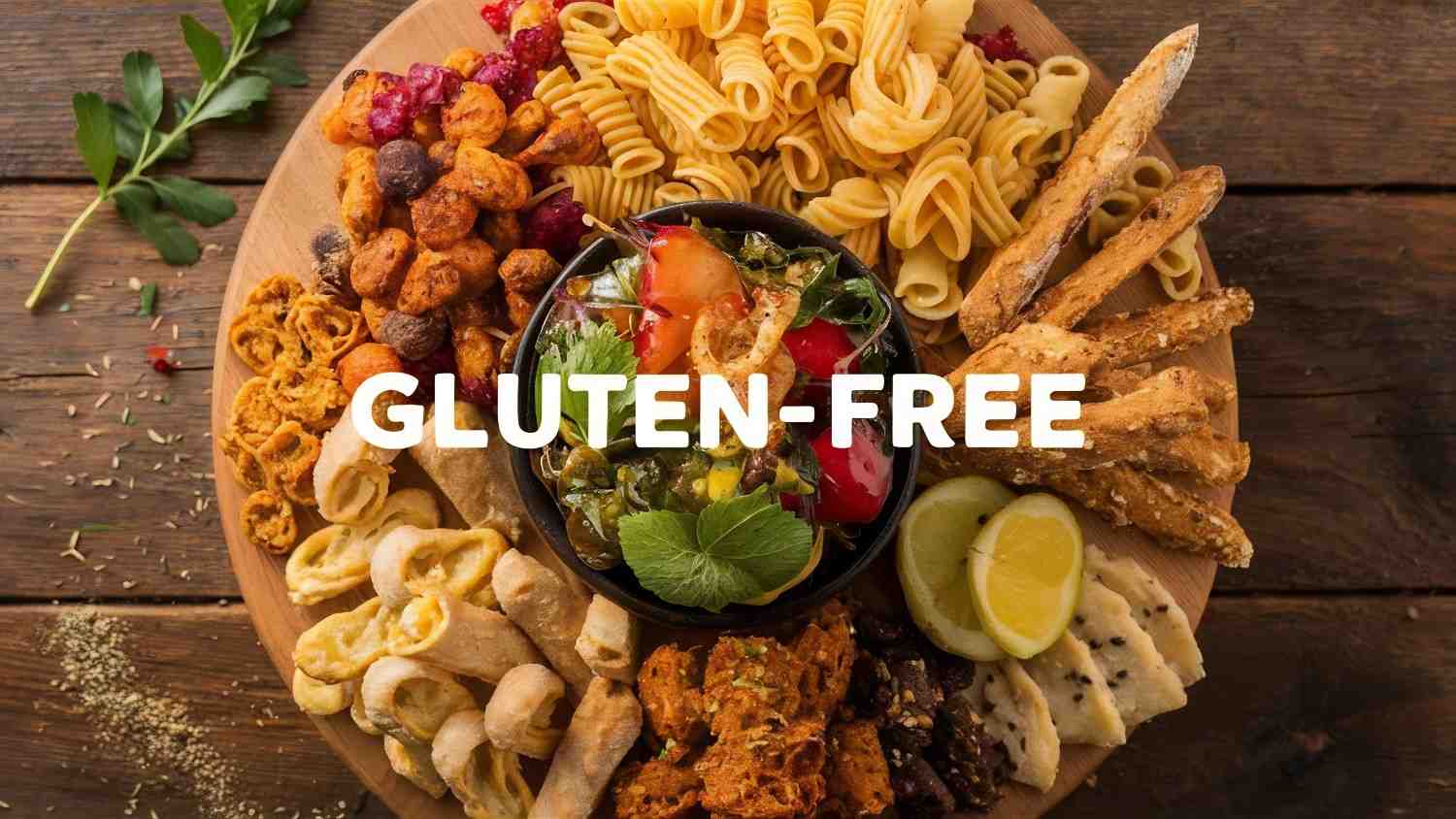
A gluten-free diet is a structured nutritional approach that eliminates gluten, a protein found in wheat, barley, and rye. It is essential for individuals with conditions such as coeliac disease, where gluten triggers an immune response that damages the small intestine. Celiac Disease requires strict lifelong dietary adherence to prevent complications. Beyond coeliac disease, gluten-free diets are also used in managing non-coeliac gluten sensitivity and wheat allergy. These conditions may present with gastrointestinal symptoms, fatigue, and systemic effects. However, unlike coeliac disease, they do not cause the same level of intestinal damage.
.jpg)
Learning Outcomes
What you'll learn
- Understand the role of gluten in health and disease.
- Identify conditions requiring a gluten-free diet.
- Recognise sources of gluten in food.
- Apply practical strategies for implementing a gluten-free diet.
- Identify nutritional risks and deficiencies.
- Support patients in long-term dietary adherence.
Stay updated with our


Learning Outcomes
What you'll learn
- Understand the role of gluten in health and disease.
- Identify conditions requiring a gluten-free diet.
- Recognise sources of gluten in food.
- Apply practical strategies for implementing a gluten-free diet.
- Identify nutritional risks and deficiencies.
- Support patients in long-term dietary adherence.
Stay updated with our
Training Overview
- Understanding Gluten and Related Disorders
- Principles of a Gluten-Free Diet
- Identifying Hidden Sources of Gluten
- Nutritional Considerations and Risks
- Practical Implementation in Daily Life
- Supporting Long-Term Adherence
- Summary
.jpg)
.jpg)
.jpg)
.jpg)
Top reviews
No reviews yet.
You May Also Like
.jpg)
.jpg)
.jpg)




Take Your
Learning Anywhere
Stay on top of your learning with the Care Learning app.


Are you a qualified
Trainer or Instructor?
Join Care Learning as a trainer and deliver high-quality courses to learners across healthcare and workplace training.
Refer a Friend &
Earn Rewards.
Invite healthcare professionals to join Care Learning and get rewarded when your referral successfully joins.
Frequently asked questions
A diet that excludes gluten, a protein found in wheat, barley, and rye.
People with coeliac disease, gluten sensitivity, or wheat allergy.
Only if labelled gluten-free due to risk of contamination.
Bread, pasta, cereals, cakes, and processed foods.
Only when balanced and properly planned.
To prevent symptoms and long-term complications.