
Infant Nutrition Cases
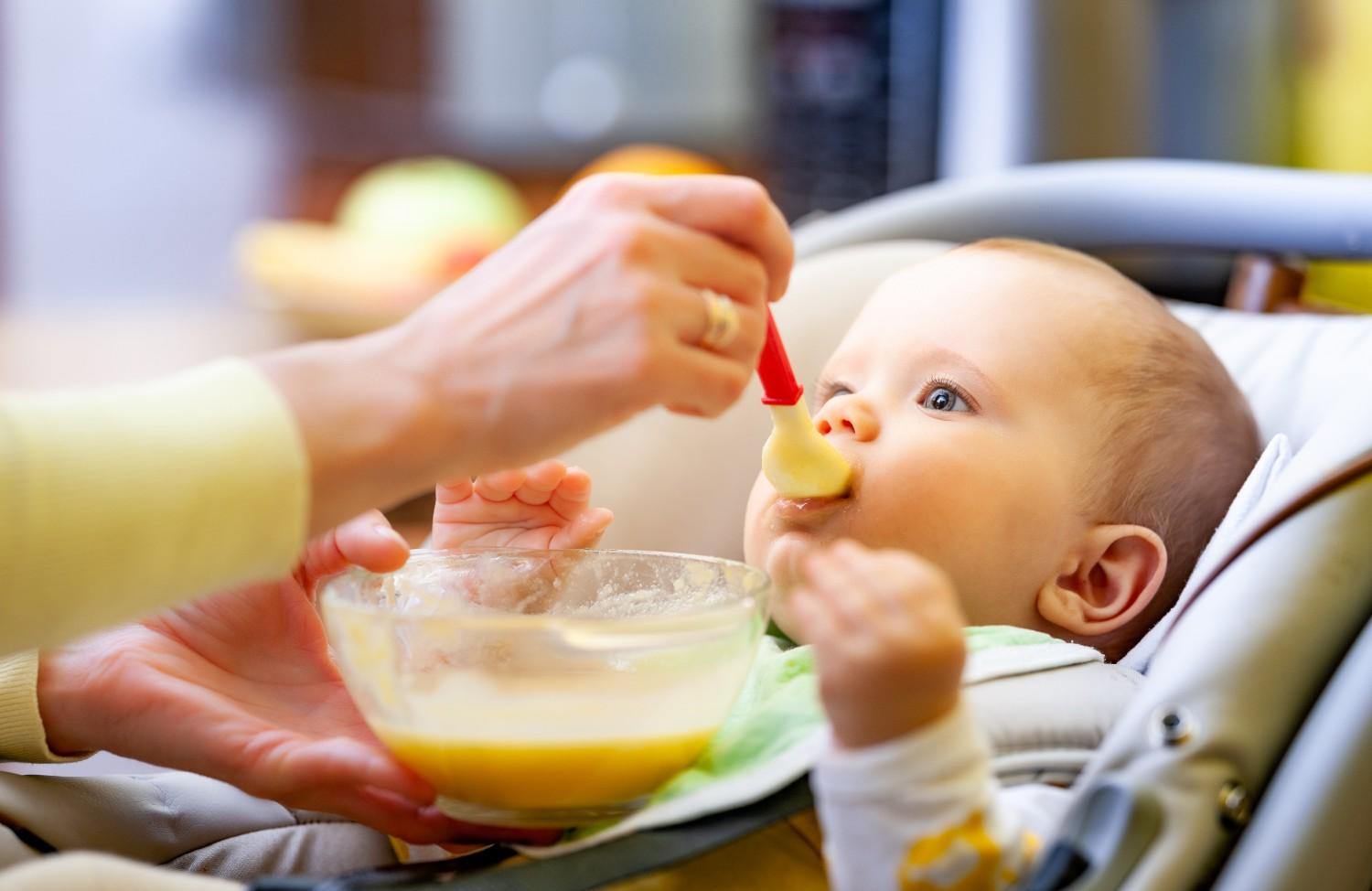
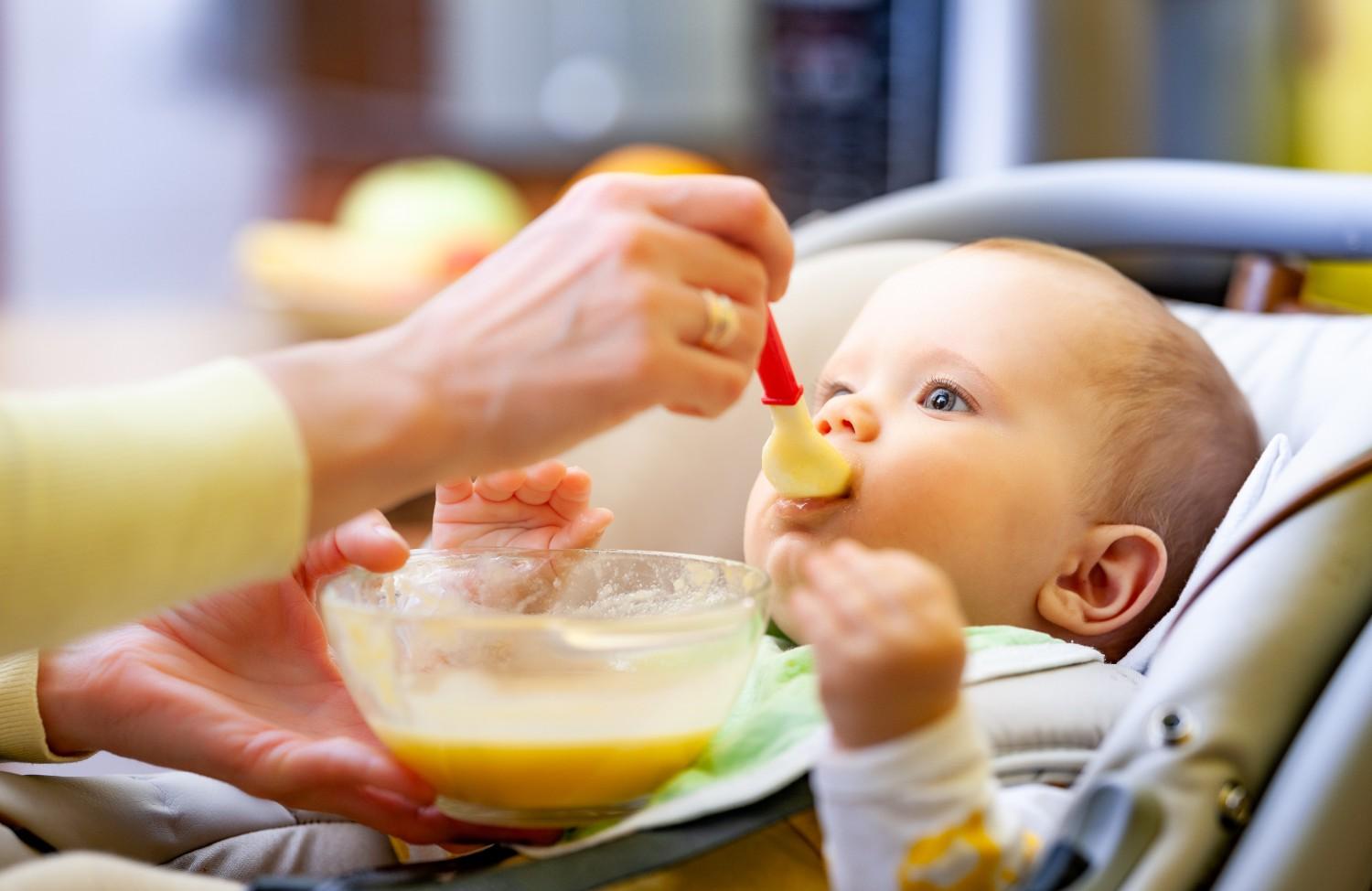
Cases involving infant nutrition offer useful insights on identifying and addressing typical feeding and nutritional issues in early life. In order to assist healthcare workers in applying clinical knowledge in recognizing nutritional needs, inadequacies, and feeding challenges, this module focuses on real-life scenarios. It encourages evidence-based decision-making to assist infants' healthy growth and development.
Learning Outcomes
What you'll learn
- The principles of infant nutrition and growth
- Identify common nutritional issues in infants
- Analyse case-based scenarios effectively
- Apply appropriate feeding and management strategies
- Recognise signs of nutritional deficiencies
- Provide guidance and support to caregivers


Learning Outcomes
What you'll learn
- The principles of infant nutrition and growth
- Identify common nutritional issues in infants
- Analyse case-based scenarios effectively
- Apply appropriate feeding and management strategies
- Recognise signs of nutritional deficiencies
- Provide guidance and support to caregivers
Modules
- Foundations of Infant Nutrition
- Identify common nutritional issues in infants
- Case-Based Assessment
- Management and Feeding Strategies
- Supporting Caregivers
- Summary
Top reviews
No reviews yet.
You May Also Like





.jpg)
Learn Anytime
Anywhere
Experience the next level of learning with the Care Learning app. Available on Android and iOS.


Come and Work
with Us!
Join us as a healthcare trainer providing practical sessions to professionals and workers.
Apply for Trainer RoleIn-Person Practical
Healthcare Training
Enroll in our accredited, hands-on practical training sessions to deliver better patientcentred care.
Apply for TrainingRefer &
Earn Rewards.
Invite healthcare professionals to join Care Learning and earn rewards for every successful referral.
Frequently Asked Questions
It supports growth, brain development, and overall health.
Poor feeding, reflux, allergies, and slow weight gain.
Through feeding history, growth monitoring, and clinical evaluation.
They play a key role in feeding practices and monitoring.
When infants have allergies, intolerances, or specific medical needs.
It prevents complications and supports healthy development.