
Iron Deficiency in Practice (Verification)
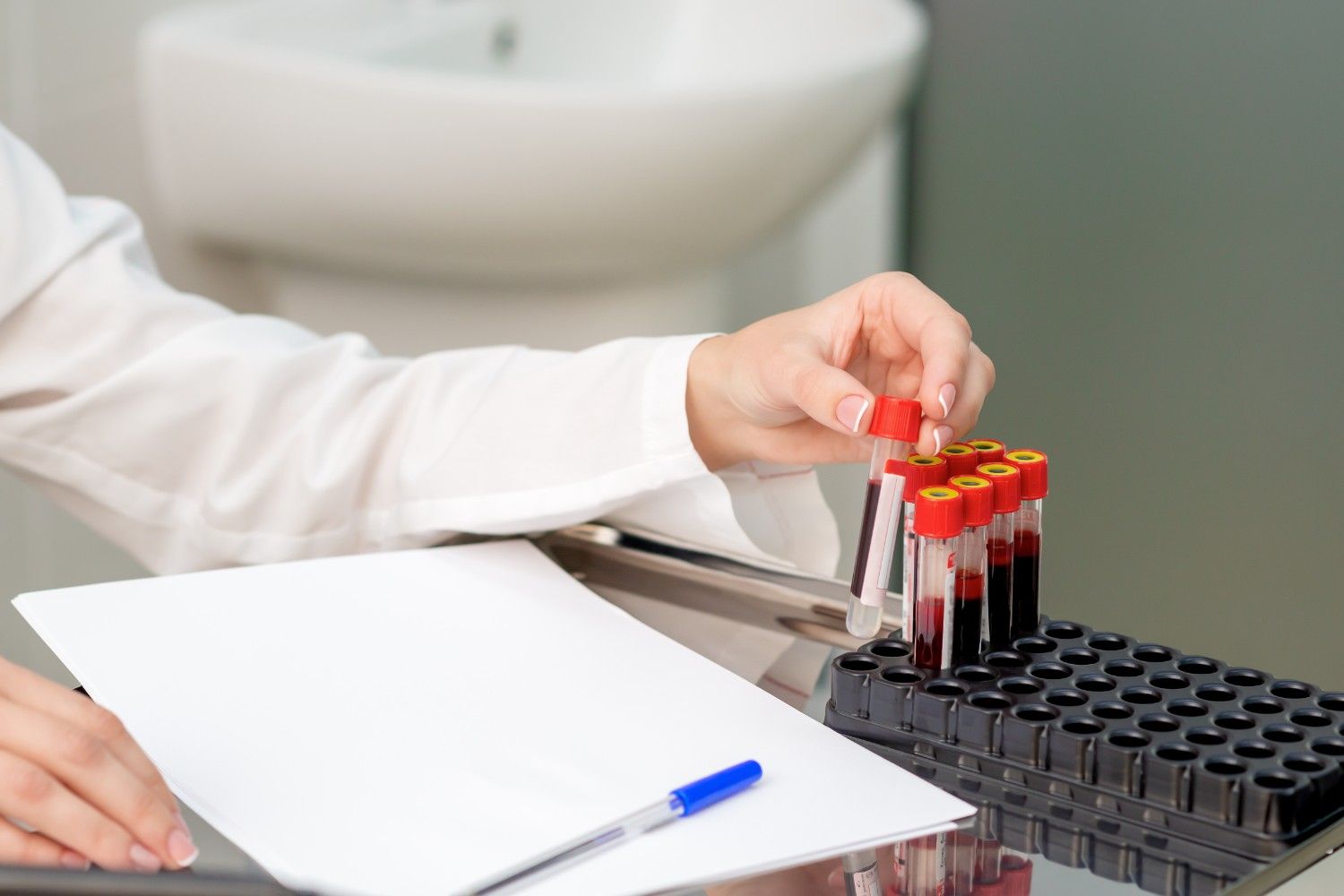
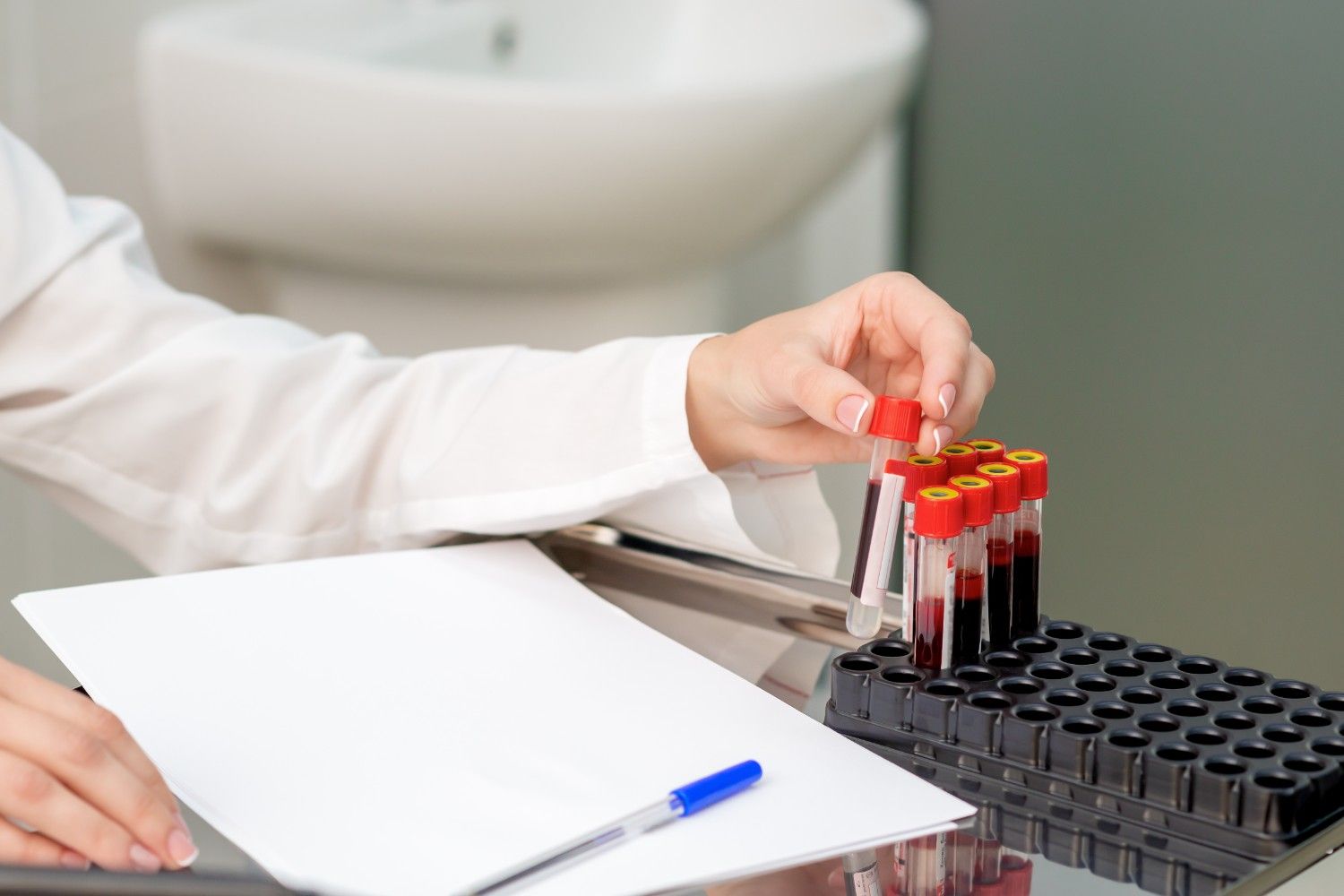
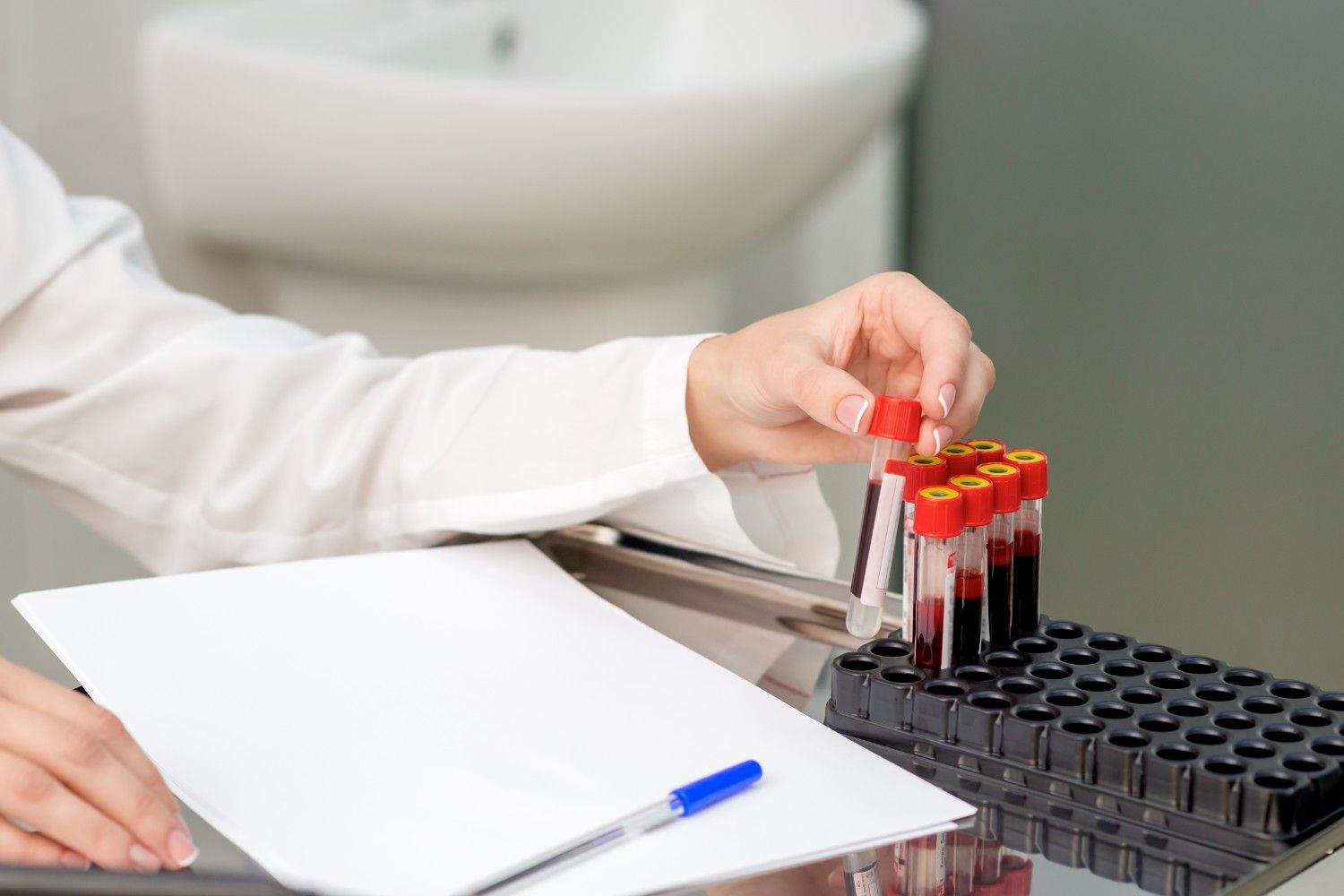
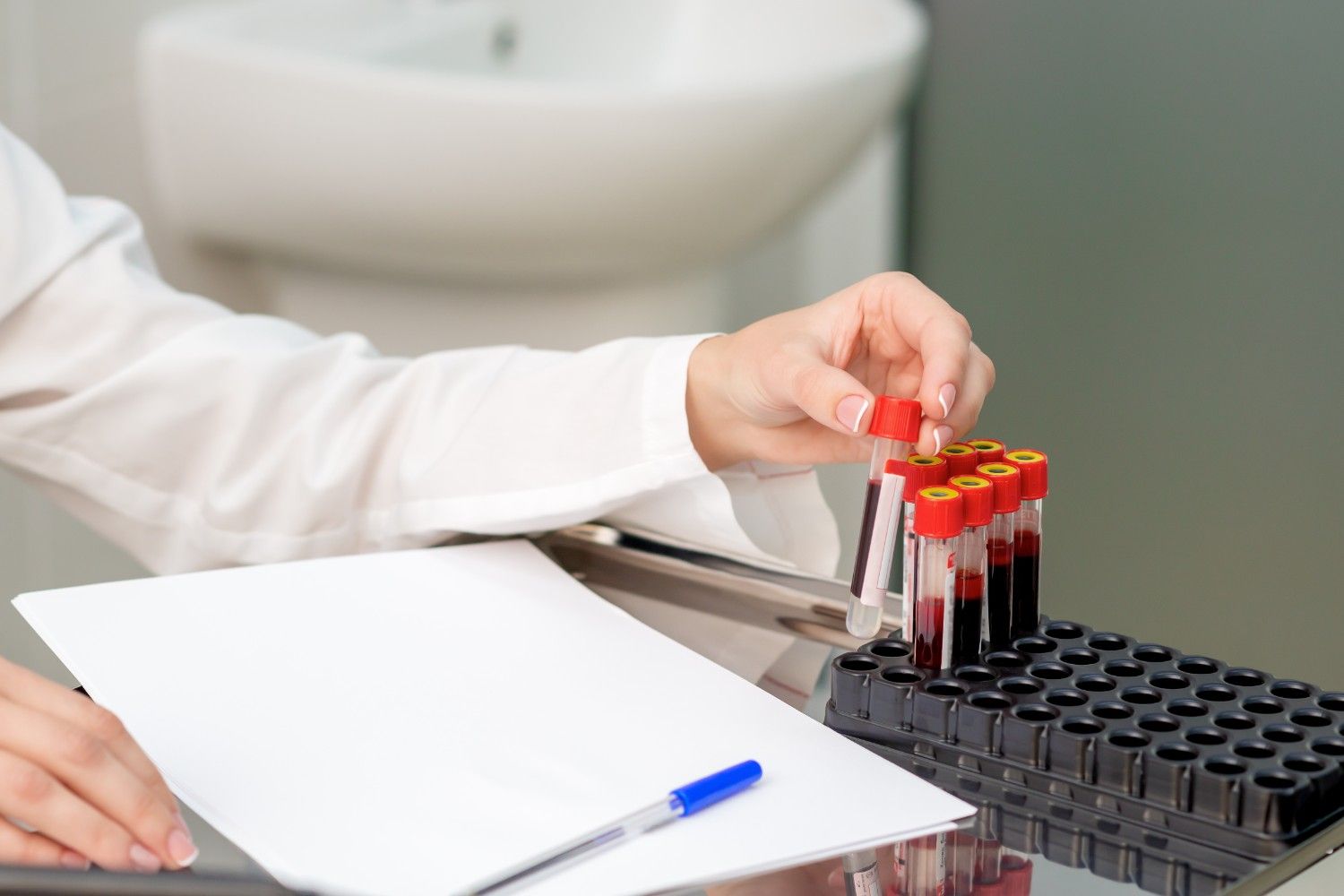
In practice, iron deficiency refers to the detection, confirmation, and treatment of low iron levels in patients in various clinical contexts. It emphasizes how crucial it is to accurately assess patients using laboratory tests, clinical indicators, and patient histories. In order to avoid problems like anemia and decreased functional capacity, effective verification guarantees prompt treatment.
Learning Outcomes
What you'll learn
- Understand the causes and impact of iron deficiency
- Identify common signs and symptoms in patients
- Interpret key laboratory results for verification
- Apply appropriate assessment techniques in practice
- Support effective treatment and management plans
- Educate patients on prevention and long-term care
Stay updated with our


Learning Outcomes
What you'll learn
- Understand the causes and impact of iron deficiency
- Identify common signs and symptoms in patients
- Interpret key laboratory results for verification
- Apply appropriate assessment techniques in practice
- Support effective treatment and management plans
- Educate patients on prevention and long-term care
Stay updated with our
Training Overview
- Understanding Iron Deficiency
- Recognising Clinical Signs
- Laboratory Verification
- Assessment in Clinical Practice
- Management and Treatment
- Summary
Top reviews
No reviews yet.
You May Also Like
.jpg)
.jpg)
.jpg)




Take Your
Learning Anywhere
Stay on top of your learning with the Care Learning app.


Are you a qualified
Trainer or Instructor?
Join Care Learning as a trainer and deliver high-quality courses to learners across healthcare and workplace training.
Refer a Friend &
Earn Rewards.
Invite healthcare professionals to join Care Learning and get rewarded when your referral successfully joins.
Frequently asked questions
A condition where the body lacks sufficient iron to function properly.
Poor diet, blood loss, or chronic health conditions.
Through symptoms assessment and laboratory tests like ferritin and haemoglobin.
Women, children, pregnant individuals, and those with chronic illnesses.
Iron supplements, dietary changes, and treating underlying causes.
Yes, through balanced nutrition and regular health checks.