
Irregular Periods in Adolescents – It's Not Always PCOS
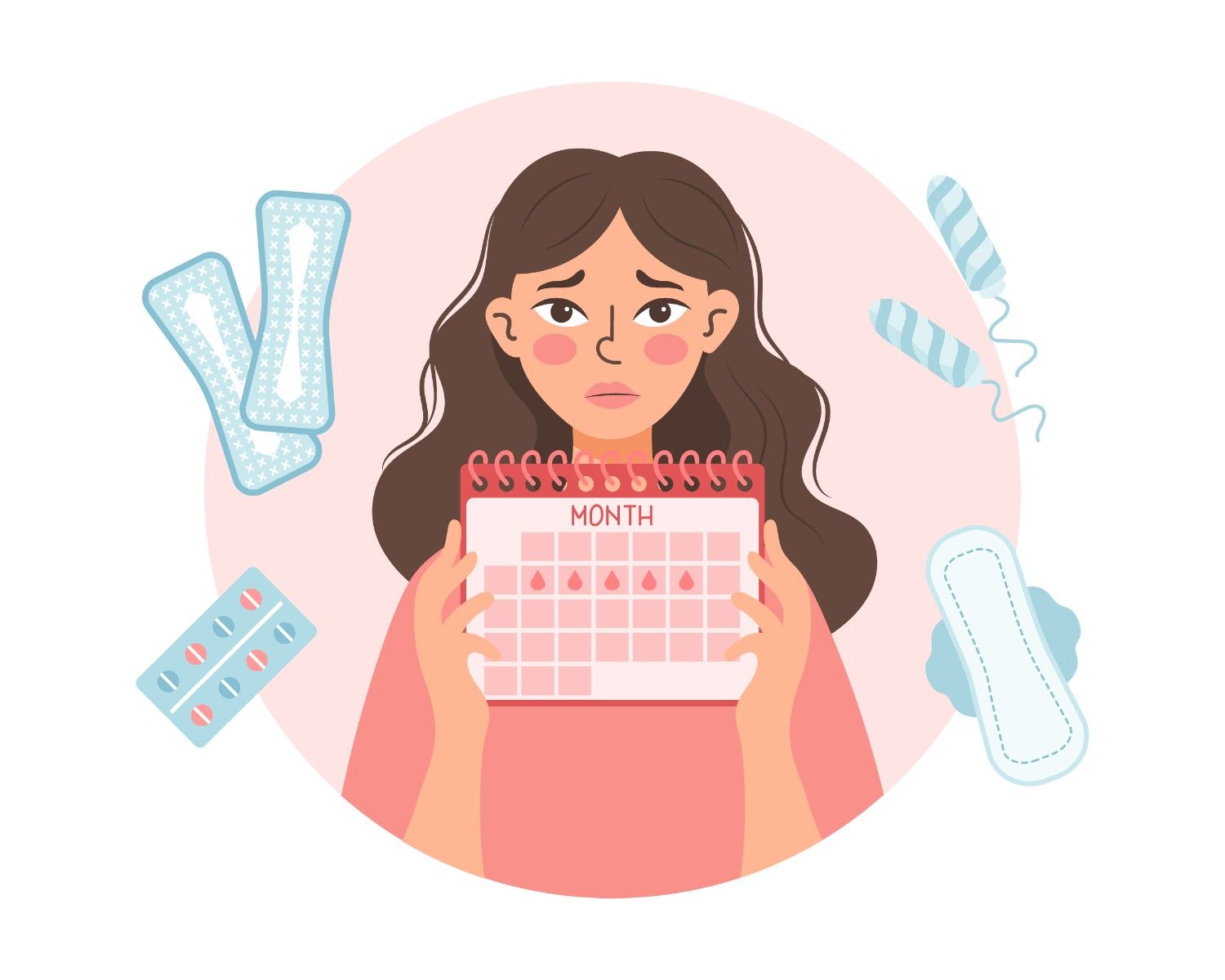
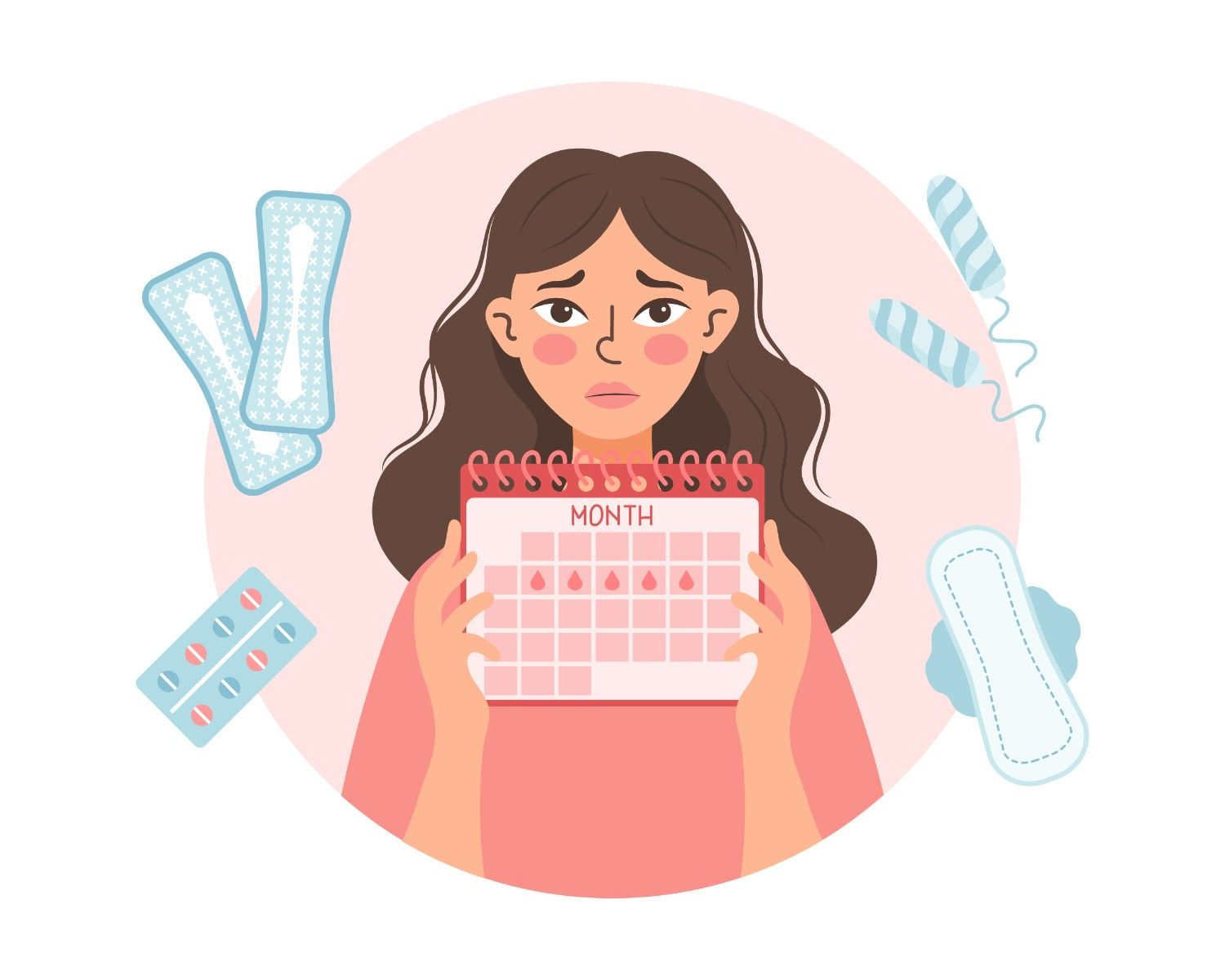
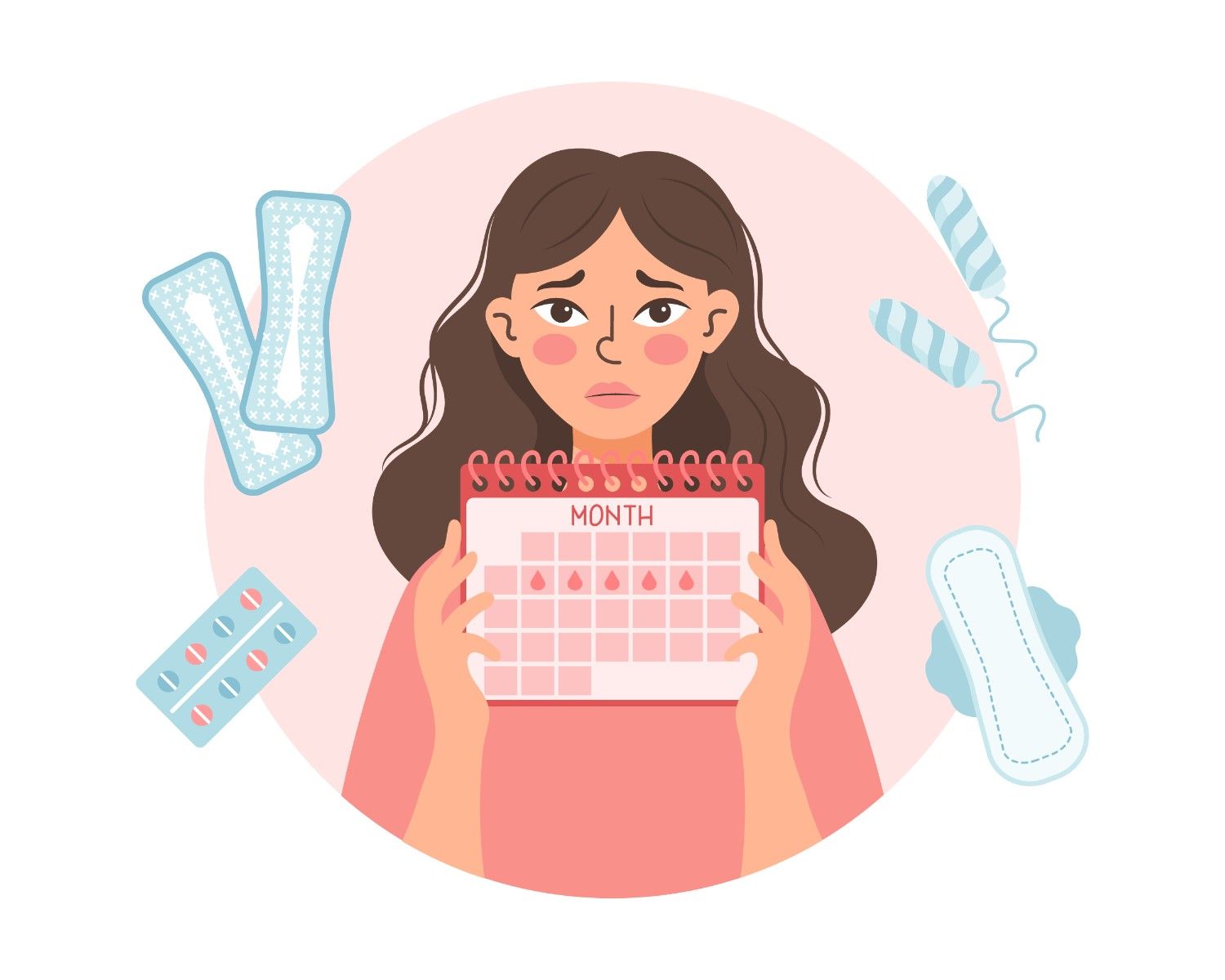
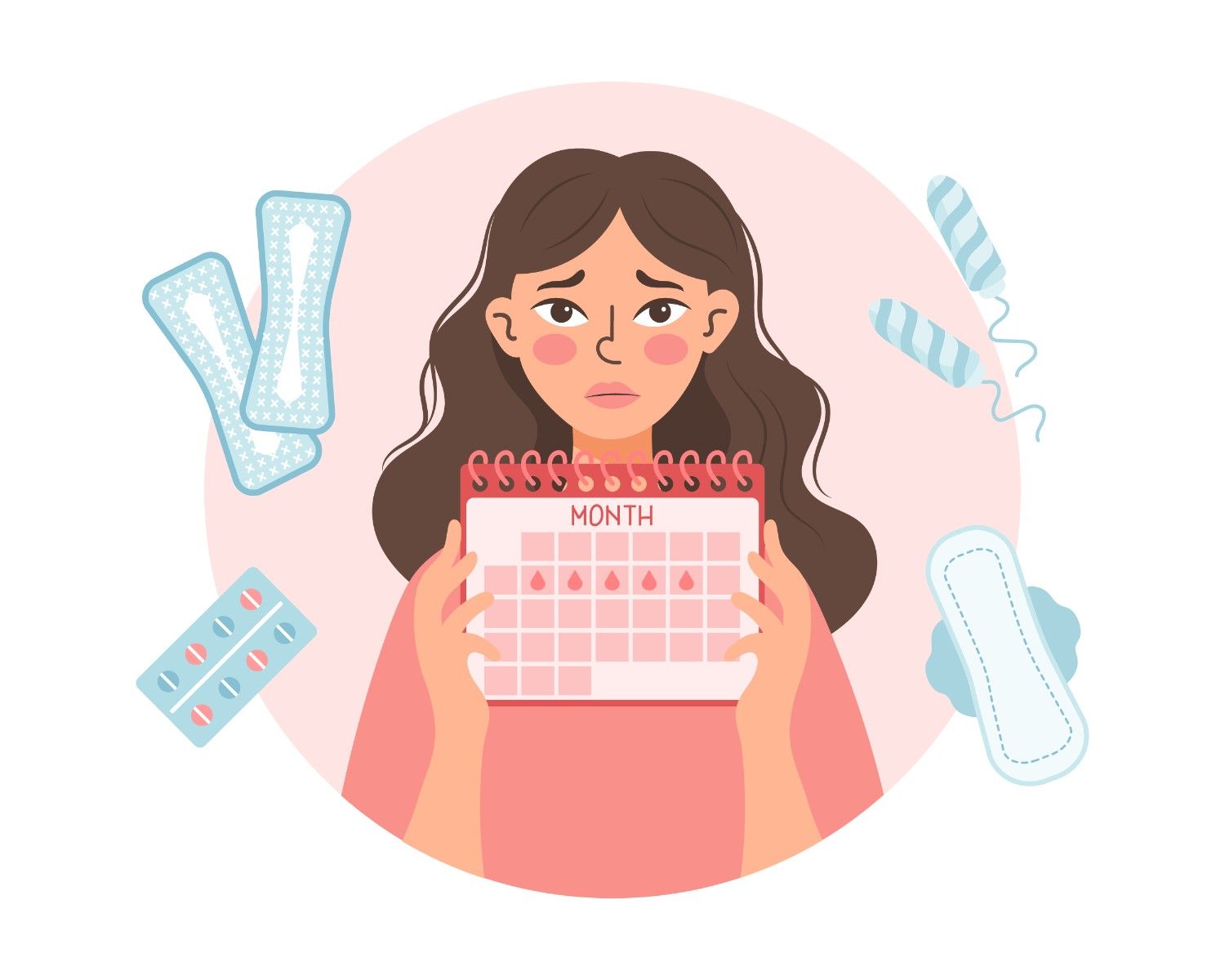
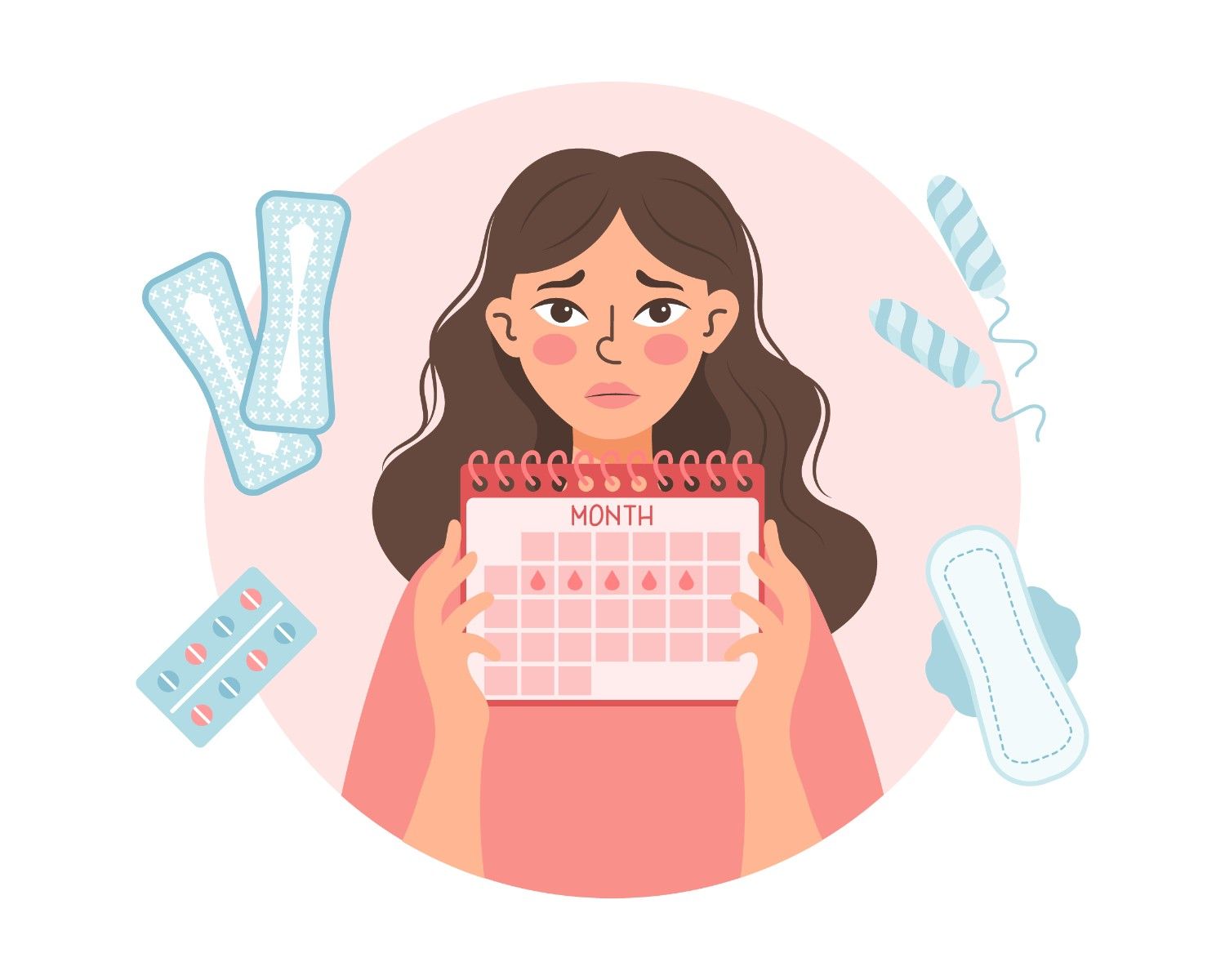
Adolescents frequently experience irregular periods, which are not always associated with Polycystic Ovary Syndrome (PCOS) because hormonal changes throughout puberty can have a big impact. In order to facilitate appropriate assessment and management, this module examines the many reasons, including physiological, lifestyle, and medical aspects. It gives medical personnel the information they need to reassure young people, spot warning signs, and direct appropriate care.
Learning Outcomes
What you'll learn
- Understand normal menstrual patterns in adolescents
- Identify causes of irregular periods beyond PCOS
- Recognise warning signs requiring further investigation
- Apply appropriate assessment and diagnostic approaches
- Provide supportive and sensitive patient education
- Promote holistic adolescent reproductive health care
Stay updated with our


Learning Outcomes
What you'll learn
- Understand normal menstrual patterns in adolescents
- Identify causes of irregular periods beyond PCOS
- Recognise warning signs requiring further investigation
- Apply appropriate assessment and diagnostic approaches
- Provide supportive and sensitive patient education
- Promote holistic adolescent reproductive health care
Stay updated with our
Training Overview
- Understanding Adolescent Menstrual Health
- Causes Beyond PCOS
- Recognising Red Flags
- Assessment and Diagnosis
- Management and Support
- Summary
Top reviews
No reviews yet.
You May Also Like
.jpg)
.jpg)
.jpg)


Take Your
Learning Anywhere
Stay on top of your learning with the Care Learning app.


Are you a qualified
Trainer or Instructor?
Join Care Learning as a trainer and deliver high-quality courses to learners across healthcare and workplace training.
Refer a Friend &
Earn Rewards.
Invite healthcare professionals to join Care Learning and get rewarded when your referral successfully joins.
Frequently asked questions
Yes, especially in the first few years after menstruation begins.
No, many other factors such as hormonal changes and lifestyle can contribute.
If cycles are absent, very heavy, or associated with severe symptoms.
Through medical history, physical examination, and sometimes tests.
Yes, stress, diet, and exercise can influence regularity.
By providing reassurance, education, and appropriate treatment when needed.