

Monkeypox Awareness
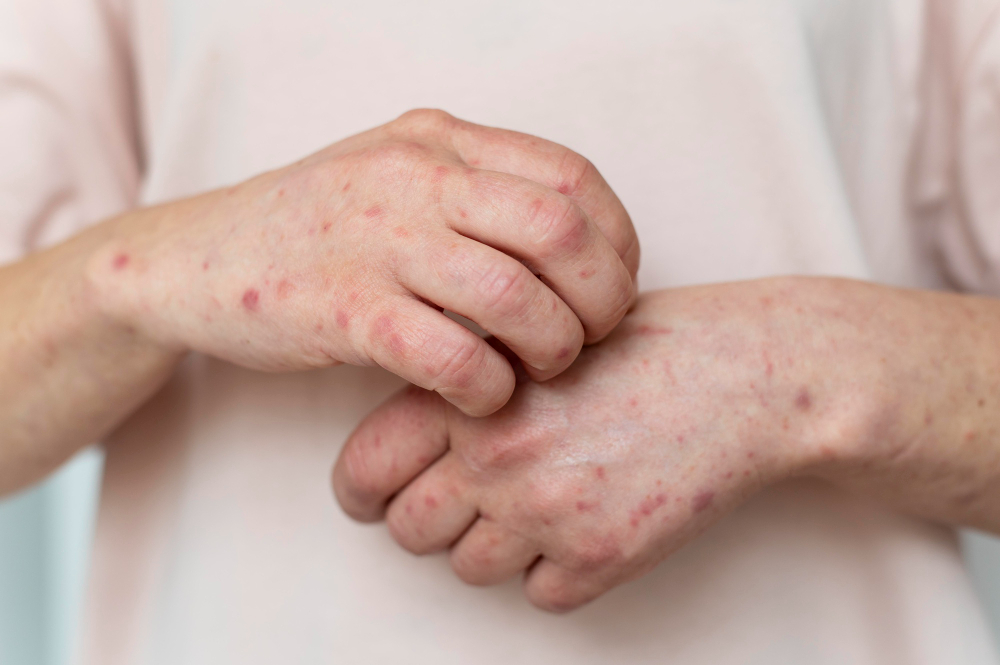
Monkeypox is a virus mainly contained to Western and Central Africa. However, there have been recent cases across the globe. This course provides the necessary knowledge to handle Monkeypox safely and appropriately.
Learning Outcomes
What you'll learn
- Understand what Monkeypox is and its origin.
- Know the symptoms.
- Be aware of the types of transmission.
- Learn how to get diagnosed and possible treatments.
- Understand the appropriate and minimum PPE requirements.
- Know Newcross Healthcare procedures and policies.


Learning Outcomes
What you'll learn
- Understand what Monkeypox is and its origin.
- Know the symptoms.
- Be aware of the types of transmission.
- Learn how to get diagnosed and possible treatments.
- Understand the appropriate and minimum PPE requirements.
- Know Newcross Healthcare procedures and policies.
Modules
Module 1
Introduction
Module 2
Transmission & Symptoms
Module 3
Diagnosis & Treatment
Module 4
Do's & Don't
Module 5
Summary

Top reviews
No reviews yet.
You May Also Like

.jpg)
Learn Anytime
Anywhere
Experience the next level of learning with the Care Learning app. Available on Android and iOS.


Come and Work
with Us!
Join us as a healthcare trainer providing practical sessions to professionals and workers.
Apply for Trainer RoleIn-Person Practical
Healthcare Training
Enroll in our accredited, hands-on practical training sessions to deliver better patientcentred care.
Apply for TrainingRefer &
Earn Rewards.
Invite healthcare professionals to join Care Learning and earn rewards for every successful referral.
Frequently Asked Questions
Monkeypox spreads through direct contact with infected skin or bodily fluids, or by touching contaminated items like clothing or bedding used by an infected person.
Early symptoms include fever, headaches, muscle aches, swollen glands, and exhaustion. A rash usually appears 1–5 days later, developing into blisters and scabs
Yes. Monkeypox can resemble Chickenpox or other viral infections, which is why diagnosis often requires laboratory testing by healthcare professionals.
Children under eight, pregnant individuals, and people with weakened immune systems are more likely to experience severe illness and may need additional care.