
Palliative Care and Drugs
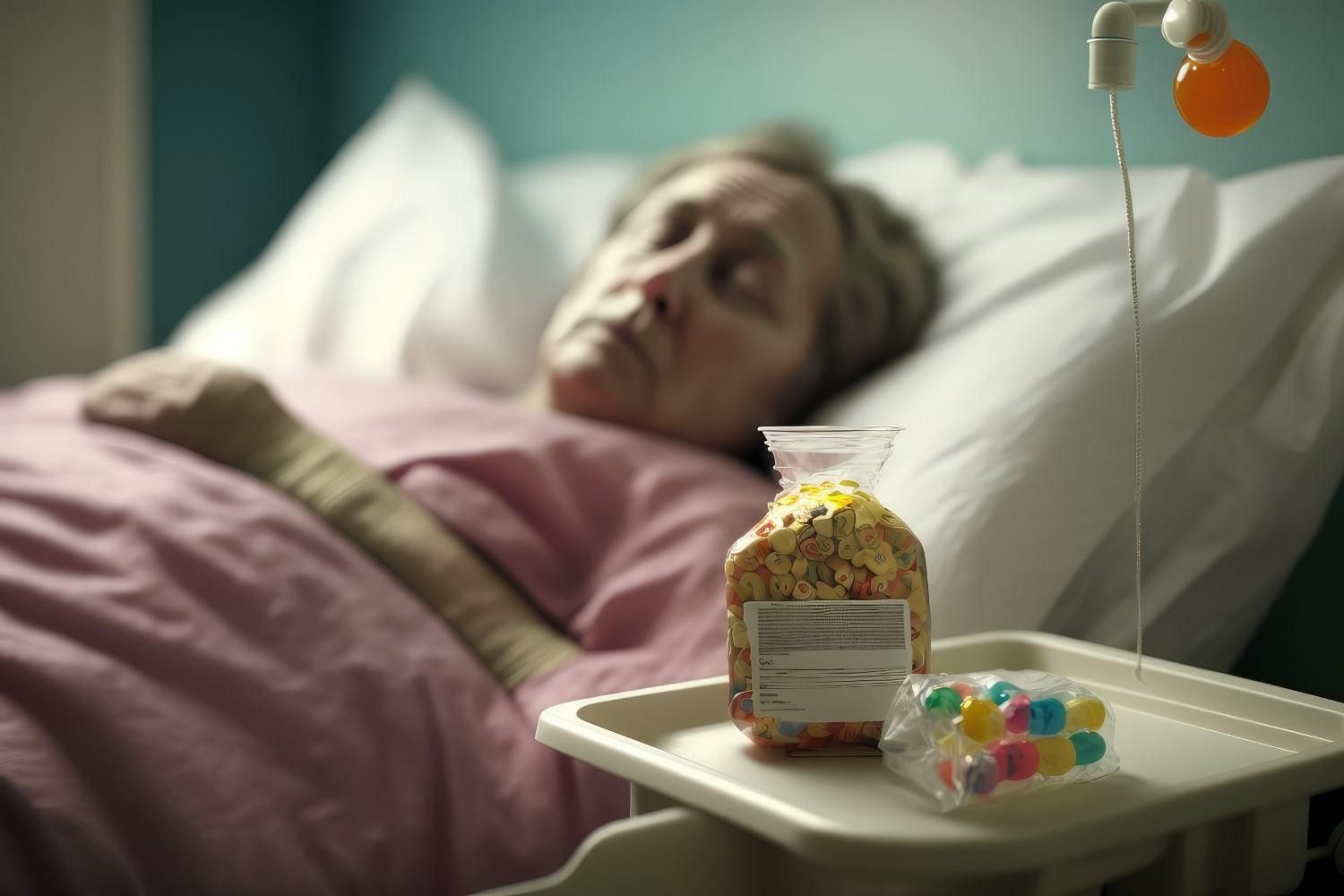
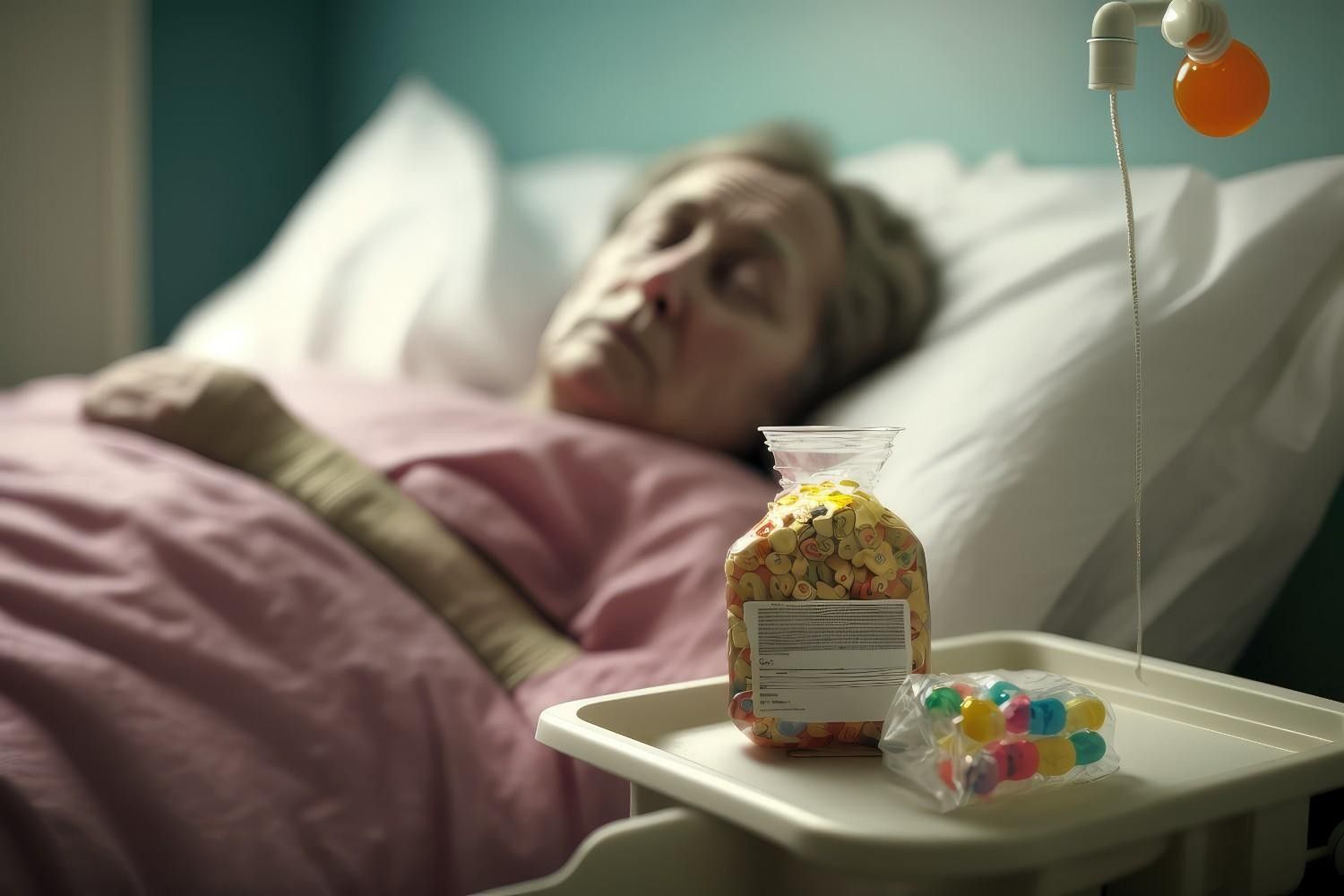
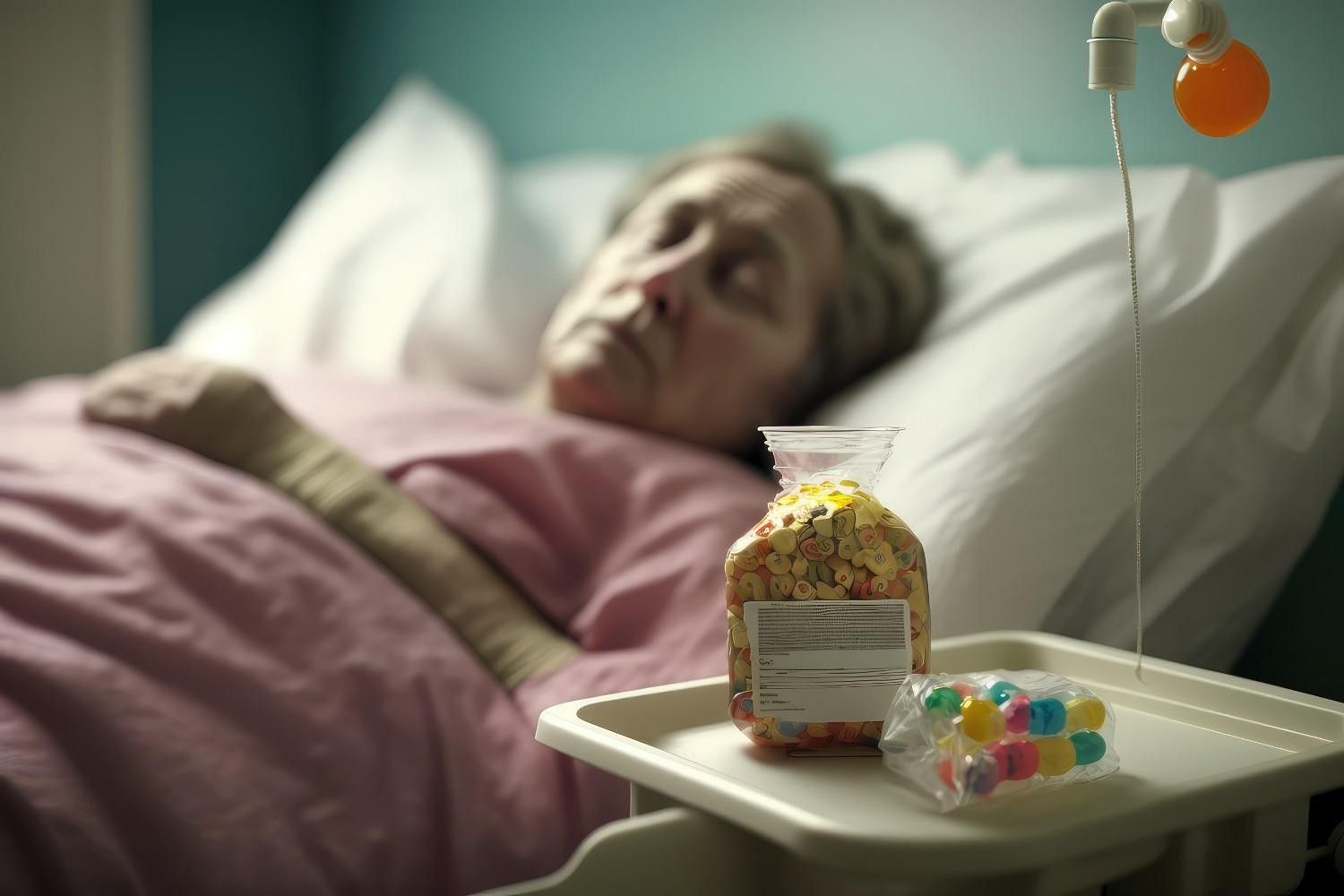
Palliative Care and Drugs is a Continuing Professional Development (CPD) course designed to provide healthcare professionals with practical knowledge and evidence-based strategies for medication management in palliative and end-of-life care. The course explores symptom control, safe medication practices, home-based palliative care, caregiver education, and the multidisciplinary approaches required to support patients with life-limiting illnesses. Palliative Care aims to improve comfort, dignity, symptom relief, emotional wellbeing, and quality of life for patients and their families. Effective medication management plays a vital role in controlling symptoms such as pain, nausea, breathlessness, anxiety, agitation, and respiratory secretions during advanced illness.
.jpg)
Learning Outcomes
What you'll learn
- Understand the traditional limitations associated with home-based palliative care.
- Discuss the importance of empowering carers to manage symptoms at home.
- Identify medication management tasks carers may safely undertake with training.
- Recognise commonly used medications in palliative symptom management.
- Understand the role of nurses and healthcare professionals in caregiver education.
- Identify strategies to support medication safety in the home setting.
- Recognise symptoms commonly experienced by palliative care patients.
- Understand communication approaches for discussing medications and symptom management.
- Identify available support services and educational resources for carers.
- Promote patient-centred, compassionate, and safe palliative care practices.
Stay updated with our


Learning Outcomes
What you'll learn
- Understand the traditional limitations associated with home-based palliative care.
- Discuss the importance of empowering carers to manage symptoms at home.
- Identify medication management tasks carers may safely undertake with training.
- Recognise commonly used medications in palliative symptom management.
- Understand the role of nurses and healthcare professionals in caregiver education.
- Identify strategies to support medication safety in the home setting.
- Recognise symptoms commonly experienced by palliative care patients.
- Understand communication approaches for discussing medications and symptom management.
- Identify available support services and educational resources for carers.
- Promote patient-centred, compassionate, and safe palliative care practices.
Stay updated with our
Training Overview
- Introduction to Palliative Care and Symptom Management
- Home-Based Palliative Care and Traditional Limitations
- Empowering Carers in Medication Management
- Common Medications Used in Palliative Care
- Communication, Education, and Support Resources
- Safety, Ethical Considerations, and Future Directions
- Summary
.jpg)
.jpg)
.jpg)
.jpg)
Top reviews
No reviews yet.
You May Also Like
.jpg)
.jpg)
.jpg)




Take Your
Learning Anywhere
Stay on top of your learning with the Care Learning app.


Are you a qualified
Trainer or Instructor?
Join Care Learning as a trainer and deliver high-quality courses to learners across healthcare and workplace training.
Refer a Friend &
Earn Rewards.
Invite healthcare professionals to join Care Learning and get rewarded when your referral successfully joins.
Frequently asked questions
Palliative care focuses on improving quality of life and relieving symptoms in people with serious illness.
Medications help manage symptoms such as pain, nausea, breathlessness, and anxiety.
Yes, carers may assist safely with appropriate education, training, and professional support.
Common symptoms include pain, nausea, breathlessness, agitation, fatigue, and respiratory secretions.
Clear communication helps patients and families understand treatments, goals of care, and symptom management plans.
Support may include community nursing, pharmacists, palliative specialists, counselling services, and telehealth support.