FA
5Faida
User from
great and informative module
Posted on 27/05/2026
Preconception, Pregnancy and Postnatal Iron Deficiency - Dr Savoia is a Continuing Professional Development (CPD) course designed for healthcare professionals involved in women’s health, maternity care, obstetrics, midwifery, general practice, paediatrics, and community health. This course provides an evidence-based overview of iron deficiency before conception, during pregnancy, and throughout the postnatal period, with a focus on maternal and infant health outcomes, screening strategies, diagnosis, prevention, and treatment. Iron deficiency is one of the most common nutritional deficiencies worldwide and is particularly prevalent among women of reproductive age. During pregnancy, iron requirements increase substantially to support maternal blood volume expansion, placental development, and fetal growth. Inadequate iron levels may lead to maternal anaemia, fatigue, reduced immunity, impaired cognitive function, poor pregnancy outcomes, and developmental concerns for the infant.
.jpg)
Stay updated with our


Stay updated with our
.jpg)
.jpg)
.jpg)
.jpg)
.jpg)
.jpg)
.jpg)
User from
great and informative module
Posted on 27/05/2026
Stay on top of your learning with the Care Learning app.


Join Care Learning as a trainer and deliver high-quality courses to learners across healthcare and workplace training.
Invite healthcare professionals to join Care Learning and get rewarded when your referral successfully joins.
Iron supports oxygen transport, placental development, maternal blood volume expansion, and fetal growth.
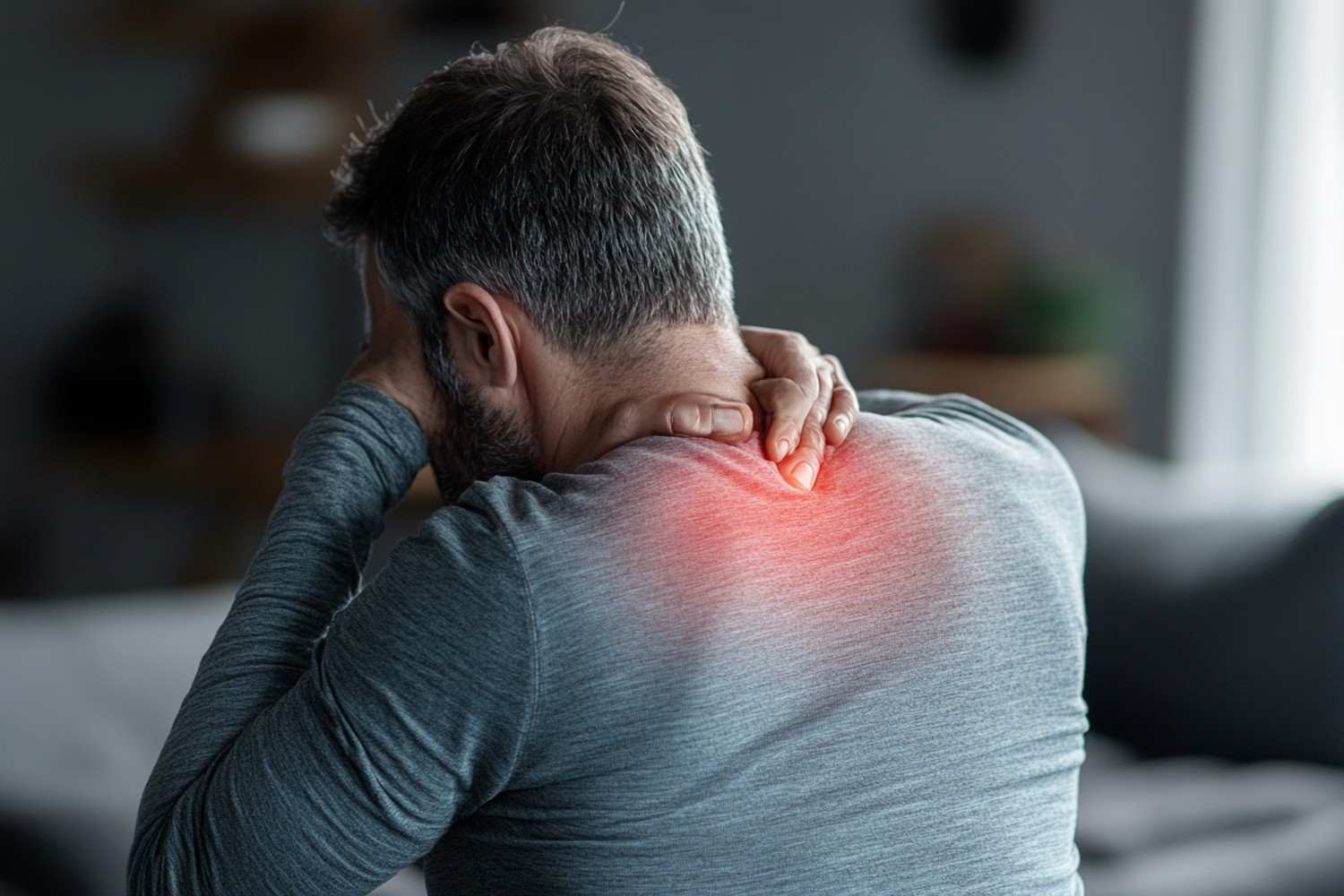
Common symptoms include fatigue, weakness, dizziness, reduced concentration, and shortness of breath.
Ferritin is commonly used to assess iron storage levels.
Iron-rich foods include red meat, poultry, seafood, legumes, spinach, fortified cereals, and nuts.
Intravenous iron may be used in severe deficiency, oral iron intolerance, malabsorption, or late pregnancy.
Postpartum iron deficiency may affect recovery, mood, energy levels, and caregiving capacity.
.jpg)
.jpg)
.jpg)