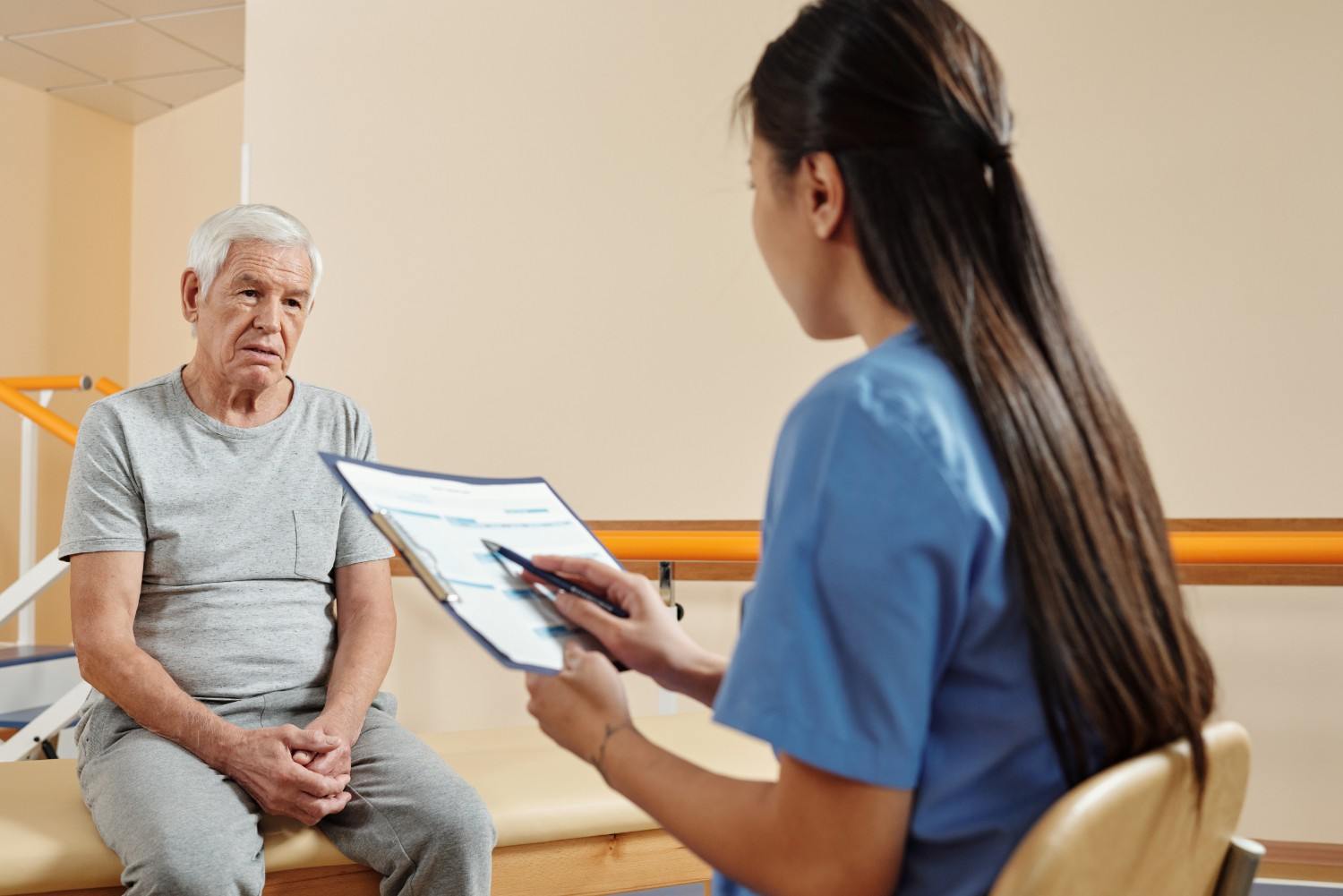
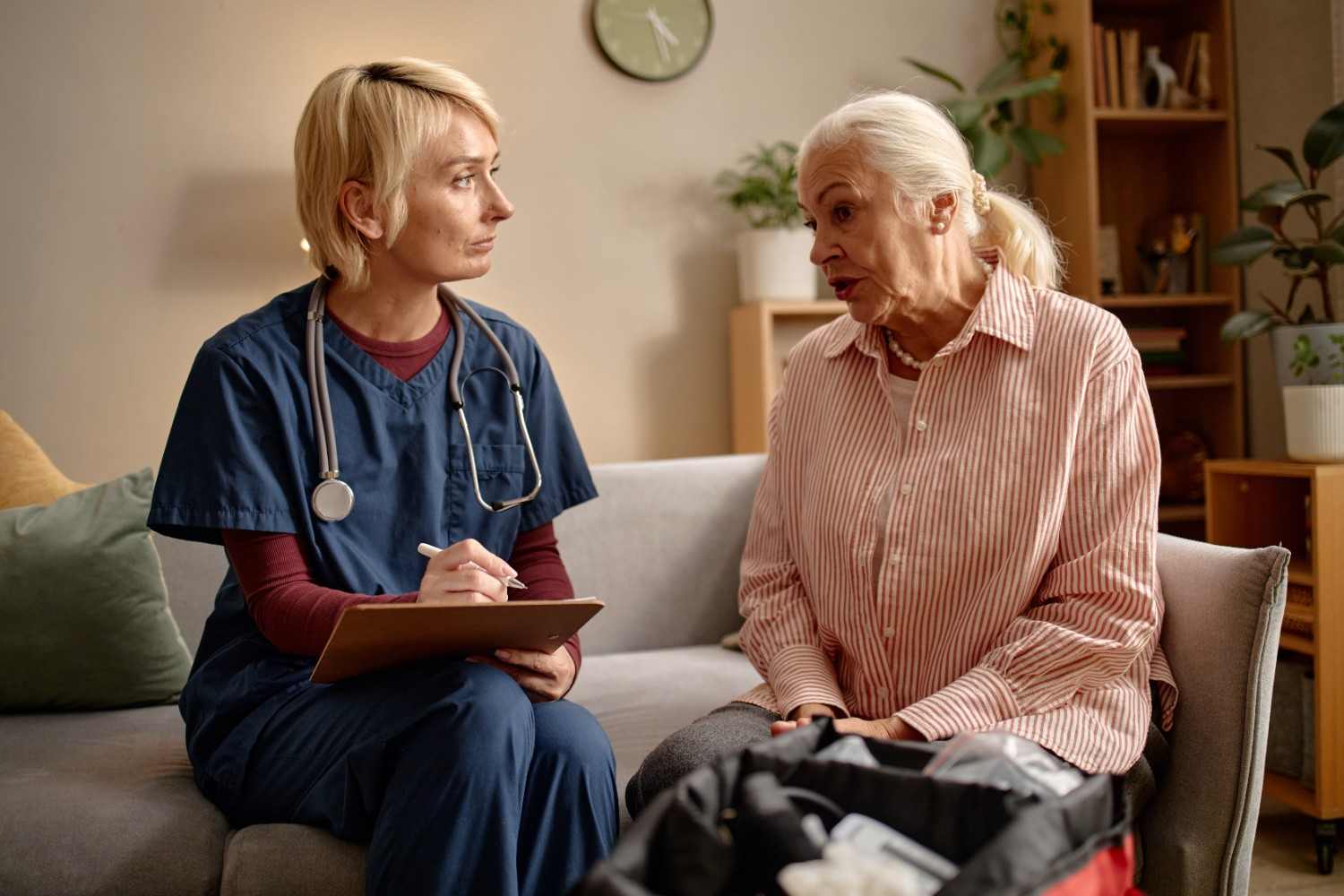

Recognising & Responding to Clinical Deterioration in an Aged Care Setting

3.5

This course helps healthcare workers assess and respond to clinical deterioration. It covers early warning signs, the use of response tools and clear communication. Learners will gain skills to assess residents, report concerns and seek timely medical support.

6 Modules1 hour
$0
Recognising & Responding to Clinical Deterioration in an Aged Care Setting

Learning Outcomes

What you'll learn

  • Assess clinical deterioration using a clear and systematic approach to identify changes in a resident’s health.
  • Manage clinical deterioration by taking suitable steps to support residents and address changes in their condition.
  • Use early warning tools to identify signs of deterioration and guide timely care and support.
  • Escalate care when needed by following the correct response steps and reporting concerns to the right healthcare professionals.
  • Communicate care concerns clearly using a structured approach when reporting changes in a resident’s condition.

Modules

Module 1

A Step-by-Step Approach to Patient Assessment

Module 2

Using Early Warning and Response Tools

Module 3

Clinical Handover and SBAR Communication

Module 4

Common Barriers to Escalating Care

Module 5

Using Graded Assertiveness in Healthcare Communication

Module 6

Summary

You May Also Like

Learn Anytime
Anywhere

Experience the next level of learning with the Care Learning app. Available on Android and iOS.

Download on the App StoreGet it on Google Play

Come and Work
with Us!

Join us as a healthcare trainer providing practical sessions to professionals and workers.

Apply for Trainer Role

In-Person Practical
Healthcare Training

Enroll in our accredited, hands-on practical training sessions to deliver better patientcentred care.

Apply for Training

Refer &
Earn Rewards.

Invite healthcare professionals to join Care Learning and earn rewards for every successful referral.

1 / 4

Frequently Asked Questions

Clinical deterioration is a decline in a resident's health. It may involve changes in vital signs, breathing, awareness or physical condition.

Early recognition helps aged care workers seek medical support, prevent further decline and provide timely care.

Tools such as ABCDE assessments, vital sign charts and early warning systems help staff identify changes and guide care.

SBAR stands for Situation, Background, Assessment and Recommendation. It helps aged care workers share patient concerns clearly with healthcare professionals.

Aged care nurses, personal care workers and other healthcare staff in Australia can benefit from learning how to identify health changes and escalate care.