
Scoliosis in Children
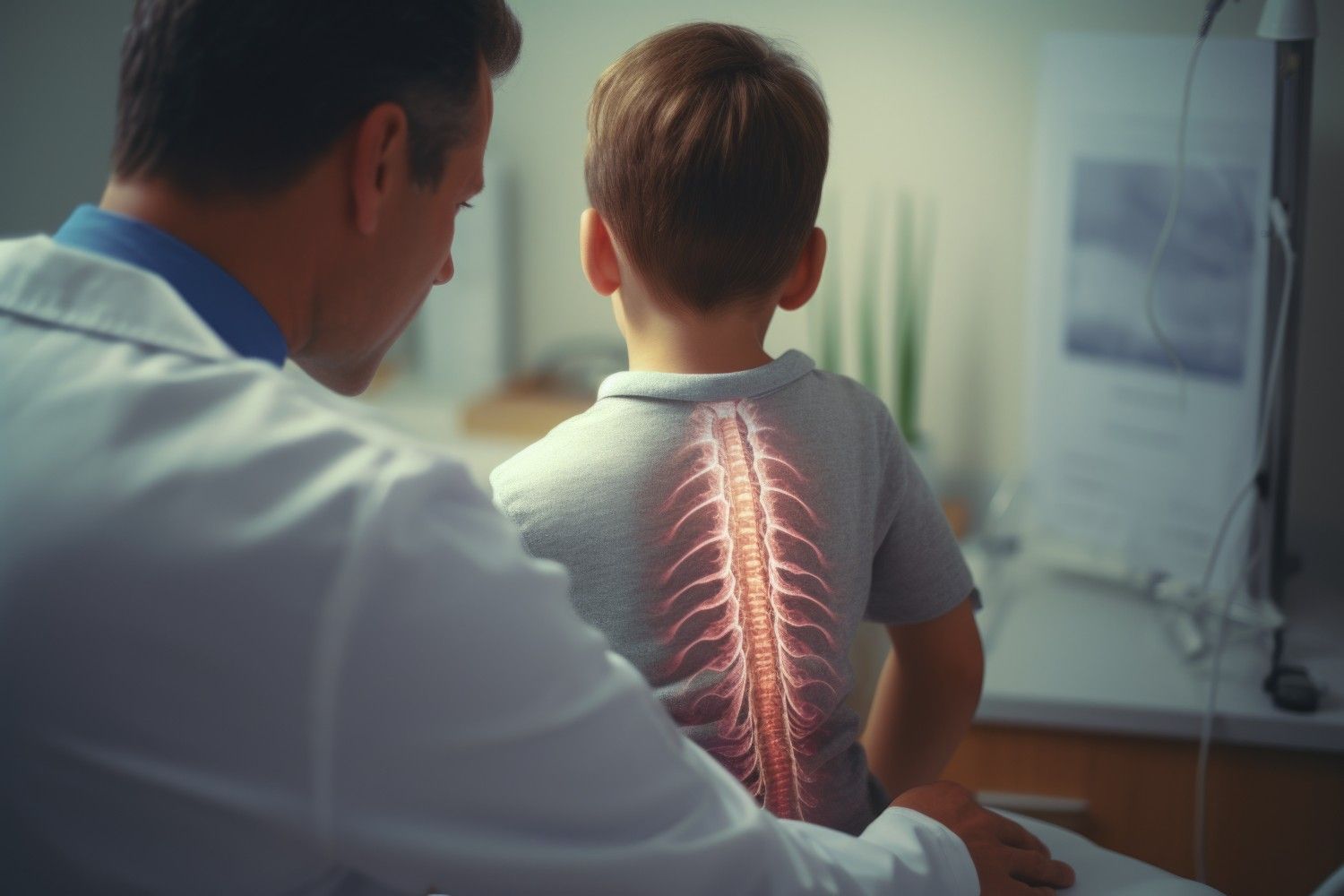
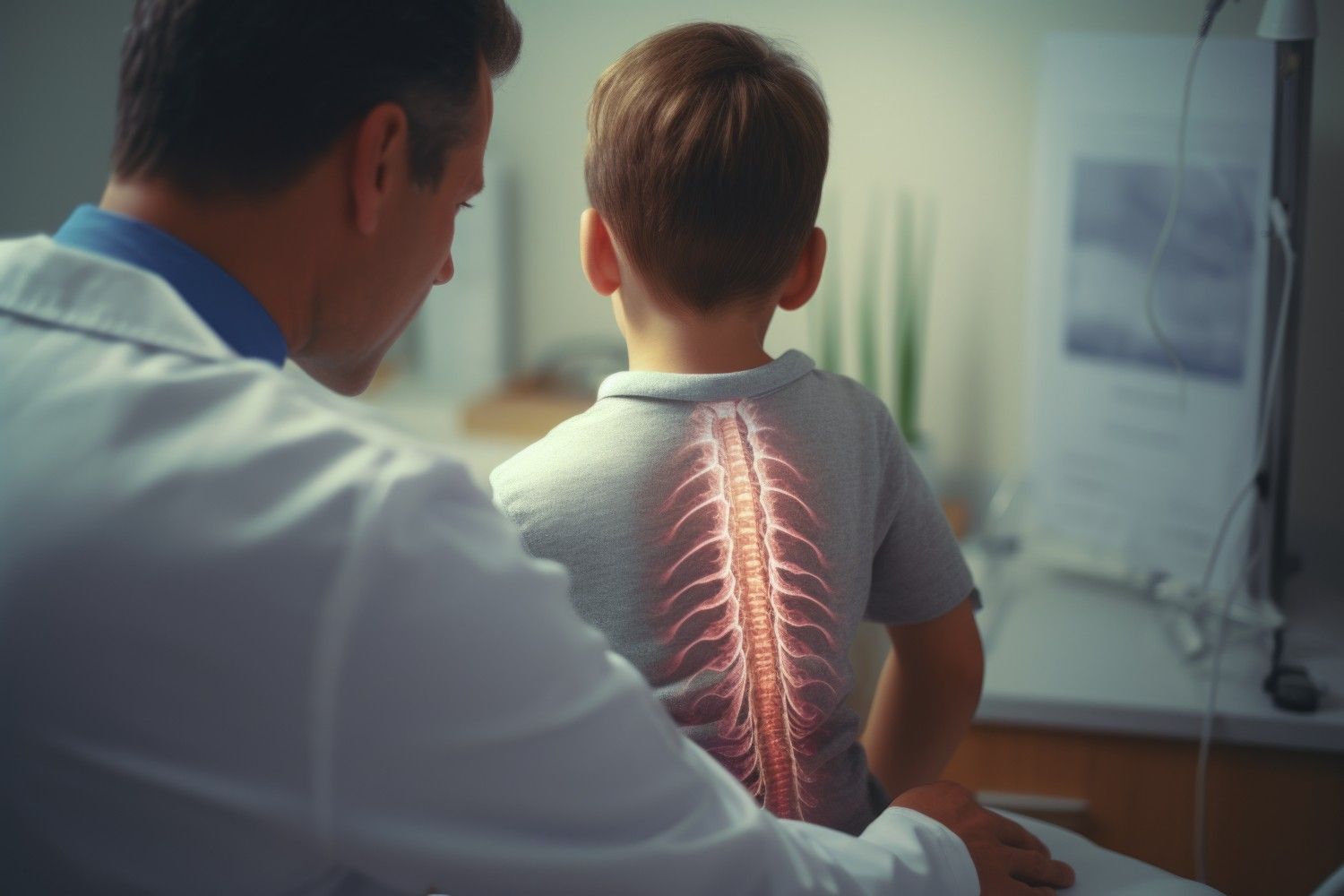
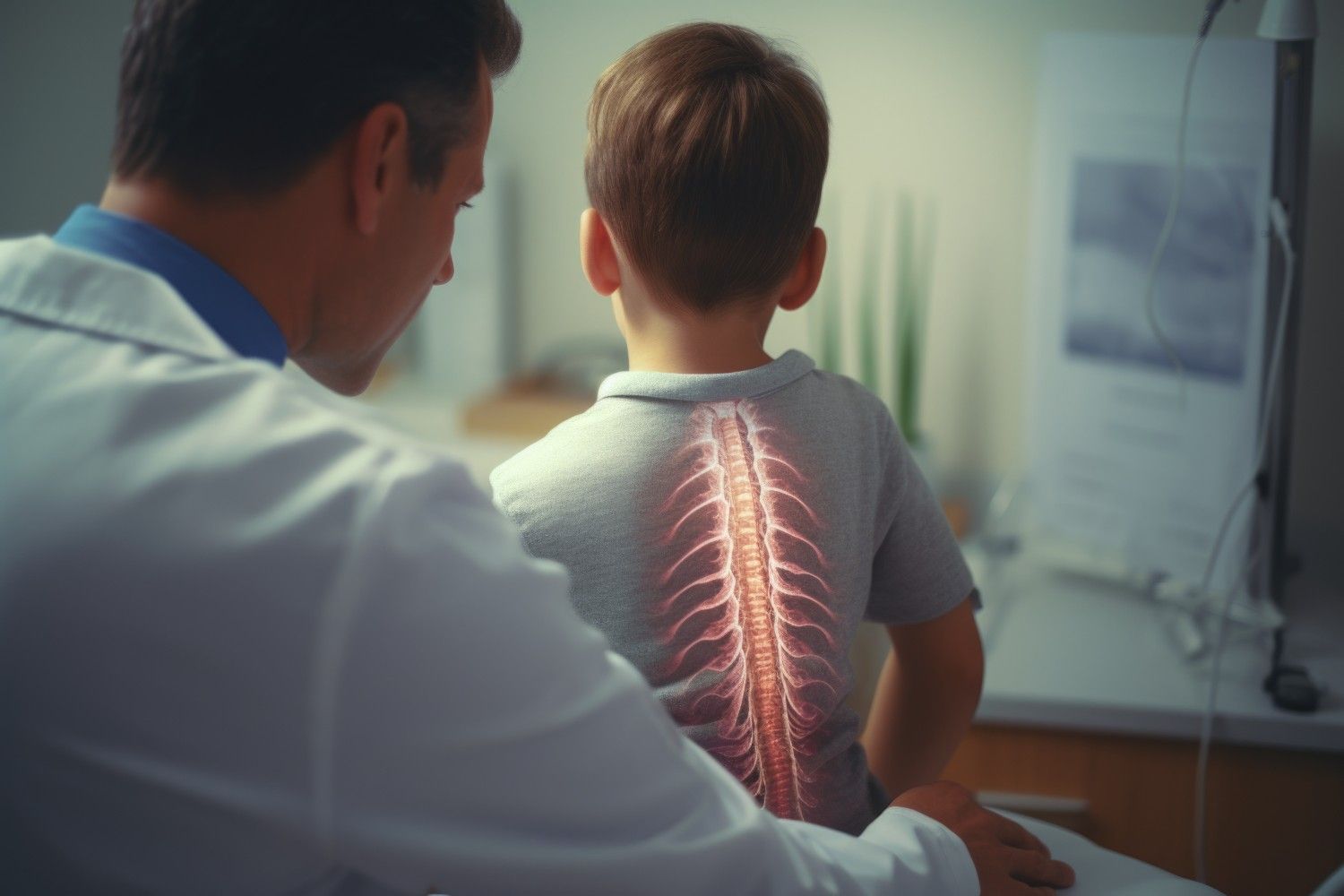
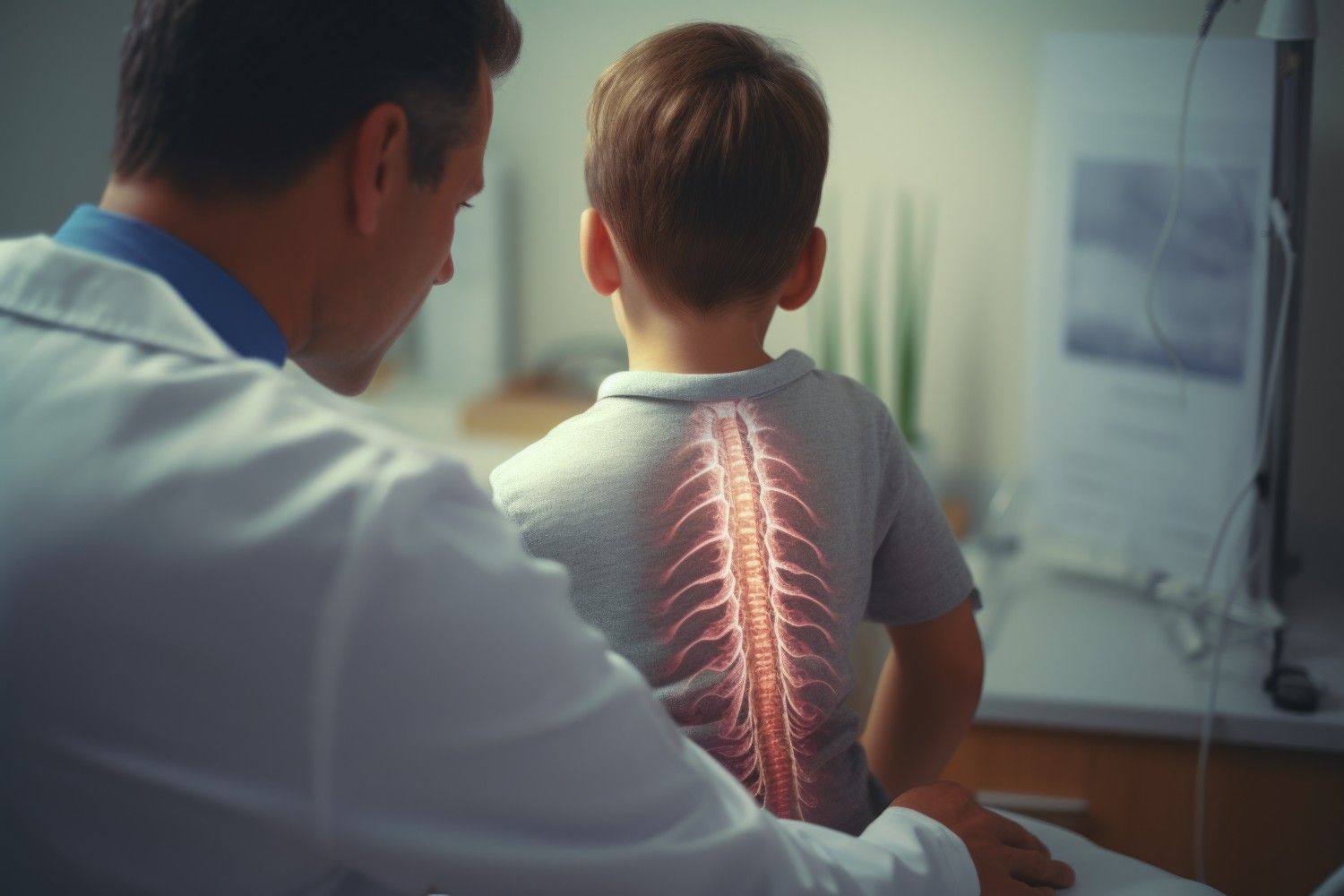
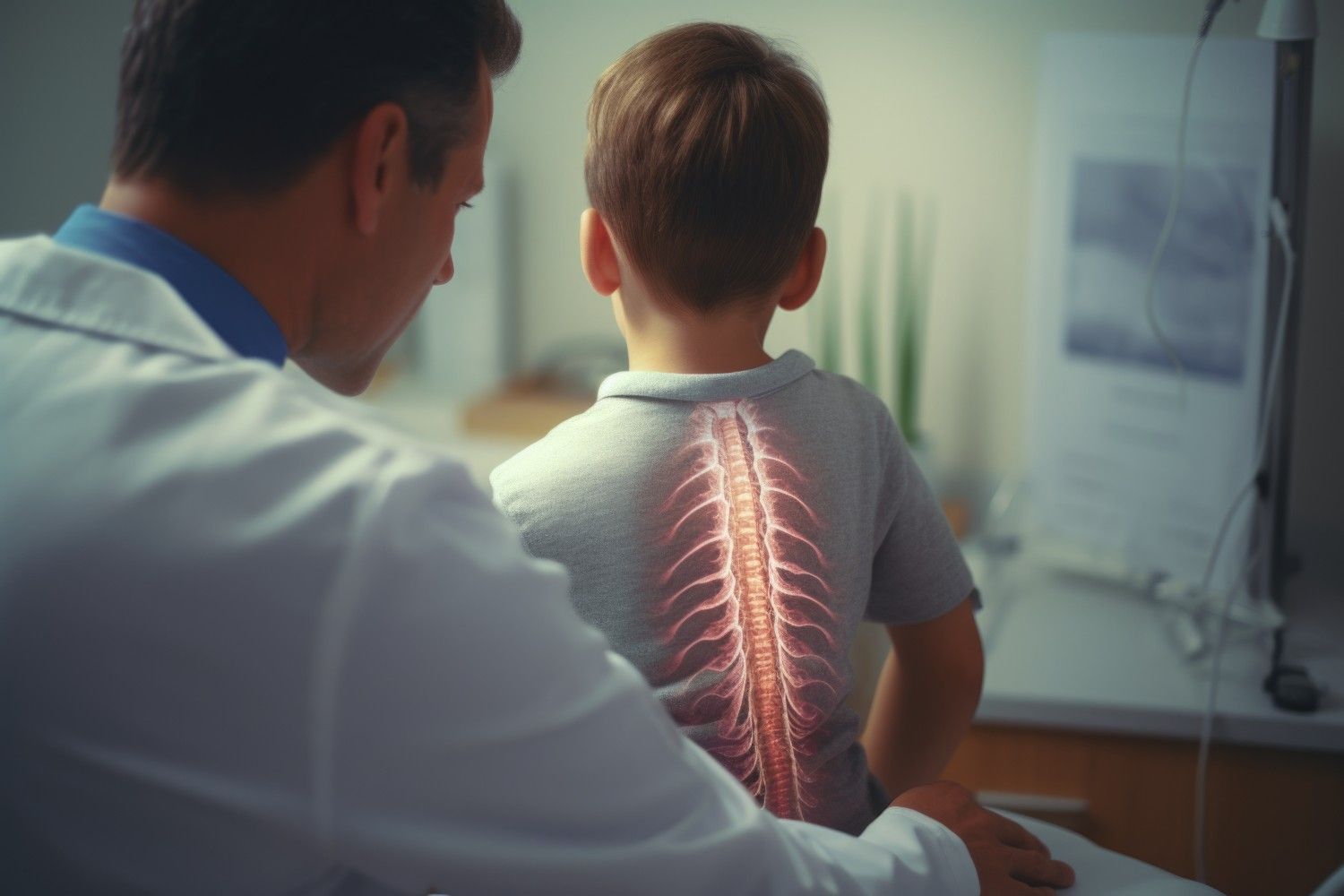
Children with scoliosis have a sideways-curving spine, which frequently develops during growth spurts prior to puberty. It can be modest to severe and, if it worsens, may result in unequal shoulders, altered posture, or back pain. To properly manage the illness and avoid consequences, early detection and routine monitoring are crucial.
Learning Outcomes
What you'll learn
- Recognize the causes and symptoms of childhood scoliosis.
- Determine the early indicators and manifestations of spinal curvature
- Understand the various forms of scoliosis, including neuromuscular, congenital, and idiopathic.
- Describe screening and diagnostic procedures.
- Recognize your alternatives for treatment, including as surgery, bracing, and observation.
- Provide children with scoliosis with basic care and support techniques.
Stay updated with our


Learning Outcomes
What you'll learn
- Recognize the causes and symptoms of childhood scoliosis.
- Determine the early indicators and manifestations of spinal curvature
- Understand the various forms of scoliosis, including neuromuscular, congenital, and idiopathic.
- Describe screening and diagnostic procedures.
- Recognize your alternatives for treatment, including as surgery, bracing, and observation.
- Provide children with scoliosis with basic care and support techniques.
Stay updated with our
Training Overview
- Introduction to Scoliosis
- Causes and Types
- Signs and Symptoms
- Diagnosis and Screening
- Treatment Options
- Care and Management
- Summary
Top reviews
No reviews yet.
You May Also Like
.jpg)
.jpg)
.jpg)




Take Your
Learning Anywhere
Stay on top of your learning with the Care Learning app.


Are you a qualified
Trainer or Instructor?
Join Care Learning as a trainer and deliver high-quality courses to learners across healthcare and workplace training.
Refer a Friend &
Earn Rewards.
Invite healthcare professionals to join Care Learning and get rewarded when your referral successfully joins.
Frequently asked questions
Most of the time, the precise cause is unknown (idiopathic), however neurological disorders or congenital defects may also be the cause.
It typically appears during growth spurts between the ages of 10 and 15.
While moderate to severe cases can be treated with bracing or surgery, mild cases might not require treatment.
To establish the disease, doctors perform imaging tests like X-rays and physical examinations.
While severe cases may cause discomfort, the majority of youngsters do not experience pain.
Yes, most kids can lead active, healthy lives with the right care.