
Shingles – Common Questions
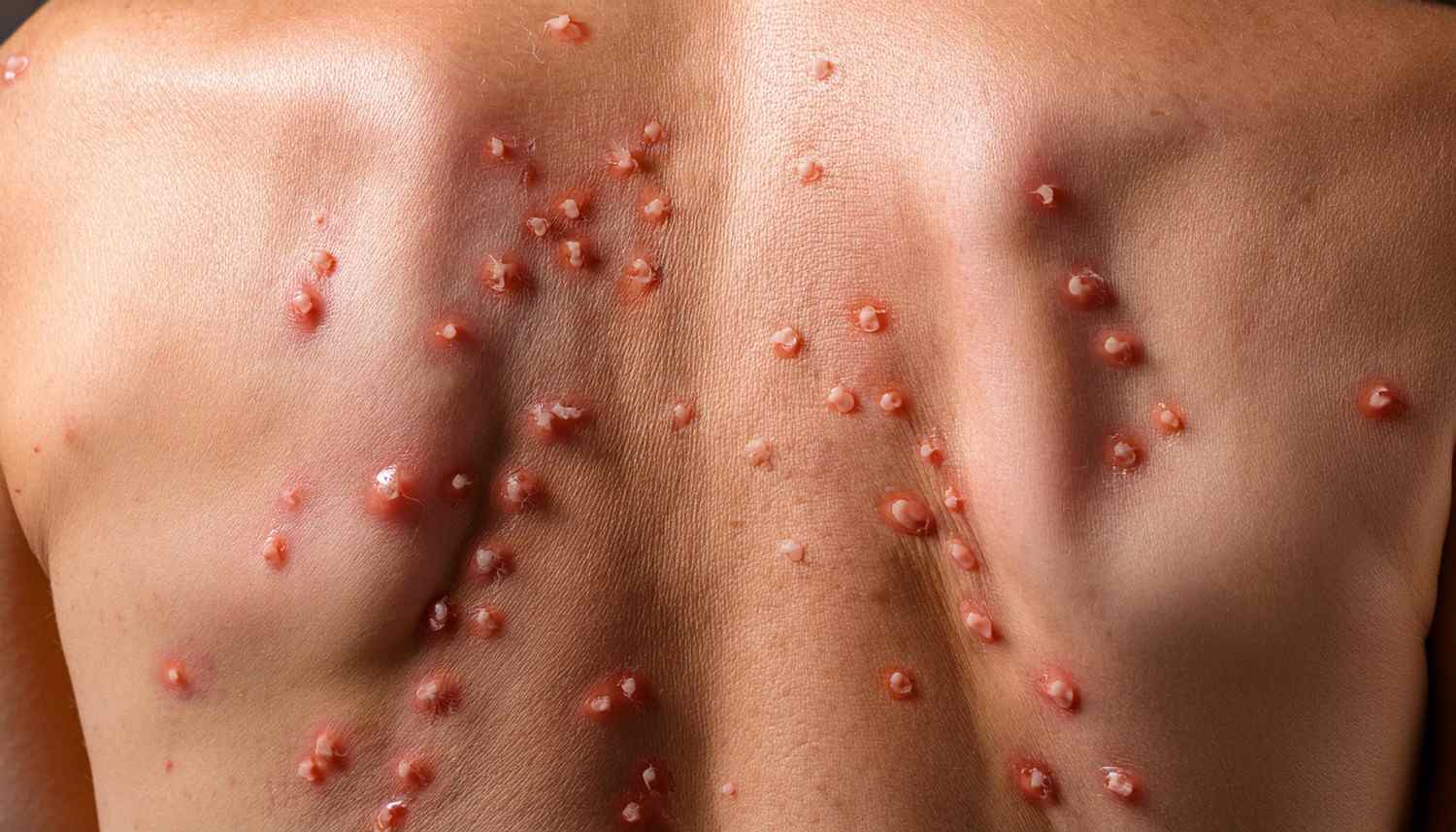
Shingles (herpes zoster) is a viral infection caused by reactivation of the varicella‑zoster virus (VZV), the same virus that causes chickenpox. After primary infection, VZV remains dormant in dorsal root ganglia and can reactivate later in life, particularly when immunity wanes due to age or immunosuppression. Shingles causes a painful, blistering rash typically limited to a single dermatome and can result in significant morbidity. This course provides healthcare professionals with up‑to‑date, evidence‑based answers to common clinical questions about shingles, focusing on diagnosis, management, prevention, and complications. It highlights current recommendations on antivirals, pain management, vaccination, and special populations such as older adults and immunocompromised patients.
Learning Outcomes
What you'll learn
- Explain the causes, transmission, clinical presentation and risk factors associated with shingles (herpes zoster) in Australia.
- Recognise common shingles complications, including post-herpetic neuralgia (PHN), and identify patients at increased risk of severe disease.
- Describe current Australian shingles vaccine (Shingrix) recommendations, including eligibility, dosing intervals and booster guidance.
- Identify National Immunisation Program (NIP) eligibility criteria for free Shingrix vaccination and key considerations for special populations.
- Apply Australian Immunisation Handbook guidance to shingles prevention, vaccine safety, co-administration, previous shingles or Zostavax vaccination, and clinical management.


Learning Outcomes
What you'll learn
- Explain the causes, transmission, clinical presentation and risk factors associated with shingles (herpes zoster) in Australia.
- Recognise common shingles complications, including post-herpetic neuralgia (PHN), and identify patients at increased risk of severe disease.
- Describe current Australian shingles vaccine (Shingrix) recommendations, including eligibility, dosing intervals and booster guidance.
- Identify National Immunisation Program (NIP) eligibility criteria for free Shingrix vaccination and key considerations for special populations.
- Apply Australian Immunisation Handbook guidance to shingles prevention, vaccine safety, co-administration, previous shingles or Zostavax vaccination, and clinical management.
Modules
- Understanding Shingles
- Shingles Vaccination in Australia
- Special Situations, Safety and Clinical Considerations
- Summary
Top reviews
No reviews yet.
You May Also Like




.jpg)
Learn Anytime
Anywhere
Experience the next level of learning with the Care Learning app. Available on Android and iOS.


Come and Work
with Us!
Join us as a healthcare trainer providing practical sessions to professionals and workers.
Apply for Trainer RoleIn-Person Practical
Healthcare Training
Enroll in our accredited, hands-on practical training sessions to deliver better patientcentred care.
Apply for TrainingRefer &
Earn Rewards.
Invite healthcare professionals to join Care Learning and earn rewards for every successful referral.
Frequently Asked Questions
Shingles is caused by reactivation of varicella-zoster virus after chickenpox. Risk increases with age and immunosuppression. Most Australian adults are at risk.
Under the National Immunisation Program (NIP), Shingrix is free for people aged 65+, Aboriginal and Torres Strait Islander people aged 50+, and certain immunocompromised adults aged 18+.
Shingrix requires 2 doses. The usual interval is 2–6 months for immunocompetent adults and 1–2 months for people who are immunocompromised.
Yes. Australian guidance recommends Shingrix after previous shingles. Immunocompetent people should generally wait at least 12 months, while immunocompromised people may receive it from 3 months.
PHN is persistent nerve pain in the area affected by shingles lasting more than 3 months. It is the most common complication and is more likely in older adults.