
Silica Awareness Training
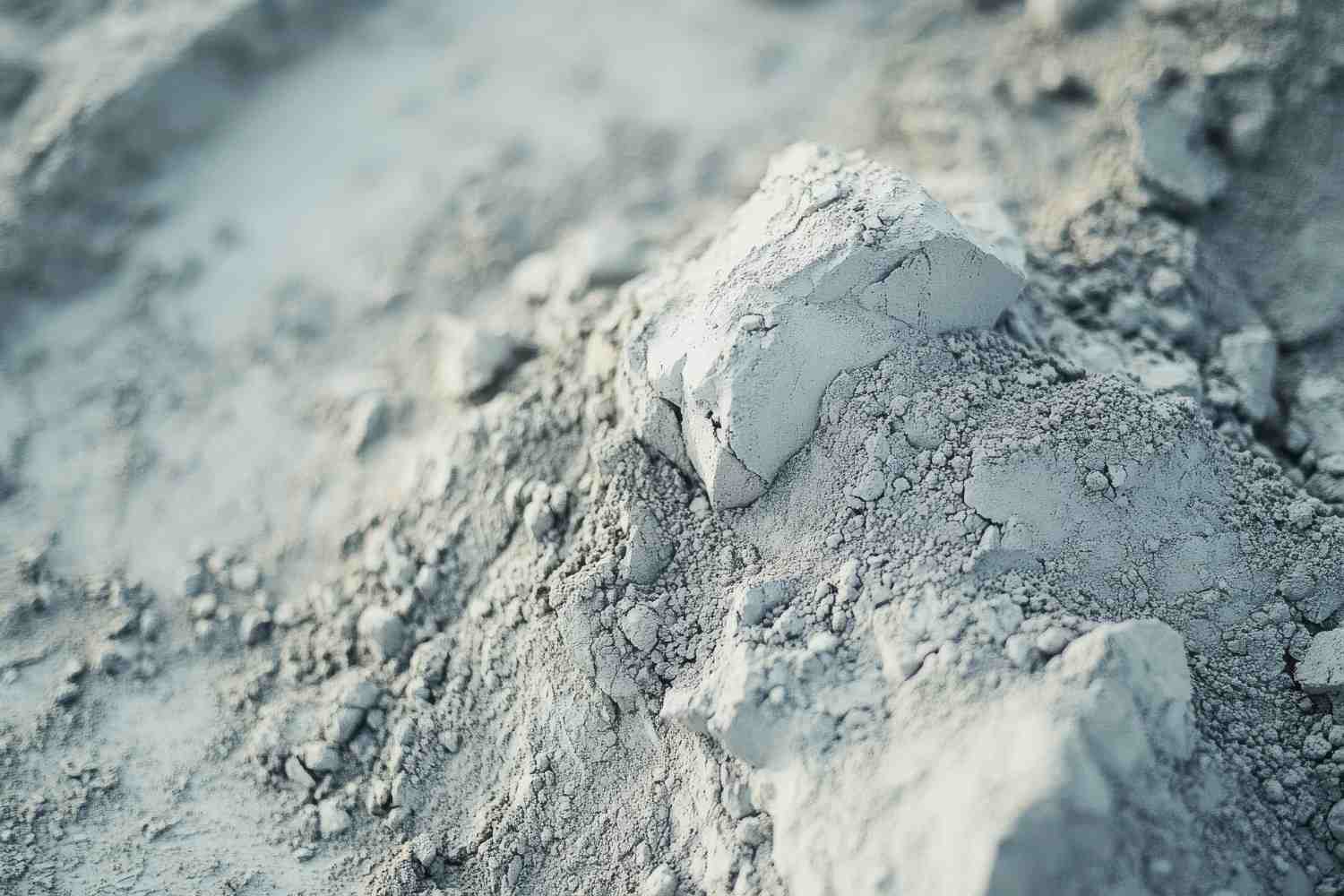
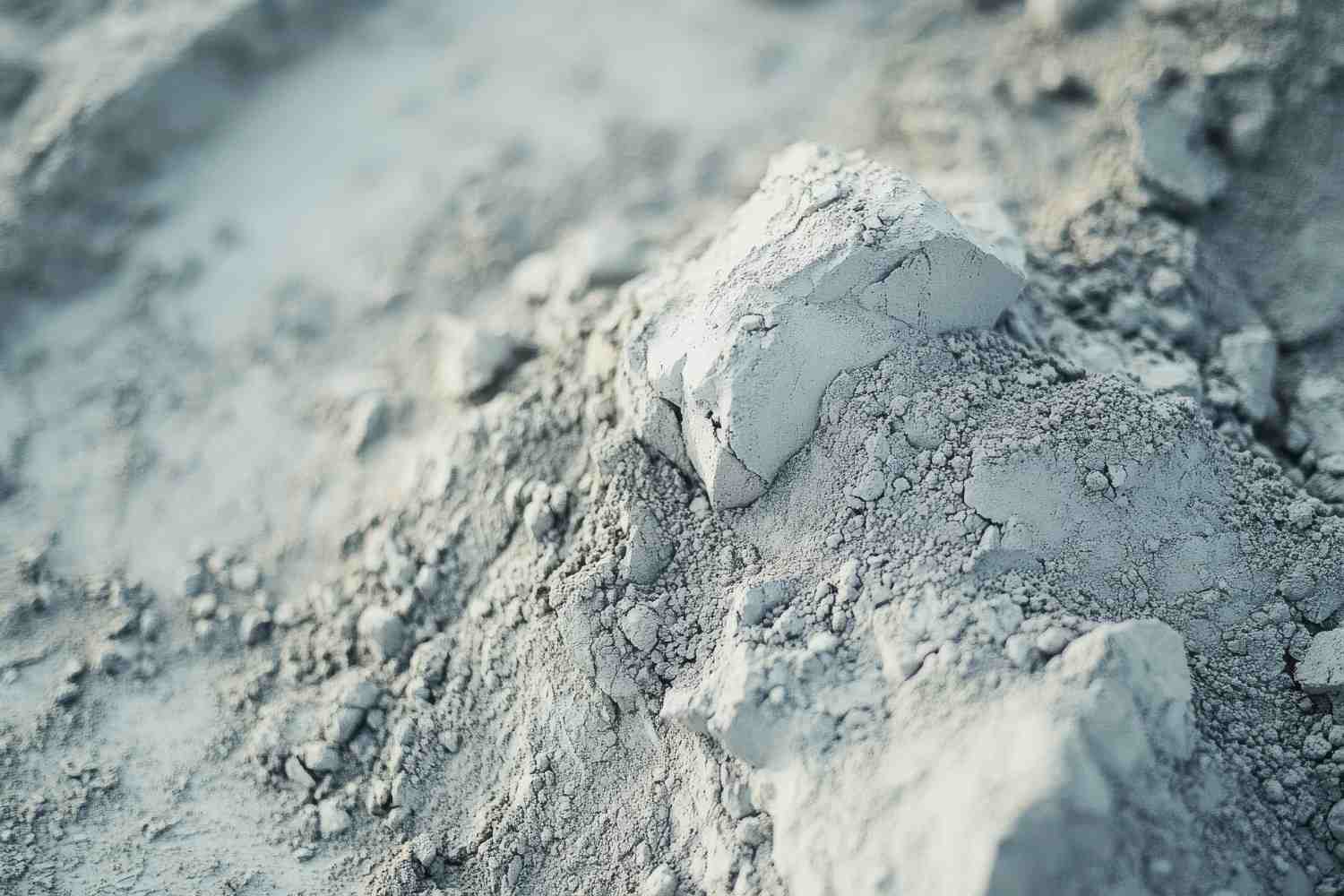
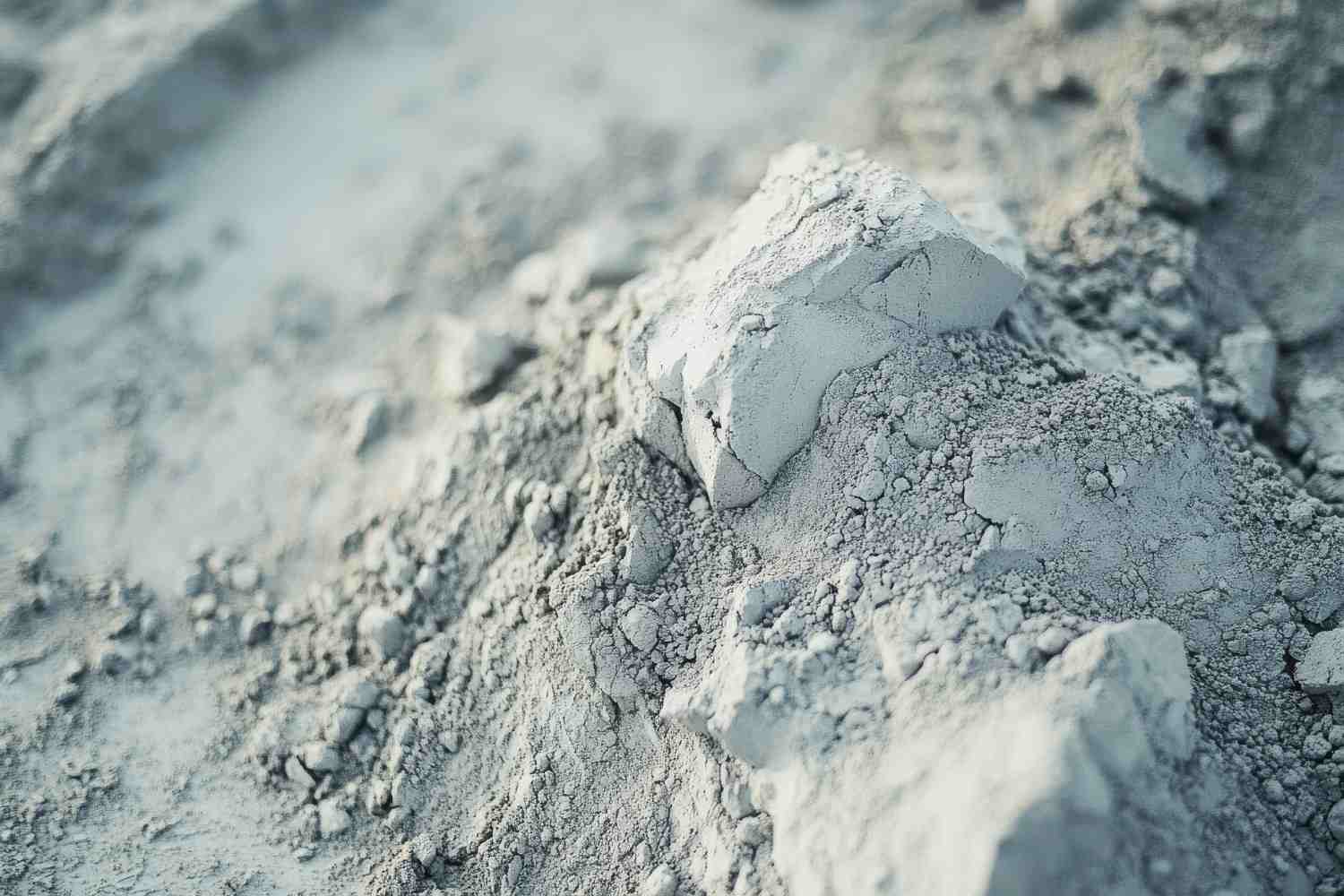
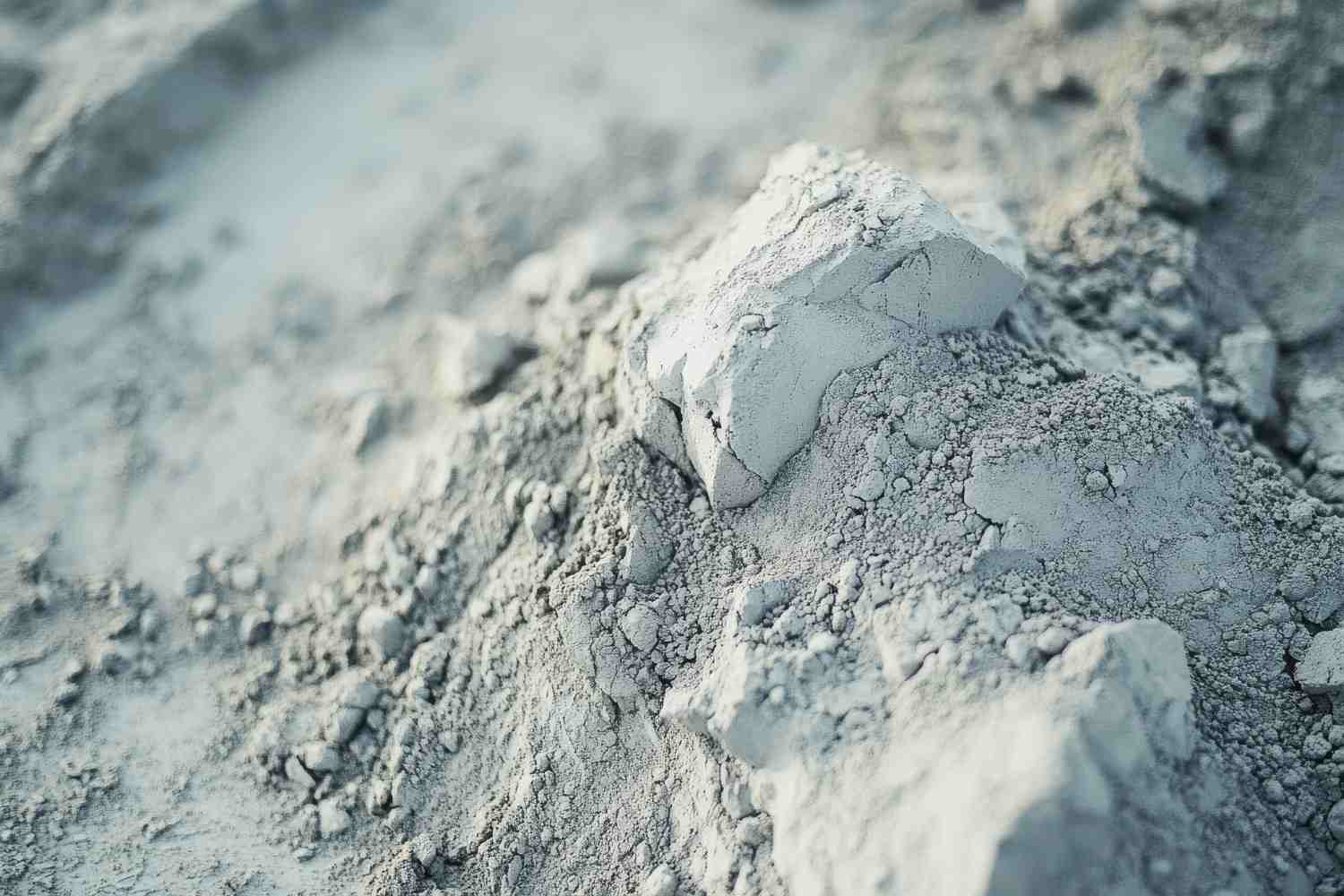
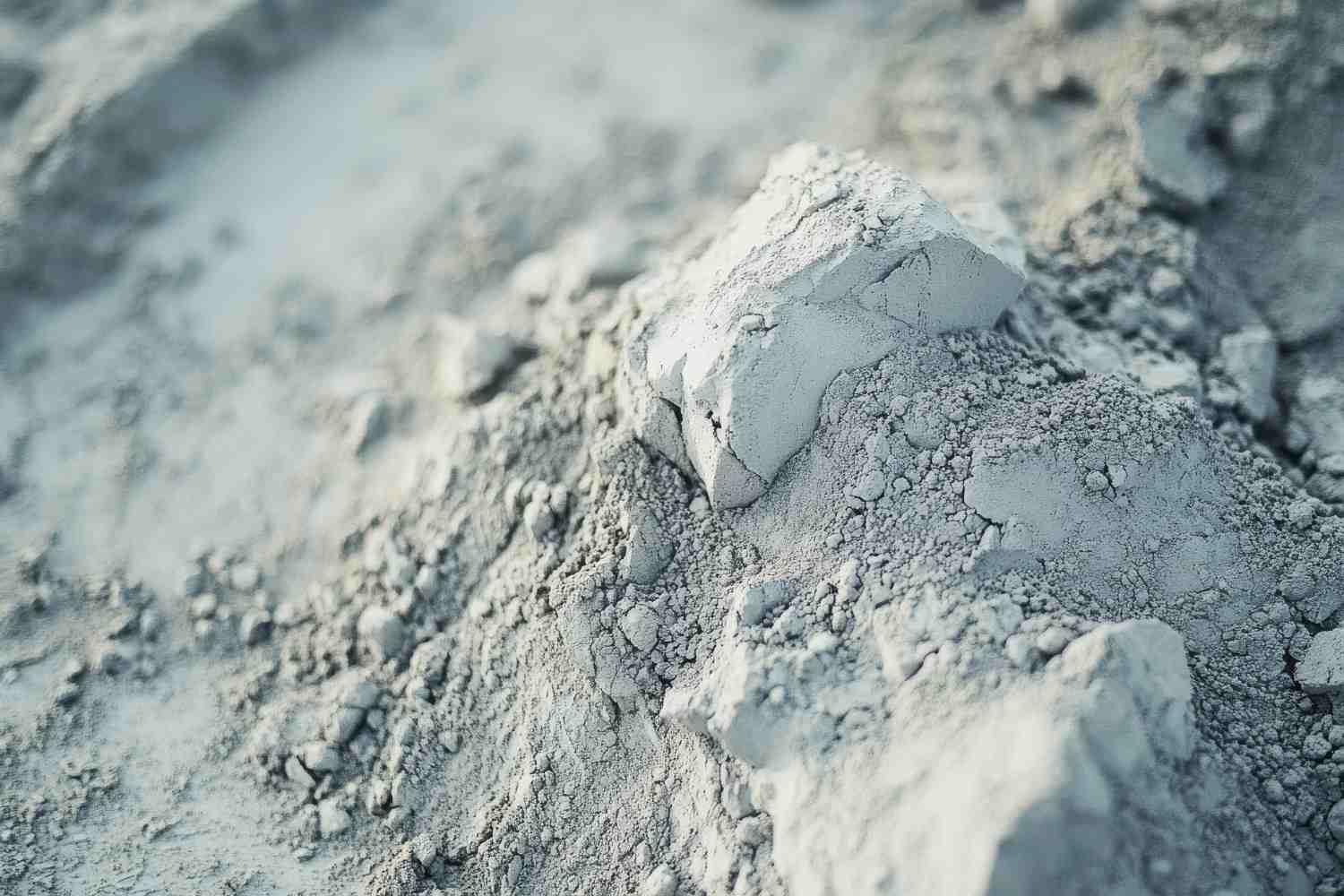
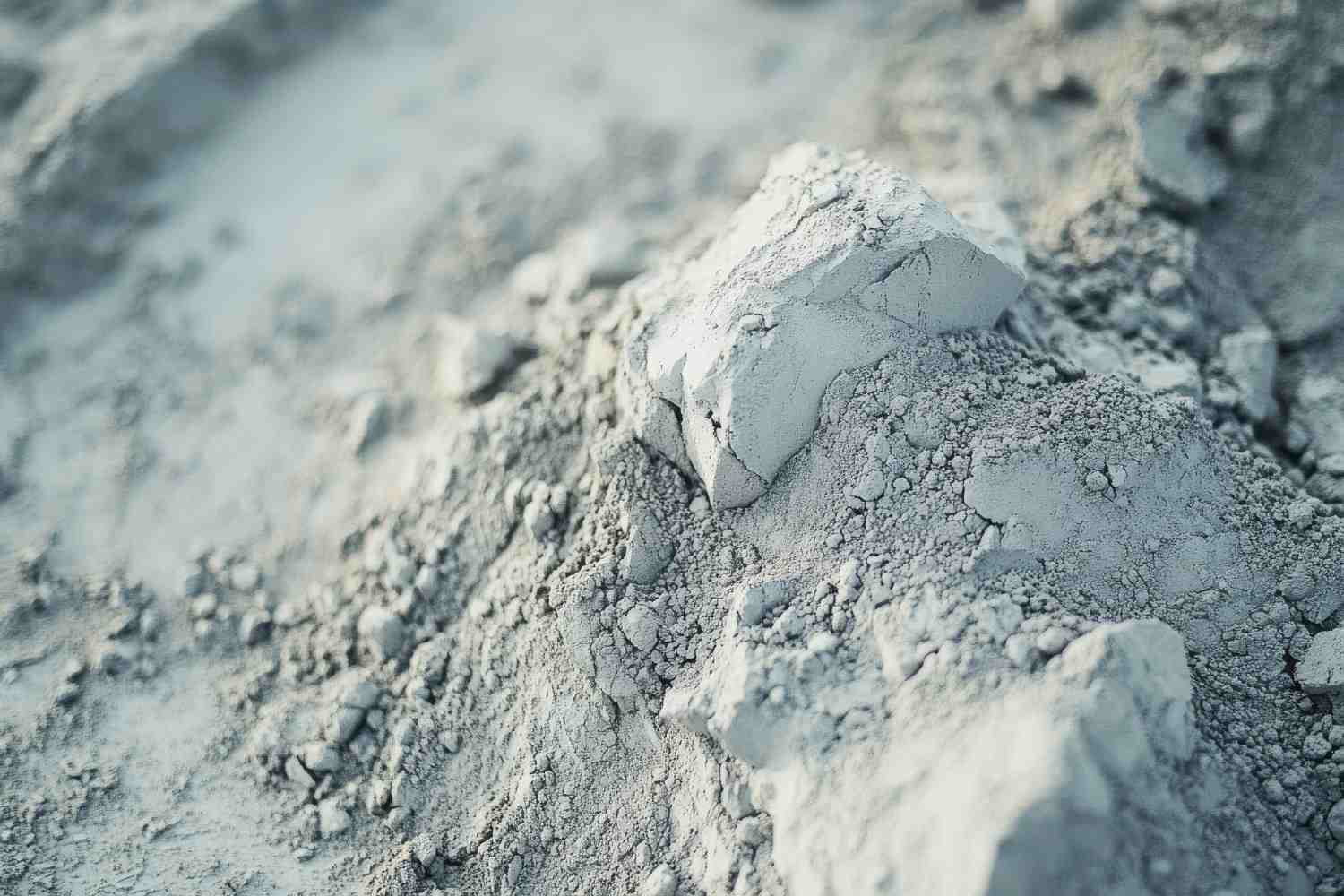
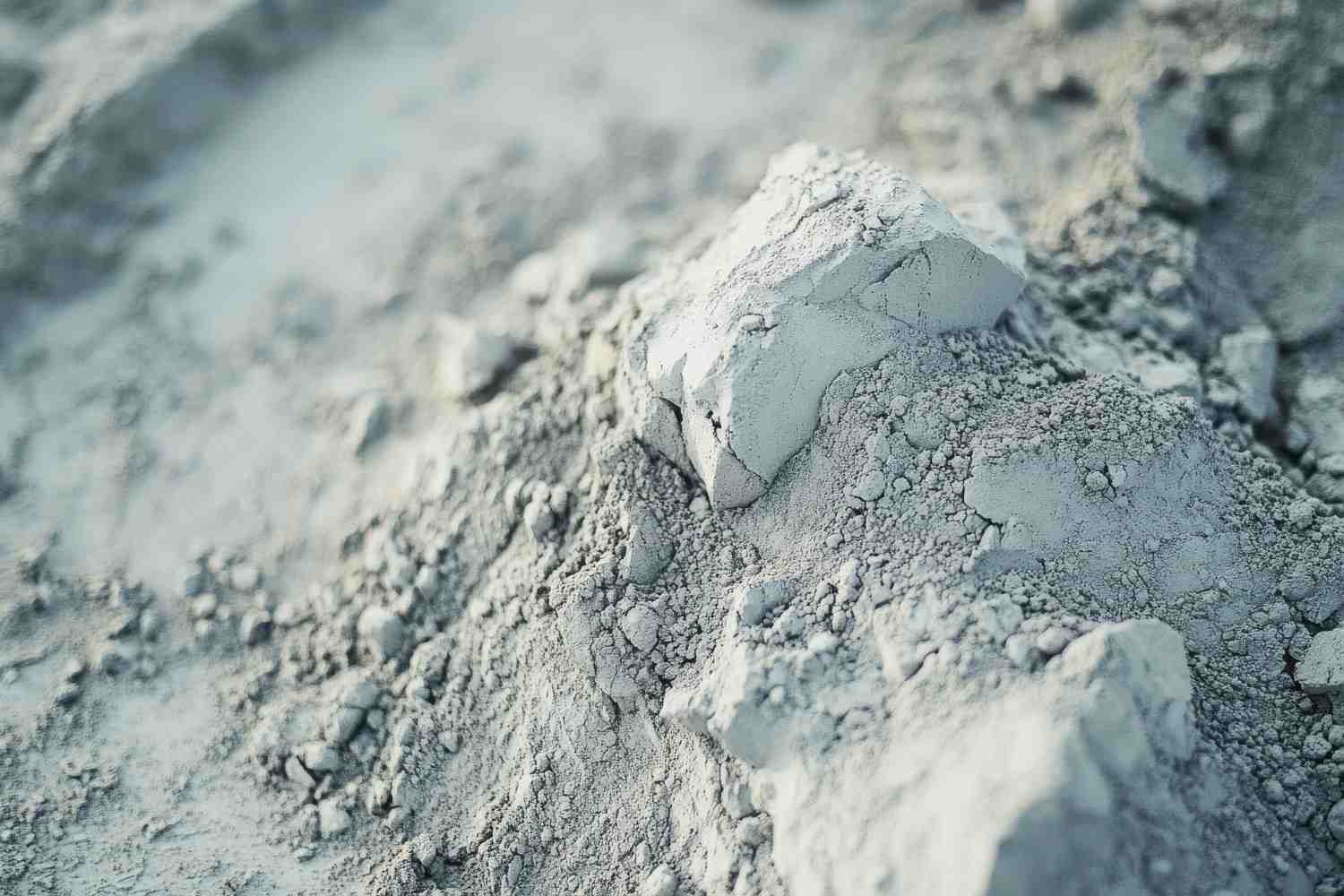
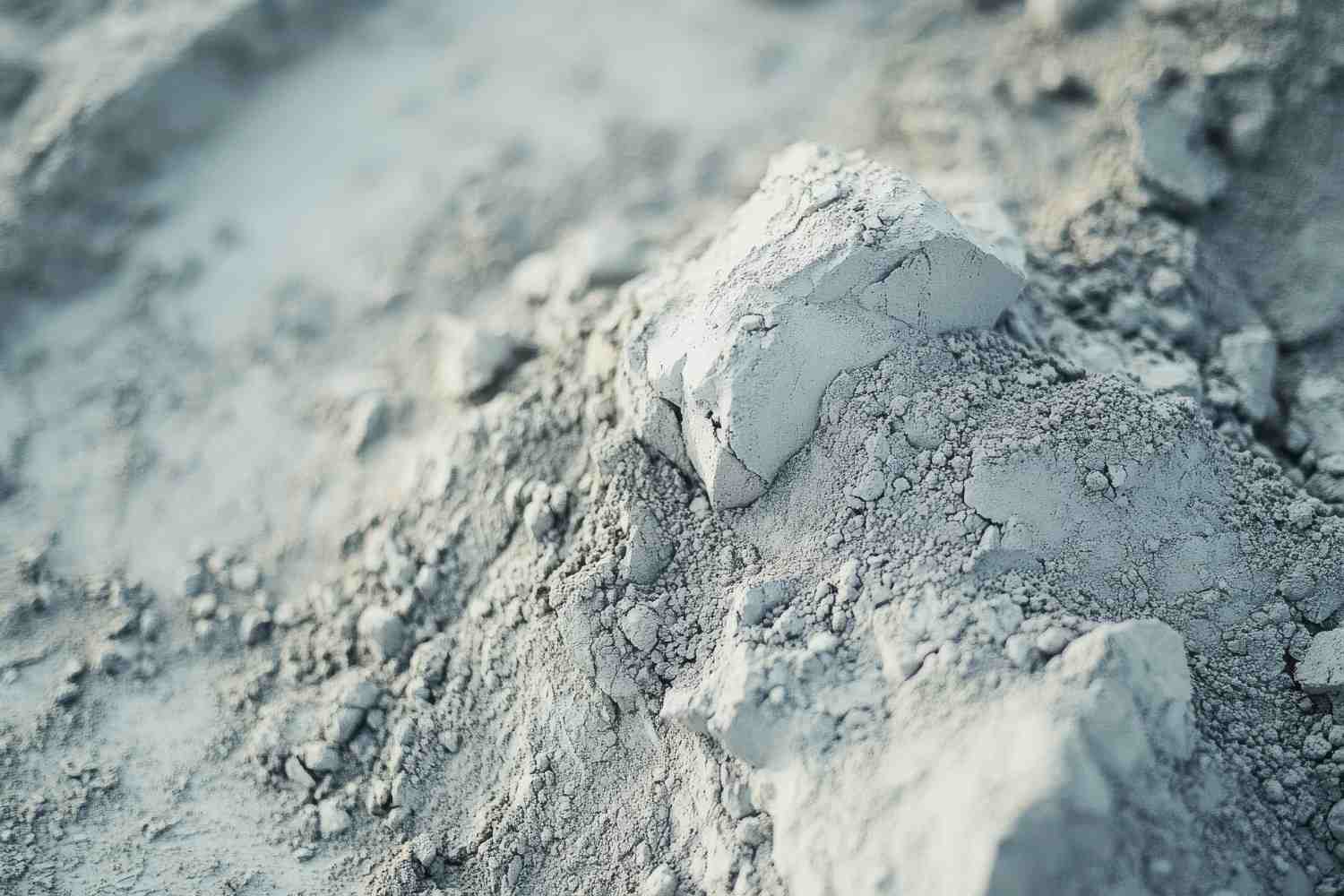
Silica Awareness Training provides an understanding of respirable crystalline silica (RCS), its health risks, and the workplace measures required to minimise exposure. The course covers silica dust control measures, RCS risk controls, respiratory protection, housekeeping, worker consultation, and air and health monitoring in an Australian workplace context.
Learning Outcomes
What you'll learn
- Explain what is respirable crystalline silica (RCS) and identify common workplace sources of silica dust exposure.
- Describe respirable crystalline silica health effects, including silicosis symptoms and causes and the potential long-term impact of exposure.
- Identify RCS hazards and apply appropriate RCS risk controls when planning and carrying out silica-related work.
- Select and implement effective silica dust control measures, including respiratory protective equipment and safe housekeeping practices.
- Understand requirements for worker consultation, air monitoring, and health monitoring to support safer management of silica exposure.
Stay updated with our


Learning Outcomes
What you'll learn
- Explain what is respirable crystalline silica (RCS) and identify common workplace sources of silica dust exposure.
- Describe respirable crystalline silica health effects, including silicosis symptoms and causes and the potential long-term impact of exposure.
- Identify RCS hazards and apply appropriate RCS risk controls when planning and carrying out silica-related work.
- Select and implement effective silica dust control measures, including respiratory protective equipment and safe housekeeping practices.
- Understand requirements for worker consultation, air monitoring, and health monitoring to support safer management of silica exposure.
Stay updated with our
Training Overview
- RCS Basics
- RCS Codes of Practice
- Planning RCS Work
- Worker Consultation
- Identifying RCS Hazards
- Selecting RCS Controls
- Implementing RCS Controls
- Respiratory Protection
- RCS Housekeeping
- Air & Health Monitoring
- Summary
Top reviews
No reviews yet.
You May Also Like
.jpg)
.jpg)
.jpg)




Take Your
Learning Anywhere
Stay on top of your learning with the Care Learning app.


Are you a qualified
Trainer or Instructor?
Join Care Learning as a trainer and deliver high-quality courses to learners across healthcare and workplace training.
Refer a Friend &
Earn Rewards.
Invite healthcare professionals to join Care Learning and get rewarded when your referral successfully joins.
Frequently asked questions
Respirable crystalline silica is fine dust released when materials containing crystalline silica are cut, drilled, ground or crushed. Inhalation can cause serious and permanent lung damage.
Respirable crystalline silica health effects can include silicosis, lung cancer, chronic bronchitis and emphysema. Repeated exposure can cause lasting lung damage, even after exposure has stopped.
Silicosis is caused by inhaling respirable crystalline silica dust. Symptoms may include breathing difficulties, persistent cough and reduced lung function, and the disease can become permanent and progressive.
RCS risk controls include eliminating or reducing dust generation, using wet methods, local exhaust ventilation, isolation, safe work practices, housekeeping and suitable respiratory protection.
Silica dust control measures include wet cutting, dust extraction, isolation, effective housekeeping and suitable respiratory protection. Workers should also follow safe work procedures and workplace RCS requirements.