

Suicide Prevention When Psychiatrists are Not Available
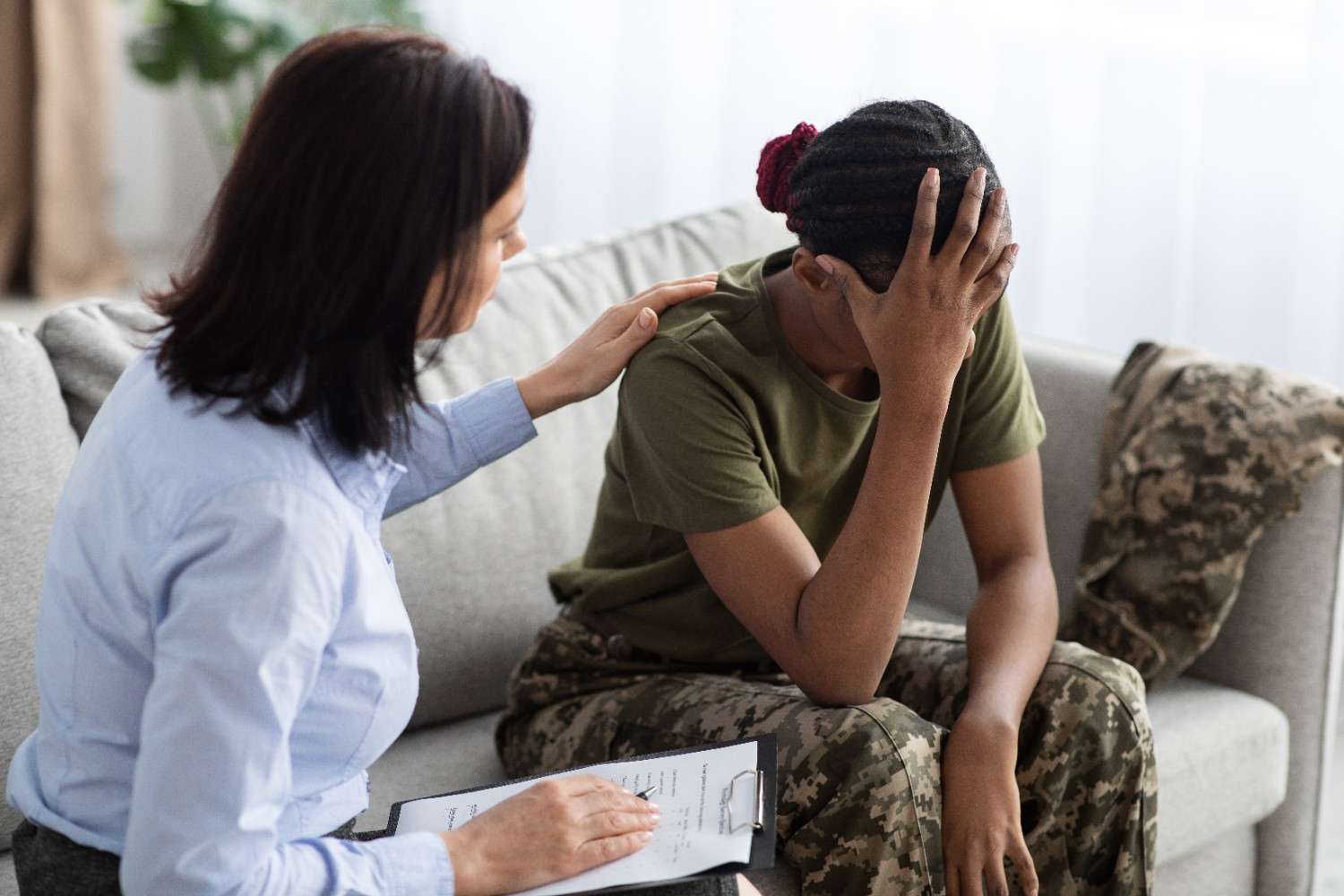
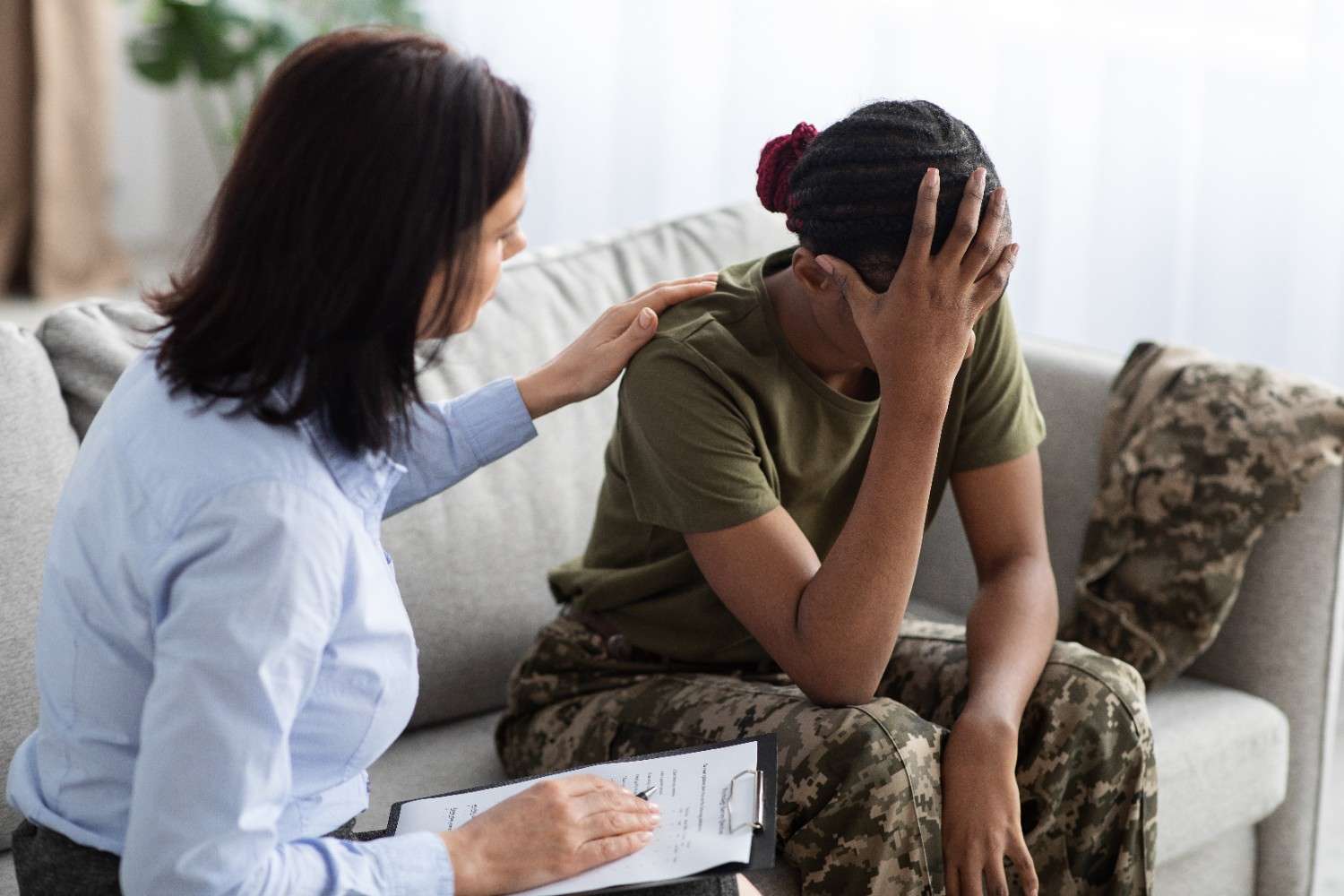
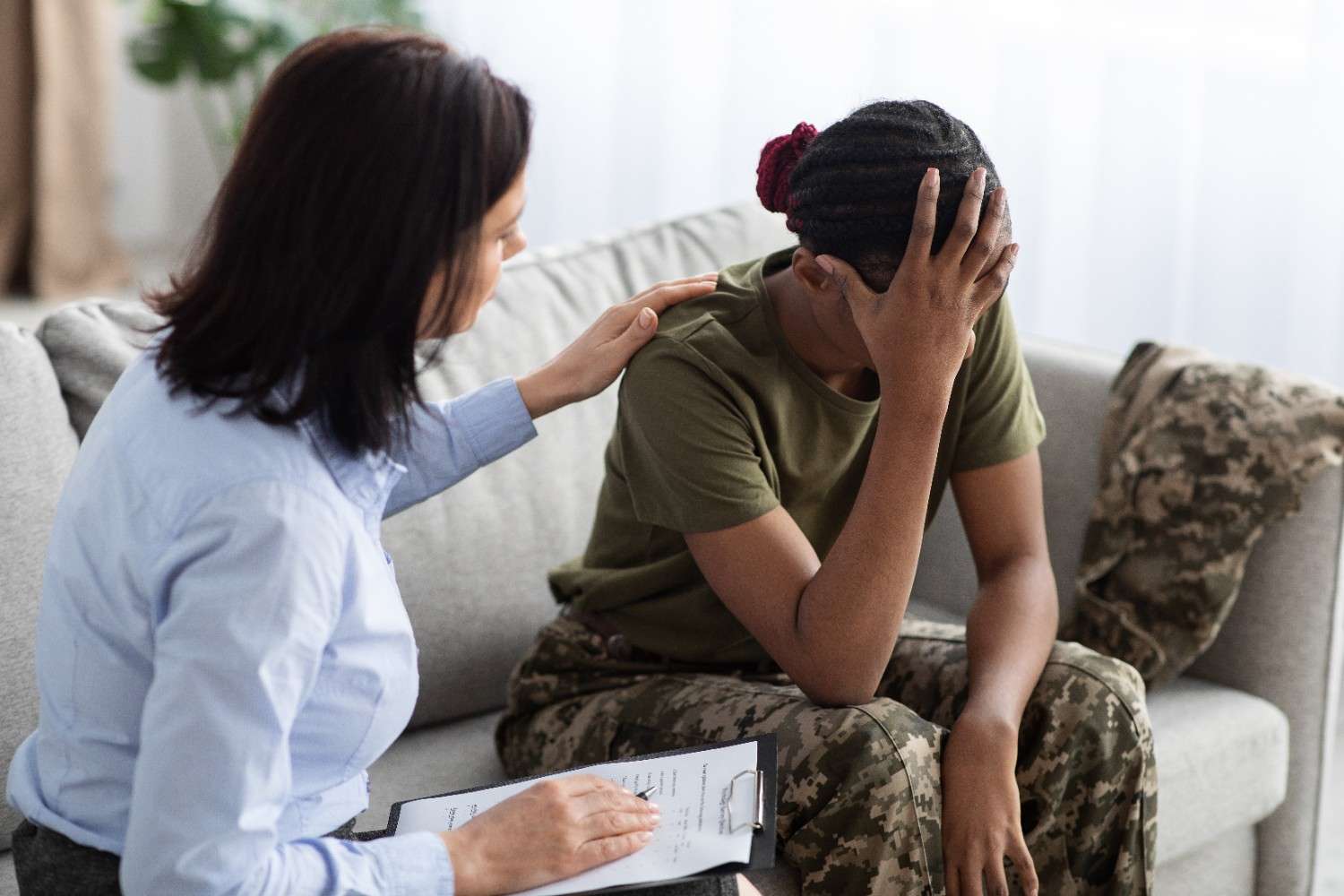
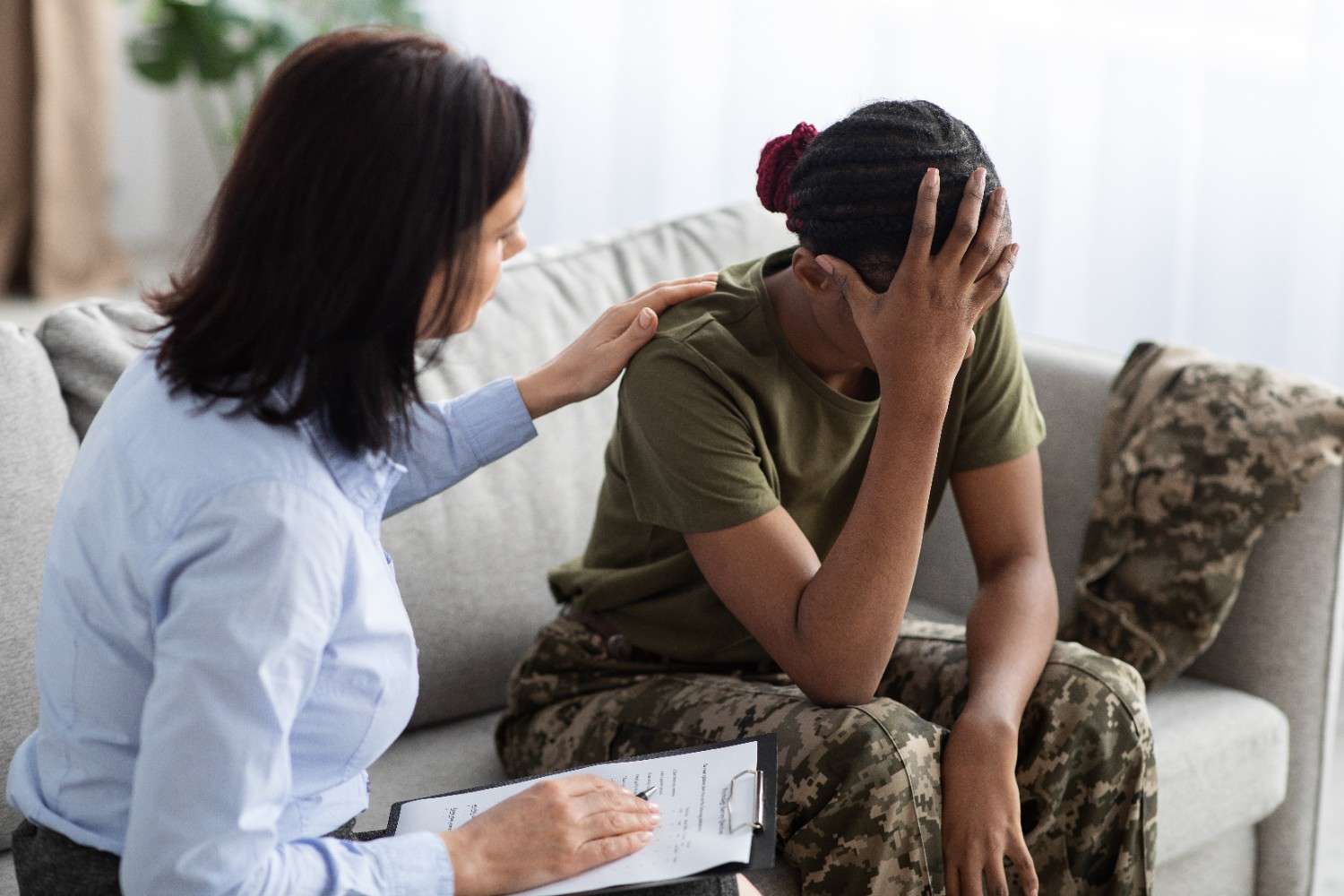
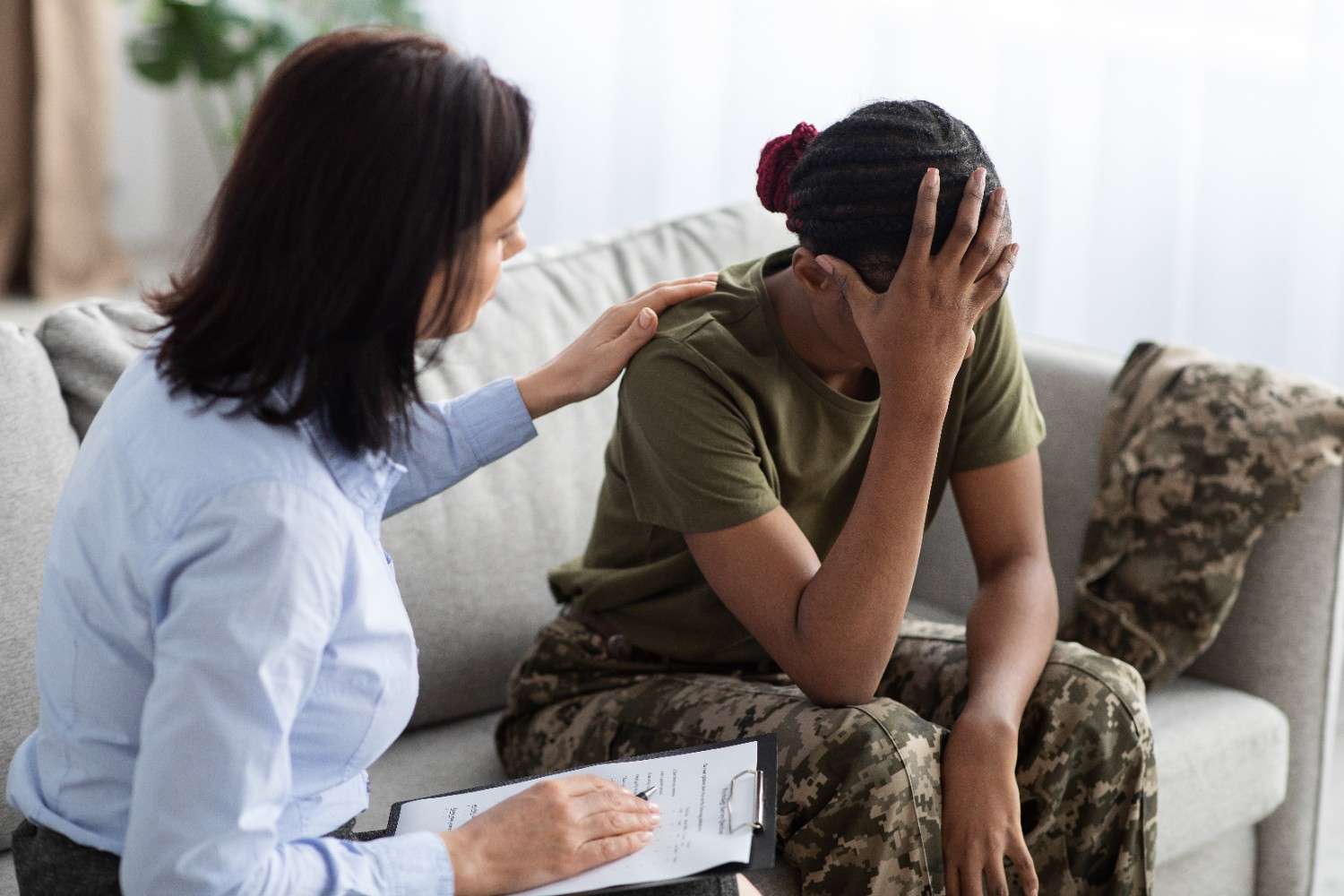
All medical practitioners have a crucial duty to prevent suicide, particularly in situations where psychiatrists are not readily available. This module offers helpful advice on identifying risk, providing prompt assistance, and guaranteeing patient safety. It gives medical professionals the fundamental abilities they need to react to emergencies with compassion and assurance.
Learning Outcomes
What you'll learn
- Recognise signs of suicidal ideation and risk factors
- Conduct basic risk assessments safely
- Communicate effectively with at-risk individuals
- Implement immediate safety measures
- Provide initial support and intervention
- Facilitate appropriate referral and follow-up care


Learning Outcomes
What you'll learn
- Recognise signs of suicidal ideation and risk factors
- Conduct basic risk assessments safely
- Communicate effectively with at-risk individuals
- Implement immediate safety measures
- Provide initial support and intervention
- Facilitate appropriate referral and follow-up care
Modules
- Understanding Suicide Risk
- Identifying Warning Signs
- Initial Risk Assessment
- Immediate support and Safety Management
- Communication and compassionate Care
- Referral and Follow-up
- Summary
Top reviews
No reviews yet.
You May Also Like




.jpg)
Learn Anytime
Anywhere
Experience the next level of learning with the Care Learning app. Available on Android and iOS.


Come and Work
with Us!
Join us as a healthcare trainer providing practical sessions to professionals and workers.
Apply for Trainer RoleIn-Person Practical
Healthcare Training
Enroll in our accredited, hands-on practical training sessions to deliver better patientcentred care.
Apply for TrainingRefer &
Earn Rewards.
Invite healthcare professionals to join Care Learning and earn rewards for every successful referral.
Frequently Asked Questions
Yes, all healthcare professionals play a vital role.
Talking about hopelessness or wanting to die.
Yes, asking directly is important and safe.
A structured plan to reduce immediate risk.
When there is immediate risk or a clear plan.
Yes, it ensures ongoing support and safety.