
The Science of Food
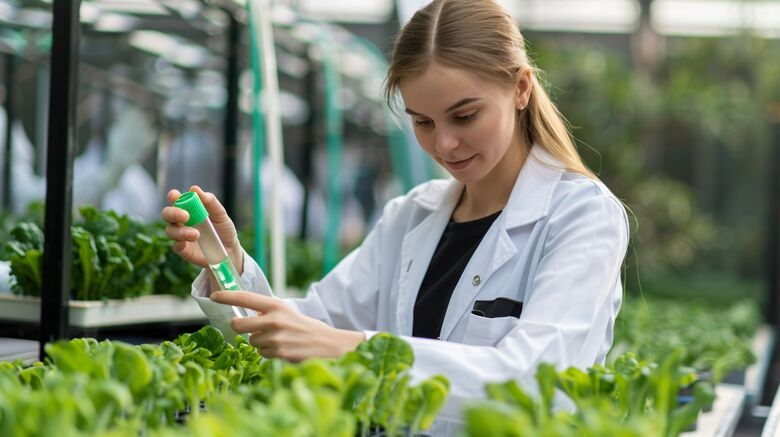
This nutrition course explores food chemistry, microbiology, and safety processes, emphasizing food analysis, engineering, and the role of technology in ensuring high-quality and safe food for consumers. Learn how the evolving food industry responds to modern demands for healthier and more convenient products.
Learning Outcomes
What you'll learn
- Discuss the fundamental concepts and components of food chemistry.
- Describe the various methods used by researchers to analyze food.
- Identify key technical aspects of the food industry, specifically biotechnology.
- Explain the study of microbes that inhabit food production and contribute to contamination.
- Summarize the physical qualities, components, and measurements of food.
- Analyze the biochemical and physiological processes that occur during food consumption.
Stay updated with our


Learning Outcomes
What you'll learn
- Discuss the fundamental concepts and components of food chemistry.
- Describe the various methods used by researchers to analyze food.
- Identify key technical aspects of the food industry, specifically biotechnology.
- Explain the study of microbes that inhabit food production and contribute to contamination.
- Summarize the physical qualities, components, and measurements of food.
- Analyze the biochemical and physiological processes that occur during food consumption.
Stay updated with our
Training Overview
- Introduction to Food Chemistry
- Food Analysis
- Food Biotechnology
- Food Microbiology
- Food Physics
- Food Engineering
- Nutrition
- Summary

Top reviews
No reviews yet.
You May Also Like
.jpg)
.jpg)
.jpg)



Take Your
Learning Anywhere
Stay on top of your learning with the Care Learning app.


Are you a qualified
Trainer or Instructor?
Join Care Learning as a trainer and deliver high-quality courses to learners across healthcare and workplace training.
Refer a Friend &
Earn Rewards.
Invite healthcare professionals to join Care Learning and get rewarded when your referral successfully joins.
Frequently asked questions
This course explains how food is made safe and healthy by studying food chemistry, microbiology, and safety methods used in the food industry.
The course is useful for students, food professionals, and anyone interested in food quality, safety, and modern food production.
It covers food chemistry, food microbiology, food analysis, food engineering, and how technology helps keep food safe and high quality.
The course shows how the food industry meets modern needs for healthier, safer, and more convenient food products using science and technology.