
Triple Therapy for Severe Asthma - More Than the Sum of its Parts
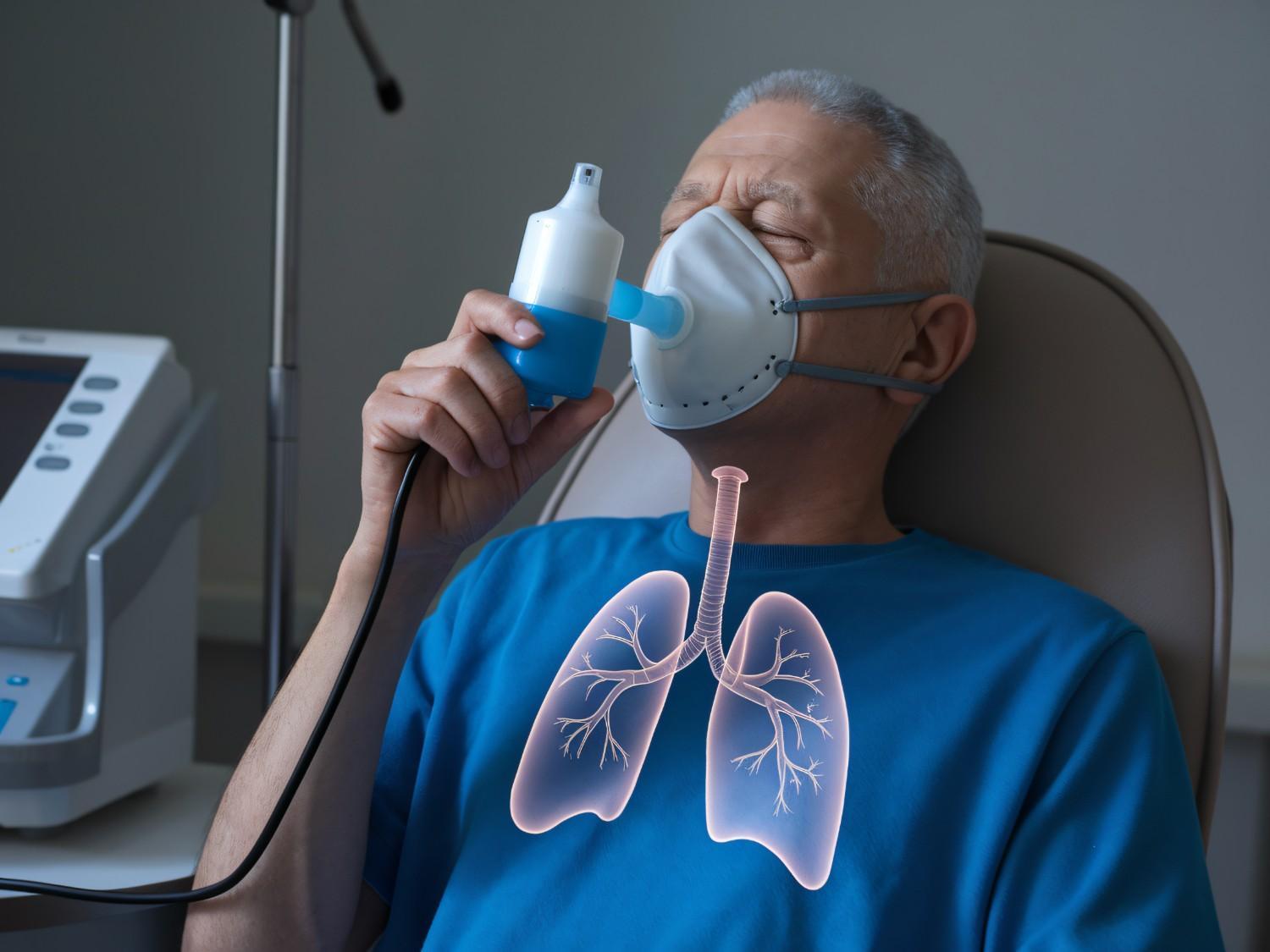
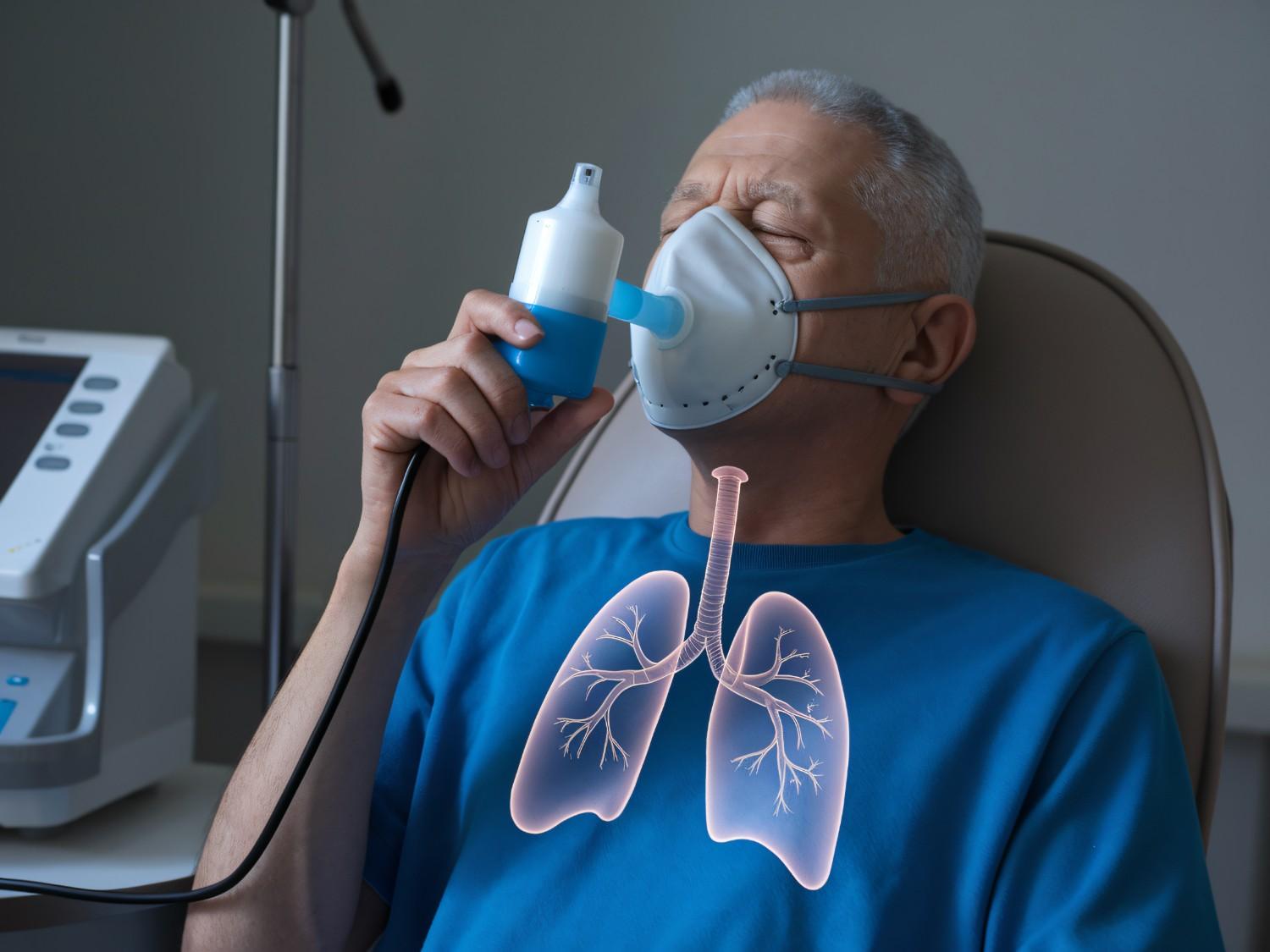
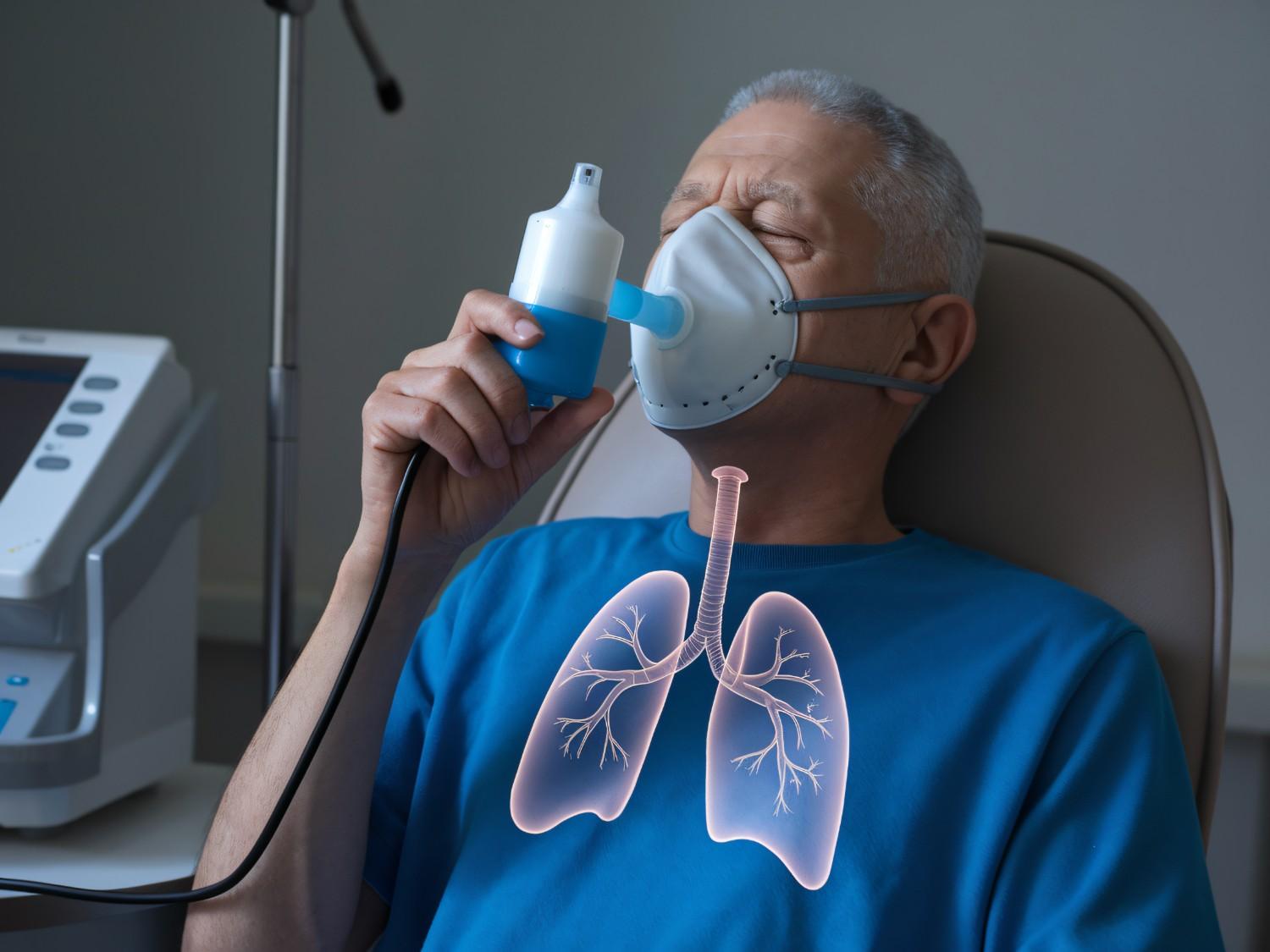
Severe asthma remains a major clinical challenge despite advances in inhaled therapies, biologics, and personalized medicine. Many patients continue to experience persistent symptoms, frequent exacerbations, impaired lung function, and reduced quality of life even while receiving standard treatment. Triple therapy, which combines an inhaled corticosteroid (ICS), a long-acting beta2-agonist (LABA), and a long-acting muscarinic antagonist (LAMA), has emerged as an important treatment strategy for selected patients with uncontrolled severe asthma. This approach targets multiple inflammatory and bronchoconstrictive pathways simultaneously, making it “more than the sum of its parts.”
Learning Outcomes
What you'll learn
- Describe the most recent asthma guidelines (AIR-MART regimens) for the use of ICS-formoterol in cases of mild, moderate, and severe asthma.
- Describe a strategy for treating acute asthma symptoms with ICS-formoterol, including the use of smaller devices like DPI.
- Enumerate the resources that clinicians and patients can use to help implement an ICS-formoterol asthma treatment regimen.
- Remember that the hydrofluorocarbon propellants used in pMDI are strong greenhouse gases; newer propellants are being developed, and other devices are available.
- Describe a strategy for giving patients the choice to switch from pMDIs to an efficient and evidence-based ICS-formoterol regimen via DPI.
Stay updated with our


Learning Outcomes
What you'll learn
- Describe the most recent asthma guidelines (AIR-MART regimens) for the use of ICS-formoterol in cases of mild, moderate, and severe asthma.
- Describe a strategy for treating acute asthma symptoms with ICS-formoterol, including the use of smaller devices like DPI.
- Enumerate the resources that clinicians and patients can use to help implement an ICS-formoterol asthma treatment regimen.
- Remember that the hydrofluorocarbon propellants used in pMDI are strong greenhouse gases; newer propellants are being developed, and other devices are available.
- Describe a strategy for giving patients the choice to switch from pMDIs to an efficient and evidence-based ICS-formoterol regimen via DPI.
Stay updated with our
Training Overview
- Latest Asthma Guidelines for ICS-Formoterol in Mild, Moderate, and Severe Asthma
- Treating Acute Asthma Symptoms with ICS-Formoterol Including DPI Use
- Resources for Implementing an ICS-Formoterol Regimen
- Environmental Impact of pMDIs and Newer Device Options
- Helping Patients Switch from pMDIs to ICS-Formoterol DPI by Choice
- Summary
.jpg)
.jpg)
.jpg)
.jpg)
Top reviews
No reviews yet.
You May Also Like
.jpg)
.jpg)
.jpg)




Take Your
Learning Anywhere
Stay on top of your learning with the Care Learning app.


Are you a qualified
Trainer or Instructor?
Join Care Learning as a trainer and deliver high-quality courses to learners across healthcare and workplace training.
Refer a Friend &
Earn Rewards.
Invite healthcare professionals to join Care Learning and get rewarded when your referral successfully joins.
Frequently asked questions
Triple therapy refers to the combination of ICS, LABA, and LAMA to improve asthma control when dual therapy is insufficient.
Patients with persistent symptoms or frequent exacerbations despite optimized ICS/LABA therapy may be considered.
No. Triple therapy uses inhaled medications, while biologics are injectable targeted therapies for selected phenotypes.
Yes. In appropriate patients, it may lower exacerbation frequency and improve lung function.
Possible effects include dry mouth, tremor, throat irritation, or hoarseness depending on the medication components.
It may improve convenience and adherence, though suitability depends on patient preference and availability.