
Understanding Tracheostomies
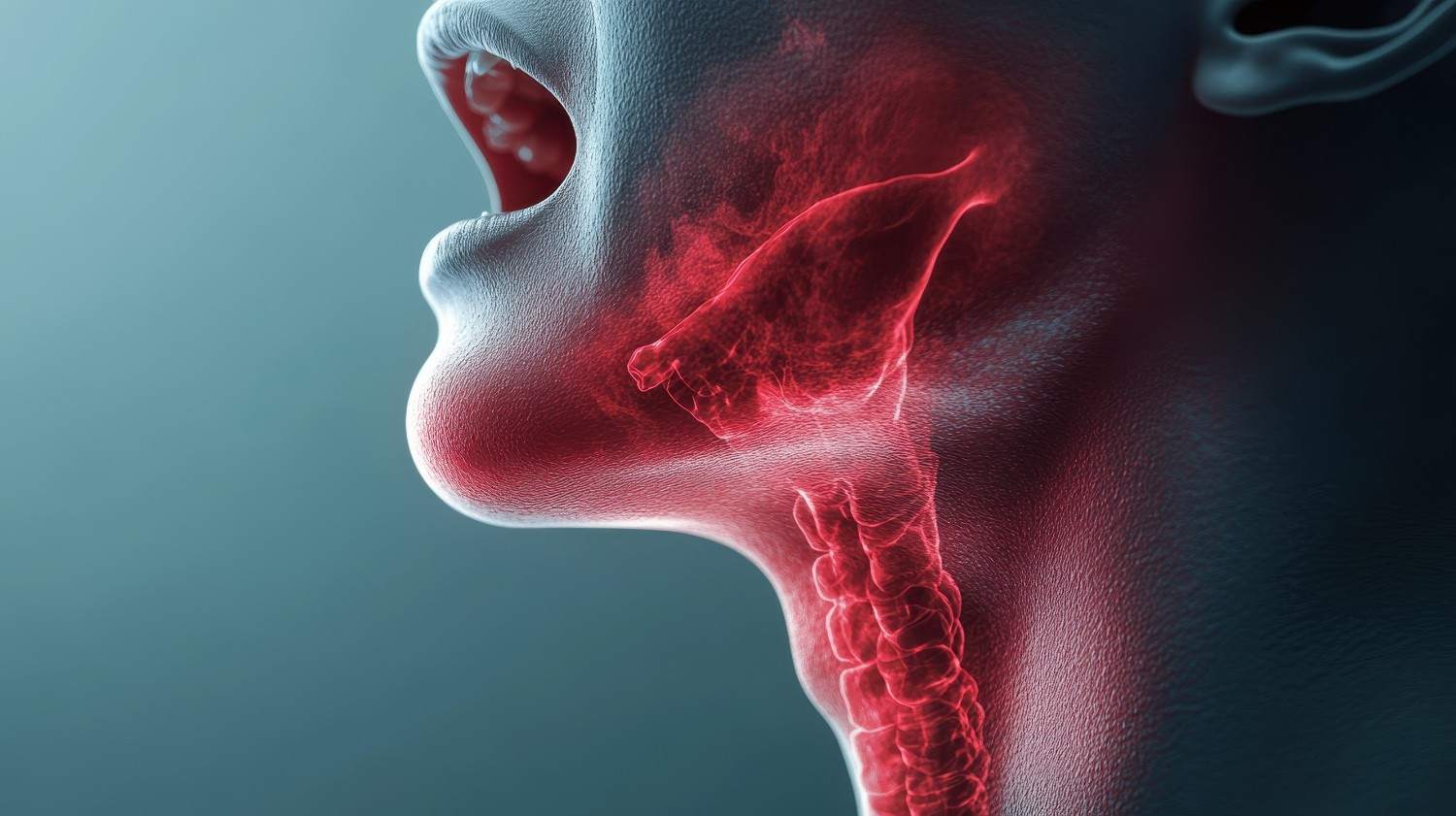
This course provides healthcare professionals with a practical understanding of **tracheostomy care and management**, including tracheostomy procedures, insertion techniques, tube types, and potential complications. It supports learners in recognising airway risks, responding safely to complications, and understanding the **difference between tracheostomy and laryngectomy**.
Learning Outcomes
What you'll learn
- Define tracheostomy and explain its purpose, indications, and role in managing patients with an altered airway.
- Describe tracheostomy insertion techniques and outline the anatomical and physiological changes associated with the tracheostomy procedure.
- Identify common tracheostomy complications and recognise key safety considerations when caring for a patient with a tracheostomy.
- Recognise different types of tracheostomy tubes and explain their features, uses, and appropriate applications.
- Differentiate between a tracheostomy and laryngectomy, including the key implications for airway management and patient care.
Stay updated with our


Learning Outcomes
What you'll learn
- Define tracheostomy and explain its purpose, indications, and role in managing patients with an altered airway.
- Describe tracheostomy insertion techniques and outline the anatomical and physiological changes associated with the tracheostomy procedure.
- Identify common tracheostomy complications and recognise key safety considerations when caring for a patient with a tracheostomy.
- Recognise different types of tracheostomy tubes and explain their features, uses, and appropriate applications.
- Differentiate between a tracheostomy and laryngectomy, including the key implications for airway management and patient care.
Stay updated with our
Training Overview
- Understanding Tracheostomy and Its Purpose
- Anatomical and Physiological Effects of Tracheostomy
- Tracheostomy Insertion Methods and Techniques
- Recognising and Managing Tracheostomy Complications
- Types, Components and Features of Tracheostomy Tubes
- Understanding the Differences Between Tracheostomy and Laryngectomy
- Summary







Top reviews
No reviews yet.
You May Also Like
.jpg)
.jpg)
.jpg)




Take Your
Learning Anywhere
Stay on top of your learning with the Care Learning app.


Are you a qualified
Trainer or Instructor?
Join Care Learning as a trainer and deliver high-quality courses to learners across healthcare and workplace training.
Refer a Friend &
Earn Rewards.
Invite healthcare professionals to join Care Learning and get rewarded when your referral successfully joins.
Frequently asked questions
Tracheostomy online training Australia covers the tracheostomy procedure, insertion techniques, tube types, complications, airway changes, and safe tracheostomy management.
The main tracheostomy insertion techniques are surgical tracheostomy and percutaneous dilatational tracheostomy, with the approach selected according to the patient’s clinical needs.
Common tracheostomy complications include tube blockage, displacement, haemorrhage, infection, pneumothorax, tracheal stenosis, and accidental decannulation.
To understand how to manage a tracheostomy tube, healthcare professionals should recognise tube features, monitor airway status, maintain patency, and identify complications promptly.
The difference between tracheostomy and laryngectomy is that a tracheostomy creates an alternative airway, while laryngectomy removes the upper airway and creates a permanent stoma.