FA
5Faida
User from
excellent
Posted on 27/05/2026
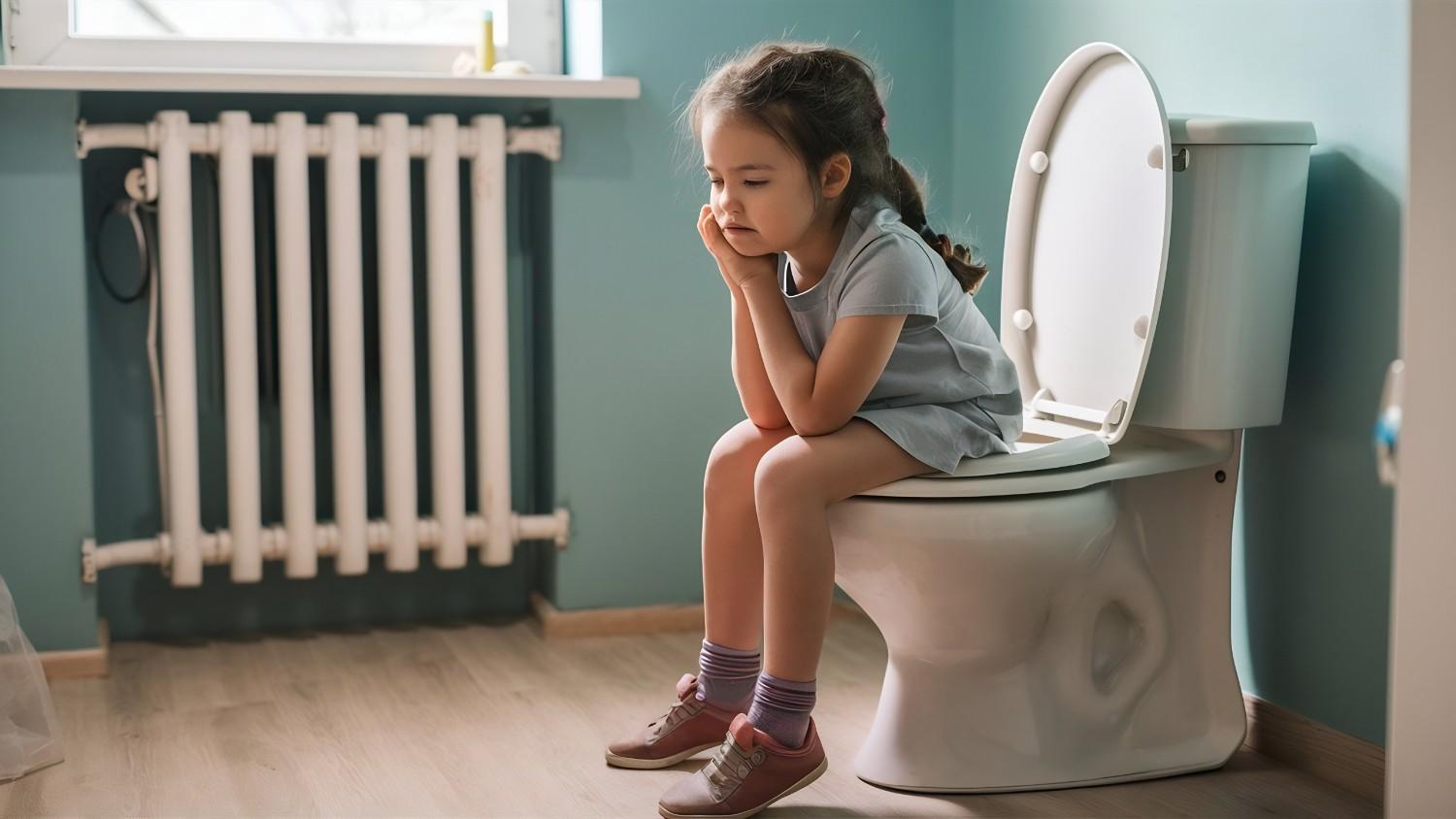
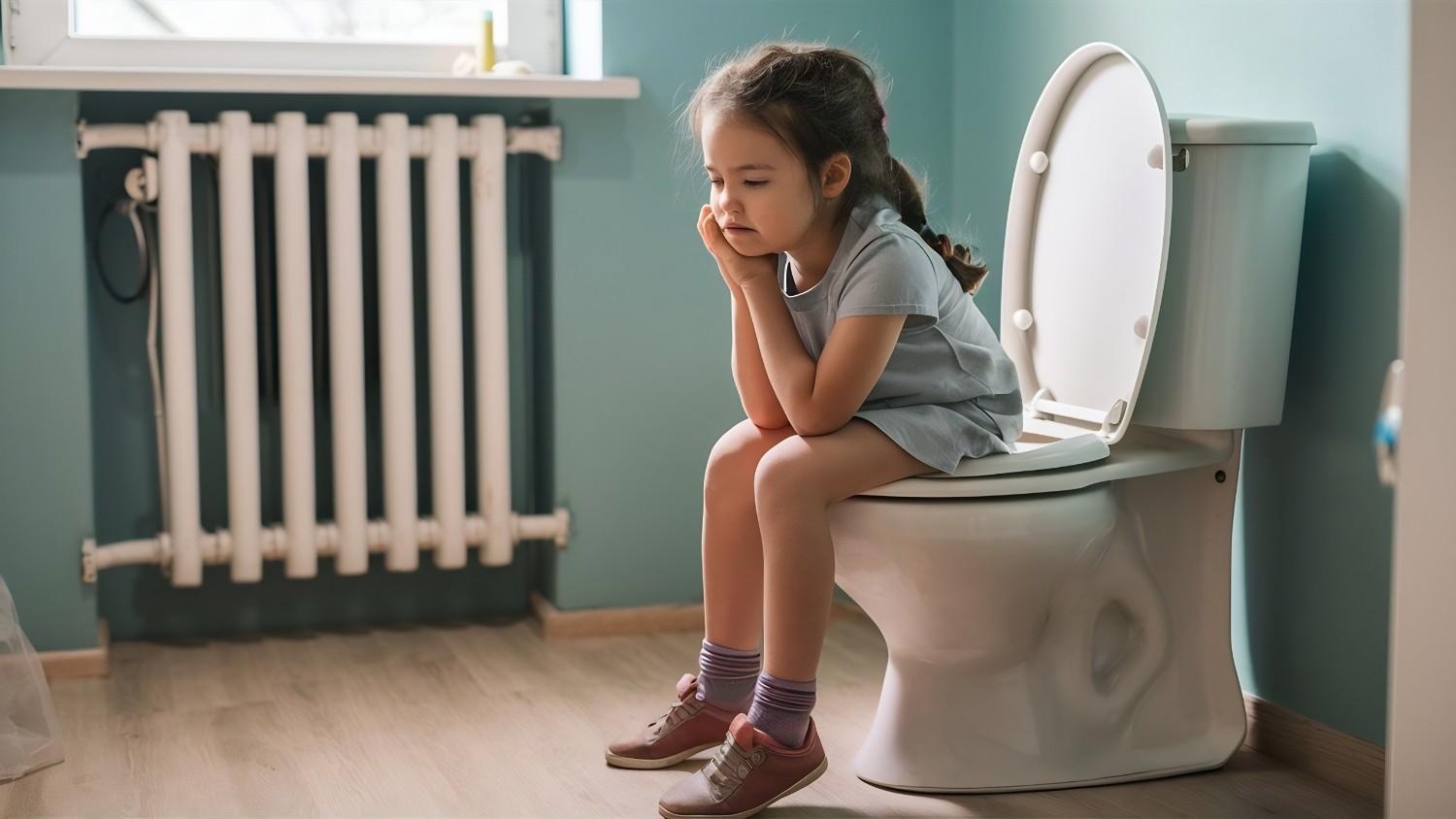
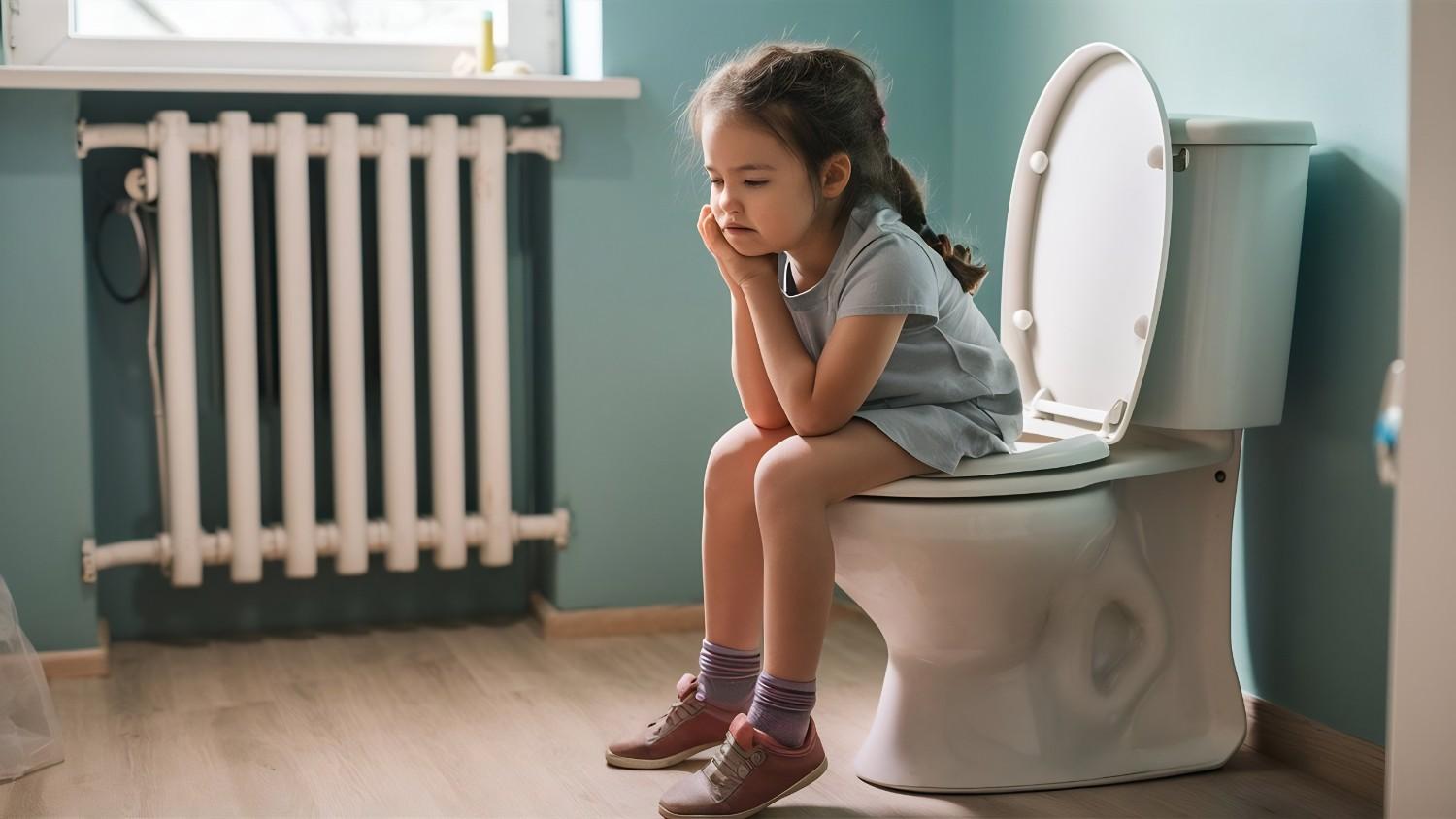
Urinary Incontinence in Children is a Continuing Professional Development (CPD) course designed to provide healthcare professionals with an evidence-based understanding of childhood urinary incontinence, its causes, assessment, treatment options, and psychosocial impacts. The course explores the different types of urinary incontinence in children and outlines practical strategies for behavioural, medical, and multidisciplinary management. Urinary incontinence is a common paediatric condition that may affect a child’s physical health, emotional wellbeing, self-esteem, school participation, and family life. Children may experience daytime wetting, bedwetting, urgency, frequency, or incomplete bladder emptying, often requiring individualised assessment and treatment approaches.
.jpg)
Stay updated with our


Stay updated with our
.jpg)
.jpg)
.jpg)
.jpg)
User from
excellent
Posted on 27/05/2026
Stay on top of your learning with the Care Learning app.


Join Care Learning as a trainer and deliver high-quality courses to learners across healthcare and workplace training.
Invite healthcare professionals to join Care Learning and get rewarded when your referral successfully joins.
Urinary incontinence refers to involuntary urine leakage beyond the expected age of bladder control.
Nocturnal enuresis is bedwetting that occurs during sleep.
Yes, constipation may place pressure on the bladder and worsen continence problems.
Treatment may include bladder retraining, behavioural therapy, lifestyle changes, and medication.
Children with incontinence may experience embarrassment, anxiety, or low self-esteem.
Referral may be needed for persistent, severe, or complex continence problems.
.jpg)
.jpg)
.jpg)