




Urinary Tract Infections in Residential Aged Care

50+ already enrolled

3.5

This course explores the assessment, diagnosis and management of urinary tract infections (UTIs) in residential aged care settings. It helps healthcare professionals make informed decisions about urine testing, antibiotic treatment and catheter care while promoting appropriate prescribing and reducing antimicrobial resistance.

7 Modules1 hour
$0
Urinary Tract Infections in Residential Aged Care

Learning Outcomes

What you'll learn

  • Determine when urine testing is necessary and apply appropriate urine collection methods for aged care residents.
  • Interpret urine culture results and recognise potential signs of urinary tract infections.
  • Apply clinical decision-making guidelines to assess suspected UTIs and identify alternative diagnoses.
  • Recognise modifiable UTI risk factors and implement preventive measures in residential aged care settings.
  • Identify when antibiotic treatment is appropriate and apply safe prescribing and catheter management practices to minimise antimicrobial resistance.

Modules

Module 1

Causes and contributing risk factors

Module 2

Recognising symptoms and making a diagnosis

Module 3

Diagnostic considerations for residents with cognitive impairment

Module 4

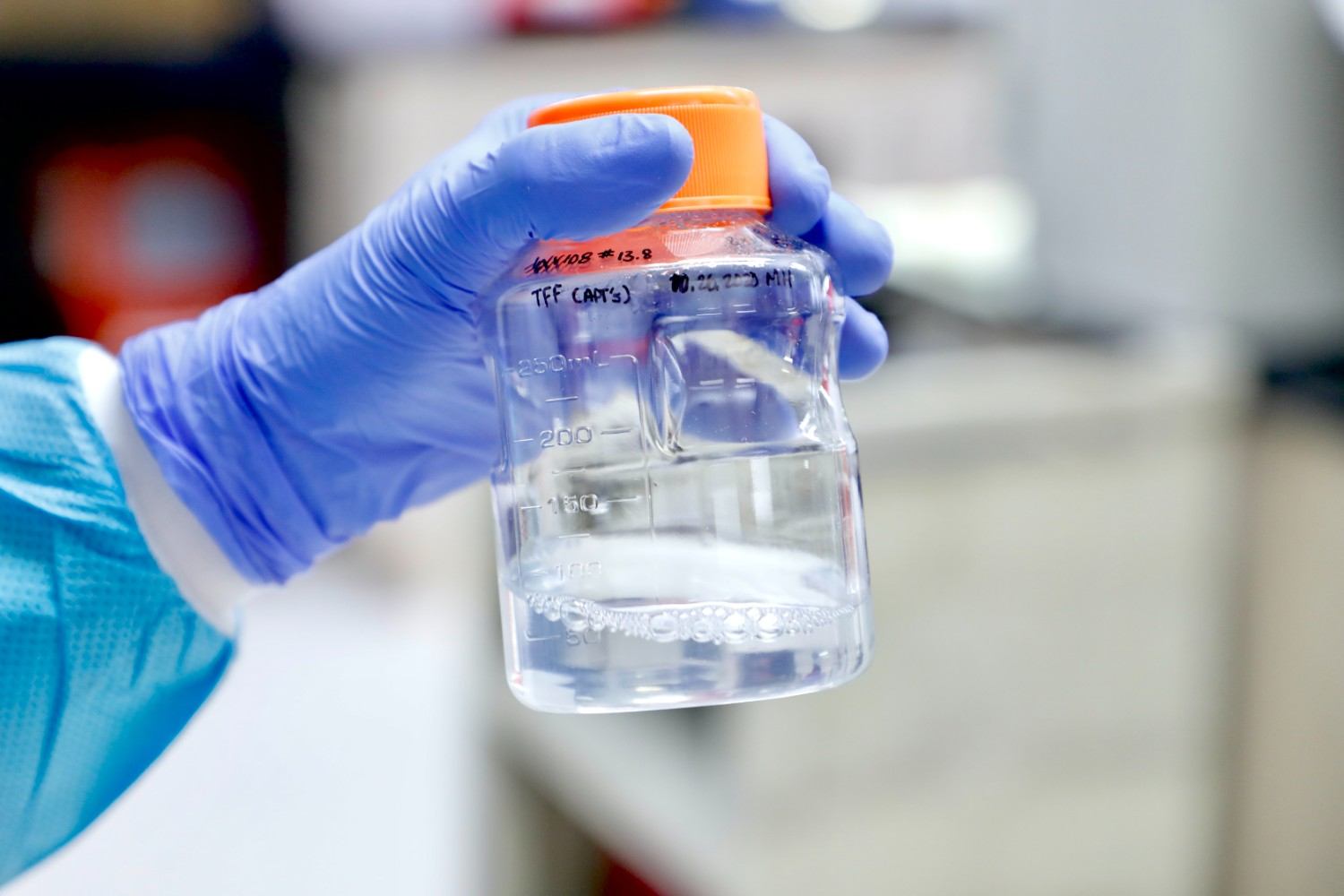
Appropriate urine sample collection techniques

Module 5

Treatment approaches and management

Module 6

Managing urinary tract infections without antibiotic use

Module 7

Summary

You May Also Like

Learn Anytime
Anywhere

Experience the next level of learning with the Care Learning app. Available on Android and iOS.

Download on the App StoreGet it on Google Play

Come and Work
with Us!

Join us as a healthcare trainer providing practical sessions to professionals and workers.

Apply for Trainer Role

In-Person Practical
Healthcare Training

Enroll in our accredited, hands-on practical training sessions to deliver better patientcentred care.

Apply for Training

Refer &
Earn Rewards.

Invite healthcare professionals to join Care Learning and earn rewards for every successful referral.

1 / 4

Frequently Asked Questions

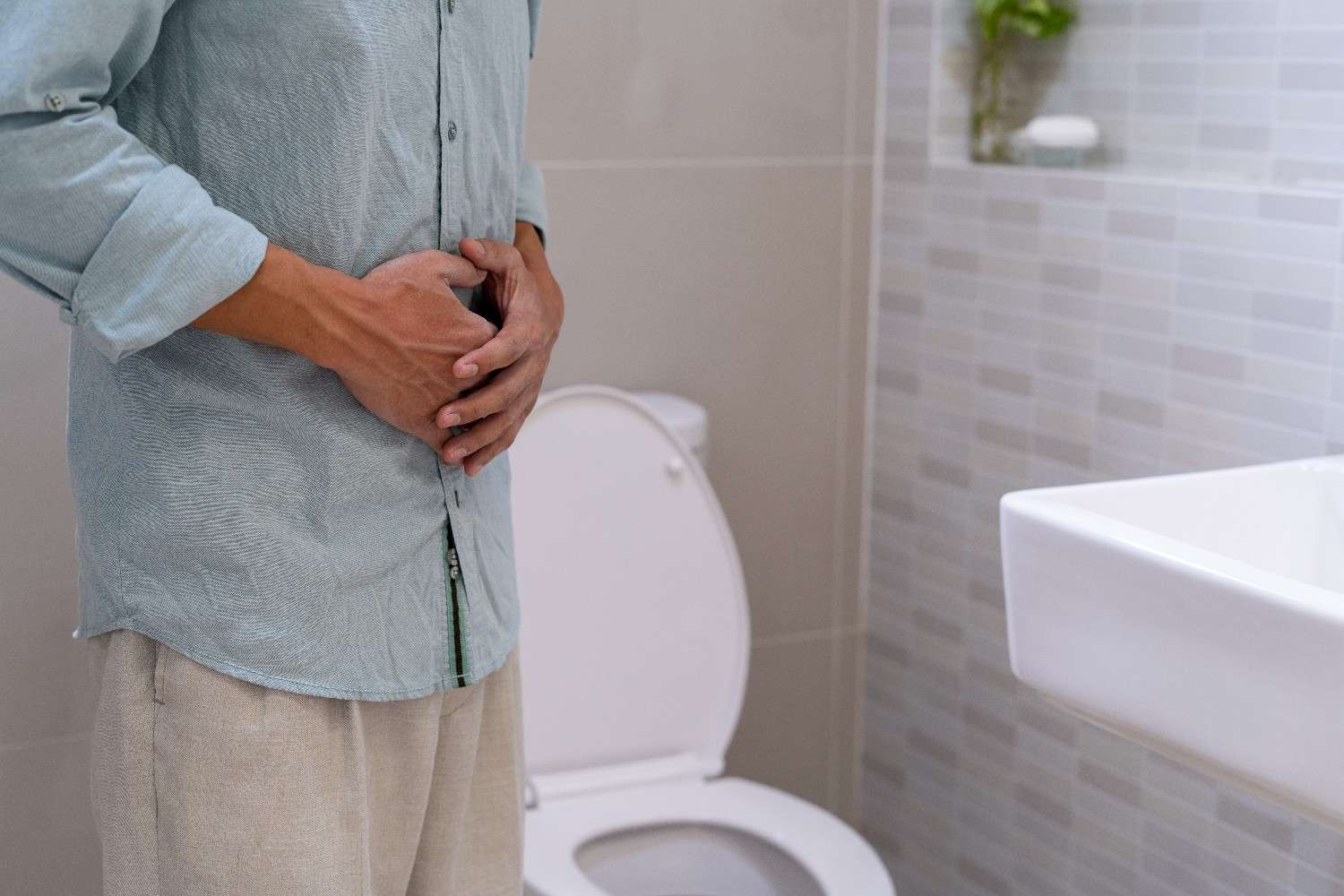
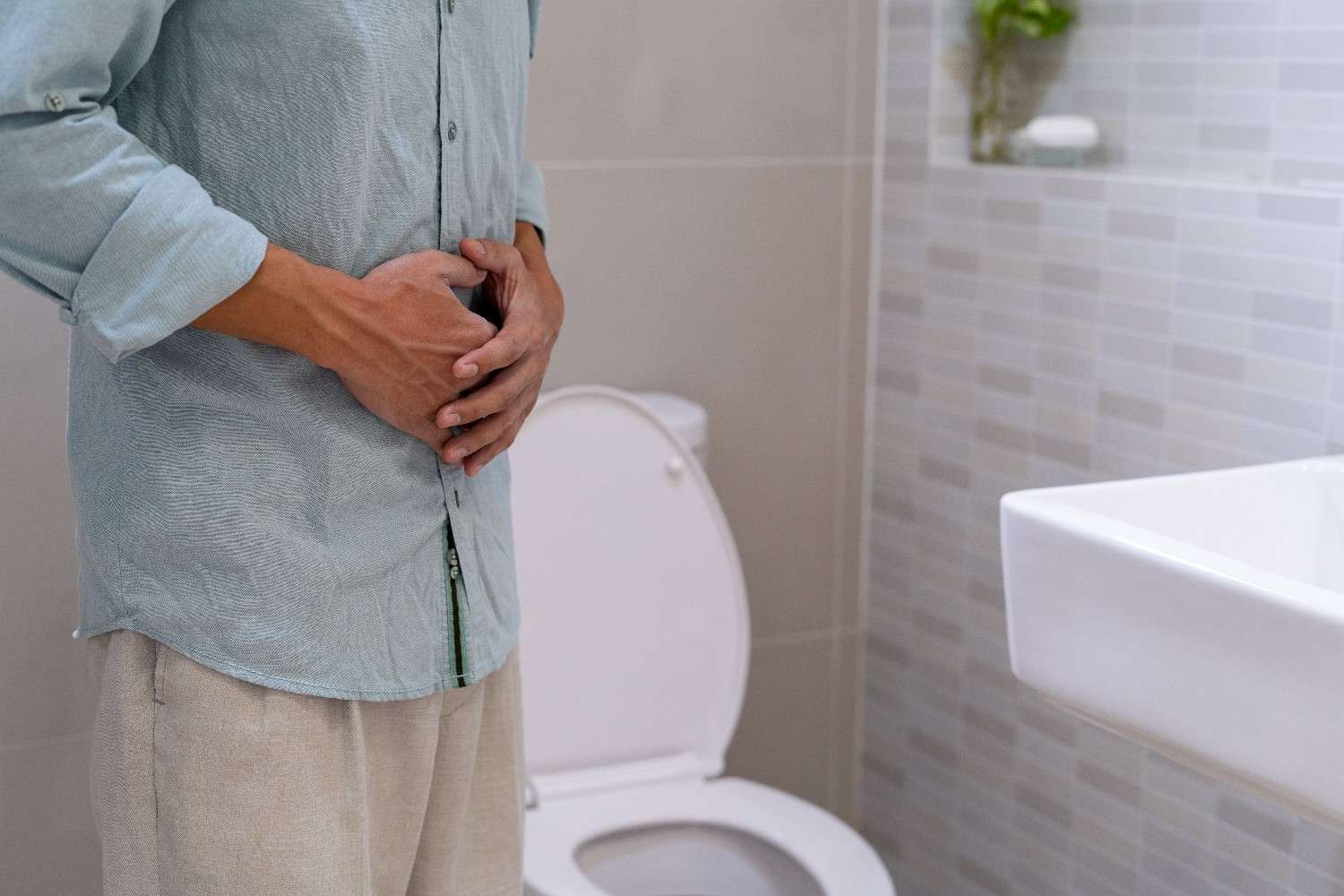
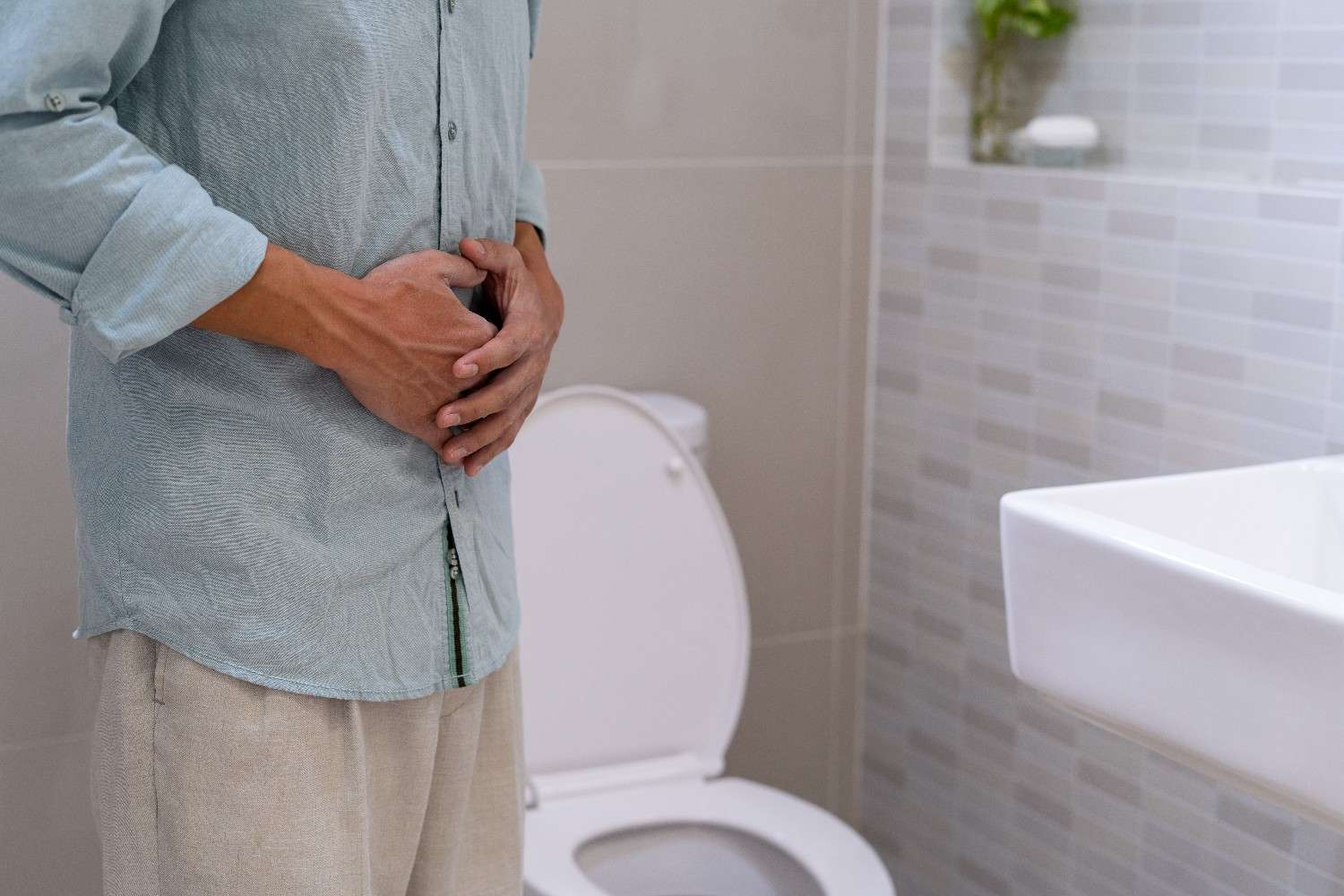
Common symptoms include painful urination, fever, urinary urgency, increased frequency, suprapubic pain and new confusion without another identifiable cause.

Diagnosis involves assessing new urinary symptoms, collecting a midstream urine sample and performing urine culture and antimicrobial susceptibility testing.

Responsible antibiotic use helps prevent antimicrobial resistance, avoids unnecessary treatment and supports effective management of confirmed urinary tract infections.

Prevention includes adequate hydration, proper perineal hygiene, regular catheter assessment, appropriate bladder emptying and effective infection control practices.

Some preventive options include vaginal oestrogen, methenamine hippurate and cranberry products. Their suitability depends on individual circumstances and available clinical evidence.