
Vascular Access: More Than a Little Prick
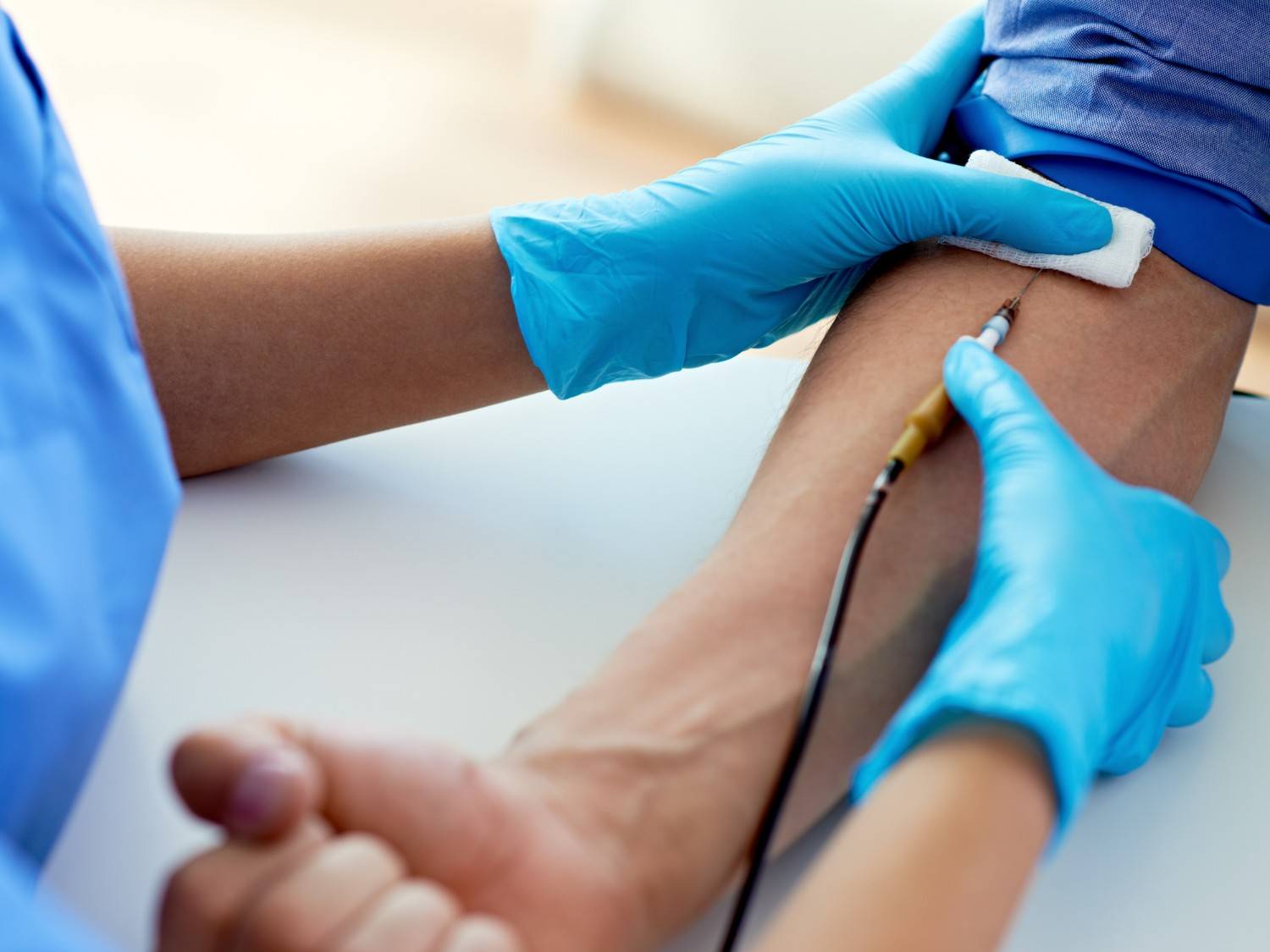
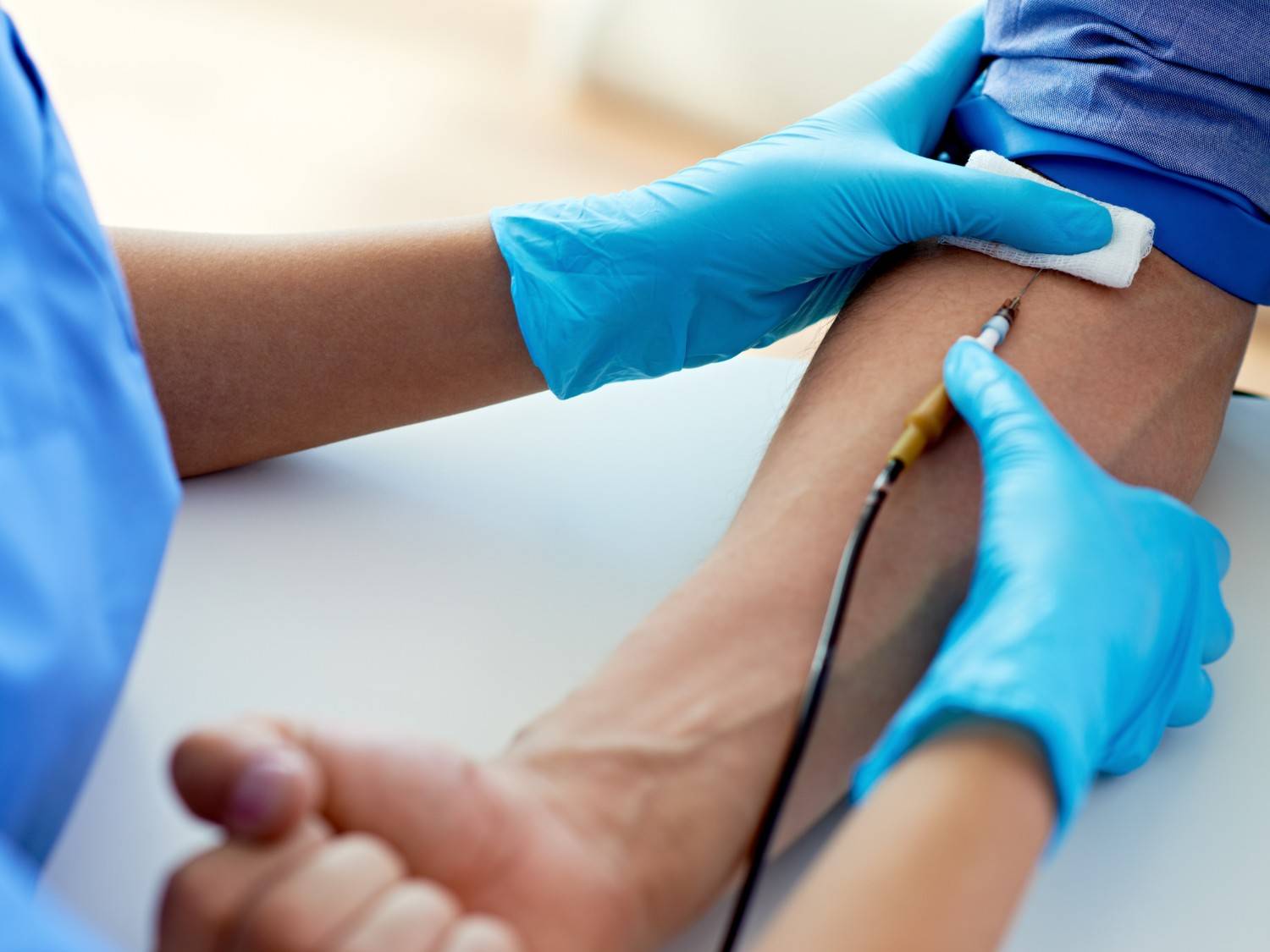
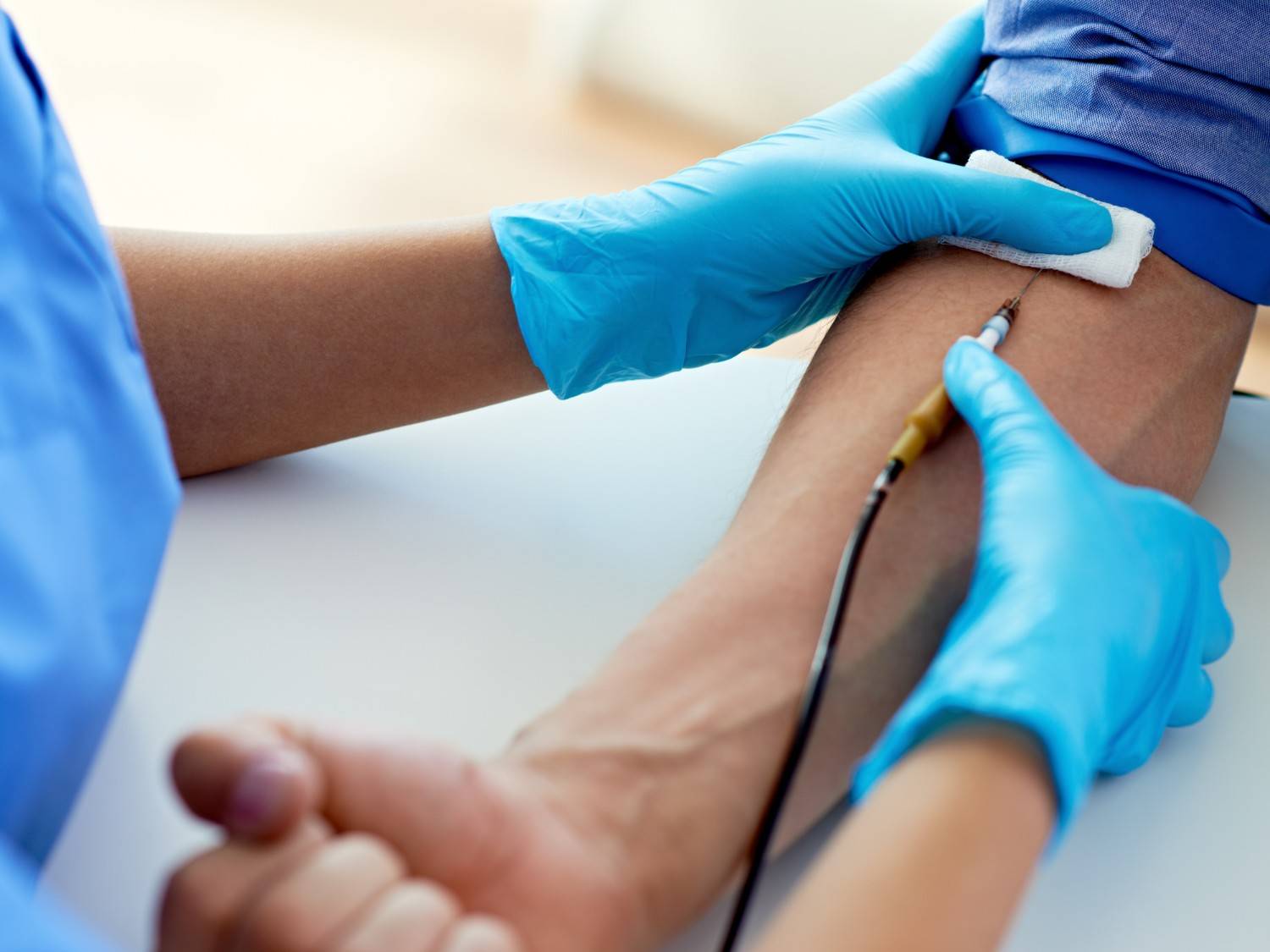
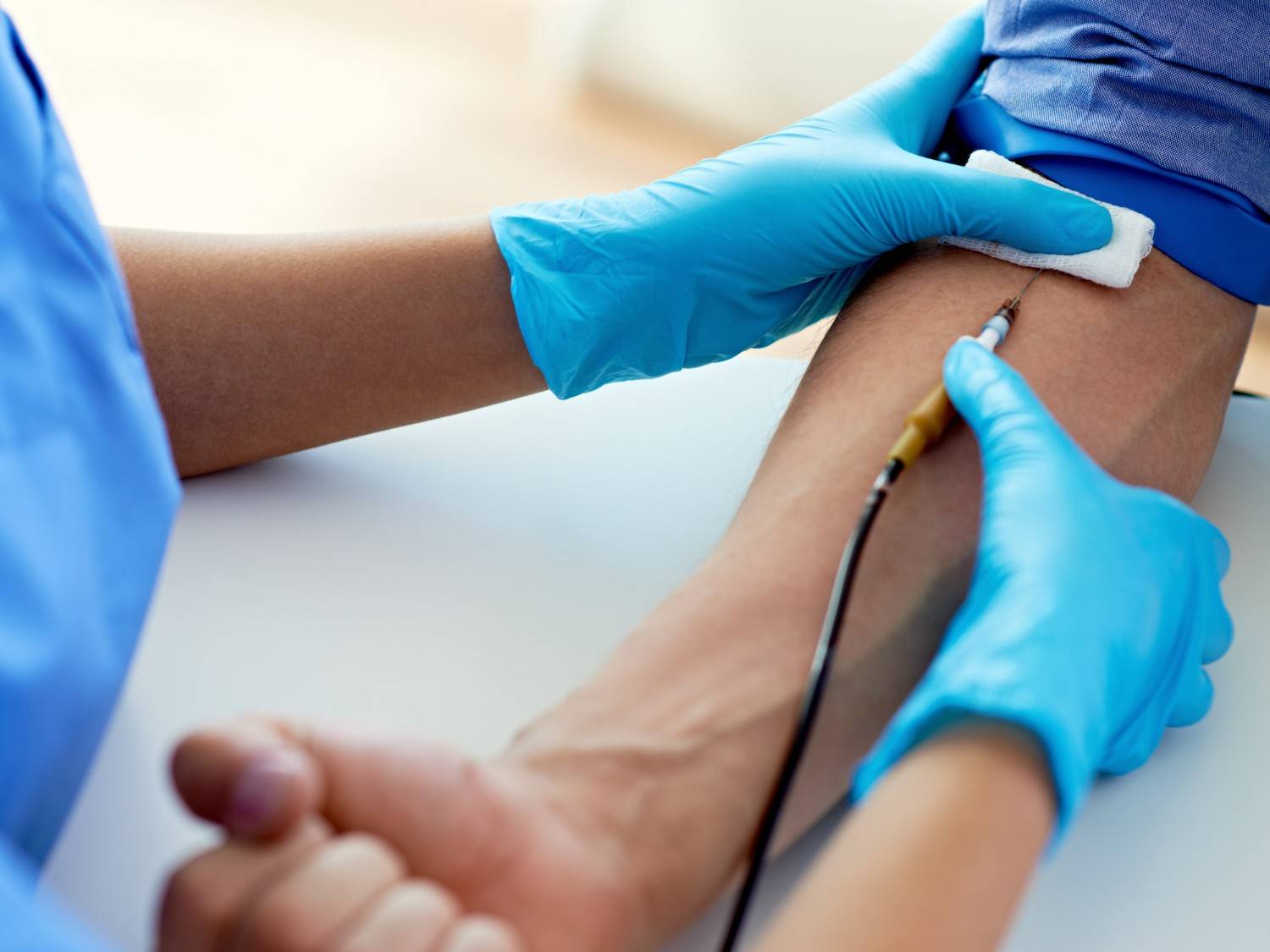
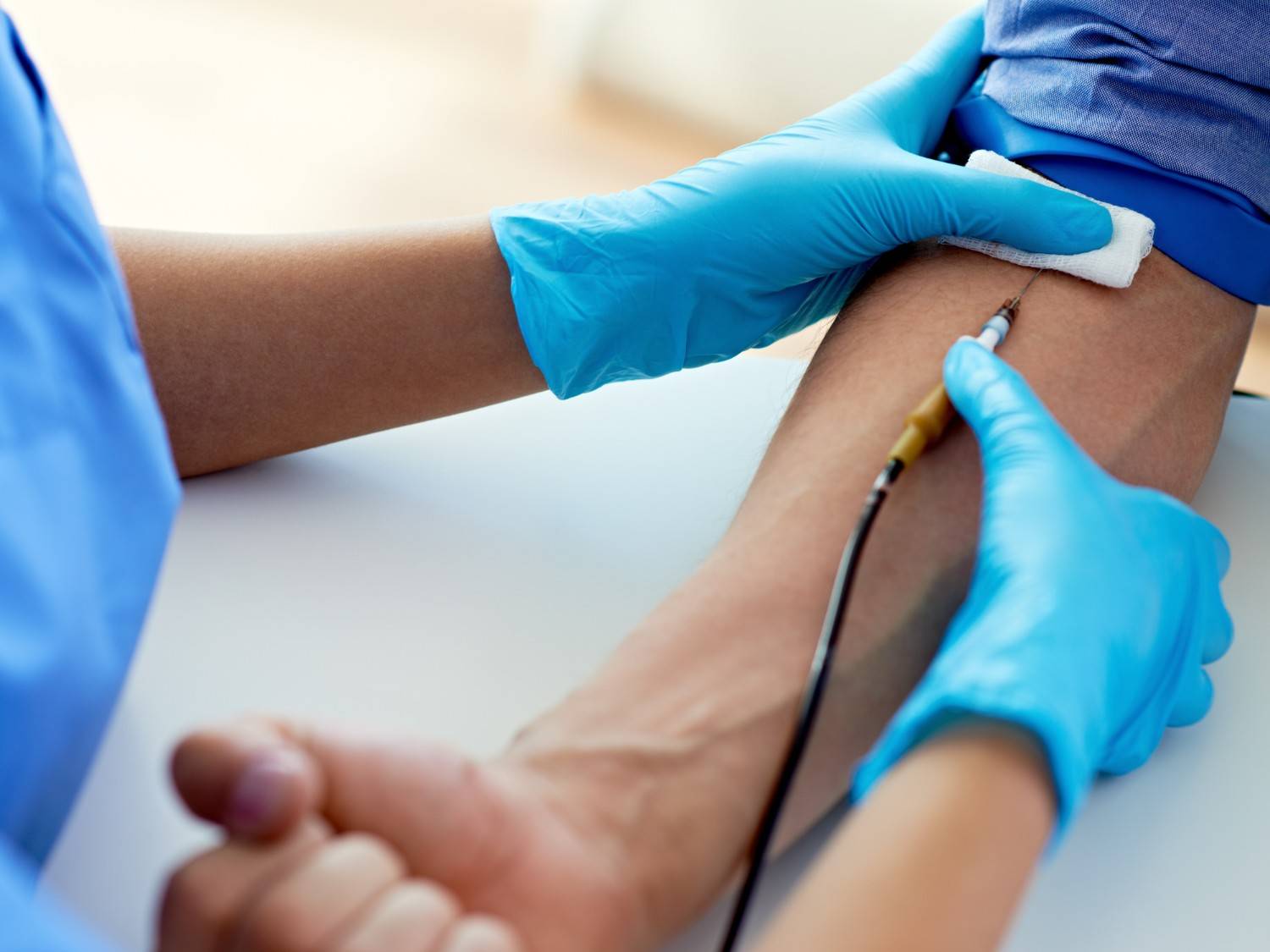
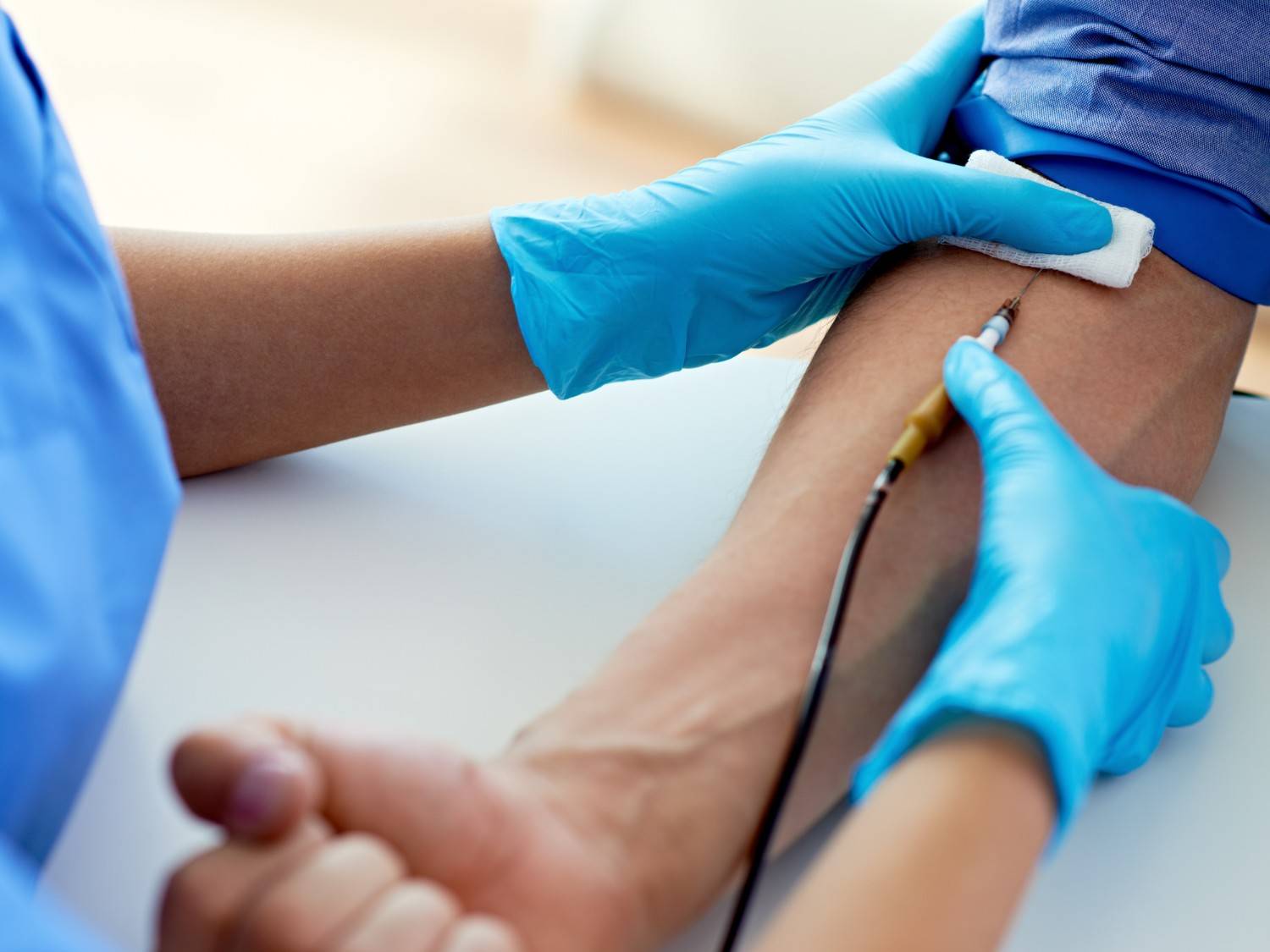
Vascular access is a critical clinical procedure that goes beyond simple needle insertion, playing a key role in patient treatment and care. It involves selecting the right device, technique, and site to ensure safe and effective delivery of medications and fluids. Proper management reduces complications and improves patient outcomes.
Learning Outcomes
What you'll learn
- Understand the importance of vascular access in clinical care
- Identify different types of vascular access devices
- Recognise appropriate site selection techniques
- Apply safe insertion and maintenance practices
- Identify potential complications and prevention strategies
- Promote patient safety and comfort during procedures
Stay updated with our


Learning Outcomes
What you'll learn
- Understand the importance of vascular access in clinical care
- Identify different types of vascular access devices
- Recognise appropriate site selection techniques
- Apply safe insertion and maintenance practices
- Identify potential complications and prevention strategies
- Promote patient safety and comfort during procedures
Stay updated with our
Training Overview
- Introduction to Vascular access
- Types of Vascular Access Devices
- Site Selection and Preparation
- Insertion Techniques
- Complications and Prevention
- Maintenance and Patient Care
Top reviews
No reviews yet.
You May Also Like
.jpg)
.jpg)
.jpg)


Take Your
Learning Anywhere
Stay on top of your learning with the Care Learning app.


Are you a qualified
Trainer or Instructor?
Join Care Learning as a trainer and deliver high-quality courses to learners across healthcare and workplace training.
Refer a Friend &
Earn Rewards.
Invite healthcare professionals to join Care Learning and get rewarded when your referral successfully joins.
Frequently asked questions
It is a method of accessing the bloodstream for treatment purposes.
It allows delivery of medications, fluids, and nutrients.
Peripheral IV lines, central lines, and PICC lines.
Infection, phlebitis, and infiltration.
Through proper technique, hygiene, and regular monitoring.
Trained healthcare professionals such as nurses and doctors.