
Venous Thromboembolism
This course covers venous thromboembolism symptoms, risk factors, prevention, treatment and management in the general practice setting. It also explores VTE prophylaxis, venous thromboembolism prevention, and Australian guidance through VTE online training Australia.
Learning Outcomes
What you'll learn
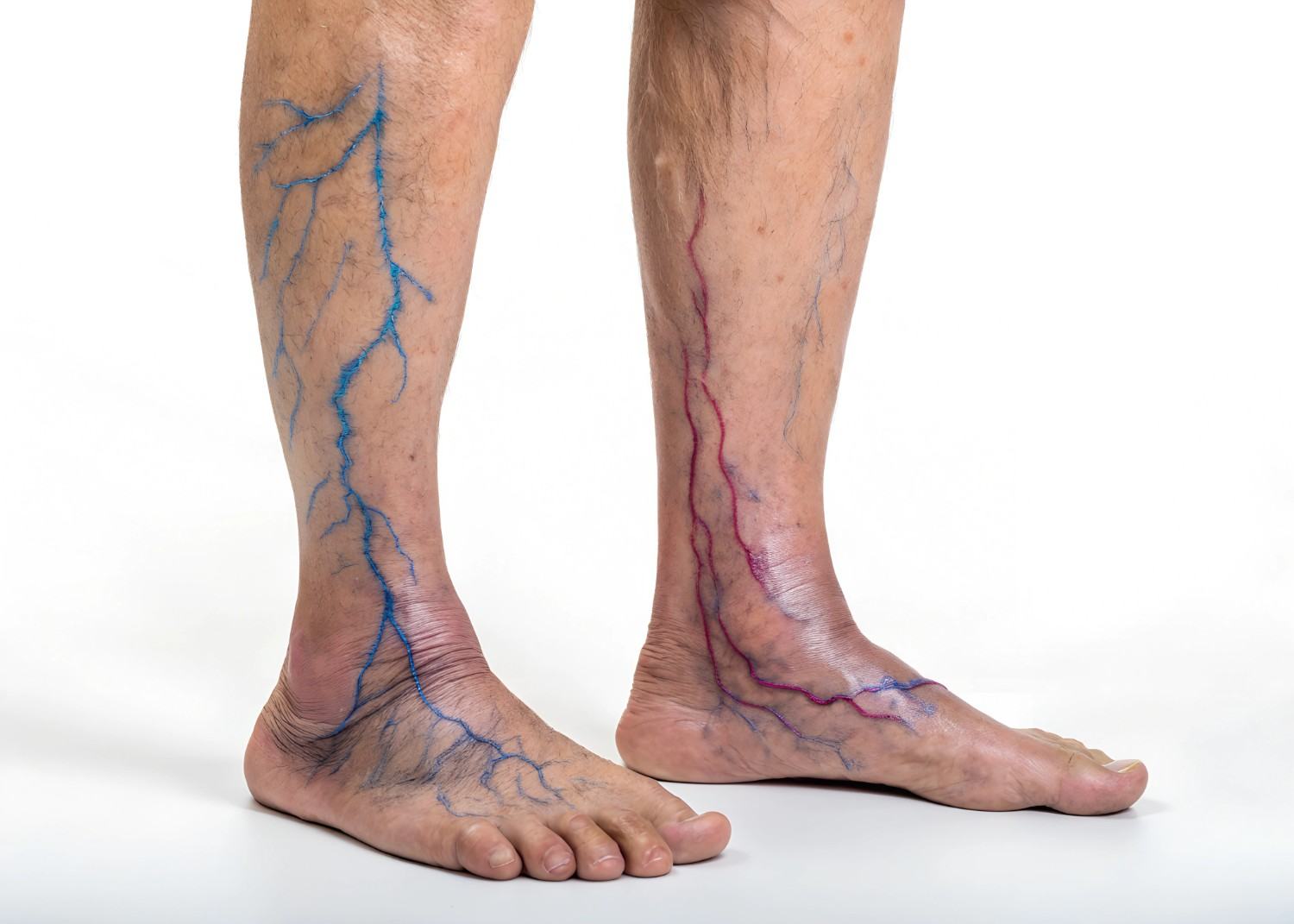
- Identify common venous thromboembolism symptoms, including those associated with deep vein thrombosis (DVT) and pulmonary embolism (PE).
- Recognise key venous thromboembolism risk factors and assess VTE risk among patients in general practice.
- Explain appropriate venous thromboembolism prevention strategies and the principles of VTE prophylaxis.
- Describe approaches to venous thromboembolism treatment, including anticoagulation and patient monitoring.
- Apply VTE prophylaxis and management principles in accordance with Australian guidelines for venous thromboembolism (VTE) prophylaxis.
Stay updated with our


Learning Outcomes
What you'll learn
- Identify common venous thromboembolism symptoms, including those associated with deep vein thrombosis (DVT) and pulmonary embolism (PE).
- Recognise key venous thromboembolism risk factors and assess VTE risk among patients in general practice.
- Explain appropriate venous thromboembolism prevention strategies and the principles of VTE prophylaxis.
- Describe approaches to venous thromboembolism treatment, including anticoagulation and patient monitoring.
- Apply VTE prophylaxis and management principles in accordance with Australian guidelines for venous thromboembolism (VTE) prophylaxis.
Stay updated with our
Training Overview
- Introduction to Venous Thromboembolism
- Risk Factors for Venous Thromboembolism
- VTE Prophylaxis in General Practice
- VTE Treatment in General Practice
- VTE Management in General Practice
- Summary
Top reviews
No reviews yet.
You May Also Like
.jpg)
.jpg)
.jpg)




Take Your
Learning Anywhere
Stay on top of your learning with the Care Learning app.


Are you a qualified
Trainer or Instructor?
Join Care Learning as a trainer and deliver high-quality courses to learners across healthcare and workplace training.
Refer a Friend &
Earn Rewards.
Invite healthcare professionals to join Care Learning and get rewarded when your referral successfully joins.
Frequently asked questions
Venous thromboembolism symptoms may include leg pain, swelling, tenderness and redness with DVT, while PE may cause breathlessness, chest pain or rapid breathing.
Venous thromboembolism treatment commonly involves anticoagulation to prevent clot extension and recurrence. Treatment duration depends on the cause, clot location and bleeding risk.
Venous thromboembolism prevention involves assessing risk factors and using appropriate VTE prophylaxis, including pharmacological or mechanical measures where indicated.
VTE prophylaxis refers to measures used to reduce the risk of blood clots in people at increased risk. It may involve anticoagulants, compression methods or both.
VTE online training Australia can help healthcare professionals learn about venous thromboembolism symptoms, treatment and prevention in line with Australian guidelines for venous thromboembolism (VTE) prophylaxis.