
Ventilating Severe Asthma
Explore the clinical features, causes and management of severe asthma, with a focus on the principles of ventilating severe asthma. The course examines medical management, the equation of motion, airway flow waveforms and mechanical ventilation in severe asthma to support safe and effective clinical decision-making.
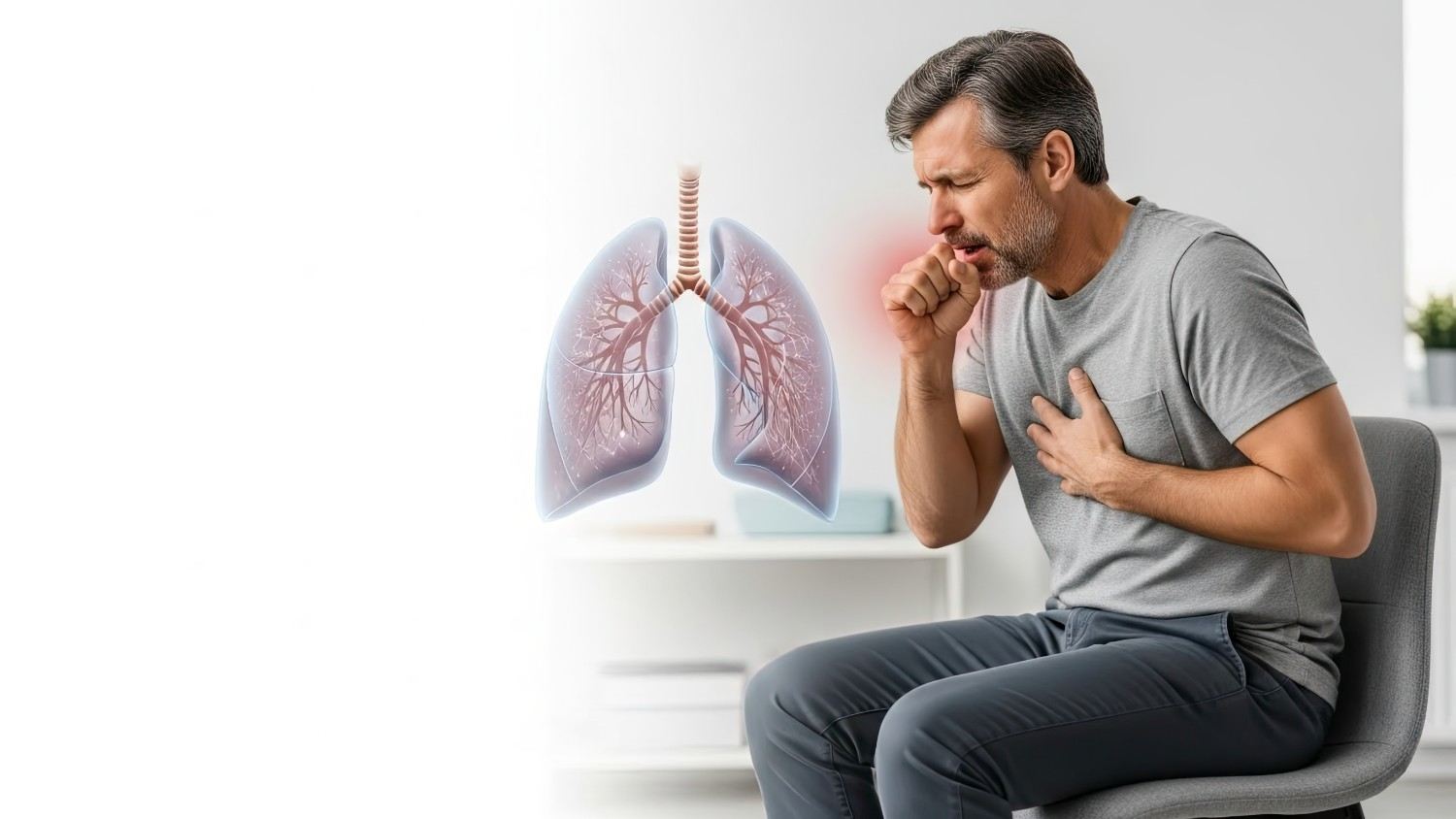
Learning Outcomes
What you'll learn
- Define severe asthma and distinguish it from other forms of asthma based on clinical presentation and severity.
- Identify the common causes and contributing factors of severe asthma and recognise key symptoms that may indicate deterioration.
- Explain the medical management options for severe asthma, including considerations for patients who require advanced respiratory support.
- Describe the equation of motion and differentiate between large and small airway flow waveforms in the context of severe asthma.
- Apply key principles of mechanical ventilation in severe asthma, including appropriate ventilatory strategies and considerations for managing critically ill patients.
Stay updated with our


Learning Outcomes
What you'll learn
- Define severe asthma and distinguish it from other forms of asthma based on clinical presentation and severity.
- Identify the common causes and contributing factors of severe asthma and recognise key symptoms that may indicate deterioration.
- Explain the medical management options for severe asthma, including considerations for patients who require advanced respiratory support.
- Describe the equation of motion and differentiate between large and small airway flow waveforms in the context of severe asthma.
- Apply key principles of mechanical ventilation in severe asthma, including appropriate ventilatory strategies and considerations for managing critically ill patients.
Stay updated with our
Training Overview
- What is Severe Asthma?
- What causes severe asthma?
- What Are Severe Asthma Symptoms?
- Ventilating Severe Asthma
- Summary





Top reviews
No reviews yet.
You May Also Like
.jpg)
.jpg)
.jpg)




Take Your
Learning Anywhere
Stay on top of your learning with the Care Learning app.


Are you a qualified
Trainer or Instructor?
Join Care Learning as a trainer and deliver high-quality courses to learners across healthcare and workplace training.
Refer a Friend &
Earn Rewards.
Invite healthcare professionals to join Care Learning and get rewarded when your referral successfully joins.
Frequently asked questions
Severe asthma causes persistent symptoms or attacks despite high-dose treatment. It may involve airway inflammation, bronchospasm, mucus and breathing difficulties requiring specialist care.
Severe asthma symptoms include persistent breathlessness, chest tightness, wheezing, continuous coughing and difficulty speaking in full sentences.
Mechanical ventilation in severe asthma supports breathing while allowing sufficient time for exhalation. Careful settings help reduce gas trapping and dynamic hyperinflation.
Medical management of severe asthma may include oxygen, salbutamol, ipratropium, steroids and magnesium sulphate. Treatment is guided by the patient’s clinical condition.
Monitoring ventilating severe asthma helps identify gas trapping, dynamic hyperinflation and barotrauma. Plateau pressure, PEEPi, expiratory flow curves and ABGs provide useful clinical information.