Essential Skills Every Carer Needs: Online Carer Course for Career Growth
Caring for others requires more than compassion and willingness to help. An online carer course can help learners develop practical knowledge, strengthen workplace confidence, and understand the responsibilities involved in providing safe, respectful and person-centred care. Whether you are considering a career in care or already working with older people, individuals with disabilities or people with complex needs, developing the right skills can support long-term professional growth.
Why Are Skills Important in a Caring Role?
- Carers work closely with people who may need support with everyday activities, personal care, mobility, communication and emotional wellbeing.
- The quality of this support can have a significant effect on a person’s dignity, independence and overall experience of care.
- A carer course can introduce learners to the principles and practical knowledge needed to approach these responsibilities appropriately.
- Learning also helps carers recognise situations that may require additional support from senior colleagues or other healthcare professionals.
- Good carers need a combination of technical knowledge and interpersonal skills.
- Communication, patience, observation, empathy, reliability and professional boundaries are particularly important when building trusting relationships with individuals receiving care.
Communication and Person-Centred Care
Effective communication is one of the foundations of high-quality care. Carers need to listen carefully, communicate information clearly and adapt their approach according to an individual’s needs.
Person-centred care means recognising that every individual has different preferences, routines, abilities, cultural considerations and personal circumstances. Rather than treating everyone in exactly the same way, carers should support people according to their individual needs and choices.
Strong communication can also help carers identify changes in mood, behaviour, physical condition or wellbeing. Reporting relevant concerns promptly can contribute to safer and more responsive care.
Safeguarding Knowledge
Safeguarding is another essential area of knowledge for anyone working in health and social care. Carers may spend significant amounts of time with vulnerable individuals and can therefore be in a position to notice signs that something may be wrong.
Free safeguarding training online can provide an accessible introduction to recognising potential abuse, neglect and exploitation. It can also help learners understand appropriate reporting procedures and the importance of maintaining professional boundaries.
Safeguarding responsibilities vary according to the workplace and local requirements, so carers should always follow their employer’s policies and relevant legislation.
Understanding Dementia and Cognitive Needs
Dementia can affect memory, communication, behaviour, decision-making and a person’s ability to manage everyday activities. Carers supporting individuals with dementia need patience and an understanding of how the condition can affect daily life.
Online dementia courses can help learners explore common symptoms, communication approaches, person-centred support and strategies for responding to changing needs. This knowledge can help carers provide more respectful and appropriate support.
Carers should also recognise that dementia affects people differently. A person’s preferences, history and abilities should remain central to the way support is provided.
First Aid and Emergency Awareness
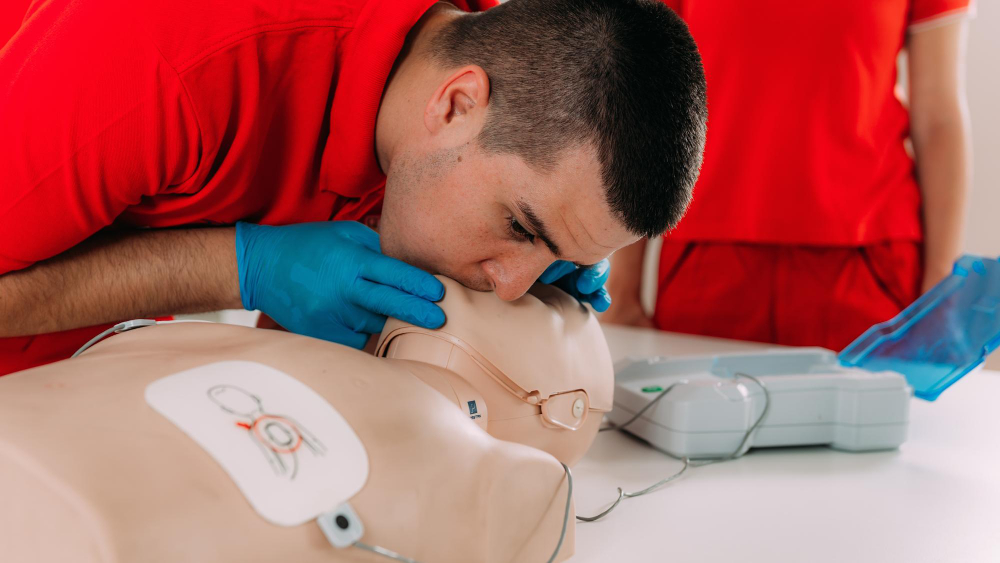
Carers might face situations where a person gets sick or hurts themselves. Knowing some basic first aid can help a carer act properly and get help from a medical professional if needed.
A free online first aid course may introduce fundamental principles such as recognising emergencies, responding to common injuries and understanding when urgent medical assistance is required. However, online learning does not necessarily replace practical first aid training where hands-on competence is required for a particular role.
Safe Moving and Handling
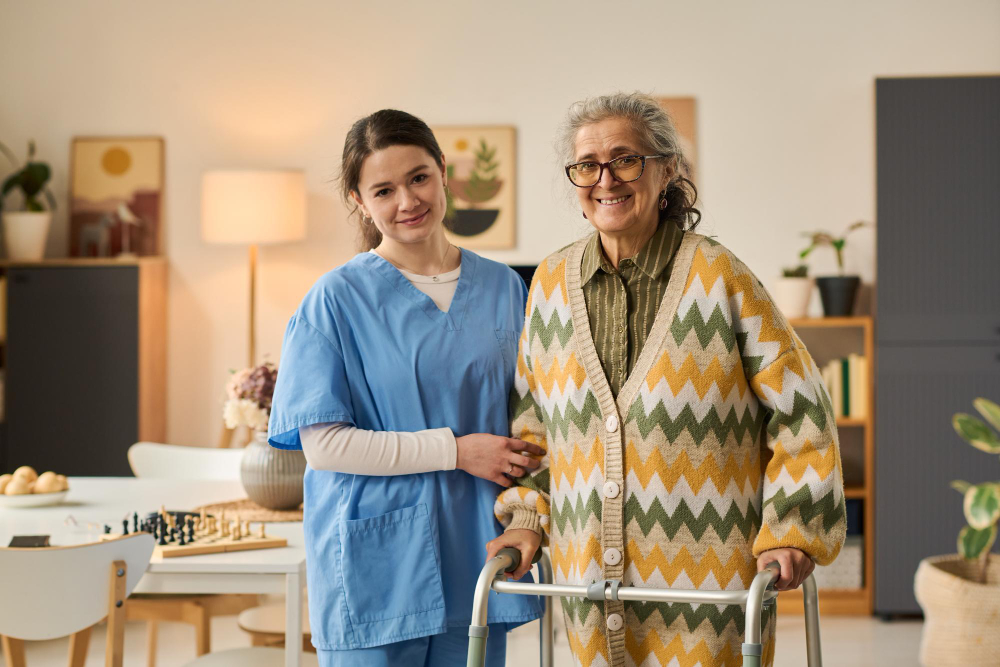
Supporting a person with mobility can involve physical tasks such as helping them move, reposition or transfer safely. Incorrect techniques can increase the risk of injury for both the individual receiving care and the carer.
An online manual handling training course can introduce learners to safer principles for moving and handling in the workplace. Depending on the role, practical assessment and workplace-specific training may also be required.
Carers should never attempt a transfer that they are not trained or authorised to perform. They should use the appropriate equipment and follow established risk assessments and care plans.
How to Become a Carer
People interested in entering the care sector often want to understand the qualifications, skills and experience they need before applying for roles.
If you are researching how to become a carer, start by identifying the type of care you would like to provide. Care roles can be found in residential homes, nursing homes, supported living services, domiciliary care and community-based settings.
Entry requirements differ between employers and roles. Employers may look for communication skills, reliability, a caring approach, relevant training and a willingness to complete further learning.
The Value of Carer Training Courses
Structured education can help learners develop a stronger understanding of their responsibilities before or during employment.
Carer training courses may cover areas such as infection prevention, safeguarding, dementia awareness, health and safety, communication, person-centred care and medication awareness. The exact content depends on the provider and level of training.
Continuous development is particularly valuable because care practices, workplace expectations and individual needs can change over time.
Choosing Online Learning for Care Work
Online education can be useful for people who need flexibility around work, family responsibilities or other commitments. Learners can often study at a convenient pace and revisit educational material when they need to reinforce their understanding.
There are many online courses for care workers covering both introductory subjects and professional development topics. Before enrolling, learners should check the course content, learning outcomes, assessment method, certificate information, and whether the training is appropriate for their intended role.
Exploring Care Training in the UK
The UK care sector has many different jobs and places where people work, so the training needed can be different for each role. Some courses give general information, and others focus on particular job tasks.
A carer course in the UK can help people learn about important topics in care work and gain knowledge that can support their training at work. Taking an online course alone won't always lead to a job, and it might not meet the training requirements that some employers require.
Some learners also look for free online care courses that offer certificates in the UK when they want easy ways to improve their professional skills. It's important to find out what the certificate shows and if the employer or the right organisation accepts the training.
Building a Career Through Continuous Learning
A good career in care doesn't depend on just one qualification. Professionals can keep learning and growing their skills as they gain more experience and start focusing on specific areas they are interested in.
Learning about dementia, safeguarding, communication, health and safety, mental wellbeing and other subjects can help carers become more confident in their responsibilities. Combining online learning with supervised workplace experience can provide a stronger foundation for professional development.
Carers should also reflect on their learning needs regularly. Identifying areas where additional knowledge or practical training would be useful can help create a more focused development plan.
Conclusion
Learning the right skills can help carers give safer, more respectful, and individualised care, and also get ready for bigger responsibilities in the care field. Online learning makes it easier for people to improve their skills, especially those who have to manage work and other responsibilities along with their studies.
The best way to develop skills is by mixing learning from theory with hands-on experience, getting guidance, and always thinking about what you've done. Selecting the right training can help you spot where you need to grow and feel more sure of yourself as your career moves forward.
If you are looking to build your healthcare knowledge, many courses and informative learning opportunities can support convenient upskilling, while connecting with a healthcare staffing agency such as Xpress Health can help you explore suitable work opportunities alongside your development. Apply or register today.
Care Learning is a platform where you can get free CPD courses and enough information on multiple topics.
Frequently Asked Questions
1. What skills does a carer need?
Important skills include communication, empathy, patience, observation, teamwork, reliability and respect for individual choices. Carers also need appropriate knowledge of safeguarding, health and safety, and person-centred support.
2. Can I start being a carer even if I don't have any experience before?
Some beginner care jobs might hire people who don't have any professional experience yet. Employers might offer onboarding and training at work, but the exact details can vary depending on the job and the company.
3. Are online care courses helpful for building a career?
Online courses allow people to learn more and show they are serious about improving their skills and career. They should support, not take the place of, real hands-on training at work where people need to learn by doing.
4. Do online care courses provide certificates?
Some online learning platforms give certificates to students once they finish all the necessary material or pass the tests. Before you sign up, make sure to see what the certificate shows and if it fits with the job you want to do.
5. What should I check for when choosing an online carer course?
Think about the course topics, what you will learn, who is offering the course, how you will be tested, what certificate you will get, and how the course fits with your job goals. You should also check the practical requirements directly with your employer or training provider.