Free Manual Handling Course: What Care Workers Need to Know
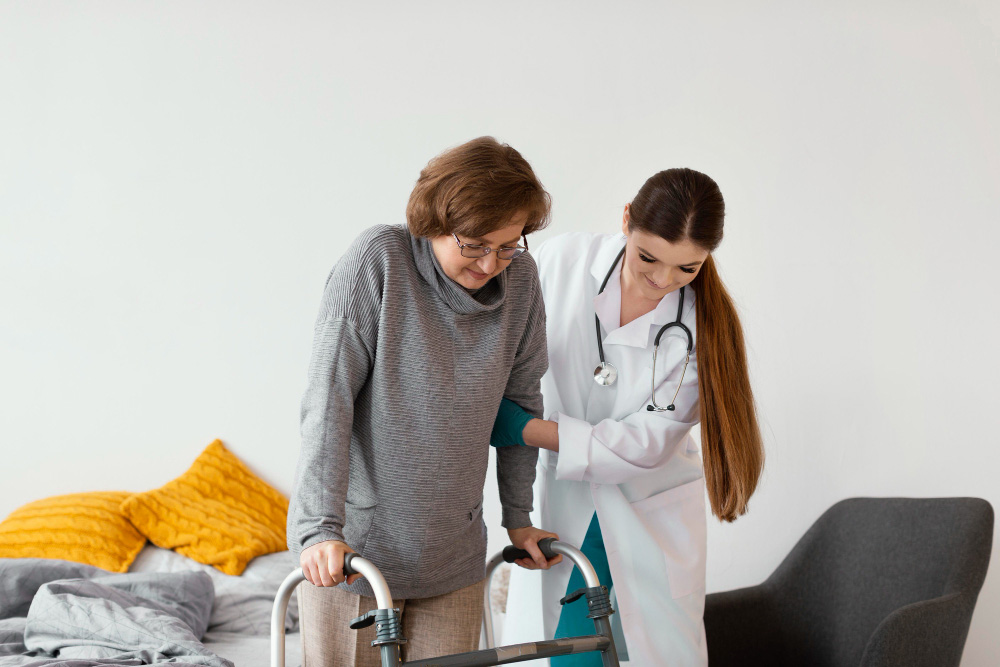
Care work requires safe physical handling, and using the proper methods can help prevent preventable accidents to both caregivers and the individuals they assist.
Safe movement and handling are very important in many care jobs, especially when helping people with everyday activities or supporting those who have trouble moving around. By taking manual handling courses, caregivers can learn how to move and carry things more safely, spot potential dangers, and follow the right steps to lessen physical stress and stop accidents from happening. Manual handling training also helps workers know what they are supposed to do at work and the safety steps they need to follow when carrying out care tasks.
What Does Manual Handling Entail?
Activities involving lifting, lowering, pushing, tugging, carrying, transporting, or supporting a person or object are referred to as manual handling.
This could involve shifting equipment, supporting mobility, helping someone adjust in bed, or helping with transfers in care settings.
The task may appear routine, but poor technique, unsuitable equipment, awkward postures, or limited space can increase the risk of injury. Understanding these risks helps workers make safer decisions before carrying out a task.
Why Is Manual Handling Important in Care Work?
Care workers may perform physical tasks regularly throughout a shift.
Repeated movements or poorly planned transfers can place stress on the back, shoulders, joints, and other parts of the body.
Safe handling practices can also help protect the person receiving care.
A worker should consider the person’s mobility, ability to participate, health needs, environment, and available equipment before proceeding.
The goal is not simply to move someone from one place to another, but to do so safely while maintaining dignity and independence wherever possible.
What Does Manual Handling Training Cover?
Good manual handling training usually introduces the main principles of safer movement and risk awareness.
Subjects could include:
- Recognising risks associated with manual handling
- Evaluating hazards before a task
- Keeping a secure stance and alignment
- Using the proper tools
- Safe transfers of planning
- Speaking with the individual receiving assistance
- Cooperating well with coworkers
- Being able to identify when more help is required
Instead of depending just on physical power, training should encourage employees to think things through before acting.
What Should Care Workers Assess Before a Task?
Before starting a manual handling activity, consider the task, the person, the environment, and the equipment available.
Ask whether the person can move independently or participate in the activity.
Check whether mobility aids or other equipment are required and make sure they are suitable and available.
The surrounding area should also be checked for obstacles, insufficient space, wet floors, or other hazards.
Clear communication is important throughout the task.
Why Is Equipment Important?
Appropriate equipment can reduce unnecessary physical effort and support safer movement.
Depending on the care environment and individual needs, this may include hoists, transfer aids, slide sheets, standing aids, or mobility equipment.
Workers should only use equipment they have been trained and authorised to use.
It is equally important to follow workplace procedures and check that equipment is appropriate and in suitable working condition.
Can Manual Handling Training Be Completed Online?
An online manual handling training course can be a convenient way to learn key principles and refresh existing knowledge.
Online learning may cover topics such as risk assessment, safer movement, workplace responsibilities, and general handling principles.
However, care workers should understand the difference between theoretical learning and practical competence.
Some manual handling tasks require hands-on instruction, supervised practice, or employer-specific training.
Always check whether an online programme meets the requirements of your role and workplace.
What Are the Benefits of Online Learning?
Manual handling training online can make learning easier to fit around work and personal commitments.
Learners may be able to access course material at a convenient time and revisit important sections when needed.
This can be especially useful for workers who want to refresh their knowledge before returning to a particular type of assignment.
Online learning can support knowledge development, but it should complement practical training where hands-on competence is required.
Is a Manual Handling Certificate Useful?
A manual handling certificate can provide evidence that a worker has completed a particular training programme.
However, having a certificate does not automatically mean someone is competent to perform every type of manual handling task.
Employers may have specific requirements for practical demonstrations, refresher training, or equipment instruction.
Workers should therefore check what their organisation expects rather than relying solely on the certificate.
What About a Free Course?
A free online manual handling course can be a useful starting point for people who want to learn basic concepts without paying for access.
Free learning can introduce key ideas such as safe positioning, risk awareness, communication, and the importance of using appropriate equipment.
Before enrolling, check the course provider, content, assessment method, certificate details, and whether the training is suitable for your intended role.
Common Manual Handling Mistakes to Avoid
One common mistake is attempting to complete a task without assessing the risks first.
Another is relying on physical strength instead of using the appropriate technique or equipment.
Poor communication can also make a transfer less predictable and less comfortable for the person receiving care.
Workers should avoid rushing, particularly when a task requires additional assistance.
Following an individual’s care plan and workplace procedures is important when carrying out movement and transfer activities.
How Can Care Workers Improve Their Practice?
Start by developing a habit of assessing every task before beginning.
Use equipment correctly and seek assistance when a task cannot be completed safely by one person.
Keep communication clear and explain what is happening to the individual wherever appropriate.
Workers should also report hazards, equipment concerns, injuries, or changes in mobility through the correct workplace process.
Regular refreshers can help reinforce good practice.
Is Online Manual Handling Training Enough?
Not always. Online manual handling training can provide valuable theoretical knowledge, but some employers may require practical assessment or face-to-face instruction before workers carry out specific activities.
The level of training needed depends on the role, workplace, equipment, and tasks involved.
Care workers should follow their employer’s training requirements and avoid performing tasks outside their competence.
Concluding Remarks
In order to provide high-quality care while safeguarding caregivers and the individuals they assist, safe manual handling is crucial. Everyone may operate in a safer environment by identifying potential risks, employing safe handling techniques, communicating effectively, and adhering to workplace protocols.
The Care Learning website offers free CPD courses and helpful information on a range of healthcare and care issues, which can help you advance your professional knowledge and abilities. Apply or register right now.
FAQs
1. What is training in manual handling?
Employees who receive manual handling training learn how to identify possible risks, plan physical tasks, use safer techniques, communicate effectively with coworkers, and use the right tools or equipment when necessary.
2. Is it possible to finish manual handling training online?
While online education can offer helpful theoretical knowledge and refresher training, some organizations may also require supervised assessments or hands-on training.
3. Does a manual handling certificate prove competence?
Not all the time. A certificate confirms that someone has finished a specific course, although achieving true skill may involve hands-on teaching, evaluations, and training that is relevant to a particular job.
4. Before deciding on a free course, what key aspects should I take into account?
Evaluate the course material, the organisation providing the course, the method of evaluation, the certificate details, and the learning objectives to determine whether the program aligns with your job responsibilities and the requirements of your organisation.
5. Why is manual handling important for care workers?
It can assist workers in identifying potential risks and adopting safer methods when helping individuals with movement, transfers, repositioning, and other physical care tasks.