How Can I Join an Online First Aid Course and Learn Essential First Aid Skills?

Learning how to respond calmly and appropriately during an emergency can be a valuable skill in both professional and everyday settings. An online first aid course offers a convenient way to build foundational knowledge, understand emergency response principles, and prepare for further practical training when required. With flexible learning options, people can build their knowledge around work, study, and other commitments.
What Is an Online First Aid Course?
An online first aid programme is designed to introduce learners to essential principles of emergency care through digital learning materials.
Depending on the programme, content may cover topics such as assessing an emergency, responding to an unresponsive person, recognising common injuries, managing bleeding, and understanding when emergency medical assistance is required.
A first aid course can be useful for healthcare workers, carers, teachers, workplace employees, parents, volunteers, and members of the public.
However, learners should check exactly what a course covers before enrolling because online theoretical learning does not necessarily replace practical assessment.
Why Consider Online First Aid Training?
Flexibility is one of the biggest advantages. First aid training online allows learners to access educational content remotely rather than attending every learning session at a physical training centre.
This can be particularly useful for people with busy schedules or those who live far from training facilities.
Digital learning can also allow learners to revisit educational material and review important concepts at their own pace.
However, practical first aid skills require more than simply reading information.
Where a qualification requires hands-on assessment, learners should complete the practical component specified by the relevant training provider or employer.
How Can You Join an Online Course?
Joining a digital first aid programme is usually straightforward.
1. Identify Your Learning Goal
Start by considering why you want to learn first aid.
You may want general knowledge for everyday emergencies, workplace training, professional development, or preparation for a particular role.
The right level and format can be determined with the aid of your goal.
2. Examine the course material
Before registering, carefully read the course description.
Find out more about learning objectives, modules, evaluation techniques, practical prerequisites, certification, and anticipated study time.
Do not choose a programme simply because it is advertised as quick or inexpensive.The quality and suitability of the learning content are more important.
3. Confirm Whether Practical Training Is Required
Some first aid qualifications involve practical demonstrations or assessments.
For example, learners may need to demonstrate appropriate responses to specific emergency scenarios.
An online programme may provide the theoretical component while requiring practical training separately.
Before thinking that finishing an online course equates to a full workplace certificate, always review the criteria.
4. Register and Establish a Learning Account
Once an appropriate supplier has been chosen, proceed with the registration process.
You may need to create an account, provide basic information, and agree to the provider’s terms.
Some programmes are self-paced, while others have scheduled lessons or assessment deadlines.
Can You Take a Free First Aid Course?
A free online first aid course can be a useful starting point for learners who want to develop their basic knowledge without an initial financial commitment.
Free programmes can introduce important concepts and help learners decide whether they want to pursue more comprehensive training.
Before enrolling, check whether the programme includes an assessment or certificate.
A free learning resource may provide useful education without necessarily meeting the requirements of an employer, professional body, or regulated qualification.
What Could You Discover?
The provider and level determine the specific curriculum.
Typical topics could be:
- Identifying an emergency
- Evaluating the current threat
- Making an emergency support call
- Evaluating responsiveness
- Basic life support principles
- Managing bleeding
- Responding to burns
- Recognising shock
- Responding to choking
- Understanding common injuries
- Supporting someone until professional help arrives
The objective is not to turn every learner into a healthcare professional.
Instead, appropriate education can help people understand what to do, what not to do, and when emergency services should be contacted.
First Aid and CPR
CPR is an important component of emergency response when a person is unresponsive and not breathing normally.
CPR and first aid training online can introduce learners to the principles behind recognising cardiac emergencies and beginning an appropriate response.
However, learners should distinguish between theoretical instruction and competency-based practical training.
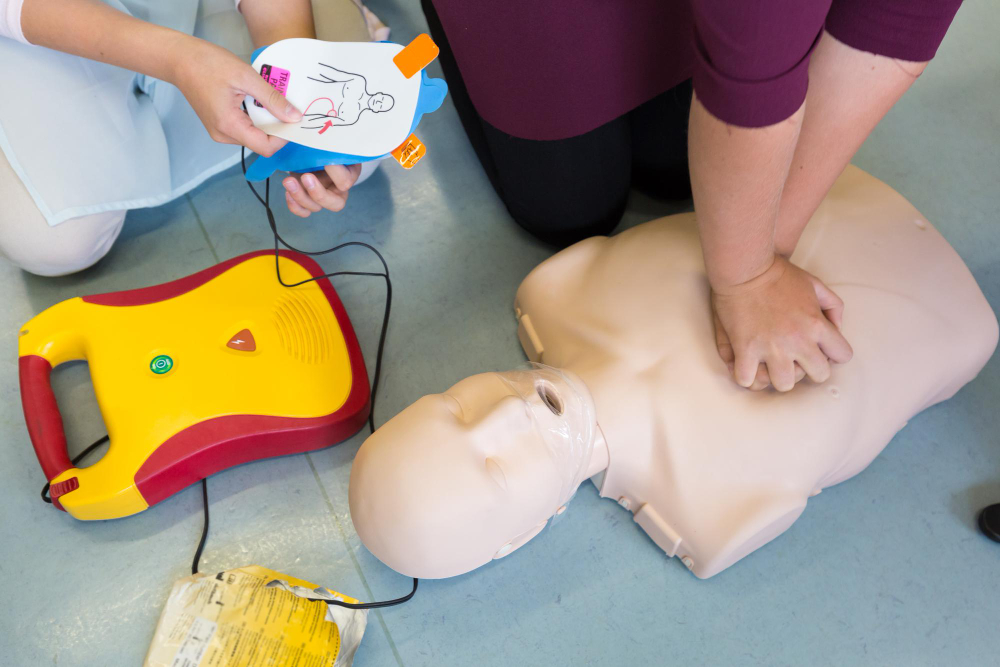
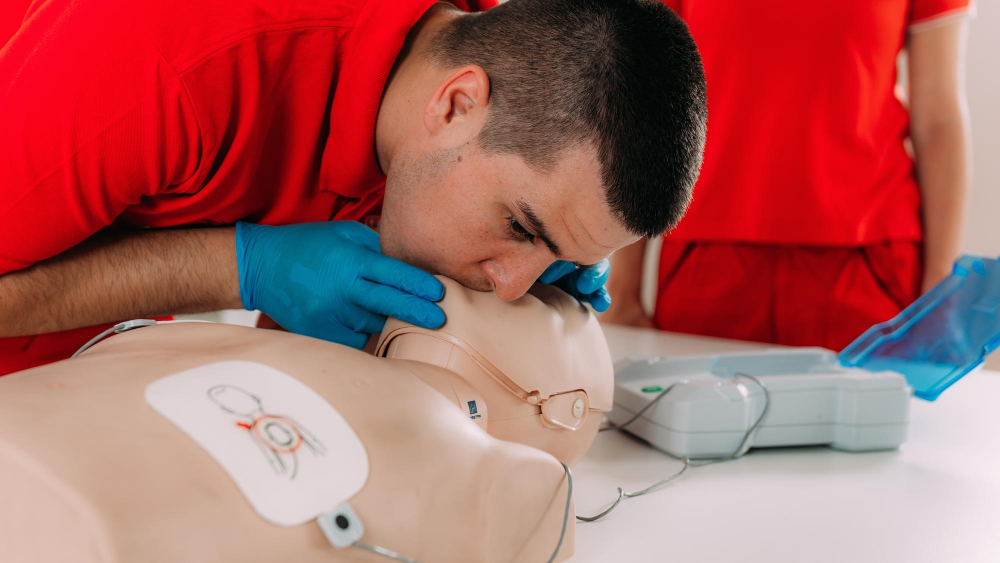
Hands-on CPR practice can help learners develop the physical skills and confidence required to perform chest compressions effectively.
Choosing Training in the UK
People looking for first aid training in UK settings should consider whether the programme is appropriate for their workplace, profession, or personal objectives.
Employers may have specific training requirements for employees based on workplace risks and responsibilities.
A first aid course in the UK learners choose should therefore be assessed against the purpose for which it is needed.
For example, someone seeking general awareness may require a different programme from someone whose employer requires a specific workplace first aid qualification.
What About Online First Aid Certification?
Learners often search for first aid certification online because certificates can be useful evidence of completed learning.
However, the certificate alone does not establish that every course meets every workplace or professional requirement.
Prior to depending on a certificate, be sure:
- Who offers the course?
- What subjects are addressed?
- Is there an evaluation?
- Does it entail a practical assessment?
- What is the certificate's validity period?
- Is it acknowledged by an employer?
- Is it necessary to receive refresher training?
These questions can prevent confusion later.
Online Emergency First Aid Learning
An online emergency first aid course may focus on situations where immediate action can be important while waiting for professional medical assistance.
Learners may explore how to identify potentially serious situations and how to respond appropriately.
Emergency situations can be stressful, so learning should emphasise staying calm, assessing the situation, seeking appropriate help, and following recognised emergency procedures.
Is Online Training Suitable for Everyone?
Online learning offers convenience, but it is not automatically the best format for every learner.
Some people learn better through face-to-face instruction and practical demonstrations.
Others prefer digital resources because they can study independently and revisit material.
A blended approach can sometimes provide the advantages of both formats.
Learners should therefore consider their learning style, professional requirements, practical competency needs, and available time.
How to Make the Most of Your Exercise
It might not be sufficient to only finish lectures in order to remember crucial information.
Make an effort to interact with the content. Make notes, thoroughly complete knowledge checks, go over challenging subjects, and regularly go over key ideas again.
If your training includes practical components, use the opportunity to practise under appropriate supervision.
It can also be useful to refresh first aid knowledge regularly rather than waiting until an emergency occurs.
What Should You Look for in a Provider?
When comparing online programmes, consider the provider’s reputation, course content, learning format, assessment process, certification information, learner support, and practical requirements.
Look for clear information rather than vague claims.
A reputable provider should explain what the programme does and does not cover.
This is especially important if you are completing training for employment.
Final Thoughts
Learning first aid can give people greater awareness of how to respond when someone becomes injured or seriously unwell.
An online programme can make learning more accessible and flexible, particularly for people balancing professional and personal responsibilities.
However, learners should always distinguish between general educational content and qualifications that require practical assessment.
Choose training according to your purpose, check the requirements carefully, and continue developing your knowledge after completing the initial programme.
Care Learning is a platform where you can get free CPD courses and enough information on multiple topics, helping learners explore useful subjects for professional development and ongoing learning. Apply or register today.
FAQs
1. Is it possible to finish a first aid course entirely online?
While some programs are entirely online, others call for hands-on evaluation. Always make sure the course satisfies your employer's or professional needs, as well as the provider's criteria.
2. Is it helpful to take a free online first aid course?
It can help in building a basic understanding. However, a free program may not provide the official certification or real-world testing that some jobs require.
3. Can I get first aid certification online?
Some providers issue certificates after completing online learning and assessment. Check whether the certificate is recognised for your intended purpose before enrolling.
4. Is online CPR training enough?
Online learning can explain CPR principles, but practical training is important when competency needs to be demonstrated. Check the requirements of your employer or relevant training provider.
5. How often should someone keep their knowledge of first aid up to date?
Refreshers depend on the type of training, the rules at work, and what the provider suggests. Students can keep their knowledge of important emergency response ideas fresh by going over them again and again.