The Importance of Continuous Learning in Healthcare: Adapting to Evolving Challenges
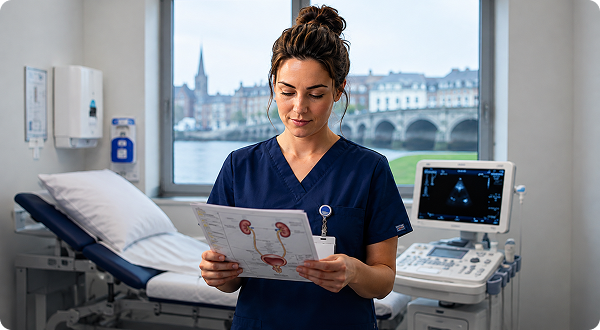
In the healthcare sector, change is a constant. Advances in medical technology, shifting patient demographics, and evolving treatment protocols require healthcare professionals to stay informed and adaptable. Continuous learning is not just a professional requirement—it’s an ethical responsibility that ensures better patient outcomes and strengthens healthcare systems.
Why Continuous Learning Matters in Healthcare
-
Staying Current with Medical Advancements
Breakthroughs in medical research, drug development, and technology occur at an unprecedented pace. Continuous learning ensures that professionals remain informed about:
-
New treatment modalities.
-
Innovative diagnostic tools.
-
Updates in medical guidelines and protocols.
-
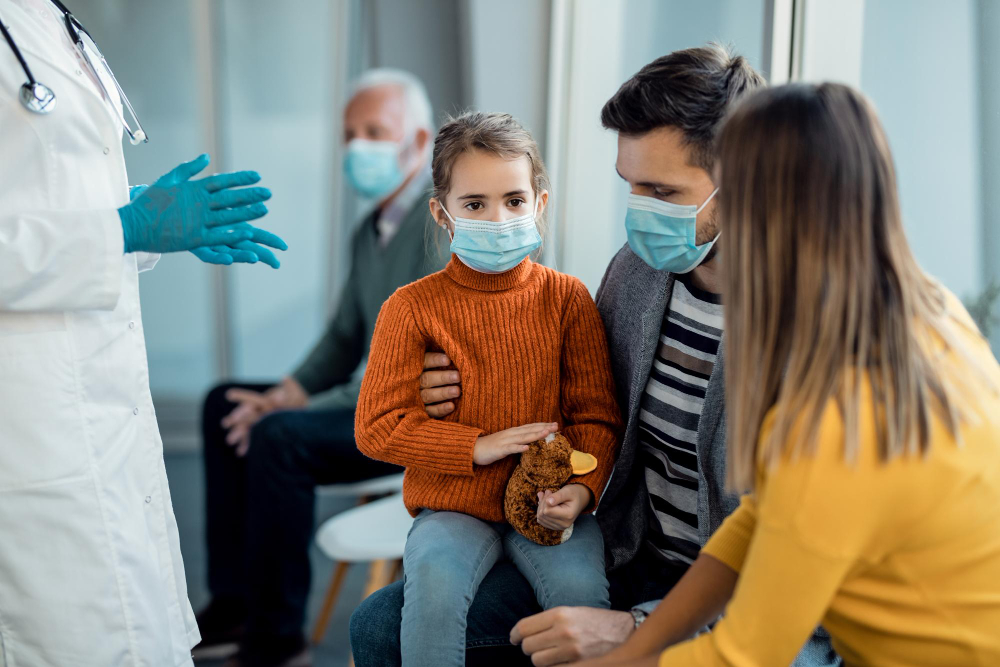
Enhancing Patient Care
With updated knowledge, healthcare providers can:
-
Deliver evidence-based treatments.
-
Tailor care to meet individual patient needs.
-
Reduce medical errors, leading to improved patient trust and satisfaction.
-
Adapting to Technological Innovations
From telemedicine to artificial intelligence, technology is transforming healthcare delivery. Continuous learning enables professionals to:
-
Master new tools and systems.
-
Improve efficiency and accuracy in their work.
-
Stay competitive in a technology-driven industry.
-
Meeting Regulatory and Certification Requirements
Healthcare professionals are often required to complete ongoing education to maintain their licenses and certifications. This ensures:
-
Compliance with regulatory standards.
-
Alignment with best practices in patient care.
Challenges in Continuous Learning
-
Time Constraints
Healthcare professionals often juggle demanding schedules, making it difficult to allocate time for learning. -
Access to Resources
Not all professionals have equal access to learning opportunities, particularly in underserved regions. -
Keeping Up with Rapid Changes
The sheer volume of new information can be overwhelming, necessitating effective curation and prioritization of learning content.
Strategies for Effective Continuous Learning
-
Leverage Online Platforms
E-learning tools, webinars, and virtual workshops provide flexibility for busy professionals.
-
Example: Online courses in specialized fields like geriatrics or oncology.
-
Participate in Hands-On Training
Simulation labs and clinical workshops offer practical experience, bridging the gap between theory and application. -
Engage in Interdisciplinary Learning
Collaborating with professionals from other specialties fosters a well-rounded approach to patient care. -
Stay Connected with Professional Networks
Attending conferences, joining associations, and participating in peer discussions provide valuable insights and networking opportunities. -
Set Personal Learning Goals
Identify areas for improvement and focus on acquiring skills or knowledge that align with your career aspirations.
Benefits of Continuous Learning in Healthcare
-
Improved Career Growth
Professionals who invest in learning are better positioned for promotions, leadership roles, and specialization opportunities. -
Increased Confidence
Updated skills and knowledge boost confidence in making clinical decisions and managing complex cases. -
Enhanced Team Collaboration
Continuous learning fosters a culture of knowledge-sharing and teamwork, improving overall healthcare delivery. -
Better Patient Outcomes
Ultimately, patients benefit from the enhanced competence and care provided by well-informed professionals.
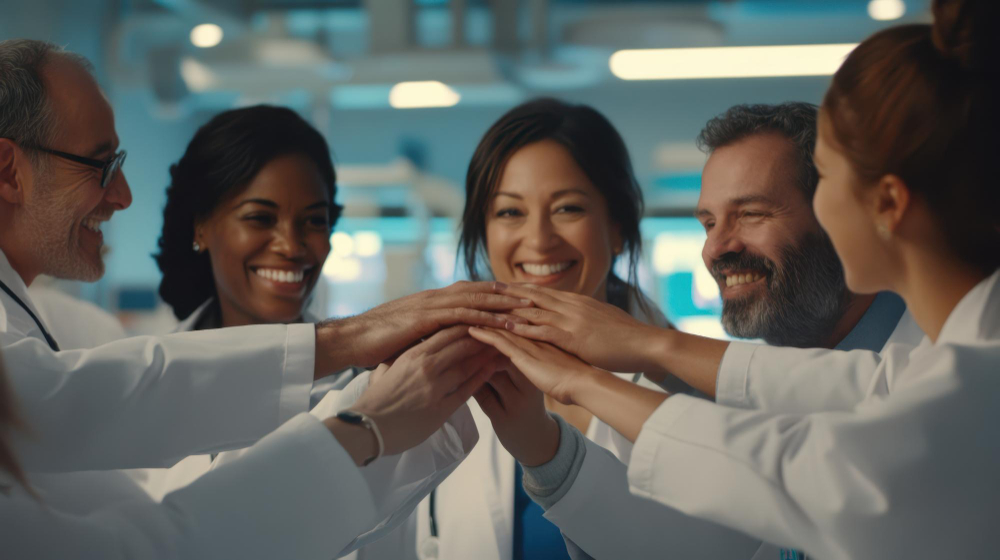
Continuous learning is the backbone of excellence in healthcare. By embracing a lifelong commitment to education, healthcare professionals can navigate the complexities of their field, stay ahead of emerging challenges, and provide the highest standard of care. In a world where the only constant is change, continuous learning ensures that healthcare systems and professionals remain resilient, adaptive, and effective—paving the way for a healthier future for all.