What Topics Are Covered in Fire Safety Training Online?
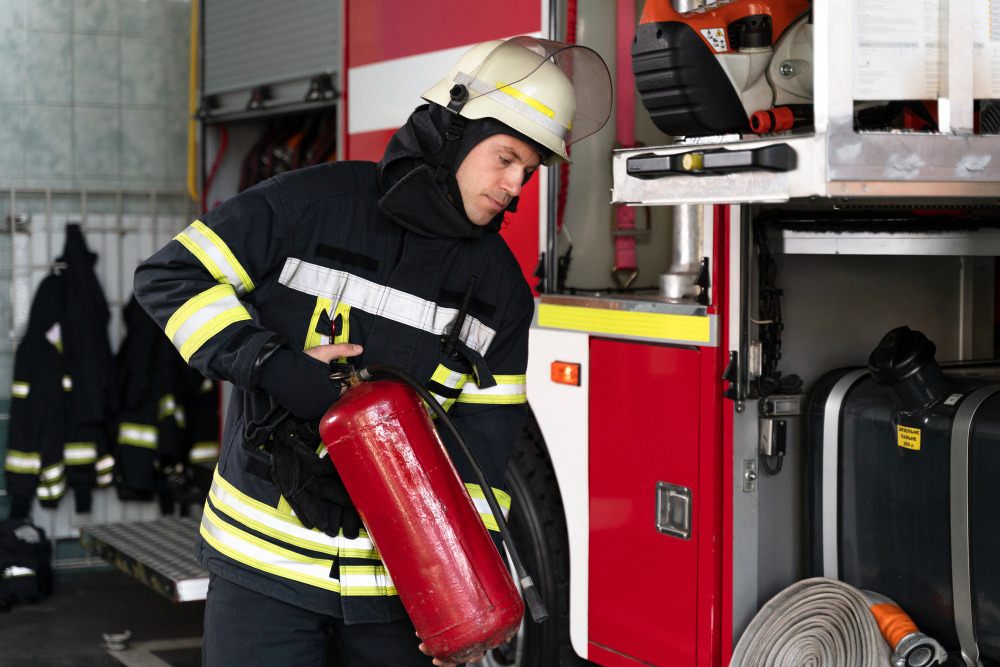
Fire safety knowledge is essential in workplaces where employees, visitors, patients, residents, or members of the public could be exposed to fire risks. Fire safety training online can introduce learners to fire prevention, emergency procedures, evacuation, fire detection, workplace responsibilities, and safer working practices. For people working in healthcare, care, hospitality, education, retail, and offices, this knowledge can help them understand what to do before and during a fire emergency.
What Is Fire Safety Training?
Fire safety training helps employees understand how fires can start, how risks can be reduced, and what actions to take if an emergency occurs.
- A fire safety course may cover common fire hazards, emergency procedures, evacuation arrangements, alarms, fire-fighting equipment, and workplace responsibilities.
- The content should always be relevant to the risks and conditions of the workplace.
- In England, the responsible person must provide employees with fire safety information, instruction, and training.
1. Understanding How Fires Start
Most introductory programmes explain the basic conditions required for a fire.
Learners are commonly introduced to the fire triangle, which consists of heat, fuel, and oxygen.
Understanding these elements can help workers recognise why ignition sources and combustible materials create potential hazards.
This knowledge can also help employees understand why removing or controlling a source of ignition can reduce risk.
2. Identifying Workplace Fire Hazards
One of the most useful topics is learning how to recognise potential hazards.
These can include overloaded electrical outlets, damaged cables, heaters, smoking materials, cooking equipment, flammable substances, and poor storage practices.
Fire safety awareness training can help workers become more alert to these everyday risks.
Employees should know how to report hazards rather than ignoring them.
3. Preventing Fires
Fire prevention focuses on reducing the likelihood of an incident occurring.
Workers may learn the importance of keeping combustible materials away from heat sources, maintaining clear areas, reporting damaged equipment, and following workplace procedures.
Good housekeeping can also play an important role.
Prevention is particularly important because avoiding a fire is safer than having to respond to one.
4. Understanding Fire Risk Assessments
Fire risk assessment is an important part of workplace fire safety.
In England, people who are in charge need to spot dangers, figure out who might be affected, check how risky things are, take steps to make them safer, write down what they find, come up with a plan for emergencies, give training to others, and keep checking things regularly.
This evaluation helps fire safety managers create good emergency plans and take steps to prevent problems.
Workers need to understand how their everyday job responsibilities relate to the overall safety strategy.
5. Emergency Protocols
What staff members are supposed to do in the event of a fire or alarm should be covered in training.
Raising the alarm, calling emergency services, adhering to evacuation protocols, and arriving at the assigned assembly site are a few possible topics.
Employees should be aware of the locations of their workplace exits.
Knowledge of the particular processes at a particular workplace cannot be replaced by general online education.
6. Fire Alarms and Detection Systems
Employees should recognise the warning systems used in their workplace.
GOV.UK states that workplaces must have appropriate fire detection and warning systems, with arrangements depending on the building and work being carried out.
Training can explain why alarms and detectors are important for providing early warning.
Any faults or concerns should be reported using the organisation’s established process.
7. Escape Routes and Evacuation
Knowing how to exit the building is essential for a safe evacuation.
Emergency exits, escape routes, assembly places, fire doors, and the significance of keeping paths clear can all be covered in training.
If an employee is not authorised to return to a building, they should never do so. The emergency plan for the workplace should always come first.
8. Supporting People Who Need Additional Assistance
Some people may require additional support during an evacuation.
Official guidance highlights the importance of considering vulnerable people, including older people, young children, and people with disabilities.
This is especially relevant in healthcare and care environments.
Staff should understand their individual responsibilities without putting themselves or others at unnecessary risk.
9. Fire Extinguishers and Other Equipment
Courses may introduce different types of fire-fighting equipment and explain their general purpose.
GOV.UK advises that appropriate fire-fighting equipment must be properly installed, tested, and maintained, with staff trained to use it where necessary.
A fire safety course in the UK that learners choose should clearly distinguish between general awareness and specific practical extinguisher training.
Workers should never attempt to tackle a fire when doing so would place them at risk.
10. What to Do When You Discover a Fire
A basic emergency response includes raising the alarm and following the workplace evacuation procedure.
Employees should leave promptly and avoid collecting personal belongings.
They should not enter smoke-filled areas or take unnecessary risks.
Following the emergency plan is more important than trying to control a developing fire.
11. Fire Drills and Emergency Practice
Understanding procedures is more effective when employees have an opportunity to practice them.
GOV.UK states that new staff should receive fire training when they start work and that workplaces should carry out at least one fire drill each year and record the results.
Drills can identify problems with communication, evacuation routes, assembly arrangements, or employee understanding.
They can also help staff feel more prepared for a real emergency.
12. Roles and Responsibilities
Employees should understand what is expected of them during a fire emergency.
Responsible persons have broader legal duties relating to risk assessment, precautions, emergency planning, and staff training.
Free fire safety training can provide introductory awareness of these responsibilities.
Employees with additional duties, such as fire wardens, may require more detailed training.
13. Fire Wardens and Designated Staff
Some employees have specific responsibilities for supporting workplace fire safety.
These can include fire wardens, fire marshals, supervisors, or other designated personnel.
Their training may need to go beyond general employee awareness.
The level of instruction should reflect the specific risks and responsibilities involved.
14. Can Fire Safety Training Be Completed Online?
Online programmes can cover many foundational fire safety topics through videos, written material, quizzes, and assessments.
A free online fire safety training with a certificate programme may also provide learners with a record of completion.
However, a certificate does not automatically prove practical competence or guarantee acceptance by an employer. Always review the requirements for the workplace, provider, evaluation method, and course scope.
15. What Is Provided by Free Online Training?
In addition to occupational teaching, fire safety training can offer general information.
Certain programs are beneficial for students who require flexible access because they may be finished around work and personal obligations.
Free online fire safety training may be useful for introductory learning or knowledge refreshers.
However, workplace-specific training remains important because employees need to understand the actual building, evacuation plan, alarm arrangements, and responsibilities at their workplace.
16. Selecting the Right Course
Examine the course material and learning objectives prior to registering.
Find out more about equipment, workplace duties, fire detection, emergency response, evacuation, and fire prevention.
Also check whether the programme is designed for general awareness or a particular industry. For UK learners, it is important to check the jurisdiction because fire safety legislation differs across England, Scotland, Wales, and Northern Ireland.
Who Can Benefit From Fire Safety Training?
Fire safety education can be useful for employees across many industries.
Healthcare workers, carers, hospitality staff, office employees, teachers, retail workers, administrators, and volunteers may all benefit from understanding workplace fire procedures.
People with additional fire-safety responsibilities may require more specialised instruction.
Final Thoughts
Effective fire safety depends on prevention, preparation, clear responsibilities, and appropriate action during an emergency.
Online learning can help workers understand important principles and build awareness of common risks.
However, it should complement workplace-specific information and any practical training required for the role.
Employees should always follow their employer’s procedures and avoid performing fire-safety tasks for which they have not been appropriately trained.
Care Learning is a platform that offers free CPD courses and sufficient information on a variety of subjects, assisting healthcare and care professionals in expanding their expertise through easily available educational materials. Register or apply now.
FAQs
1. What topics do fire safety classes cover?
Fire safety, workplace hazards, emergency procedures, evacuation steps, alarm systems, firefighting equipment, understanding risks, and employee duties are typical topics covered.
2. Is it possible to finish fire safety training online?
While companies may additionally demand site-specific training, hands-on training, or supplementary workplace education, many general fire safety topics can be studied online.
3. Is competency demonstrated by a fire safety certificate?
Although a certificate can attest to your completion of a certain course, it does not always prove your practical competence or satisfy the training requirements of every business.
4. How frequently should fire drills be conducted?
Workplaces should conduct at least one fire drill annually and document the outcomes, according to GOV.UK guidelines.
5. Is fire safety training the same across the UK?
Not necessarily. Fire safety legislation and guidance differ between parts of the UK, so learners should make sure their training is relevant to the jurisdiction where they work.