Why Is First Aid Training Essential for Every Healthcare Worker?
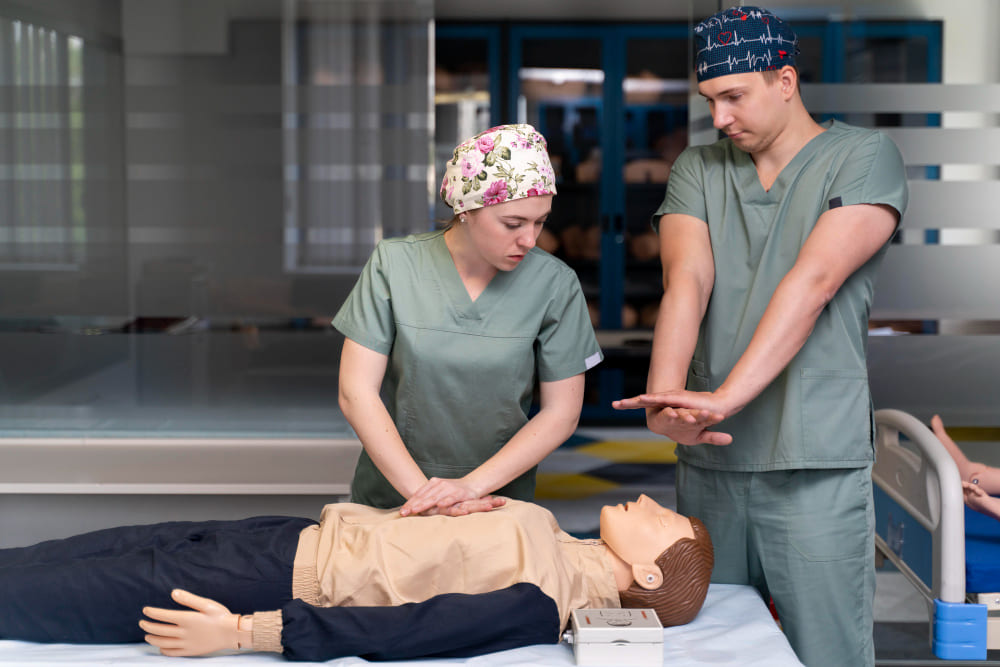
The key to being ready for emergencies in any healthcare or community setting is having first aid training. If you work in a clinic, hospital, care center, or community organization, knowing how to give basic first aid can be very important when something goes wrong. In addition to giving healthcare professionals practical skills, teaching first aid makes the community and workplace safer and more encouraging for patients, coworkers, and everyone else.
First Aid's Function in Healthcare Environments
- Healthcare facilities operate in high-risk settings where unanticipated emergencies could occur.
- In many circumstances, having a trained individual present can significantly enhance results, including cardiac arrests, falls, burns, allergic reactions, and choking accidents.
- For this reason, a first aid certificate is often required by businesses as part of their compliance or onboarding procedures.
- Knowing first aid helps workers help patients stay safe until doctors or medical teams arrive.
- It's crucial to act quickly in situations where specialized medical equipment isn't available, such as in clinics, homes, or community centers.
The Value of First Aid Knowledge for Medical Professionals
Responding to emergencies is only one aspect of first aid duties.
Early warning signs of problems are often detected by medical specialists before they get worse. They can quickly recognize warning signs and take the necessary action due to training.
Improved patient safety and a lower chance of problems are two major benefits.
Reactions during emergencies that are quicker and more accurate
Enhanced correspondence with emergency response teams
Increased preparedness and decreased risk at work
In addition to teaching medical professionals how to react, emergency first aid training teaches them how to maintain composure, interact with people successfully, and stop threats from getting worse.
Types of First Aid Training Beneficial to Medical Personnel
Different first aid training programs, each suited to particular hazards and settings, are beneficial to the healthcare industry. These typically include:
Simple First Aid
includes shock reaction, hemorrhage control, wound care, CPR, and minor injury treatment. All entry-level healthcare workers can use it.
Training in Emergency First Aid
This course focuses on high-stress situations such as trauma, cardiac arrest, stroke, convulsions, and respiratory problems. It will be appropriate for both home care providers and patients in acute care centers.
Advanced Resuscitation or Clinical First Aid
Includes airway management, oxygen therapy, and advanced CPR. Usually required in hospitals, aged care, and disability support environments.
Paediatric First Aid
These courses are made for people who help babies and kids in group activities, hospitals for new mothers, or child care areas. Many groups also offer online health classes that let you learn at your own pace and mix online and in-person training to improve your first aid skills.
Professional Accountability and Regulatory Importance
Healthcare workers are obliged by law to be proficient in first aid in a number of sectors. Employers must make sure they are adequately equipped for first aid, and this compliance includes having trained personnel. Obtaining and keeping a first aid certification shows professional responsibility, understanding of safety, and preparedness to help in an emergency.
First aid training is a reflection of ethical care standards, not only a rule for healthcare professionals. It ensures that workers uphold the highest level of responsibility toward patients, colleagues, and vulnerable groups.
How Workplace Culture Is Improved by First Aid Training
Having first aid training helps make the workplace safer and makes people more confident. When everyone is trained, teams can talk and work together better during emergencies. Employees feel more capable and trusted, which also makes patients feel more secure. Learning first aid also helps people grow personally, move up in their careers, and have longer jobs in the medical field.
To Wrap Up
To guarantee patient safety, responsiveness, and high-quality care in all contexts, first aid training is still required for all healthcare professionals. Through traditional workshops or online healthcare training, it enables staff members to help emergency medical personnel, stabilize large crises, and manage minor injuries. You help create a safer and better-prepared healthcare environment by finishing an approved first aid course and earning your first aid certification. Apply now or register.