Looking for Caregiver Courses in Canada? Here’s What You Need to Know
The need for caring and qualified caregivers has never been greater as Canada's population ages. Enrolling in caregiver courses in Canada is a great way to acquire the knowledge, practical skills, and confidence required to deliver high-quality care, regardless of whether you intend to enter the healthcare industry or develop your current profession. Numerous learning opportunities are available in Canada to prepare people for fulfilling employment in home care, long-term care, and community healthcare settings. These include flexible online healthcare courses and caregiver training courses. Building a successful caregiving profession starts with understanding your training alternatives.
The Meaning of Caregiver Education
When it comes to helping people who need help with everyday tasks because of their age, disease, disability, or recuperation from medical conditions, caregivers are essential. Professional training gives caregivers the practical information they need to provide safe, respectful, and person-centered care, even though compassion is crucial.
Organized caregiver training aids in the development of abilities like:
- Help with personal hygiene and care.
- Safe patient transfers and mobility.
- Prevention and management of infections.
- Interaction with families and clients.
- Support for hydration and nutrition.
- Cognitive care and dementia.
- Knowledge of medications.
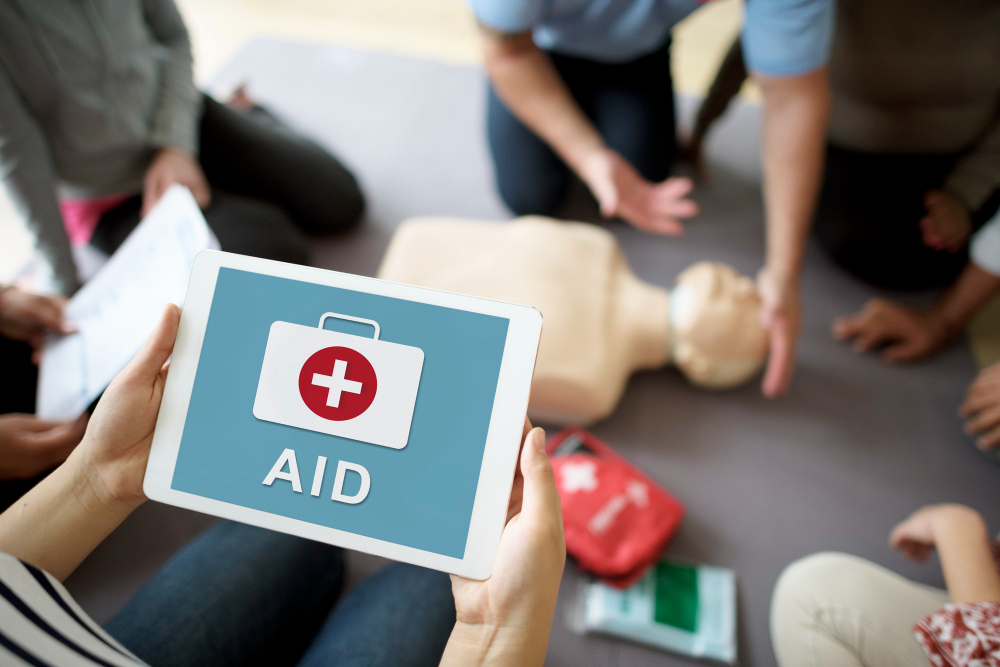
- Basic first aid and emergency response.
Caregivers can better fulfill the various requirements of people in various care settings by completing recognized training.
What Can You Learn in a Caregiver Course?
Modern caregiver programs combine theoretical knowledge with practical caregiving principles. Depending on the provider, the curriculum may cover a broad range of healthcare topics that are directly applicable in everyday practice.
Typical learning areas include:
Personal Care Skills
Learners gain an understanding of how to assist individuals with bathing, dressing, grooming, toileting, and maintaining personal dignity while encouraging independence wherever possible.
Safety and Health
Courses teach important safety practices like stopping the spread of germs, using personal protective gear correctly, lifting things safely, and spotting possible health issues.
Communication Proficiency
One of the most important abilities for caretakers is effective communication. Building trustworthy connections with patients, families, and interdisciplinary healthcare teams while honoring individual choices and cultural diversity is the main goal of training.
Assisting Individuals with Persistent Illnesses
In order to better grasp how prevalent health issues, including dementia, diabetes, stroke, Parkinson's disease, and mobility constraints, affect day-to-day care, many caregiver programs expose students to these ailments.
Are There Free Online Caregiver Courses Available?
Many prospective learners begin by searching for a free online caregiver course in Canada before committing to more advanced education. Online learning has become increasingly popular because it offers flexibility, allowing learners to study at their own pace while balancing work, family, or other responsibilities.
Online courses for caregivers are very helpful for people who:
- Are unfamiliar with healthcare.
- Desire to review prior knowledge.
- Have flexible learning schedules.
- Reside in isolated areas.
- Before obtaining official certifications, want to investigate caregiving.
Many online programs teach learners the fundamentals of caregiving while assisting them in developing confidence in crucial care practices, even though course content varies among providers.
Home Care Is One of Canada's Fastest-Growing Healthcare Sectors
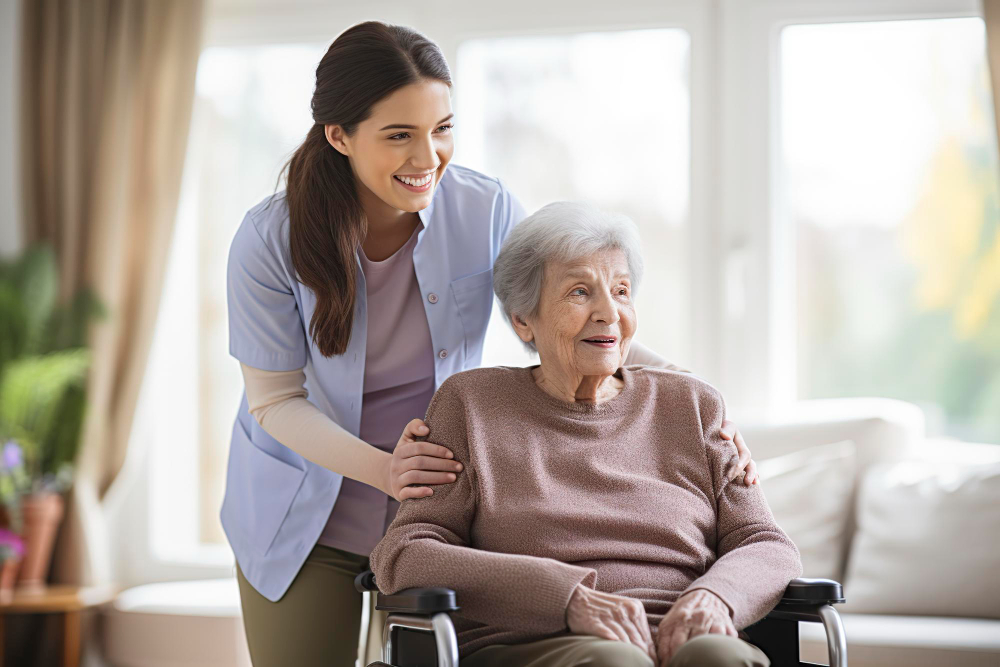
In Canada, there is a growing need for home-based healthcare services. Qualified caregivers are becoming a crucial component of community healthcare as more elderly people decide to live as long as feasible in their own homes.
After completing a home caregiver course or training, students are equipped to help clients in their homes by helping with:
- Daily personal hygiene.
- Preparing meals.
- Reminders for medication.
- Help with mobility.
- Friendship.
- Household support.
- Monitoring changes in health.
- Promoting independence.
Home caregiving requires excellent observation, communication, and problem-solving skills, making specialized training particularly valuable.
Prospects for Students from Other Countries
Canada is still a desirable location for people who want to work in healthcare. International students have access to high-quality instruction and real-world learning opportunities through the caregiving courses offered by numerous educational institutions in Canada.
International students frequently gain from:
- Healthcare education that is recognized worldwide.
- Being exposed to Canadian norms for care.
- Various clinical settings.
- Possibilities for professional communication skill development.
- Routes for additional medical research.
To make sure the course fits with their long-term career aspirations, prospective students should thoroughly evaluate admission requirements, English language expectations, visa laws, and program results before enrolling.
Selecting the Appropriate Learning Format
When choosing a caregiving program, today's students have more options than ever. Online learning is more convenient for some, while classroom-based training with hands-on demonstrations is preferred by others.
When contrasting several courses, take into account elements like:
- Learning objectives and course material.
- Study flexibility.
- The provider's reputation.
- Certificates are available.
- Resources for learners and support materials.
- Pertinence to Canadian medical practice.
- Possibilities for additional professional growth.
Selecting a program that matches your learning style and career aspirations will help you gain the maximum benefit from your training.
How to Provide Care in Canada
Gaining the necessary knowledge and useful abilities is usually the first step in becoming a caregiver in Canada. The majority of organizations seek applicants who have completed recognized caregiver training courses in Canada and have great communication, empathy, and problem-solving skills, while particular requirements vary based on the employer, province, and care environment.
Typical job paths consist of:
- Finishing a recognized course on caregiving or healthcare.
- Gaining practical caring skills through job experience or supervised education.
- Getting certified in CPR and First Aid as necessary.
- Applying for jobs at hospitals, community health organizations, assisted living institutions, long-term care facilities, or home care.
- Continuing professional development to expand clinical knowledge and improve career opportunities.
Building a strong foundation through quality education increases your confidence and prepares you to provide safe, compassionate, and person-centered care.
Can You Earn a Certificate Through Online Learning?
In order to obtain recognized education without having to make a big financial commitment, many students also look for free online caregiver courses in Canada with certificates. While some training institutions offer free initial caregiver programs, others offer certifications once assessments are successfully completed or after optional paid upgrades.
When searching for beginner caregiving jobs, having a certificate can make your resume stronger and show you are committed to learning and growing in your career. Before signing up, make sure to check if the provider is certified, what results the course offers, and whether the credential is recognized by companies in the industry you're interested in.
For those who wish to gain fundamental knowledge before moving on to more specialized healthcare credentials, online learning might be a great place to start.
Career Opportunities After Completing Caregiver Training
As healthcare services in Canada increasingly concentrate on helping people in their homes and communities, the demand for qualified caregivers keeps rising. A caregiver course can lead to a number of fulfilling positions, such as:
- Caregiver at Home
- Personal Support Worker (where applicable)
- Community Care Assistant
- Residential Care Worker
- Disability Support Worker
- Senior Care Assistant
- Companion Care Provider
- Home Health Aide
With additional education and experience, caregivers may also choose to progress into nursing, healthcare management, rehabilitation services, or other allied health professions.
What Is the Caregiver Salary in Canada?
Another common question among aspiring caregivers relates to caregiver salary in Canada. Earnings can vary depending on several factors, including location, employer, experience, qualifications, and the type of care provided.
Caregivers could make more money than people in regular jobs if they work in cities, in special care facilities, or in positions that require them to do more responsible tasks. People who have official certifications, good work experience, and keep learning new things usually get promoted more and make more money.
Many caregivers appreciate the profession for its long-term stability, fulfilling job, and rising demand in Canada's healthcare industry rather than just starting compensation.
Why Continuing Professional Development Matters
Caregivers are expected to be up to date on the latest developments in healthcare. Professionals can stay up to date on best practices, infection prevention, communication techniques, dementia care, patient safety, and other crucial subjects by participating in continuing professional development (CPD).
Regular learning helps improve how well you serve clients and also supports career growth by showing you care about doing your job excellently. No matter how much experience you have in caregiving, keeping your skills up to date through ongoing learning is a great way to stay confident and effective in your work.
Conclusion
Choosing the right training program for caregivers is a big step that will help you in your future. A great education gives you the skills and confidence to offer caring, safe, and thoughtful care to people, whether you're looking into caregiver courses in Canada, wanting to learn online at your own pace, or planning a long-term career in healthcare.
Every action you take, from learning the fundamentals of home care and caring techniques to looking into career options and ongoing professional development, gets you one step closer to truly improving people's lives. You may develop a fulfilling career in one of Canada's fastest-growing healthcare industries by choosing a course that fits your objectives.
You can find sufficient information on a variety of topics and free CPD courses on the Care Learning portal. Register or apply now.
Frequently Asked Questions
1. What are Caregiver Courses in Canada?
Caregiver courses provide learners with the knowledge and practical skills needed to support individuals with personal care, mobility, nutrition, communication, safety, and daily living activities in various healthcare settings.
2. Is it possible to take a caregiver course online?
Indeed. Numerous universities have flexible online caregiver programs that let students study at their own speed while juggling obligations to their families or jobs.
3. Do caregiver jobs require a certificate?
Having a recognized certificate that shows you've completed proper training and understand the basic skills of professional care can help you get better job opportunities.
4. Are caregiver courses in Canada open to international students?
Indeed. Caregiver courses in Canada for International students are welcomed by many educational institutions. Examine program eligibility, language requirements, visa requirements, and admission requirements before submitting an application.
5. After completing caregiver training, what are the employment options?
With chances for additional professional growth and career advancement, graduates can work in home care, community healthcare, residential care facilities, assisted living, disability support services, and other healthcare settings.