
CPR/AED
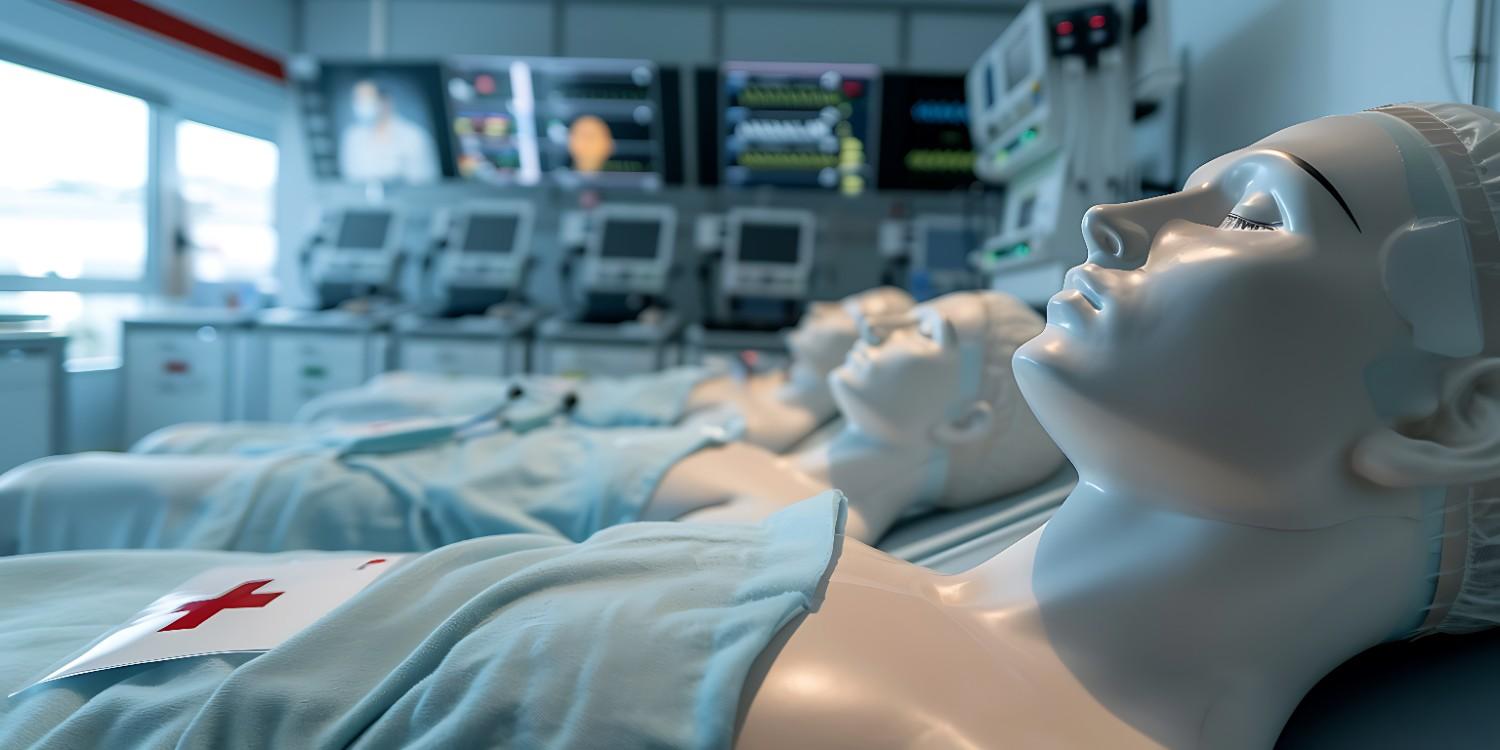
Cardiac emergencies can occur without warning and require an immediate, effective response to improve a person's chance of survival. Cardiopulmonary Resuscitation (CPR) and the use of an Automated External Defibrillator (AED) are essential life-saving skills that can be applied in workplaces, healthcare settings, public spaces, and homes. Prompt recognition of cardiac arrest, activation of emergency medical services (EMS), early CPR, and rapid defibrillation significantly increase the likelihood of survival while reducing the risk of permanent brain damage. This CPR/AED course has been developed to provide healthcare professionals, first responders, caregivers, workplace personnel, and members of the public with the knowledge and practical understanding required to recognise and respond confidently to cardiac emergencies.
.jpg)
Learning Outcomes
What you'll learn
- Explain the principles of the Chain of Survival and why early intervention is essential.
- Recognise the signs of cardiac arrest and identify when CPR is required.
- Demonstrate the correct sequence for assessing an emergency situation safely.
- Describe the correct CPR techniques for adults, children, and infants.
- Explain when and how to safely use an Automated External Defibrillator (AED).
- Recognise and manage choking emergencies in adults, children, and infants.
- Apply effective communication and teamwork during emergency situations.
- Identify the importance of infection prevention and personal safety while providing first aid.
- Understand post-resuscitation care until emergency medical services assume responsibility.
- Promote confidence and preparedness when responding to cardiovascular emergencies in healthcare, workplace, and community settings.
Stay updated with our


Learning Outcomes
What you'll learn
- Explain the principles of the Chain of Survival and why early intervention is essential.
- Recognise the signs of cardiac arrest and identify when CPR is required.
- Demonstrate the correct sequence for assessing an emergency situation safely.
- Describe the correct CPR techniques for adults, children, and infants.
- Explain when and how to safely use an Automated External Defibrillator (AED).
- Recognise and manage choking emergencies in adults, children, and infants.
- Apply effective communication and teamwork during emergency situations.
- Identify the importance of infection prevention and personal safety while providing first aid.
- Understand post-resuscitation care until emergency medical services assume responsibility.
- Promote confidence and preparedness when responding to cardiovascular emergencies in healthcare, workplace, and community settings.
Stay updated with our
Training Overview
- Understanding Cardiac Emergencies and the Chain of Survival
- Adult CPR and Automated External Defibrillator (AED) Use
- CPR for Children and Infants & Managing Choking Emergencies
- Special Considerations, Infection Prevention, and Emergency Response Teamwork
- Maintaining CPR Competency, Emergency Preparedness, and Continuous Improvement
- Summary
.jpg)
.jpg)
.jpg)
.jpg)
.jpg)

Top reviews
No reviews yet.
You May Also Like
.jpg)
.jpg)
.jpg)
.jpg)
.jpg)
.jpg)
Take Your
Learning Anywhere
Stay on top of your learning with the Care Learning app.


Are you a qualified
Trainer or Instructor?
Join Care Learning as a trainer and deliver high-quality courses to learners across healthcare and workplace training.
Refer a Friend &
Earn Rewards.
Invite healthcare professionals to join Care Learning and get rewarded when your referral successfully joins.
Frequently asked questions
Cardiopulmonary Resuscitation (CPR) is an emergency procedure that combines chest compressions and rescue breaths (when appropriate) to maintain blood circulation and oxygen delivery to vital organs.
An AED is a portable device that analyses the heart's rhythm and delivers an electrical shock when needed to restore a normal heart rhythm during certain types of cardiac arrest.
CPR should begin immediately when a person is unresponsive and not breathing normally or is only gasping. Emergency medical services should be activated as soon as possible, and an AED should be retrieved if available.
Yes. AEDs are specifically designed for use by both trained responders and members of the public. The device provides clear voice prompts that guide users safely through each step of the process.
CPR skills and knowledge can decline over time. Regular refresher training helps maintain competence, reinforces correct techniques, and ensures responders remain up to date with current evidence-based resuscitation guidelines.
Effective teamwork allows rescuers to share responsibilities, maintain continuous high-quality CPR, operate the AED efficiently, communicate clearly, and reduce fatigue during prolonged resuscitation efforts, ultimately improving patient outcomes.