

Emollients
This course covers the safe use of emollients, including their risks, particularly fire hazards, and how to manage them effectively.
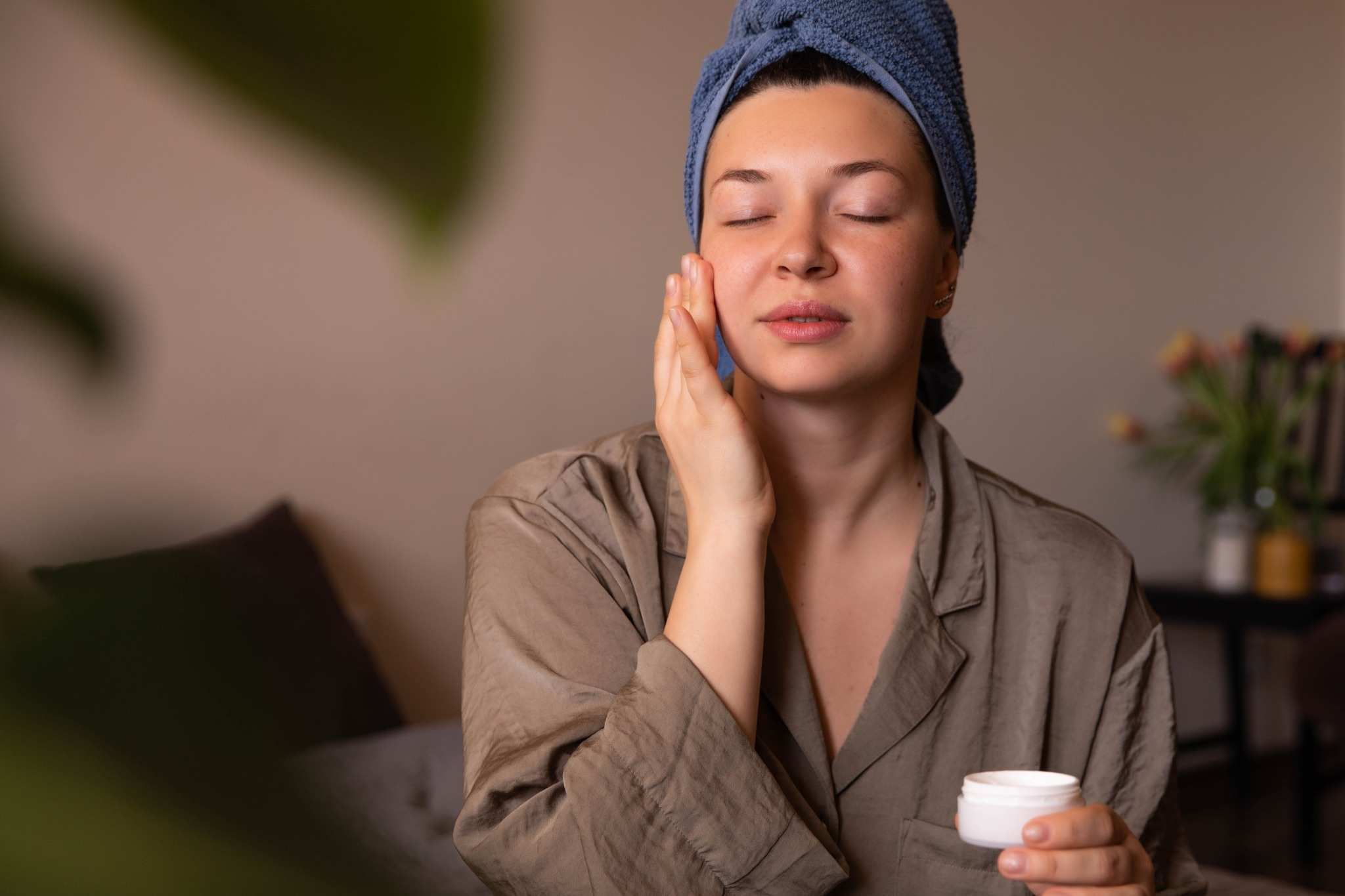
Learning Outcomes
What you'll learn
- Understand what emollients are.
- Know the different types of emollients available.
- Be aware of how to use emollients safely.
- Recognize the risks associated with using emollients.
- Recognize good skincare practices.
- Understand what good skincare looks like.


Learning Outcomes
What you'll learn
- Understand what emollients are.
- Know the different types of emollients available.
- Be aware of how to use emollients safely.
- Recognize the risks associated with using emollients.
- Recognize good skincare practices.
- Understand what good skincare looks like.
Modules
- What are Emollients?
- Understanding the Skin
- Safety when working with emollients
- Summary

Top reviews
No reviews yet.
You May Also Like





Learn Anytime
Anywhere
Experience the next level of learning with the Care Learning app. Available on Android and iOS.


Come and Work
with Us!
Join us as a healthcare trainer providing practical sessions to professionals and workers.
Apply for Trainer RoleIn-Person Practical
Healthcare Training
Enroll in our accredited, hands-on practical training sessions to deliver better patientcentred care.
Apply for TrainingRefer &
Earn Rewards.
Invite healthcare professionals to join Care Learning and earn rewards for every successful referral.
Frequently Asked Questions
Emollients are moisturising treatments that soften and hydrate dry, itchy or damaged skin. They help support the skin barrier and are commonly used for conditions such as eczema and psoriasis.
Common emollient types include lotions, creams, ointments, gels and sprays. The most suitable option depends on skin condition, severity, body area and individual needs.
Apply emollients regularly to clean skin, following product or healthcare guidance. Avoid contamination, wash hands when appropriate and use safely around heat or flames due to fire risk.
Some emollients can make skin or surfaces highly flammable, especially products containing paraffin or similar ingredients. Keep away from flames, cigarettes and other ignition sources.
Regular emollient therapy helps moisturise dry skin, protect the skin barrier and reduce irritation. Good skincare also includes gentle cleansing, avoiding irritants and following an appropriate care routine.