

Ligature Awareness & Prevention
The course is designed for health and social care professionals working with individuals at risk of self-harm with ligatures.
Learning Outcomes
What you'll learn
- Be aware of ligature risk and environmental risk assessments.
- Be able to identify different types of ligatures and ligature points.
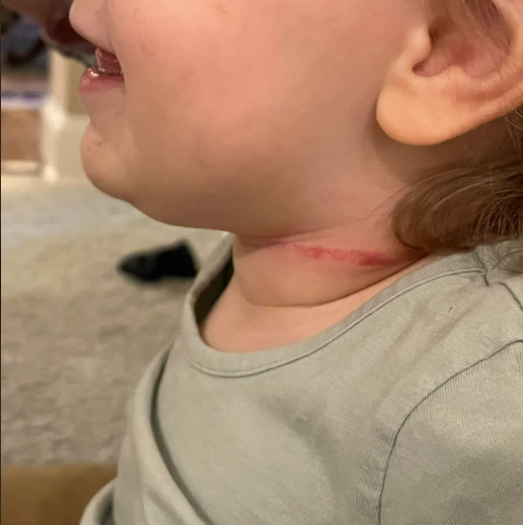
- Learn how to recognize and describe the signs and symptoms of ligature injuries.
- Be able to safely remove ligatures using ligature cutters, addressing both suspension and incomplete suspension situations.
- Have a better understanding of company policies, procedures, and guidelines related to ligature risks.
- Be informed about first aid actions needed after strangulation or attempted strangulation.
- Understand how to store, maintain, dispose of, and replace ligature cutters safely.


Learning Outcomes
What you'll learn
- Be aware of ligature risk and environmental risk assessments.
- Be able to identify different types of ligatures and ligature points.
- Learn how to recognize and describe the signs and symptoms of ligature injuries.
- Be able to safely remove ligatures using ligature cutters, addressing both suspension and incomplete suspension situations.
- Have a better understanding of company policies, procedures, and guidelines related to ligature risks.
- Be informed about first aid actions needed after strangulation or attempted strangulation.
- Understand how to store, maintain, dispose of, and replace ligature cutters safely.
Modules
Module 1
Suicide and Ligature
Module 2
Case Study
Module 3
Risk Assessments, Policies & Procedures
Module 4
Hanging & Strangulation
Module 5
First Aid for Ligatures
Module 6
Summary

Top reviews
No reviews yet.
You May Also Like







Learn Anytime
Anywhere
Experience the next level of learning with the Care Learning app. Available on Android and iOS.


Come and Work
with Us!
Join us as a healthcare trainer providing practical sessions to professionals and workers.
Apply for Trainer RoleIn-Person Practical
Healthcare Training
Enroll in our accredited, hands-on practical training sessions to deliver better patientcentred care.
Apply for TrainingRefer &
Earn Rewards.
Invite healthcare professionals to join Care Learning and earn rewards for every successful referral.
Frequently Asked Questions
Ligature awareness involves recognising ligature risks, ligature points and environmental hazards that could lead to strangulation or suspension, helping care staff take appropriate prevention and safety measures.
A ligature is an item that can be used to cause strangulation, while a ligature point is a fixed or movable object where it may be secured. Identifying both is essential for ligature risk assessment.
Signs may include neck marks, breathing difficulties, voice changes, difficulty swallowing, confusion or loss of consciousness. Any suspected ligature injury requires prompt first aid and medical assessment.
Ligatures should be removed using approved ligature cutters and according to workplace procedures. Staff must consider the risks of suspension or incomplete suspension and seek emergency assistance when required.
Ligature cutters should be stored securely, checked regularly, maintained according to manufacturer guidance, and replaced or disposed of safely when damaged, blunt or no longer fit for use.