Emergency First Aid: What to Expect from a Practical Course
Knowing how to act when someone gets hurt or has a sudden medical problem can really help until doctors or emergency workers get there. Emergency first aid courses teach people the important knowledge and hands-on skills to check a situation, give quick help, and react correctly until professional help arrives. A hands-on course does more than just give instructions; it lets students try out important skills in a guided environment.
What Is Emergency First Aid?
- Emergency first aid refers to the immediate assistance provided to someone who has been injured or suddenly becomes unwell.
- The aim is to protect the person from further harm, provide appropriate initial care and seek further medical assistance when necessary.
- A practical course typically covers common emergencies that people may encounter at work, at home or in public settings.
- Depending on the course and provider, topics may include CPR, bleeding, burns, choking, fractures, shock, unconsciousness and other urgent situations.
- The training does not turn participants into medical professionals. Instead, it helps them understand how to recognise an emergency and take appropriate initial action within the limits of their training.
Why Practical Learning Matters
Reading about first aid procedures can help build theoretical knowledge, but responding to an actual emergency requires more than remembering a list of instructions.
First aid training allows participants to practise techniques under the guidance of an instructor. This can help them understand how much pressure to use during chest compressions, how to position an injured person safely and how to respond when a situation changes.
Practical exercises can also make emergency procedures feel more familiar. When people have practised a skill before an emergency occurs, they may feel better prepared to respond rather than becoming overwhelmed by the situation.
What Happens When You Arrive?
A practical first aid session normally begins with an introduction to the course, the instructor and the learning objectives.
The trainer may explain the importance of assessing the environment before approaching an injured person. Participants are generally encouraged to consider potential hazards and protect themselves as well as the person requiring assistance.
The session may then move between demonstrations, explanations, discussions and hands-on activities. Participants can ask questions throughout the training and receive guidance when practising different techniques.
The exact structure depends on the course provider, duration and learning requirements.
Learning How to Assess an Emergency
One of the first skills participants develop is how to approach an emergency systematically.
This can involve checking whether the environment is safe, determining whether the person is responsive and identifying whether urgent medical assistance is required.
Participants may learn how to communicate with emergency services and provide useful information about the situation. Knowing what information to provide can help emergency responders understand the circumstances before they arrive.
The emphasis is generally on taking appropriate action without putting yourself or others at unnecessary risk.
CPR and Unconscious Casualty Care
CPR is an important component of many emergency response courses.
Participants may practise recognising when CPR is required, performing chest compressions and using an automated external defibrillator where available and appropriate.
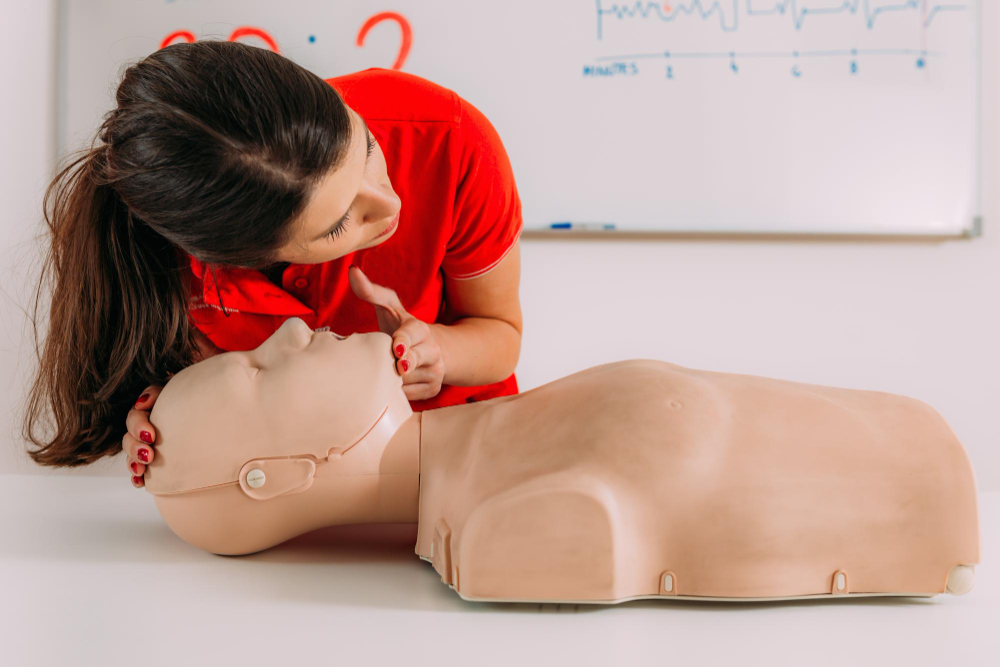
Manikins are commonly used during practical sessions so learners can practise positioning, compression technique and coordination.
The instructor can observe participants and provide feedback, helping them correct technique during the session rather than relying solely on theoretical understanding.
Managing Bleeding and Injuries
Practical courses may also cover how to respond to different types of injuries.
Participants can learn how to manage significant bleeding, apply appropriate pressure and use available first aid materials. Training may also introduce appropriate responses to burns, sprains, suspected fractures and other common injuries.
The objective is not to diagnose a medical condition. Instead, participants learn how to provide immediate support and recognise situations that require professional medical attention.
Responding to Choking
Choking can become life-threatening quickly, particularly when the airway is completely blocked.
During practical training, participants may learn how to recognise the signs of choking and understand the appropriate response for an affected person.
Depending on the course, practical demonstrations can help learners understand the difference between a partial and complete airway obstruction and what action may be appropriate in each situation.
Understanding Shock
Shock can occur following serious injury, blood loss or other medical emergencies.
A practical course may teach participants to recognise possible signs of shock and provide appropriate immediate support while waiting for emergency medical assistance.
Learners may also be taught why keeping an injured person comfortable, monitoring their condition and seeking professional help are important aspects of emergency response.
What Is an EFR Course?
An EFR Course generally refers to Emergency First Response training, which focuses on practical emergency response skills.
EFR programmes can include primary care skills for life-threatening emergencies and secondary care skills for injuries or illnesses that may not be immediately life-threatening.
The exact content varies depending on the provider and programme. Anyone considering an EFR course should review the specific learning outcomes, assessment arrangements and certification requirements before enrolling.
What Makes Practical First Aid Training Different?
Practical first aid training gives learners an opportunity to translate information into physical skills.
For example, knowing that chest compressions are required during cardiac arrest is different from actually performing compressions on a training manikin.
Similarly, reading about wound care does not provide the same experience as practising how to apply a dressing or control bleeding under supervision.
Practical learning can therefore help bridge the gap between understanding a procedure and being able to perform it correctly.
Who Can Benefit From the Course?
Emergency first aid skills can be useful for people from many backgrounds.
Potential participants may include:
- Workplace employees
- Teachers and education staff
- Childcare professionals
- Healthcare and care workers
- Sports and fitness professionals
- Community volunteers
- Hospitality and event staff
- People who simply want to be better prepared for emergencies
Some workplaces may have specific first aid requirements based on their activities, workforce and risk assessment. Participants should check their employer’s requirements before selecting a course.
How Practical Assessment Usually Works
Depending on the course, participants may be assessed through demonstrations, practical activities, questions or a combination of methods.
The instructor may ask learners to demonstrate specific emergency response techniques using training equipment or manikins.
Assessment allows the trainer to determine whether participants can perform the required skills according to the course standards.
If a participant struggles with a particular technique, additional explanation and practice may help them improve before completing the assessment.
What Should You Look for When Choosing a Course?
Not every first aid course has the same scope or certification requirements.
Before enrolling, consider the course content, practical components, instructor qualifications, assessment process and certificate requirements.
It is also important to check whether the training meets your workplace, professional or industry requirements.
A course that includes meaningful hands-on practice can be particularly valuable for people who want to develop confidence in responding to real emergencies.
Frequently Asked Questions
1. Is emergency first aid suitable for beginners?
Yes. Many beginner courses are made for people who have little or no experience with first aid, but the requirements might be different depending on the organisation offering the course.
2. Will I practise CPR during the course?
Many real first aid programs teach CPR, but the specific things they cover can vary depending on the course. Check the provider’s learning outcomes before enrolling.
3. Is an EFR course the same as a first aid course?
Not necessarily. EFR stands for a particular kind of emergency response training, whereas first aid courses can vary a lot in what they cover, what they teach, and the certificates they provide.
4. Do practical first aid courses have an assessment included?
Many courses include practical demonstrations or assessments. The specific way the assessment is done can vary depending on the program and the training provider.
5. How often should people update their first aid knowledge and abilities?
The suggested time to refresh your knowledge depends on the course, your job, and the rules that apply. Check your certificate, your employer's policy, and the relevant training provider for instructions.
Conclusion
Emergency situations can be unpredictable, but having appropriate first aid knowledge can help people respond more effectively when immediate assistance is needed. A practical course provides an opportunity to learn emergency procedures, practise essential techniques and receive feedback from an instructor.
Whether you need training for work or simply want to develop useful emergency response skills, choosing a course with meaningful practical learning can provide valuable preparation. Review your training needs, choose an appropriate programme and apply or register today. Care Learning is a platform where you can get free CPD courses and enough information on multiple topics.