

Antimicrobial Stewardship (Bitesize)
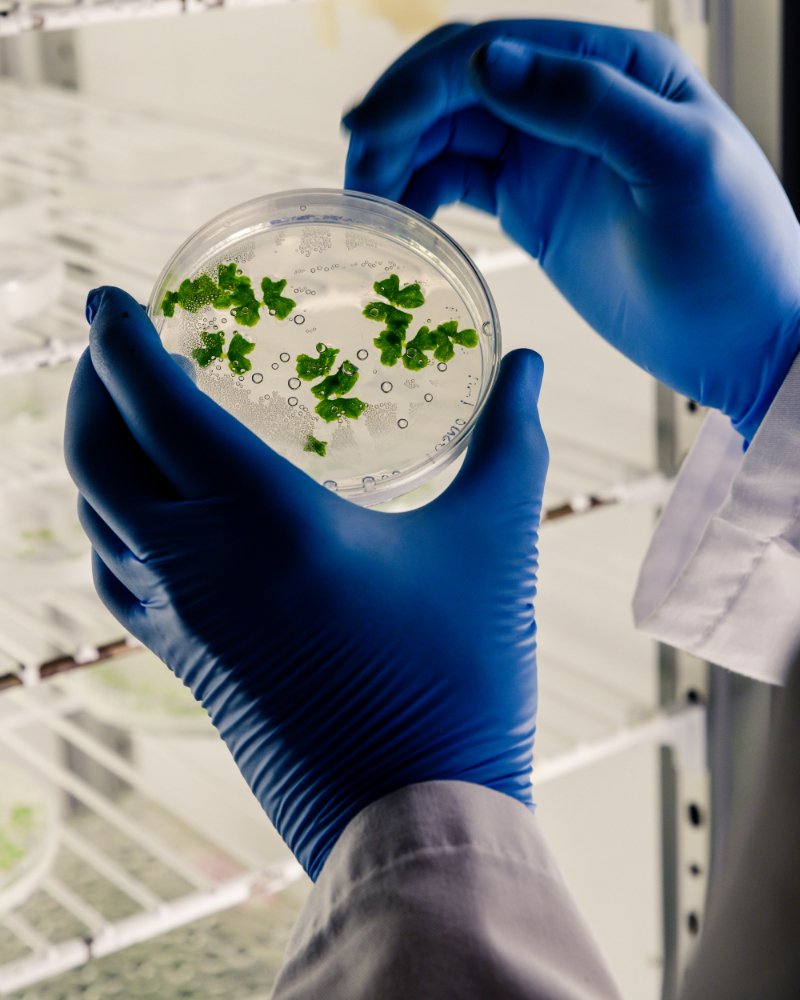
Antimicrobial Resistance (AMR) happens when microbes (bacteria, viruses, fungi and parasites) change over time and stop responding to medicines; this causes infections that are more difficult to treat and increases the risk of disease spreading, severe illness and death. This module looks at what a microbe is and explains how microbes can both help and harm the human body.
Learning Outcomes
What you'll learn
- Define what a microbe is and explain how they can both help and harm the human body
- Identify the four types of antimicrobial medications that are commonly used
- Explain how microbes become resistant to medication and what can be done to slow this process down
- Recognise the impact of antimicrobial resistance and why this is of worldwide concern
- Explain why some infections do not need treatment with antimicrobial medication


Learning Outcomes
What you'll learn
- Define what a microbe is and explain how they can both help and harm the human body
- Identify the four types of antimicrobial medications that are commonly used
- Explain how microbes become resistant to medication and what can be done to slow this process down
- Recognise the impact of antimicrobial resistance and why this is of worldwide concern
- Explain why some infections do not need treatment with antimicrobial medication
Modules
Module 1
What are Microbes?
Module 2
What are Antimicrobials?
Module 3
Antimicrobial Resistance (AMR)
Module 4
What can we do about AMR?
Module 5
Summary
Module 6
References

Top reviews
No reviews yet.
You May Also Like





Learn Anytime
Anywhere
Experience the next level of learning with the Care Learning app. Available on Android and iOS.


Come and Work
with Us!
Join us as a healthcare trainer providing practical sessions to professionals and workers.
Apply for Trainer RoleIn-Person Practical
Healthcare Training
Enroll in our accredited, hands-on practical training sessions to deliver better patientcentred care.
Apply for TrainingRefer &
Earn Rewards.
Invite healthcare professionals to join Care Learning and earn rewards for every successful referral.
Frequently Asked Questions
Antimicrobial stewardship promotes the responsible use of antimicrobial medicines to ensure they are used appropriately, safely and only when needed, helping reduce antimicrobial resistance.
Antimicrobials are medicines used to prevent or treat infections caused by microorganisms. They include antibiotics, antivirals, antifungals and antiparasitic medicines.
Antimicrobial resistance occurs when microorganisms change and no longer respond effectively to medicines used to treat them, making infections harder to manage.
Resistance can make infections more difficult to treat, increase illness and complications, and reduce the effectiveness of medicines used to prevent and treat infections.
Some infections, such as many viral infections, do not respond to antibiotics. Using antimicrobials when they are not needed can contribute to antimicrobial resistance.