

Barrett’s oesophagus and cancer
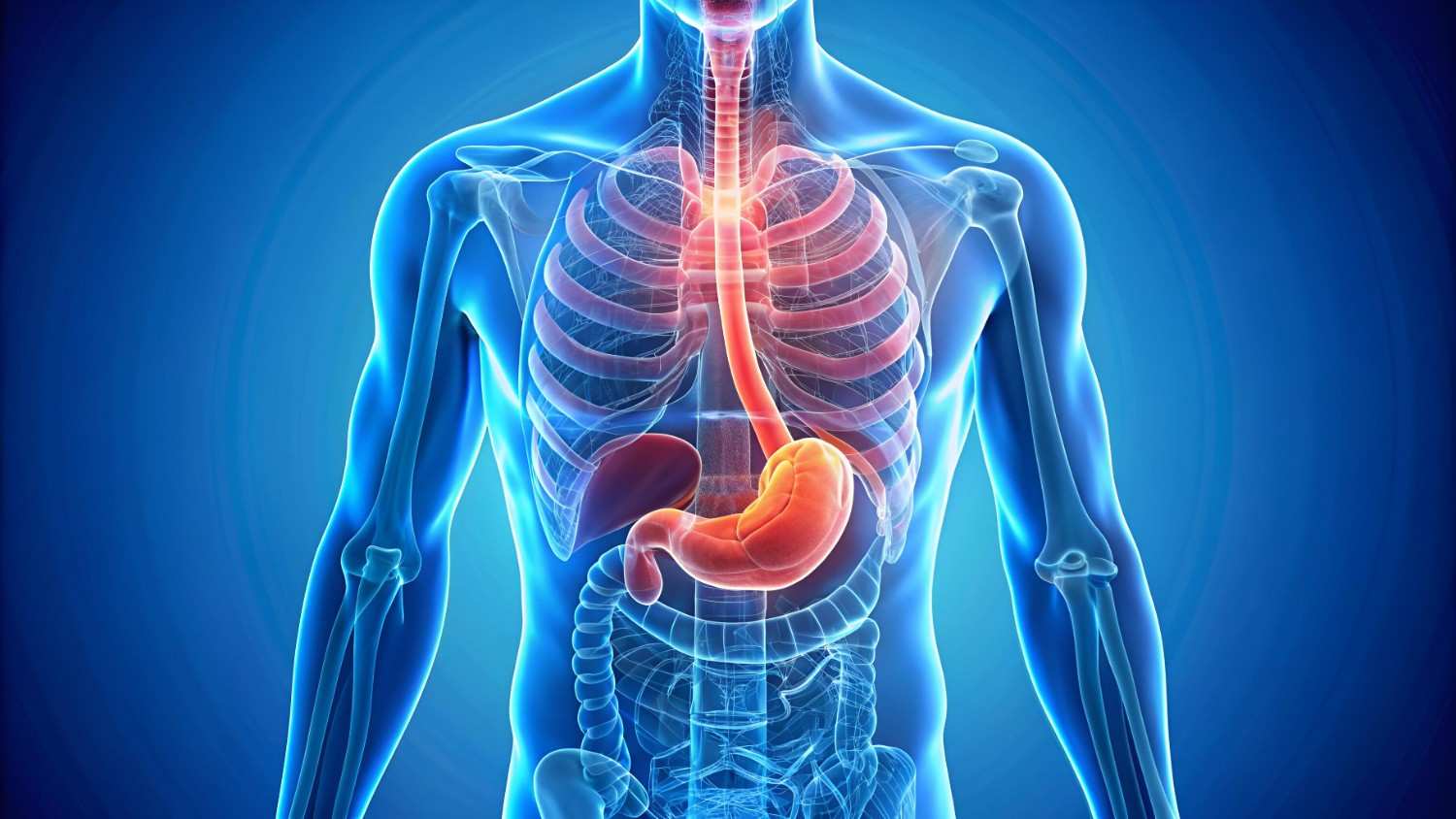
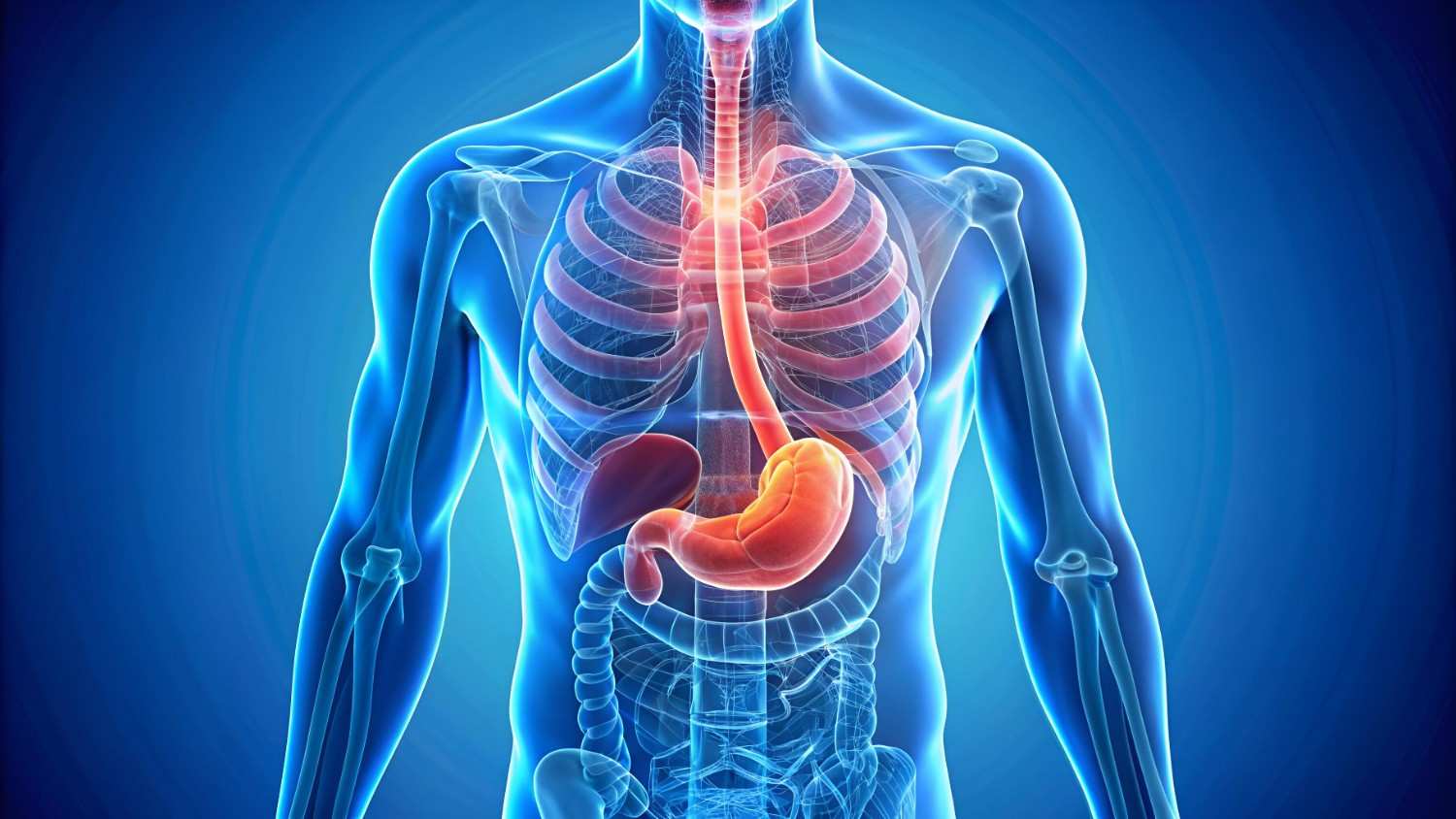
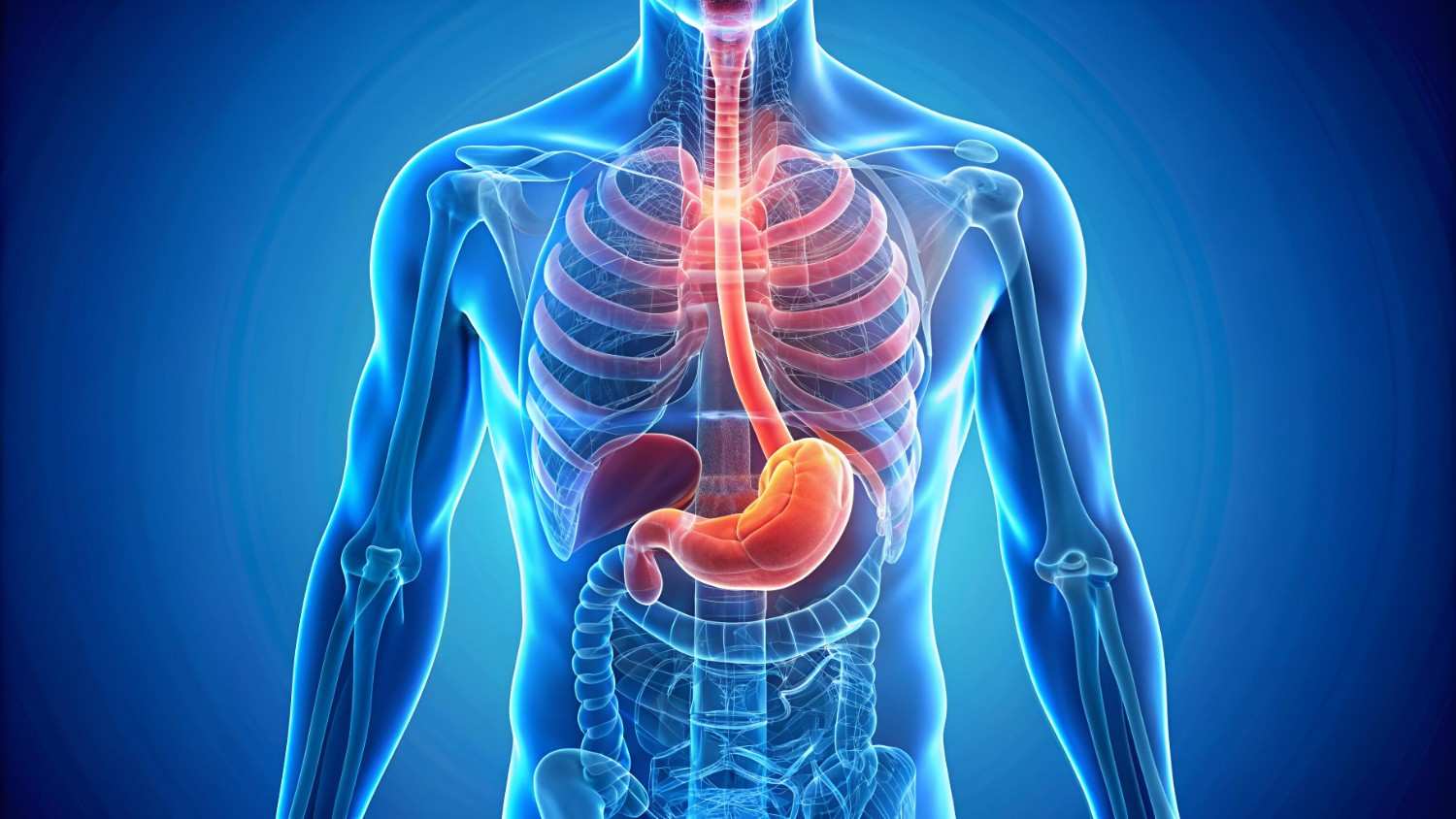
This course provides an in-depth overview of Barrett’s oesophagus, its risk factors, and the importance of screening and surveillance. It covers endoscopic assessment, grading, and the risk of progression to oesophageal adenocarcinoma. Additionally, the course outlines the management strategies for Barrett’s oesophagus and early-stage oesophageal cancer, equipping healthcare professionals with the knowledge to effectively manage and educate patients.

Learning Outcomes
What you'll learn
- Identify the key risk factors associated with the development of Barrett’s oesophagus, including GORD, age, male sex, obesity, smoking, and family history.
- Explain the role of screening and surveillance in detecting Barrett’s oesophagus and oesophageal adenocarcinoma, and recognize the appropriate patient groups for screening.
- Describe the various endoscopic techniques used in the assessment of Barrett’s oesophagus, including high-definition white light, chromoendoscopy, and narrow-band imaging.
- Understand the grading system for Barrett’s oesophagus, including both endoscopic and histopathological grading, and the significance of dysplasia in cancer progression.
- Evaluate the risk of progression from Barrett’s oesophagus to oesophageal adenocarcinoma based on histopathological grade and segment length.
- Discuss management strategies for Barrett’s oesophagus, including chemoprevention, endoscopic resection, and ablation therapy, and identify appropriate treatment options based on disease severity.
- Implement surveillance programs tailored to individual patient risk profiles, considering factors such as dysplasia grade, segment length, and patient preferences.


Learning Outcomes
What you'll learn
- Identify the key risk factors associated with the development of Barrett’s oesophagus, including GORD, age, male sex, obesity, smoking, and family history.
- Explain the role of screening and surveillance in detecting Barrett’s oesophagus and oesophageal adenocarcinoma, and recognize the appropriate patient groups for screening.
- Describe the various endoscopic techniques used in the assessment of Barrett’s oesophagus, including high-definition white light, chromoendoscopy, and narrow-band imaging.
- Understand the grading system for Barrett’s oesophagus, including both endoscopic and histopathological grading, and the significance of dysplasia in cancer progression.
- Evaluate the risk of progression from Barrett’s oesophagus to oesophageal adenocarcinoma based on histopathological grade and segment length.
- Discuss management strategies for Barrett’s oesophagus, including chemoprevention, endoscopic resection, and ablation therapy, and identify appropriate treatment options based on disease severity.
- Implement surveillance programs tailored to individual patient risk profiles, considering factors such as dysplasia grade, segment length, and patient preferences.
Modules
Module 1
Barrett's Oesophagus: A Histological Diagnosis
Module 2
Identification and Monitoring
Module 3
Endoscopic Evaluation
Module 4
Classification of Barrett’s Oesophagus
Module 5
Likelihood of Progression to Oesophageal Adenocarcinoma
Module 6
Treatment Approaches for Barrett’s Oesophagus and Early-Stage Oesophageal Cancer
Module 7
Summary
Top reviews
No reviews yet.
You May Also Like







Learn Anytime
Anywhere
Experience the next level of learning with the Care Learning app. Available on Android and iOS.


Come and Work
with Us!
Join us as a healthcare trainer providing practical sessions to professionals and workers.
Apply for Trainer RoleIn-Person Practical
Healthcare Training
Enroll in our accredited, hands-on practical training sessions to deliver better patientcentred care.
Apply for TrainingRefer &
Earn Rewards.
Invite healthcare professionals to join Care Learning and earn rewards for every successful referral.
Frequently Asked Questions
The course covers the key risk factors for Barrett’s oesophagus, screening and surveillance methods, endoscopic assessment, grading, risk of progression to oesophageal adenocarcinoma, and management strategies for early-stage cancer.
Yes, you will receive a certification upon completion of the course.
To register, log in or sign in to your Care Learning account using your email and password. If you're new, you can create an account at care-learning.com.
Yes, this course is suitable for healthcare professionals, including gastroenterologists, nurses, and those involved in the care of patients with Barrett’s oesophagus or at risk of oesophageal cancer.